


Lithium-Ion Battery Transport Packaging Market Outlook
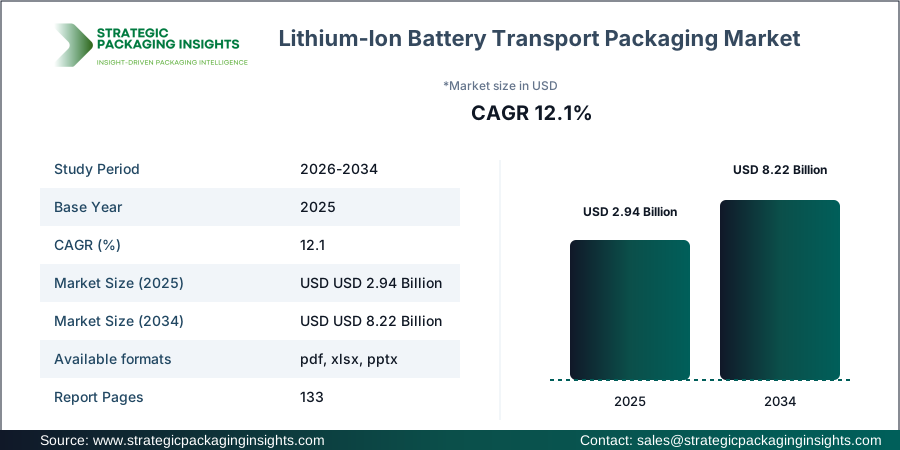
The Lithium-Ion Battery Transport Packaging market size was valued at USD 2.94 Billion in 2025 and is anticipated to reach USD 8.22 Billion by 2034, growing at a CAGR of 12.1% during the forecast period according to Strategic Packaging Insights. This growth is driven by the increasing demand for safe and efficient transportation solutions for lithium-ion batteries, which are critical components in various high-growth sectors such as electric vehicles and consumer electronics. Companies like Nefab Group and Smurfit Westrock are at the forefront, innovating packaging solutions that meet stringent safety standards and regulatory requirements, thereby ensuring the safe transit of these energy-dense batteries.
One of the most impactful drivers of this market is the global shift towards renewable energy and electric mobility, which has significantly increased the production and transportation of lithium-ion batteries. According to a report by the International Energy Agency, the number of electric vehicles on the road is expected to reach 145 million by 2030, necessitating robust packaging solutions to handle the increased volume of battery shipments. This trend is further supported by government initiatives promoting clean energy and stringent regulations on battery safety, which are compelling manufacturers to adopt advanced packaging solutions to mitigate risks associated with battery transport.
Report Scope
| Attributes | Details |
| Report Title | Lithium-Ion Battery Transport Packaging Market Size, Future Growth and Forecast 2034 |
| By Packaging Type | UN Certified Corrugated Boxes, Metal Drums, Plastic Containers, Insulated Transport Containers, Custom Protective Packaging |
| By Battery Type | Lithium-Ion Cells, Battery Modules, Battery Packs, Damaged or Defective Batteries |
| By Application | Electric Vehicles, Consumer Electronics, Energy Storage Systems, Industrial Equipment, Medical Devices, Aerospace & Defense |
| By End User | Battery Manufacturers, Automotive OEMs, Third-Party Logistics Providers, Electronics Manufacturers, Battery Recycling Companies |
| Region | Asia Pacific, North America, Latin America, Europe, Middle East & Africa |
| Base Year | 2025 |
| Historic Period | 2018-2024 |
| Forecast Period | 2026-2034 |
| Number of Pages | 133 |
| Customization Available | Yes* |
Sustainability & Circular Economy Analysis
Sustainability initiatives are profoundly influencing the lithium-ion battery transport packaging market, as companies strive to reduce their environmental impact. The adoption of recyclable materials and reusable packaging solutions is becoming increasingly prevalent. For instance, the use of lightweight packaging not only reduces material usage but also decreases transportation emissions, aligning with carbon footprint reduction goals. Companies like DS Smith are leading the charge by developing eco-friendly material innovations that cater to the growing consumer preference for sustainable products.
These sustainability trends are reshaping packaging design and manufacturing processes. Investment decisions are increasingly being influenced by the need to comply with environmental, social, and governance (ESG) criteria. Packaging manufacturers are prioritizing waste reduction strategies and extended producer responsibility (EPR) programs to enhance their market competitiveness. This shift towards sustainable practices is not only a regulatory compliance measure but also a strategic move to attract environmentally conscious consumers and investors.
Moreover, the integration of circular economy principles is driving long-term market competitiveness. By focusing on the entire lifecycle of packaging materials, companies are optimizing their supply chain strategies to minimize waste and maximize resource efficiency. This holistic approach is crucial for maintaining regulatory compliance and meeting the evolving demands of policymakers and consumers alike. As a result, sustainability is becoming a key differentiator in the packaging market, influencing everything from design to distribution.
Packaging Value Chain & Supply Chain Analysis
The packaging value chain for lithium-ion battery transport is complex, involving multiple stakeholders from raw material suppliers to end-users. Raw material sourcing is critical, as the availability and cost of materials like corrugated fiberboard and plastics directly impact production capabilities and pricing strategies. Packaging converters and manufacturers play a pivotal role in transforming these materials into specialized packaging solutions that meet industry standards and customer specifications.
Supply chain efficiency is paramount in this market, as it affects the overall performance and competitiveness of businesses. Strategic partnerships between packaging manufacturers and logistics providers are essential to ensure timely delivery and distribution of packaging products. Companies like Pelican Products and ORBIS Corporation are leveraging their logistics networks to enhance supply chain resilience and meet the growing demand for battery transport solutions across various regions.
Localization and global sourcing strategies are also influencing the market dynamics. While global sourcing offers cost advantages, localization helps in reducing lead times and improving inventory management. This balance is crucial for maintaining a competitive edge in the market. Additionally, recycling networks are becoming integral to the supply chain, as they facilitate the recovery and reuse of packaging materials, further supporting sustainability goals and reducing environmental impact.
Opportunities & Threats
The lithium-ion battery transport packaging market presents significant opportunities driven by the rapid growth of the electric vehicle (EV) industry. As EV adoption accelerates, the demand for safe and efficient battery transport solutions is expected to rise, creating lucrative opportunities for packaging manufacturers. Companies can capitalize on this trend by developing innovative packaging solutions that cater to the specific needs of the EV sector, such as thermal management and impact resistance. Additionally, the increasing focus on renewable energy and energy storage systems offers further growth prospects, as these applications require robust packaging solutions to ensure the safe transport of large battery systems.
Another opportunity lies in the advancement of smart packaging technologies. The integration of sensors and IoT devices into packaging solutions can enhance the monitoring and tracking of battery shipments, providing real-time data on temperature, humidity, and other critical parameters. This technological innovation not only improves safety and compliance but also adds value to the packaging solutions, making them more attractive to end-users. Companies that invest in smart packaging technologies can differentiate themselves in the market and capture a larger share of the growing demand for advanced battery transport solutions.
However, the market also faces threats from stringent regulatory requirements and safety standards. Compliance with international regulations, such as those set by the International Air Transport Association (IATA) and the United Nations (UN), can be challenging and costly for packaging manufacturers. Failure to meet these standards can result in penalties and damage to brand reputation. Additionally, the volatility in raw material prices poses a threat to profit margins, as fluctuations can impact production costs and pricing strategies. Companies must navigate these challenges carefully to maintain their competitive position in the market.
Drivers & Challenges
The primary driver of the lithium-ion battery transport packaging market is the increasing demand for electric vehicles (EVs) and renewable energy solutions. As governments worldwide implement policies to reduce carbon emissions and promote clean energy, the production and transportation of lithium-ion batteries are expected to surge. This trend is further supported by advancements in battery technology, which are enhancing the performance and safety of lithium-ion batteries, thereby driving the need for specialized packaging solutions that can safely transport these high-energy components.
Another significant driver is the growing consumer electronics market, which relies heavily on lithium-ion batteries for power. The proliferation of smartphones, laptops, and other portable devices is fueling the demand for efficient battery transport solutions. Packaging manufacturers are responding by developing innovative solutions that offer enhanced protection and compliance with safety standards. Companies like Labelmaster and Sealed Air Corporation are at the forefront, providing packaging solutions that address the unique challenges of transporting lithium-ion batteries in the consumer electronics sector.
Despite these drivers, the market faces challenges related to regulatory compliance and safety concerns. The transportation of lithium-ion batteries is subject to stringent regulations due to the potential risks associated with their high energy density. Packaging manufacturers must ensure that their products meet international safety standards, which can be complex and costly. Additionally, the market is challenged by the need for continuous innovation to keep pace with evolving battery technologies and customer demands. Companies must invest in research and development to stay ahead of the competition and address these challenges effectively.
Market Share Analysis
The competitive landscape of the lithium-ion battery transport packaging market is characterized by the presence of several key players who are driving innovation and setting industry standards. Companies like Nefab Group and Smurfit Westrock hold significant market shares due to their extensive product portfolios and strong global presence. These companies are leveraging their expertise in packaging solutions to cater to the diverse needs of the lithium-ion battery market, from electric vehicles to consumer electronics.
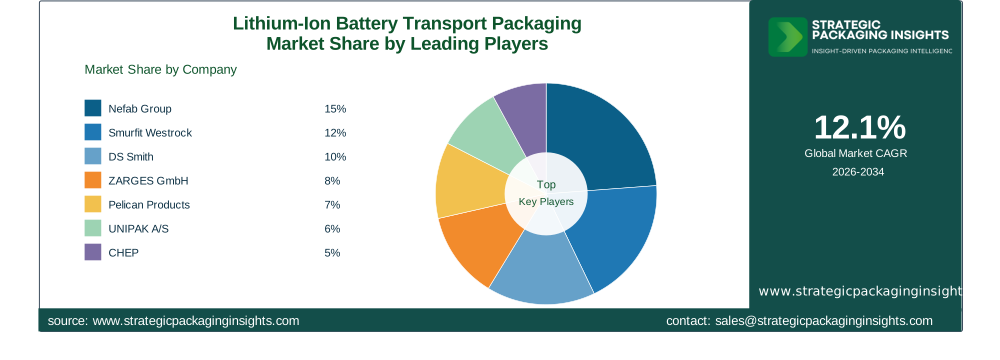
DS Smith and ZARGES GmbH are also prominent players in the market, known for their commitment to sustainability and eco-friendly packaging solutions. Their focus on reducing environmental impact through the use of recyclable materials and sustainable manufacturing practices has positioned them as leaders in the industry. These companies are continuously investing in research and development to enhance their product offerings and maintain their competitive edge.
Pelican Products and UNIPAK A/S are recognized for their innovative packaging solutions that prioritize safety and compliance with international regulations. Their products are designed to withstand the rigors of transportation, ensuring the safe delivery of lithium-ion batteries across various applications. These companies are expanding their market reach through strategic partnerships and collaborations with key stakeholders in the battery supply chain.
Other notable players in the market include CHEP, ORBIS Corporation, and Labelmaster, each contributing to the market's growth through their unique product offerings and strategic initiatives. These companies are focused on enhancing their supply chain capabilities and expanding their global footprint to capture a larger share of the growing demand for lithium-ion battery transport packaging solutions.
Key Highlights
- Market Size: USD 2.94 Billion in 2025, projected to reach USD 8.22 Billion by 2034.
- Growth Rate: Anticipated CAGR of 12.1% during the forecast period.
- Key Segments: UN Certified Corrugated Boxes, Lithium-Ion Cells, Electric Vehicles, Battery Manufacturers.
- Leading Companies: Nefab Group, Smurfit Westrock, DS Smith, ZARGES GmbH.
- Regional Insights: Asia Pacific and North America are key growth regions.
- Sustainability Focus: Increasing use of recyclable materials and eco-friendly packaging solutions.
- Technological Advancements: Integration of smart packaging technologies for enhanced safety and compliance.
Lithium-Ion Battery Transport Packaging Market Segments Insights

By Packaging Type Analysis
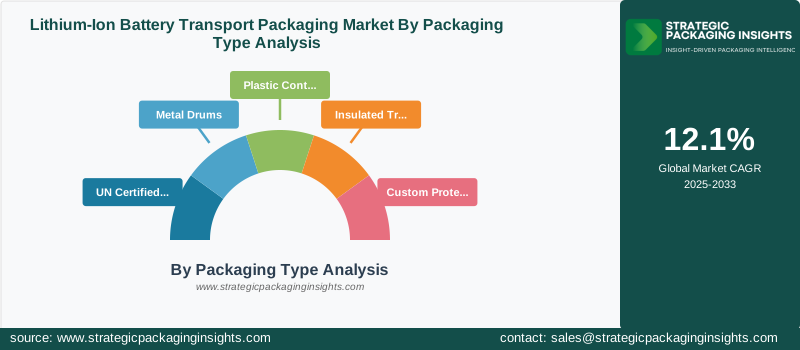
The packaging type segment in the lithium-ion battery transport packaging market is diverse, catering to various safety and regulatory requirements. UN Certified Corrugated Boxes are a popular choice due to their lightweight and cost-effective nature, providing adequate protection for battery shipments. Metal Drums and Plastic Containers offer robust solutions for larger battery packs, ensuring compliance with international safety standards. Insulated Transport Containers are gaining traction for their ability to maintain temperature stability, crucial for sensitive battery types. Custom Protective Packaging is also on the rise, offering tailored solutions that address specific customer needs and enhance overall safety during transit.
As the demand for lithium-ion batteries continues to grow, packaging manufacturers are focusing on innovation to meet the evolving needs of the market. The development of advanced materials and design techniques is enabling the creation of packaging solutions that offer enhanced protection and compliance with stringent regulations. Companies are also investing in research and development to explore new materials and technologies that can further improve the safety and efficiency of battery transport packaging. This focus on innovation is driving competition in the market, with manufacturers striving to differentiate their products and capture a larger share of the growing demand.
By Battery Type Analysis
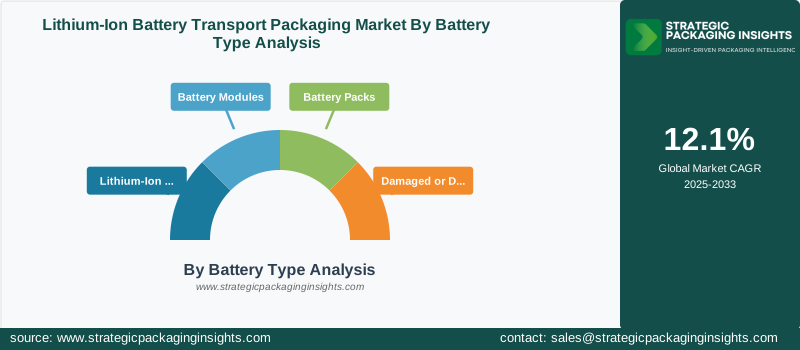
The battery type segment is critical in determining the packaging requirements for lithium-ion battery transport. Lithium-Ion Cells, Battery Modules, and Battery Packs each have unique packaging needs based on their size, weight, and energy density. Packaging solutions for these battery types must ensure safety and compliance with international regulations, as any mishandling can lead to significant safety risks. Damaged or Defective Batteries require specialized packaging solutions that can contain potential hazards and prevent accidents during transit.
Manufacturers are developing innovative packaging solutions that cater to the specific needs of each battery type, ensuring safe and efficient transport. The focus is on creating packaging solutions that offer enhanced protection against physical damage, temperature fluctuations, and other environmental factors. This emphasis on safety and compliance is driving demand for advanced packaging solutions that can meet the stringent requirements of the lithium-ion battery market. As battery technology continues to evolve, packaging manufacturers must adapt their solutions to address the changing needs of the market and maintain their competitive edge.
By Application Analysis
The application segment of the lithium-ion battery transport packaging market is diverse, encompassing a wide range of industries that rely on lithium-ion batteries for power. Electric Vehicles (EVs) are a major driver of demand, as the shift towards clean energy and sustainable transportation continues to gain momentum. Consumer Electronics is another key application, with the proliferation of smartphones, laptops, and other portable devices driving demand for efficient battery transport solutions. Energy Storage Systems, Industrial Equipment, Medical Devices, and Aerospace & Defense are also significant contributors to the market, each with unique packaging requirements based on their specific needs.
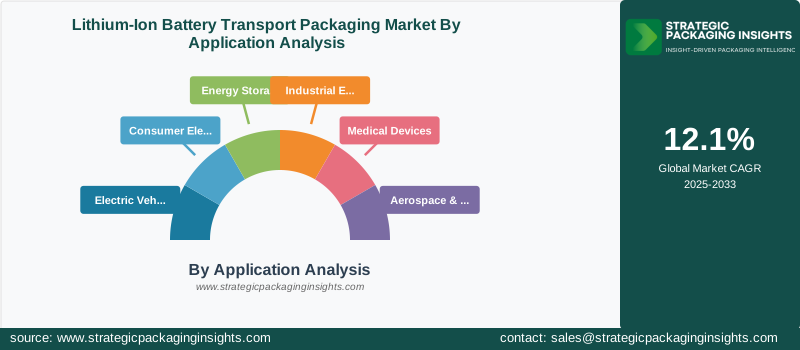
Packaging manufacturers are developing innovative solutions that cater to the diverse needs of these applications, ensuring safe and efficient transport of lithium-ion batteries. The focus is on creating packaging solutions that offer enhanced protection and compliance with safety standards, while also addressing the specific requirements of each application. This emphasis on innovation and customization is driving competition in the market, with manufacturers striving to differentiate their products and capture a larger share of the growing demand for lithium-ion battery transport packaging solutions.
By End User Analysis
The end-user segment of the lithium-ion battery transport packaging market is diverse, encompassing a wide range of industries that rely on lithium-ion batteries for power. Battery Manufacturers are a major driver of demand, as they require efficient packaging solutions to transport their products safely and efficiently. Automotive OEMs are another key end-user, with the growing demand for electric vehicles driving the need for specialized packaging solutions that can handle the unique requirements of battery transport. Third-Party Logistics Providers, Electronics Manufacturers, and Battery Recycling Companies are also significant contributors to the market, each with unique packaging needs based on their specific requirements.
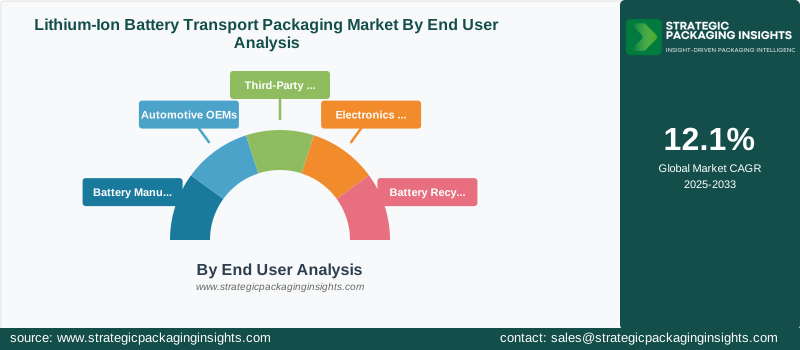
Packaging manufacturers are developing innovative solutions that cater to the diverse needs of these end-users, ensuring safe and efficient transport of lithium-ion batteries. The focus is on creating packaging solutions that offer enhanced protection and compliance with safety standards, while also addressing the specific requirements of each end-user. This emphasis on innovation and customization is driving competition in the market, with manufacturers striving to differentiate their products and capture a larger share of the growing demand for lithium-ion battery transport packaging solutions.
Lithium-Ion Battery Transport Packaging Market Segments
The Lithium-Ion Battery Transport Packaging market has been segmented on the basis ofBy Packaging Type
- UN Certified Corrugated Boxes
- Metal Drums
- Plastic Containers
- Insulated Transport Containers
- Custom Protective Packaging
By Battery Type
- Lithium-Ion Cells
- Battery Modules
- Battery Packs
- Damaged or Defective Batteries
By Application
- Electric Vehicles
- Consumer Electronics
- Energy Storage Systems
- Industrial Equipment
- Medical Devices
- Aerospace & Defense
By End User
- Battery Manufacturers
- Automotive OEMs
- Third-Party Logistics Providers
- Electronics Manufacturers
- Battery Recycling Companies
Region
- Asia Pacific
- North America
- Latin America
- Europe
- Middle East & Africa




