


Lidding Film Market Outlook
The lidding film market was valued at $4.87 billion in 2025 and is projected to reach $10.40 billion by 2034, growing at a CAGR of 8.8% during the forecast period 2026-2034. This growth is driven by increasing demand for convenient and sustainable packaging solutions across various industries. The food and beverage sector, in particular, is a significant contributor to this demand, as lidding films offer excellent barrier properties, ensuring product freshness and extending shelf life. Additionally, the rise in ready-to-eat meals and packaged food products has further fueled the market's expansion. Technological advancements in film materials and manufacturing processes are also enhancing the performance and appeal of lidding films, making them a preferred choice for manufacturers and consumers alike.
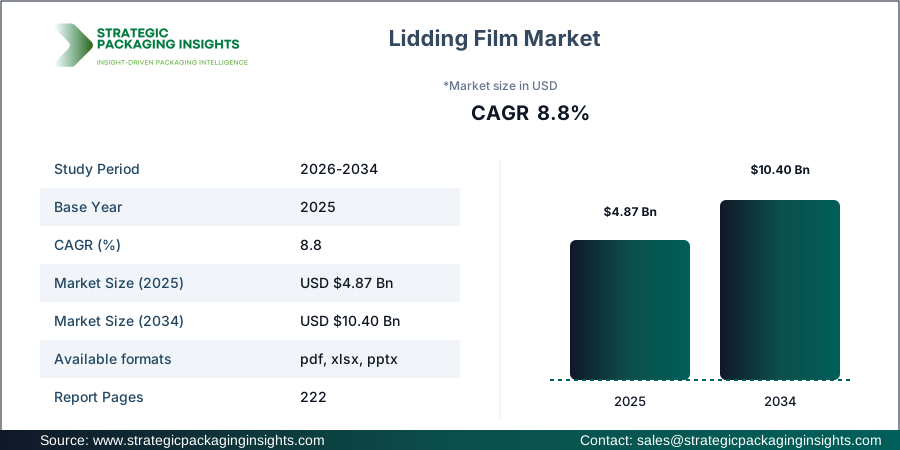
Despite the promising growth prospects, the lidding film market faces certain challenges that could hinder its expansion. Regulatory restrictions on plastic usage and increasing environmental concerns are pushing manufacturers to develop eco-friendly alternatives, which may increase production costs. However, these challenges also present opportunities for innovation and the development of biodegradable and recyclable lidding films. The market's growth potential is further bolstered by the increasing adoption of lidding films in the medical sector, where they are used for packaging medical devices and pharmaceuticals, ensuring product safety and integrity. As consumer awareness regarding sustainable packaging grows, the demand for lidding films that align with these values is expected to rise, offering lucrative opportunities for market players.
Report Scope
| Attributes | Details |
| Report Title | Lidding Film Market Size, Future Growth and Forecast 2034 |
| By Material | PET, PP, PE |
| By Type | Flexible, Rigid |
| By Application | Food, Medical |
| By Barrier | High, Low |
| Region | Asia Pacific, North America, Latin America, Europe, Middle East & Africa |
| Base Year | 2025 |
| Historic Period | 2018-2024 |
| Forecast Period | 2026-2034 |
| Number of Pages | 222 |
| Customization Available | Yes* |
Opportunities & Threats
The lidding film market presents numerous opportunities, particularly in the realm of sustainable packaging solutions. As consumers become more environmentally conscious, there is a growing demand for packaging materials that are not only effective but also eco-friendly. This trend is driving innovation in the development of biodegradable and recyclable lidding films, which offer a significant opportunity for manufacturers to differentiate themselves in the market. Additionally, the increasing popularity of ready-to-eat meals and convenience foods is boosting the demand for lidding films, as they provide excellent barrier properties that help maintain product freshness and extend shelf life. The medical sector also offers promising opportunities, as lidding films are increasingly used for packaging medical devices and pharmaceuticals, ensuring product safety and compliance with stringent regulatory standards.
Another opportunity lies in the technological advancements in film materials and manufacturing processes. Innovations such as multi-layer films and advanced printing techniques are enhancing the performance and aesthetic appeal of lidding films, making them more attractive to both manufacturers and consumers. These advancements are also enabling the production of films with improved barrier properties, which are essential for maintaining the quality and safety of packaged products. Furthermore, the growing trend of smart packaging, which incorporates features such as QR codes and RFID tags, is creating new opportunities for lidding film manufacturers to offer value-added solutions that enhance consumer engagement and product traceability.
However, the lidding film market is not without its threats. One of the primary challenges is the increasing regulatory pressure on plastic usage, which is driving the need for more sustainable packaging solutions. This pressure is leading to higher production costs as manufacturers invest in the development of eco-friendly alternatives. Additionally, the volatility in raw material prices can impact the profitability of lidding film manufacturers, as fluctuations in the cost of materials such as PET, PP, and PE can affect production costs. The competitive landscape is also intensifying, with numerous players vying for market share, which could lead to price wars and margin pressures.
Drivers & Challenges
The lidding film market is driven by several key factors, including the increasing demand for convenient and sustainable packaging solutions. The food and beverage industry is a major driver, as lidding films offer excellent barrier properties that help maintain product freshness and extend shelf life. The rise in ready-to-eat meals and packaged food products is further fueling this demand, as consumers seek convenient and easy-to-use packaging options. Additionally, the growing awareness of environmental issues is driving the demand for eco-friendly packaging solutions, prompting manufacturers to develop biodegradable and recyclable lidding films. Technological advancements in film materials and manufacturing processes are also enhancing the performance and appeal of lidding films, making them a preferred choice for manufacturers and consumers alike.
Another significant driver is the increasing adoption of lidding films in the medical sector. Lidding films are used for packaging medical devices and pharmaceuticals, ensuring product safety and compliance with stringent regulatory standards. The growing demand for medical packaging solutions that offer excellent barrier properties and product integrity is boosting the market's growth. Furthermore, the trend of smart packaging, which incorporates features such as QR codes and RFID tags, is creating new opportunities for lidding film manufacturers to offer value-added solutions that enhance consumer engagement and product traceability.
Despite these drivers, the lidding film market faces several challenges that could hinder its growth. One of the primary challenges is the increasing regulatory pressure on plastic usage, which is driving the need for more sustainable packaging solutions. This pressure is leading to higher production costs as manufacturers invest in the development of eco-friendly alternatives. Additionally, the volatility in raw material prices can impact the profitability of lidding film manufacturers, as fluctuations in the cost of materials such as PET, PP, and PE can affect production costs. The competitive landscape is also intensifying, with numerous players vying for market share, which could lead to price wars and margin pressures.
Market Share Analysis
The competitive landscape of the lidding film market is characterized by the presence of several key players who are actively engaged in product innovation and strategic partnerships to strengthen their market position. Companies such as Amcor, Bemis, Constantia Flexibles, Huhtamaki, Coveris, Linpac, Sealed Air, Berry Global, ProAmpac, and Sonoco are some of the prominent players in the market. These companies are focusing on expanding their product portfolios and enhancing their production capabilities to meet the growing demand for lidding films across various industries. The market is highly competitive, with players competing on factors such as product quality, pricing, and technological advancements.
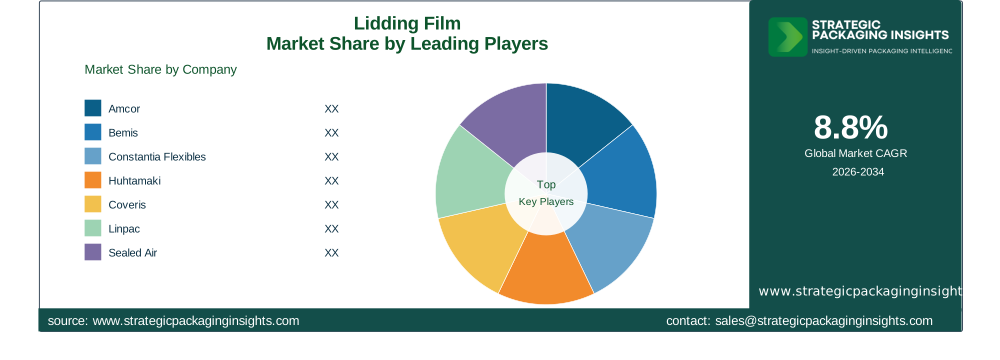
Amcor, a leading player in the lidding film market, holds a significant market share due to its extensive product portfolio and strong global presence. The company is known for its innovative packaging solutions and commitment to sustainability, which has helped it maintain a competitive edge in the market. Bemis, another major player, is recognized for its high-quality lidding films that offer excellent barrier properties and product protection. The company's focus on research and development has enabled it to introduce advanced film materials that cater to the evolving needs of the market.
Constantia Flexibles is a key player in the lidding film market, known for its sustainable packaging solutions and commitment to reducing environmental impact. The company's focus on innovation and customer-centric approach has helped it establish a strong foothold in the market. Huhtamaki, a global leader in packaging solutions, offers a wide range of lidding films that cater to various applications, including food and medical packaging. The company's emphasis on quality and sustainability has contributed to its success in the market.
Other notable players in the market include Coveris, Linpac, Sealed Air, Berry Global, ProAmpac, and Sonoco. These companies are actively investing in research and development to introduce new and innovative lidding film solutions that meet the changing demands of consumers and industries. The competitive landscape is expected to remain dynamic, with players focusing on strategic collaborations and acquisitions to expand their market presence and enhance their product offerings.
Key Highlights
- The lidding film market is projected to grow at a CAGR of 8.8% from 2026 to 2034.
- Increasing demand for sustainable and eco-friendly packaging solutions is driving market growth.
- The food and beverage sector is a major contributor to the demand for lidding films.
- Technological advancements in film materials and manufacturing processes are enhancing product performance.
- The medical sector offers promising opportunities for lidding film manufacturers.
- Regulatory pressure on plastic usage is driving the development of biodegradable and recyclable films.
- Key players in the market include Amcor, Bemis, Constantia Flexibles, and Huhtamaki.
- The competitive landscape is characterized by product innovation and strategic partnerships.
- Smart packaging trends are creating new opportunities for value-added solutions.
- Volatility in raw material prices poses a challenge to market growth.
Top Countries Insights
In the lidding film market, the United States stands out as a key player, with a market size of approximately $1.2 billion and a CAGR of 7%. The country's robust food and beverage industry, coupled with a strong focus on sustainable packaging solutions, drives the demand for lidding films. Government regulations promoting eco-friendly packaging further bolster market growth. However, challenges such as fluctuating raw material prices and stringent environmental regulations pose potential hurdles.
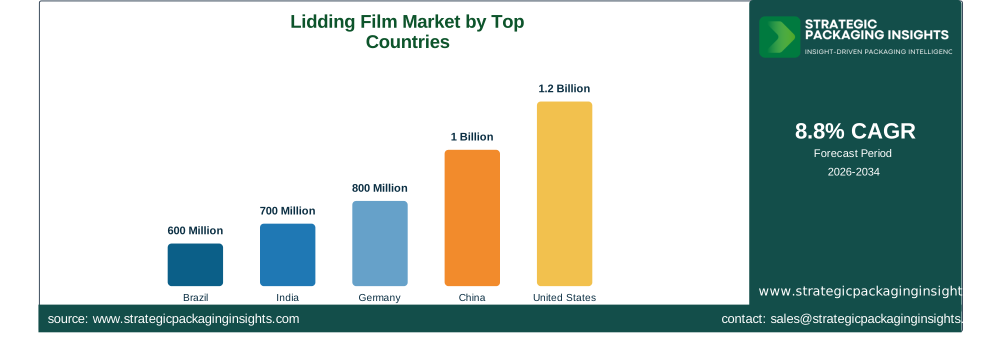
China, with a market size of $1 billion and a CAGR of 9%, is another significant player in the lidding film market. The country's booming food industry and increasing consumer preference for convenient packaging solutions are major growth drivers. Additionally, government initiatives to promote sustainable packaging practices are encouraging manufacturers to develop eco-friendly lidding films. However, the market faces challenges related to regulatory compliance and the need for technological advancements.
Germany, with a market size of $800 million and a CAGR of 6%, is a key market for lidding films in Europe. The country's strong emphasis on sustainability and innovation in packaging solutions drives market growth. The presence of leading packaging companies and a well-established food industry further contribute to the demand for lidding films. However, the market faces challenges related to regulatory pressures and the need for continuous innovation.
India, with a market size of $700 million and a CAGR of 10%, is an emerging market for lidding films. The country's growing middle class and increasing demand for packaged food products are major growth drivers. Government initiatives to promote sustainable packaging practices are also encouraging manufacturers to develop eco-friendly lidding films. However, challenges such as inadequate infrastructure and regulatory compliance pose potential hurdles.
Brazil, with a market size of $600 million and a CAGR of 8%, is a key market for lidding films in Latin America. The country's expanding food and beverage industry and increasing consumer preference for convenient packaging solutions drive market growth. Government regulations promoting sustainable packaging practices further bolster market growth. However, challenges such as economic instability and regulatory compliance pose potential hurdles.
Lidding Film Market Segments Insights

By Material Analysis
The lidding film market is segmented by material into PET, PP, and PE. PET is the most widely used material due to its excellent barrier properties, clarity, and recyclability. The demand for PET lidding films is driven by the food and beverage industry, where they are used to package a wide range of products, from dairy to ready-to-eat meals. The material's ability to preserve product freshness and extend shelf life makes it a preferred choice for manufacturers. Additionally, PET's recyclability aligns with the growing demand for sustainable packaging solutions, further boosting its adoption.
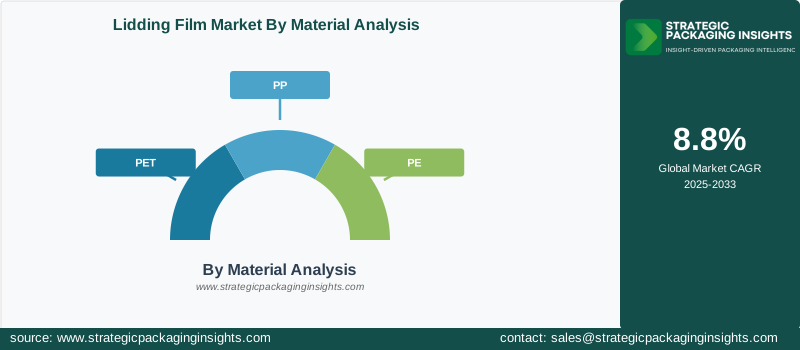
PP lidding films are gaining popularity due to their versatility and cost-effectiveness. They offer good barrier properties and are suitable for a variety of applications, including food and medical packaging. The material's resistance to moisture and chemicals makes it ideal for packaging products that require protection from external elements. As manufacturers seek to reduce costs while maintaining product quality, the demand for PP lidding films is expected to rise. PE lidding films, on the other hand, are known for their flexibility and durability. They are commonly used in applications where flexibility and strength are essential, such as in the packaging of fresh produce and frozen foods.
By Type Analysis
The lidding film market is segmented by type into flexible and rigid films. Flexible lidding films are the most widely used due to their versatility and ease of use. They are commonly used in the food and beverage industry for packaging products such as dairy, snacks, and ready-to-eat meals. The demand for flexible lidding films is driven by their ability to conform to different shapes and sizes, making them suitable for a wide range of applications. Additionally, their lightweight nature and excellent barrier properties make them a preferred choice for manufacturers seeking to reduce packaging costs and improve product shelf life.
Rigid lidding films, on the other hand, are used in applications where product protection and presentation are critical. They are commonly used in the packaging of high-value products such as premium foods and medical devices. The demand for rigid lidding films is driven by their ability to provide superior protection and enhance product presentation. As consumers increasingly seek premium packaging solutions that offer both functionality and aesthetics, the demand for rigid lidding films is expected to grow. However, the higher cost of rigid films compared to flexible films may pose a challenge to their widespread adoption.
By Application Analysis
The lidding film market is segmented by application into food and medical packaging. The food industry is the largest application segment, accounting for the majority of the market share. The demand for lidding films in the food industry is driven by the need for packaging solutions that offer excellent barrier properties and extend product shelf life. Lidding films are commonly used to package a wide range of food products, including dairy, snacks, and ready-to-eat meals. The growing trend of convenience foods and the increasing demand for sustainable packaging solutions are further boosting the adoption of lidding films in the food industry.
The medical sector is another significant application segment for lidding films. The demand for lidding films in the medical sector is driven by the need for packaging solutions that offer product safety and compliance with stringent regulatory standards. Lidding films are commonly used to package medical devices and pharmaceuticals, ensuring product integrity and protection from external elements. As the medical industry continues to grow and evolve, the demand for high-quality lidding films that meet the specific needs of medical packaging is expected to rise.
By Barrier Analysis
The lidding film market is segmented by barrier properties into high and low barrier films. High barrier lidding films are the most widely used due to their ability to provide superior protection against moisture, oxygen, and other external elements. The demand for high barrier films is driven by the food and beverage industry, where they are used to package products that require extended shelf life and protection from spoilage. The growing trend of convenience foods and the increasing demand for premium packaging solutions are further boosting the adoption of high barrier lidding films.
Low barrier lidding films, on the other hand, are used in applications where product protection is less critical. They are commonly used in the packaging of products that have a shorter shelf life or do not require protection from external elements. The demand for low barrier films is driven by their cost-effectiveness and suitability for a wide range of applications. As manufacturers seek to reduce packaging costs while maintaining product quality, the demand for low barrier lidding films is expected to rise.
Lidding Film Market Segments
The Lidding Film market has been segmented on the basis ofBy Material
- PET
- PP
- PE
By Type
- Flexible
- Rigid
By Application
- Food
- Medical
By Barrier
- High
- Low
Region
- Asia Pacific
- North America
- Latin America
- Europe
- Middle East & Africa




