


Jute Bag Market Outlook
The jute bag market was valued at $1.10 billion in 2025 and is projected to reach $1.59 billion by 2034, growing at a CAGR of 4.2% during the forecast period 2026-2034. This growth is driven by increasing consumer awareness about eco-friendly products and the rising demand for sustainable packaging solutions. Jute bags, known for their biodegradability and durability, are gaining popularity as an alternative to plastic bags. The market is also benefiting from government initiatives promoting the use of natural fibers and the ban on single-use plastics in several regions. The retail sector, in particular, is witnessing a surge in demand for jute bags as consumers shift towards sustainable shopping practices.
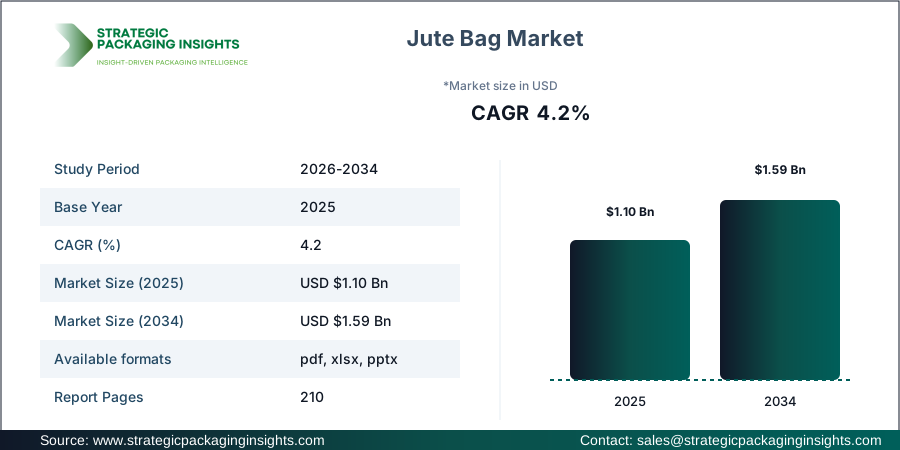
Despite the positive growth trajectory, the jute bag market faces challenges such as fluctuating raw material prices and competition from synthetic alternatives. Regulatory restrictions on jute cultivation in certain regions may also impact supply chains. However, the market holds significant growth potential due to the increasing adoption of jute bags in emerging economies and the expansion of e-commerce platforms that require sustainable packaging solutions. The market is expected to witness innovations in jute bag designs and the development of blended jute materials to enhance product appeal and functionality.
Report Scope
| Attributes | Details |
| Report Title | Jute Bag Market Size, Future Growth and Forecast 2034 |
| By Product Type | Shopping Jute Bags, Promotional Jute Bags, Agricultural Jute Sacks |
| By Application | Retail, Agriculture, Gifting, Food Grains |
| By Material Type | Natural Jute, Blended Jute, Laminated Jute |
| By End Use | Retailers, Consumers, Agriculture, Exporters |
| Region | Asia Pacific, North America, Latin America, Europe, Middle East & Africa |
| Base Year | 2025 |
| Historic Period | 2018-2024 |
| Forecast Period | 2026-2034 |
| Number of Pages | 210 |
| Customization Available | Yes* |
Opportunities & Threats
The jute bag market presents numerous opportunities, particularly in the retail and agriculture sectors. As consumers become more environmentally conscious, there is a growing demand for sustainable and biodegradable packaging solutions. Jute bags, being eco-friendly, are increasingly preferred over plastic bags, creating a significant opportunity for market players to expand their product offerings. Additionally, the agricultural sector is witnessing a rise in the use of jute sacks for packaging food grains and other agricultural products, driven by their durability and cost-effectiveness. The gifting segment also offers potential growth opportunities, as jute bags are being increasingly used for packaging gifts, especially during festive seasons.
Another opportunity lies in the expansion of e-commerce platforms, which are driving the demand for sustainable packaging solutions. As online retailers seek to reduce their environmental footprint, jute bags are becoming a popular choice for packaging and shipping products. Furthermore, government initiatives promoting the use of natural fibers and the ban on single-use plastics in several regions are expected to boost the demand for jute bags. Companies can capitalize on these opportunities by investing in product innovation and expanding their distribution networks to reach a wider customer base.
However, the market also faces threats from fluctuating raw material prices and competition from synthetic alternatives. The availability and cost of raw jute can be affected by factors such as weather conditions and regulatory restrictions on jute cultivation. Additionally, synthetic bags, which are often cheaper and more readily available, pose a significant threat to the jute bag market. To mitigate these threats, companies need to focus on cost-effective production methods and explore the use of blended jute materials to enhance product appeal and competitiveness.
Drivers & Challenges
The primary drivers of the jute bag market include increasing consumer awareness about environmental sustainability and the growing demand for eco-friendly packaging solutions. As consumers become more conscious of their environmental impact, there is a shift towards sustainable products, including jute bags. The retail sector, in particular, is witnessing a surge in demand for jute bags as consumers opt for reusable and biodegradable alternatives to plastic bags. Additionally, government initiatives promoting the use of natural fibers and the ban on single-use plastics in several regions are driving the demand for jute bags.
Another significant driver is the expansion of e-commerce platforms, which are increasing the demand for sustainable packaging solutions. As online retailers seek to reduce their environmental footprint, jute bags are becoming a popular choice for packaging and shipping products. The agricultural sector is also contributing to market growth, with jute sacks being used for packaging food grains and other agricultural products due to their durability and cost-effectiveness. Companies are investing in product innovation and expanding their distribution networks to capitalize on these growth opportunities.
Despite the positive growth trajectory, the jute bag market faces challenges such as fluctuating raw material prices and competition from synthetic alternatives. The availability and cost of raw jute can be affected by factors such as weather conditions and regulatory restrictions on jute cultivation. Additionally, synthetic bags, which are often cheaper and more readily available, pose a significant threat to the jute bag market. To overcome these challenges, companies need to focus on cost-effective production methods and explore the use of blended jute materials to enhance product appeal and competitiveness.
Market Share Analysis
The jute bag market is characterized by a competitive landscape with several key players vying for market share. Companies such as Gloster Limited, Ludlow Jute, Cheviot Company, Howrah Mills, and Birla Corporation are among the leading players in the market. These companies have established a strong presence in the market through strategic partnerships, product innovation, and expansion of their distribution networks. Gloster Limited, for instance, is known for its high-quality jute products and has a significant market share due to its extensive product portfolio and strong distribution network.
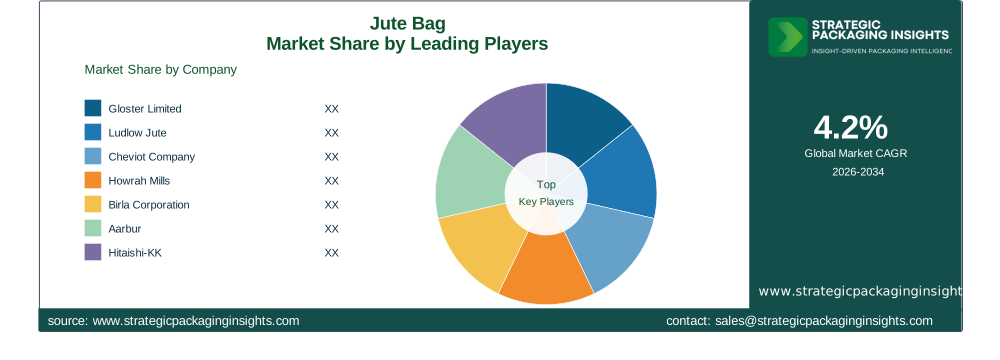
Ludlow Jute is another major player in the market, known for its focus on sustainability and innovation. The company has invested in research and development to create eco-friendly jute products that cater to the evolving needs of consumers. Cheviot Company, on the other hand, has a strong presence in the agricultural sector, offering a wide range of jute sacks for packaging food grains and other agricultural products. The company's focus on quality and customer satisfaction has helped it maintain a competitive edge in the market.
Howrah Mills and Birla Corporation are also key players in the jute bag market, with a strong focus on product innovation and sustainability. Howrah Mills, for example, has developed a range of laminated jute bags that offer enhanced durability and functionality. Birla Corporation, known for its diversified product portfolio, has a significant market share due to its strong brand reputation and extensive distribution network. Other notable players in the market include Aarbur, Hitaishi-KK, Shree Jee International, Budge Budge Company, and Ganges Jute, each contributing to the market's growth through their unique product offerings and strategic initiatives.
Key Highlights
- The jute bag market is projected to grow at a CAGR of 4.2% from 2026 to 2034.
- Increasing consumer awareness about eco-friendly products is driving market growth.
- Government initiatives promoting natural fibers are boosting demand for jute bags.
- The retail sector is witnessing a surge in demand for sustainable packaging solutions.
- Fluctuating raw material prices pose a challenge to market growth.
- Expansion of e-commerce platforms is driving demand for jute bags.
- Product innovation and the development of blended jute materials are key trends.
- Competition from synthetic alternatives is a significant threat to the market.
- Key players include Gloster Limited, Ludlow Jute, and Cheviot Company.
Top Countries Insights
India is one of the leading markets for jute bags, with a market size of approximately $500 million and a CAGR of 5%. The country's growth is driven by the availability of raw jute, government initiatives promoting jute cultivation, and the increasing demand for sustainable packaging solutions. The Indian government's ban on single-use plastics has further boosted the demand for jute bags, making it a key growth driver in the region.
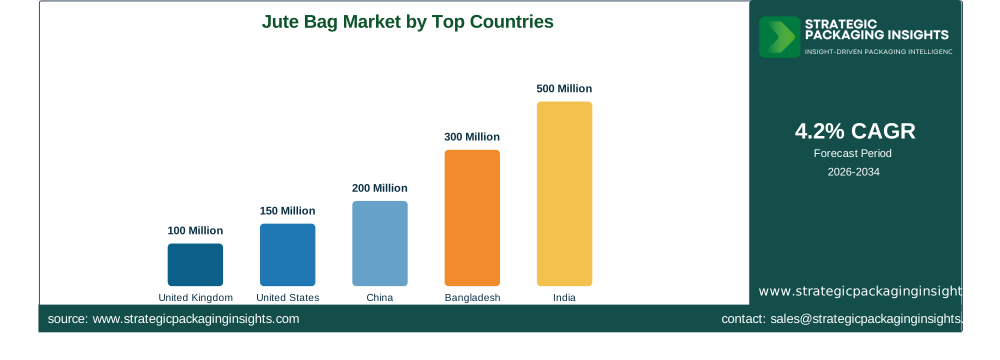
Bangladesh, another major player in the jute bag market, has a market size of around $300 million and a CAGR of 4%. The country's growth is supported by its strong jute cultivation industry and government policies promoting the use of natural fibers. Bangladesh is also a major exporter of jute bags, catering to the growing demand for eco-friendly products in international markets.
China, with a market size of $200 million and a CAGR of 3%, is witnessing growth in the jute bag market due to increasing consumer awareness about environmental sustainability and the rising demand for eco-friendly packaging solutions. The country's expanding e-commerce sector is also driving the demand for jute bags as online retailers seek sustainable packaging options.
The United States, with a market size of $150 million and a CAGR of 2%, is experiencing growth in the jute bag market due to the increasing adoption of sustainable products and the growing demand for eco-friendly packaging solutions. The country's retail sector is witnessing a shift towards sustainable shopping practices, driving the demand for jute bags.
The United Kingdom, with a market size of $100 million and a CAGR of 2%, is seeing growth in the jute bag market due to increasing consumer awareness about environmental sustainability and government initiatives promoting the use of natural fibers. The country's retail sector is also witnessing a surge in demand for sustainable packaging solutions, contributing to market growth.
Jute Bag Market Segments Insights

By Product Type Analysis
The jute bag market is segmented by product type into shopping jute bags, promotional jute bags, and agricultural jute sacks. Shopping jute bags are witnessing significant demand due to their eco-friendly nature and durability, making them a popular choice among environmentally conscious consumers. Promotional jute bags are also gaining traction as businesses seek sustainable options for brand promotion and marketing. Agricultural jute sacks, known for their strength and cost-effectiveness, are widely used in the agriculture sector for packaging food grains and other products.

The demand for shopping jute bags is driven by the increasing consumer preference for sustainable shopping practices and the ban on single-use plastics in several regions. Promotional jute bags are benefiting from the growing trend of eco-friendly marketing, with companies opting for sustainable materials to enhance their brand image. Agricultural jute sacks are witnessing growth due to their durability and cost-effectiveness, making them a preferred choice for packaging agricultural products. The market is expected to witness innovations in jute bag designs and the development of blended jute materials to enhance product appeal and functionality.
By Application Analysis
The jute bag market is segmented by application into retail, agriculture, gifting, and food grains. The retail sector is witnessing a surge in demand for jute bags as consumers shift towards sustainable shopping practices. The agriculture sector is also contributing to market growth, with jute sacks being used for packaging food grains and other agricultural products due to their durability and cost-effectiveness. The gifting segment offers potential growth opportunities, as jute bags are being increasingly used for packaging gifts, especially during festive seasons.
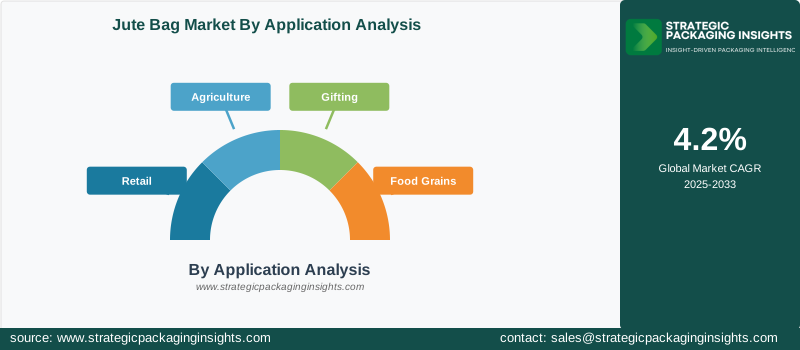
The demand for jute bags in the retail sector is driven by the increasing consumer preference for sustainable shopping practices and the ban on single-use plastics in several regions. The agriculture sector is witnessing growth due to the durability and cost-effectiveness of jute sacks, making them a preferred choice for packaging agricultural products. The gifting segment is benefiting from the growing trend of eco-friendly packaging, with consumers opting for sustainable materials to enhance the appeal of their gifts. The market is expected to witness innovations in jute bag designs and the development of blended jute materials to enhance product appeal and functionality.
By Material Type Analysis
The jute bag market is segmented by material type into natural jute, blended jute, and laminated jute. Natural jute bags are witnessing significant demand due to their eco-friendly nature and biodegradability, making them a popular choice among environmentally conscious consumers. Blended jute bags, which combine jute with other materials, are gaining traction as they offer enhanced durability and functionality. Laminated jute bags, known for their water-resistant properties, are widely used in the retail and agriculture sectors.

The demand for natural jute bags is driven by the increasing consumer preference for sustainable products and the ban on single-use plastics in several regions. Blended jute bags are benefiting from the growing trend of product innovation, with companies exploring new materials to enhance the appeal and functionality of jute bags. Laminated jute bags are witnessing growth due to their water-resistant properties, making them a preferred choice for packaging products in the retail and agriculture sectors. The market is expected to witness further innovations in jute bag designs and the development of new materials to enhance product appeal and functionality.
By End Use Analysis
The jute bag market is segmented by end use into retailers, consumers, agriculture, and exporters. Retailers are witnessing a surge in demand for jute bags as consumers shift towards sustainable shopping practices. Consumers are also contributing to market growth, with jute bags being increasingly used for everyday shopping and gifting purposes. The agriculture sector is witnessing growth due to the durability and cost-effectiveness of jute sacks, making them a preferred choice for packaging agricultural products. Exporters are also contributing to market growth, with jute bags being used for packaging products for international markets.

The demand for jute bags among retailers is driven by the increasing consumer preference for sustainable shopping practices and the ban on single-use plastics in several regions. Consumers are opting for jute bags due to their eco-friendly nature and durability, making them a popular choice for everyday shopping and gifting purposes. The agriculture sector is witnessing growth due to the durability and cost-effectiveness of jute sacks, making them a preferred choice for packaging agricultural products. Exporters are benefiting from the growing demand for eco-friendly packaging solutions in international markets, driving the demand for jute bags. The market is expected to witness further innovations in jute bag designs and the development of new materials to enhance product appeal and functionality.
Jute Bag Market Segments
The Jute Bag market has been segmented on the basis ofBy Product Type
- Shopping Jute Bags
- Promotional Jute Bags
- Agricultural Jute Sacks
By Application
- Retail
- Agriculture
- Gifting
- Food Grains
By Material Type
- Natural Jute
- Blended Jute
- Laminated Jute
By End Use
- Retailers
- Consumers
- Agriculture
- Exporters
Region
- Asia Pacific
- North America
- Latin America
- Europe
- Middle East & Africa




