


Intermediate Bulk Container (IBC) Liner Market Outlook
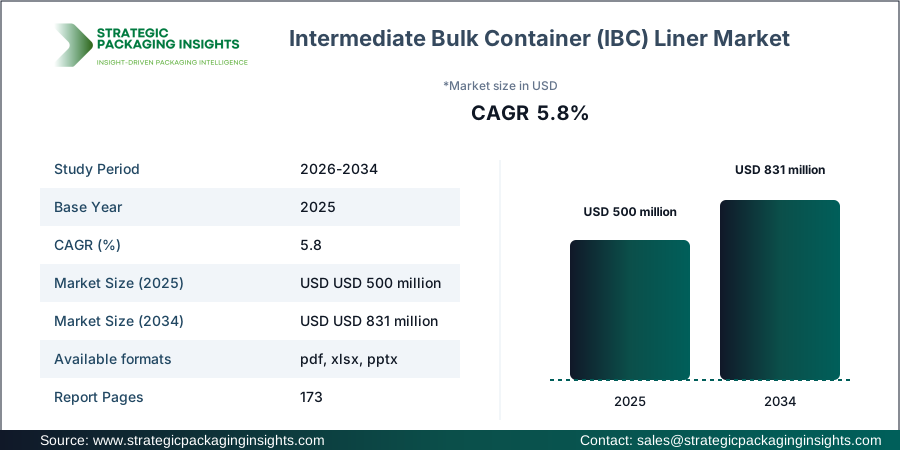
The Intermediate Bulk Container (IBC) Liner market size was valued at USD 500 million in 2025 and is anticipated to reach USD 831 million by 2034, growing at a CAGR of 5.80% during the forecast period according to Strategic Packaging Insights. The market is witnessing robust growth driven by the increasing demand for efficient and safe packaging solutions across various industries. Companies like CDF Corporation and ILC Dover (Ingersoll Rand) are at the forefront, innovating with advanced materials and designs to meet the evolving needs of sectors such as food ingredients, chemicals, and pharmaceuticals. The versatility and cost-effectiveness of IBC liners make them a preferred choice for bulk transportation and storage, further propelling market expansion.
One of the most impactful drivers of the IBC Liner market is the growing emphasis on sustainability and eco-friendly packaging solutions. As industries strive to reduce their environmental footprint, the demand for recyclable and reusable packaging materials has surged. According to recent government initiatives and environmental regulations, there is a significant push towards adopting sustainable practices in packaging. This trend is encouraging manufacturers like Sealed Air and Qbig to develop liners that not only meet safety and quality standards but also align with environmental goals. The integration of eco-friendly materials and innovative designs is expected to enhance the market's growth trajectory, offering lucrative opportunities for stakeholders.
Report Scope
| Attributes | Details |
| Report Title | Intermediate Bulk Container (IBC) Liner Market Size, Future Growth and Forecast 2034 |
| By Material | LDPE / LLDPE, EVOH Barrier Liners, Aluminum Foil Laminates, Anti-Static Liners |
| By Type | Form-Fit Liners, Pillow / Flat Liners, Aseptic Liners with Fitments |
| By Capacity | Up to 500 L, 500-1,000 L, Above 1,000 L |
| By End Use | Food Ingredients & Liquids, Chemicals, Pharmaceuticals, Cosmetics Bases, Lubricants |
| By Region | North America (U.S., Canada, Mexico), Europe (Germany, UK, France, Italy, Spain, Rest of Europe), Asia Pacific (China, India, Japan, South Korea, Australia, Rest of Asia Pacific), Latin America (Brazil, Argentina, Rest of Latin America), Middle East & Africa (GCC Countries, South Africa, Rest of MEA) |
| Base Year | 2025 |
| Historic Period | 2018-2024 |
| Forecast Period | 2026-2034 |
| Number of Pages | 173 |
| Customization Available | Yes* |
Sustainability & Circular Economy Analysis
Sustainability initiatives and circular economy practices are reshaping the packaging market, with a strong focus on reducing waste and promoting the use of recyclable materials. In the IBC Liner market, companies are increasingly adopting eco-friendly material innovations to meet consumer sustainability preferences. The use of lightweight packaging and recyclable materials is becoming a standard practice, driven by the need to minimize carbon footprints and comply with stringent packaging regulations. Extended Producer Responsibility (EPR) is also gaining traction, compelling manufacturers to take responsibility for the entire lifecycle of their products, including post-consumer waste management.
These sustainability trends are influencing packaging design and manufacturing processes, encouraging investment in research and development to create more efficient and environmentally friendly solutions. Companies are prioritizing waste reduction strategies and ESG initiatives to enhance their market competitiveness and align with global sustainability goals. As a result, the supply chain strategies are evolving, with a greater emphasis on sourcing sustainable raw materials and optimizing logistics to reduce environmental impact. This shift towards sustainability is not only a regulatory compliance requirement but also a strategic move to attract environmentally conscious consumers and investors.
In the long term, the integration of circular economy principles is expected to drive innovation and growth in the IBC Liner market. By focusing on sustainable practices, companies can enhance their brand reputation and gain a competitive edge in the market. The adoption of eco-friendly packaging solutions is likely to influence investment decisions, as stakeholders increasingly prioritize sustainability in their business strategies. This trend underscores the importance of regulatory compliance and the need for continuous improvement in packaging technologies to meet the evolving demands of the market.
Packaging Value Chain & Supply Chain Analysis
The packaging value chain for IBC Liners involves a complex ecosystem of raw material sourcing, manufacturing, and distribution. Raw material availability plays a crucial role in determining the efficiency and cost-effectiveness of the supply chain. Packaging converters and manufacturers are focusing on securing reliable sources of high-quality materials to ensure consistent production capabilities. Strategic partnerships with suppliers and logistics providers are essential to streamline operations and enhance supply chain resilience. Companies like Palamatic and Composite Containers are leveraging their expertise in packaging machinery and logistics to optimize the distribution channels and meet the growing demand for IBC Liners.
Supply chain efficiency is a critical factor influencing the overall market performance and business competitiveness. Efficient inventory management and procurement strategies are essential to minimize costs and ensure timely delivery of products. The localization of supply chains is becoming increasingly important, as companies seek to reduce transportation costs and mitigate risks associated with global sourcing. By establishing local manufacturing facilities and distribution networks, companies can enhance their responsiveness to market demands and improve customer satisfaction.
Recycling networks are also an integral part of the packaging value chain, as companies strive to meet sustainability goals and comply with environmental regulations. The integration of recycling processes into the supply chain not only reduces waste but also creates opportunities for cost savings and resource optimization. As the demand for sustainable packaging solutions continues to grow, companies are investing in advanced recycling technologies and collaborating with stakeholders across the value chain to promote circular economy practices. This holistic approach to supply chain management is essential for maintaining long-term market competitiveness and achieving sustainable growth.
Opportunities & Threats
The Intermediate Bulk Container (IBC) Liner market presents numerous opportunities for growth, driven by the increasing demand for efficient and sustainable packaging solutions. One of the key opportunities lies in the expansion of the food and beverage industry, where the need for safe and hygienic packaging is paramount. The growing trend of globalization and international trade is also creating opportunities for IBC Liners, as they offer a cost-effective solution for bulk transportation and storage. Companies can capitalize on these opportunities by developing innovative products that meet the specific needs of different industries, such as pharmaceuticals and chemicals.
Another significant opportunity in the IBC Liner market is the rising demand for eco-friendly and recyclable packaging materials. As consumers become more environmentally conscious, there is a growing preference for sustainable packaging solutions. This trend is encouraging manufacturers to invest in research and development to create liners that are not only functional but also environmentally friendly. By adopting sustainable practices and leveraging advanced technologies, companies can enhance their market position and attract environmentally conscious consumers and investors.
However, the market also faces certain threats that could hinder its growth. One of the primary challenges is the volatility in raw material prices, which can impact the cost of production and affect profit margins. Additionally, stringent environmental regulations and compliance requirements pose a threat to manufacturers, as they need to invest in sustainable practices and technologies to meet these standards. The competitive landscape is also becoming increasingly challenging, with new entrants and existing players vying for market share. Companies need to continuously innovate and differentiate their products to stay ahead in the market.
Drivers & Challenges
The IBC Liner market is driven by several key factors, including the increasing demand for efficient and cost-effective packaging solutions. The versatility and durability of IBC Liners make them an ideal choice for various industries, such as food and beverages, chemicals, and pharmaceuticals. The growing trend of globalization and international trade is also driving the demand for bulk packaging solutions, as companies seek to optimize their supply chains and reduce transportation costs. Additionally, the emphasis on sustainability and eco-friendly packaging is a significant driver, as consumers and businesses alike prioritize environmentally conscious practices.
Technological advancements in packaging materials and manufacturing processes are also driving the growth of the IBC Liner market. Companies are investing in research and development to create innovative products that meet the evolving needs of different industries. The integration of advanced technologies, such as smart packaging and IoT-enabled solutions, is enhancing the functionality and efficiency of IBC Liners. These innovations are not only improving product performance but also providing companies with a competitive edge in the market.
Despite the positive growth drivers, the IBC Liner market faces several challenges that could impact its expansion. One of the primary challenges is the volatility in raw material prices, which can affect production costs and profit margins. Additionally, the market is subject to stringent environmental regulations and compliance requirements, which necessitate significant investments in sustainable practices and technologies. The competitive landscape is also becoming increasingly challenging, with new entrants and existing players vying for market share. Companies need to continuously innovate and differentiate their products to stay ahead in the market.
Market Share Analysis
The competitive landscape of the Intermediate Bulk Container (IBC) Liner market is characterized by the presence of several key players, each striving to enhance their market position through innovation and strategic partnerships. Companies like CDF Corporation and ILC Dover (Ingersoll Rand) are leading the market with their advanced product offerings and strong distribution networks. These companies are focusing on expanding their product portfolios and enhancing their manufacturing capabilities to meet the growing demand for IBC Liners across various industries.
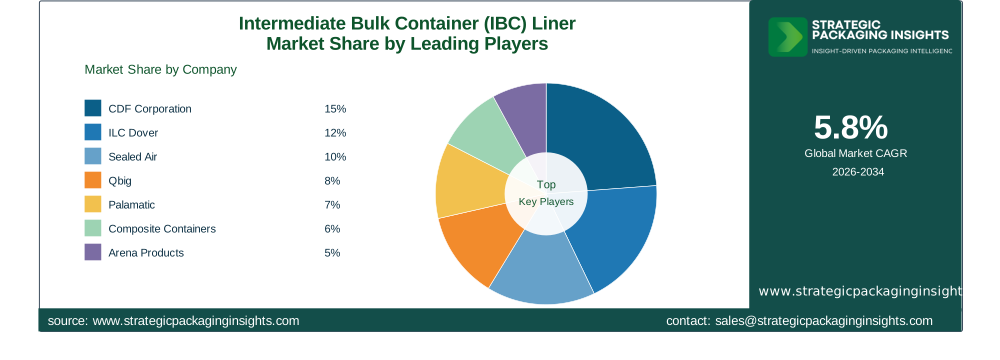
Sealed Air, known for its innovative packaging solutions, is also a prominent player in the IBC Liner market. The company is leveraging its expertise in material science and engineering to develop high-performance liners that meet the specific needs of different industries. Qbig and Palamatic are also making significant contributions to the market, with their focus on sustainable packaging solutions and advanced manufacturing technologies. These companies are investing in research and development to create eco-friendly products that align with global sustainability goals.
Composite Containers and Arena Products are also key players in the market, known for their innovative designs and high-quality products. These companies are focusing on enhancing their production capabilities and expanding their distribution networks to cater to the growing demand for IBC Liners. Peak Packaging and Brambles ecosystem are also contributing to the market's growth, with their emphasis on sustainability and efficient supply chain management. These companies are leveraging their expertise in logistics and distribution to optimize their operations and enhance customer satisfaction.
The market is also witnessing the entry of new players, who are bringing innovative products and solutions to the market. These new entrants are focusing on niche segments and leveraging advanced technologies to differentiate their offerings. The competitive landscape is expected to intensify in the coming years, with companies vying for market share through product innovation, strategic partnerships, and mergers and acquisitions. The focus on sustainability and eco-friendly packaging solutions is likely to be a key differentiator for companies in the IBC Liner market.
Key Highlights
- Market Size: USD 500 million in 2025, projected to reach USD 831 million by 2034.
- Growth Rate: CAGR of 5.80% during the forecast period.
- Leading Companies: CDF Corporation, ILC Dover (Ingersoll Rand), Sealed Air, Qbig, Palamatic.
- Material Innovation: Focus on eco-friendly and recyclable materials.
- Regional Growth: Asia Pacific is expected to witness significant growth.
- End-Use Industries: Food ingredients, chemicals, pharmaceuticals, cosmetics, lubricants.
- Sustainability Trends: Emphasis on reducing carbon footprint and waste.
Intermediate Bulk Container (IBC) Liner Market Segments Insights

By Material Analysis
The material segment of the Intermediate Bulk Container (IBC) Liner market is crucial, as it determines the liner's performance and suitability for various applications. LDPE/LLDPE liners are widely used due to their flexibility, durability, and cost-effectiveness. These materials offer excellent resistance to chemicals and moisture, making them ideal for transporting and storing a wide range of products. EVOH Barrier Liners are gaining popularity for their superior barrier properties, which protect contents from oxygen and moisture, extending shelf life and maintaining product quality. Aluminum Foil Laminates are preferred for their high barrier properties and ability to withstand extreme temperatures, making them suitable for sensitive products.
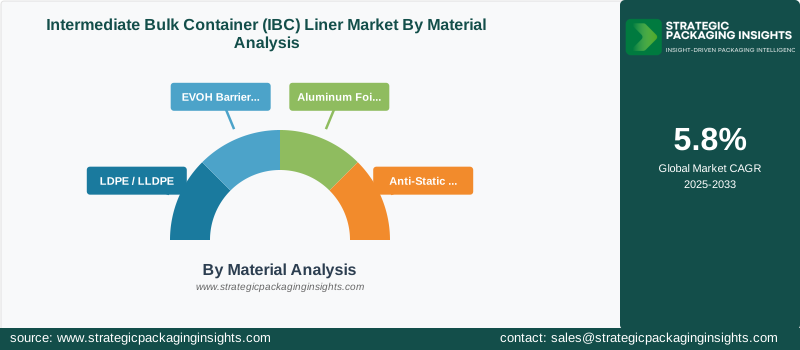
Anti-Static Liners are essential for industries dealing with flammable or explosive materials, as they prevent static electricity buildup and reduce the risk of ignition. The demand for these specialized liners is increasing, driven by the need for safe and reliable packaging solutions in the chemical and pharmaceutical industries. Companies are investing in research and development to enhance the performance of these materials and meet the evolving needs of different industries. The focus on sustainability is also influencing material choices, with manufacturers exploring eco-friendly alternatives and recyclable materials to align with environmental goals.
By Type Analysis
The type segment of the IBC Liner market includes Form-Fit Liners, Pillow/Flat Liners, and Aseptic Liners with Fitments. Form-Fit Liners are designed to conform to the shape of the container, maximizing space utilization and reducing product waste. These liners are ideal for transporting liquids and viscous products, as they minimize the risk of spillage and contamination. Pillow/Flat Liners are versatile and easy to install, making them a popular choice for various applications. They offer excellent protection against moisture and contaminants, ensuring the safe transportation and storage of products.
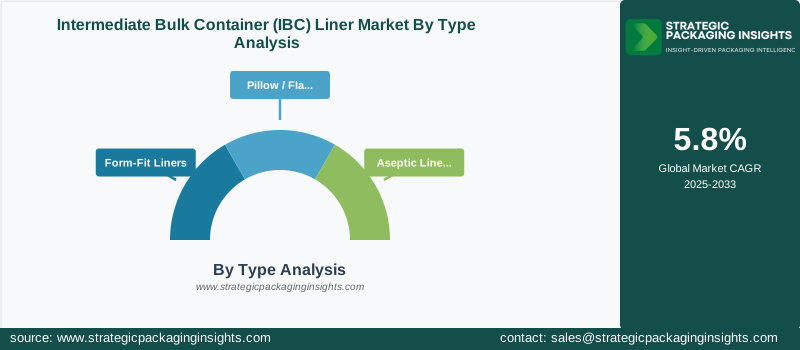
Aseptic Liners with Fitments are specifically designed for the food and beverage industry, where maintaining product sterility is crucial. These liners are equipped with specialized fitments that allow for easy filling and dispensing, reducing the risk of contamination. The demand for aseptic liners is increasing, driven by the growing need for safe and hygienic packaging solutions in the food and beverage industry. Companies are focusing on developing innovative designs and materials to enhance the performance of these liners and meet the stringent quality standards of the industry.
By Capacity Analysis
The capacity segment of the IBC Liner market is categorized into Up to 500 L, 500-1, 000 L, and Above 1, 000 L. Liners with a capacity of up to 500 L are commonly used for small-scale applications, where flexibility and ease of handling are essential. These liners are ideal for transporting and storing small quantities of products, offering a cost-effective solution for businesses with limited storage space. Liners with a capacity of 500-1, 000 L are suitable for medium-scale applications, providing a balance between capacity and ease of handling.
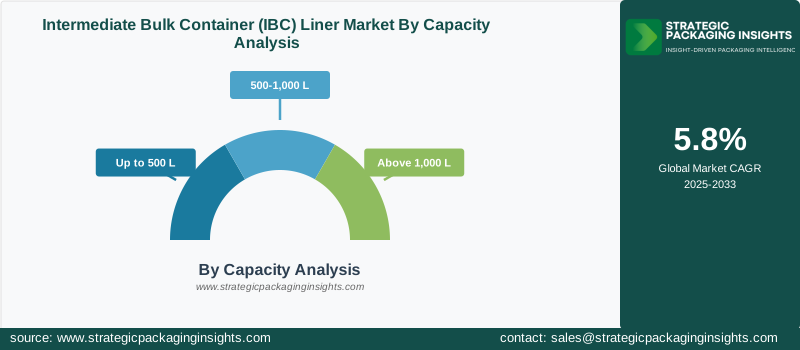
Liners with a capacity of above 1, 000 L are designed for large-scale applications, where maximizing storage space and minimizing transportation costs are crucial. These liners are commonly used in industries such as chemicals and pharmaceuticals, where bulk transportation and storage are essential. The demand for large-capacity liners is increasing, driven by the growing trend of globalization and international trade. Companies are focusing on developing durable and reliable liners that can withstand the rigors of long-distance transportation and ensure the safe delivery of products.
By End Use Analysis
The end-use segment of the IBC Liner market includes Food Ingredients & Liquids, Chemicals, Pharmaceuticals, Cosmetics Bases, and Lubricants. The food ingredients and liquids segment is a major driver of the market, as the demand for safe and hygienic packaging solutions continues to grow. IBC Liners offer an efficient and cost-effective solution for transporting and storing food products, ensuring product safety and quality. The chemicals segment is also a significant contributor to the market, as the need for safe and reliable packaging solutions for hazardous materials increases.
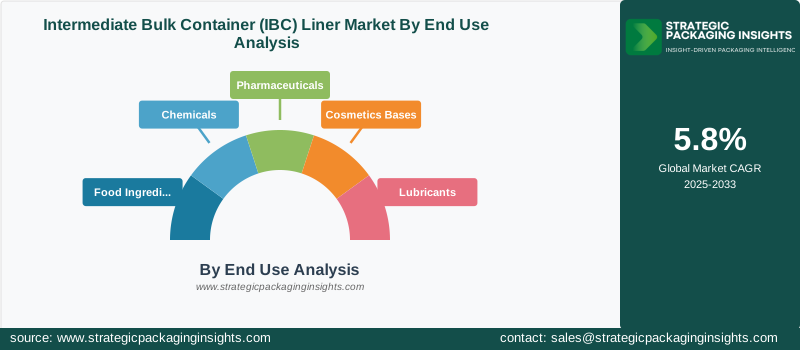
The pharmaceuticals segment is witnessing robust growth, driven by the increasing demand for safe and sterile packaging solutions. IBC Liners are ideal for transporting and storing pharmaceutical products, as they offer excellent protection against contamination and ensure product integrity. The cosmetics bases segment is also experiencing growth, as the demand for bulk packaging solutions for cosmetic products increases. The lubricants segment is benefiting from the growing demand for efficient and cost-effective packaging solutions for industrial applications.
Intermediate Bulk Container (IBC) Liner Market Segments
The Intermediate Bulk Container (IBC) Liner market has been segmented on the basis ofBy Material
- LDPE / LLDPE
- EVOH Barrier Liners
- Aluminum Foil Laminates
- Anti-Static Liners
By Type
- Form-Fit Liners
- Pillow / Flat Liners
- Aseptic Liners with Fitments
By Capacity
- Up to 500 L
- 500-1,000 L
- Above 1,000 L
By End Use
- Food Ingredients & Liquids
- Chemicals
- Pharmaceuticals
- Cosmetics Bases
- Lubricants
By Region
- North America (U.S., Canada, Mexico)
- Europe (Germany, UK, France, Italy, Spain, Rest of Europe)
- Asia Pacific (China, India, Japan, South Korea, Australia, Rest of Asia Pacific)
- Latin America (Brazil, Argentina, Rest of Latin America)
- Middle East & Africa (GCC Countries, South Africa, Rest of MEA)




