


Interior Packaging Market Outlook
The interior packaging market was valued at $26.81 billion in 2025 and is projected to reach $51.56 billion by 2034, growing at a CAGR of 7.5% during the forecast period 2026-2034. This market is witnessing significant growth due to the increasing demand for protective and sustainable packaging solutions across various industries. The rise in e-commerce and the need for safe transportation of goods have further fueled the demand for interior packaging. Companies are increasingly focusing on innovative packaging solutions that not only protect the product but also enhance the unboxing experience for consumers. The market is also driven by advancements in material technology, which have led to the development of lightweight and durable packaging materials.
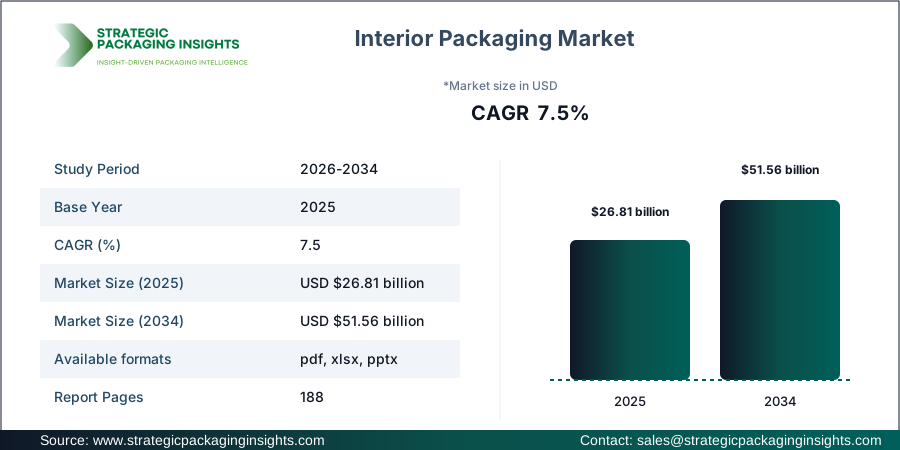
However, the market faces challenges such as stringent environmental regulations and the high cost of raw materials. The shift towards eco-friendly packaging solutions is both a challenge and an opportunity for market players. Companies are investing in research and development to create biodegradable and recyclable packaging materials to meet regulatory requirements and consumer preferences. Despite these challenges, the interior packaging market holds significant growth potential, driven by the increasing demand for customized packaging solutions and the expansion of the e-commerce sector.
Report Scope
| Attributes | Details |
| Report Title | Interior Packaging Market Size, Future Growth and Forecast 2034 |
| Product Type | Protective Inserts, Molded Pulp, Foam Packaging, Dividers |
| Material Type | Paperboard, Molded Fiber, Foam, Plastic |
| Application | Electronics, Appliances, Cosmetics, E-commerce |
| End Use | Consumer Goods, Logistics, Retail, Industrial Packaging |
| Region | Asia Pacific, North America, Latin America, Europe, Middle East & Africa |
| Base Year | 2025 |
| Historic Period | 2018-2024 |
| Forecast Period | 2026-2034 |
| Number of Pages | 188 |
| Customization Available | Yes* |
Opportunities & Threats
The interior packaging market presents numerous opportunities, particularly in the realm of sustainable packaging solutions. As consumers become more environmentally conscious, there is a growing demand for packaging materials that are biodegradable, recyclable, and made from renewable resources. This shift in consumer preference is encouraging companies to innovate and develop eco-friendly packaging solutions, which not only reduce environmental impact but also enhance brand image. Additionally, the rise of e-commerce has created a significant opportunity for interior packaging manufacturers to provide solutions that ensure the safe and secure delivery of products, thereby reducing return rates and enhancing customer satisfaction.
Another opportunity lies in the customization of packaging solutions. With the increasing emphasis on brand differentiation, companies are seeking unique packaging designs that reflect their brand identity and enhance the consumer experience. This trend is driving the demand for customized interior packaging solutions that cater to specific product requirements and consumer preferences. Furthermore, advancements in technology, such as 3D printing and smart packaging, are opening new avenues for innovation in the interior packaging market, allowing companies to offer more personalized and interactive packaging solutions.
Despite the opportunities, the interior packaging market faces several threats, including the volatility of raw material prices and the stringent regulatory environment. The cost of raw materials, such as paperboard and plastics, can fluctuate significantly, impacting the profitability of packaging manufacturers. Additionally, the increasing focus on sustainability has led to stricter regulations regarding packaging waste and recyclability, posing a challenge for companies that rely on traditional packaging materials. To mitigate these threats, companies need to invest in sustainable practices and explore alternative materials that comply with regulatory standards while meeting consumer demands.
Drivers & Challenges
The interior packaging market is primarily driven by the growth of the e-commerce sector, which has significantly increased the demand for protective packaging solutions. As online shopping continues to rise, there is a growing need for packaging that ensures the safe transportation of products, particularly fragile and high-value items. This has led to an increased focus on developing innovative packaging solutions that provide enhanced protection and reduce the risk of damage during transit. Additionally, the trend towards premium and luxury packaging is driving the demand for high-quality interior packaging solutions that enhance the overall consumer experience.
Another key driver of the interior packaging market is the increasing emphasis on sustainability. Consumers are becoming more environmentally conscious and are demanding packaging solutions that are eco-friendly and reduce environmental impact. This has prompted companies to invest in sustainable packaging materials and technologies, such as biodegradable plastics and recycled paperboard, to meet consumer expectations and regulatory requirements. The shift towards sustainable packaging is not only driven by consumer demand but also by the need to comply with stringent environmental regulations, which are becoming increasingly prevalent across the globe.
However, the interior packaging market faces several challenges, including the high cost of raw materials and the complexity of the supply chain. The volatility of raw material prices can significantly impact the profitability of packaging manufacturers, making it challenging to maintain competitive pricing. Additionally, the complexity of the supply chain, particularly in the e-commerce sector, can pose logistical challenges for packaging manufacturers, who need to ensure timely delivery and efficient distribution of their products. To overcome these challenges, companies need to focus on optimizing their supply chain operations and exploring cost-effective raw material alternatives.
Market Share Analysis
The interior packaging market is characterized by a highly competitive landscape, with several key players vying for market share. Companies such as Sealed Air, Sonoco Products Company, and UFP Technologies are leading the market with their innovative packaging solutions and strong distribution networks. These companies have a significant presence in the market and are continuously investing in research and development to enhance their product offerings and maintain their competitive edge. The market is also witnessing the entry of new players, who are leveraging advanced technologies and sustainable practices to gain a foothold in the industry.
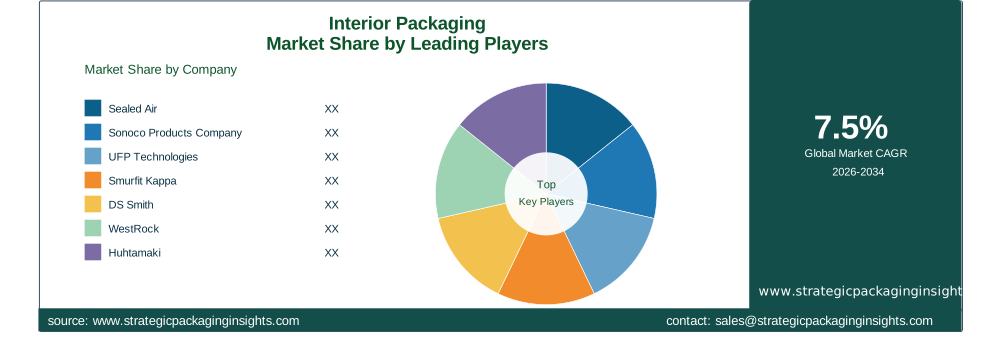
Sealed Air is a prominent player in the interior packaging market, known for its innovative packaging solutions that cater to a wide range of industries. The company has a strong focus on sustainability and is committed to reducing its environmental impact through the development of eco-friendly packaging materials. Sonoco Products Company is another key player, offering a diverse portfolio of packaging solutions that include protective packaging, molded pulp, and foam packaging. The company has a strong global presence and is continuously expanding its product offerings to meet the evolving needs of its customers.
UFP Technologies is a leading provider of custom-engineered packaging solutions, specializing in protective packaging for electronics, medical devices, and consumer goods. The company is known for its innovative approach to packaging design and its commitment to sustainability. Smurfit Kappa is a global leader in paper-based packaging solutions, offering a wide range of interior packaging products that are both sustainable and cost-effective. The company has a strong focus on innovation and is continuously investing in research and development to enhance its product offerings and meet the growing demand for eco-friendly packaging solutions.
Other notable players in the interior packaging market include DS Smith, WestRock, Huhtamaki, Pregis, Ranpak, and Pactiv Evergreen. These companies are known for their strong market presence and their ability to offer a diverse range of packaging solutions that cater to various industries. They are continuously investing in research and development to enhance their product offerings and maintain their competitive edge in the market. The competitive landscape of the interior packaging market is expected to remain dynamic, with companies focusing on innovation and sustainability to gain a competitive advantage.
Key Highlights
- The interior packaging market is projected to grow at a CAGR of 7.5% from 2026 to 2034.
- Increasing demand for sustainable and eco-friendly packaging solutions is driving market growth.
- The rise of e-commerce is significantly boosting the demand for protective packaging solutions.
- Customization and innovation in packaging design are key trends in the market.
- Advancements in material technology are leading to the development of lightweight and durable packaging materials.
- Stringent environmental regulations are both a challenge and an opportunity for market players.
- Key players in the market include Sealed Air, Sonoco Products Company, and UFP Technologies.
Top Countries Insights
In the interior packaging market, the United States stands out as a leading country, with a market size of approximately $8 billion and a CAGR of 6%. The growth in the U.S. is driven by the robust e-commerce sector and the increasing demand for sustainable packaging solutions. The country has a well-established packaging industry, with key players investing in innovative technologies to enhance their product offerings. Additionally, the focus on reducing packaging waste and complying with environmental regulations is further propelling market growth.
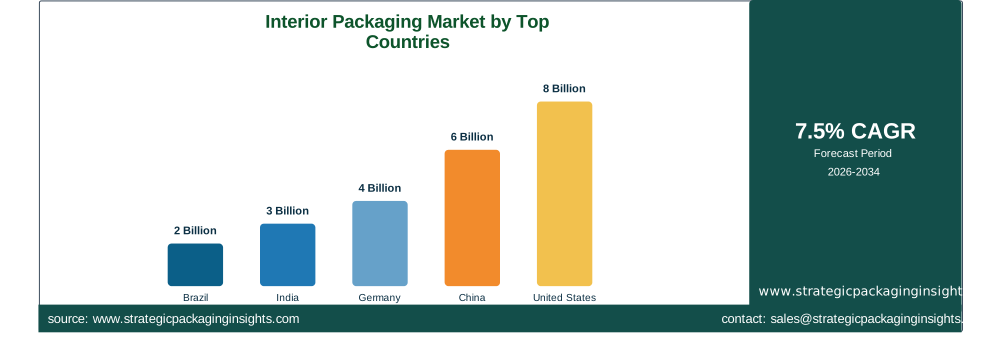
China is another significant player in the interior packaging market, with a market size of around $6 billion and a CAGR of 9%. The rapid growth of the e-commerce sector in China is a major driver of the market, as consumers increasingly rely on online shopping for a wide range of products. The demand for protective packaging solutions is high, and companies are focusing on developing eco-friendly materials to meet consumer preferences and regulatory requirements. The government's emphasis on sustainability and environmental protection is also contributing to market growth.
Germany, with a market size of approximately $4 billion and a CAGR of 5%, is a key market for interior packaging in Europe. The country's strong manufacturing sector and focus on sustainability are driving the demand for innovative packaging solutions. German companies are known for their emphasis on quality and efficiency, and they are investing in advanced technologies to enhance their packaging offerings. The stringent environmental regulations in Germany are also encouraging companies to adopt sustainable practices and materials.
India is emerging as a promising market for interior packaging, with a market size of about $3 billion and a CAGR of 10%. The growth in India is fueled by the expanding e-commerce sector and the increasing demand for consumer goods. The country's young and tech-savvy population is driving the demand for innovative and customized packaging solutions. Additionally, the government's initiatives to promote sustainable practices and reduce plastic waste are encouraging companies to invest in eco-friendly packaging materials.
Brazil, with a market size of approximately $2 billion and a CAGR of 7%, is a key market in Latin America. The growth in Brazil is driven by the increasing demand for consumer goods and the expansion of the e-commerce sector. The country's focus on sustainability and environmental protection is encouraging companies to develop innovative packaging solutions that reduce environmental impact. The growing middle class and rising disposable incomes are also contributing to the demand for high-quality packaging solutions.
Interior Packaging Market Segments Insights

Product Type Analysis
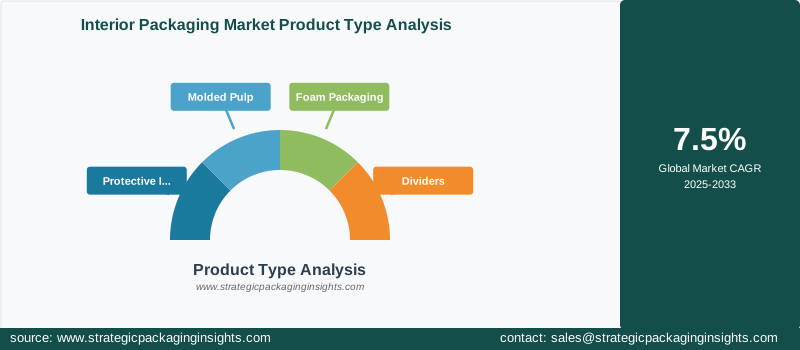
The interior packaging market is segmented by product type into protective inserts, molded pulp, foam packaging, and dividers. Protective inserts are gaining popularity due to their ability to provide enhanced protection for fragile and high-value items during transit. The demand for molded pulp is also on the rise, driven by its eco-friendly nature and versatility in packaging applications. Foam packaging continues to be a preferred choice for its cushioning properties and ability to absorb shocks, making it ideal for electronics and appliances. Dividers are widely used in logistics and retail to organize and protect products during transportation and storage.
Companies are focusing on developing innovative product types that cater to specific industry needs and consumer preferences. The trend towards customization is driving the demand for unique packaging solutions that enhance brand identity and consumer experience. Additionally, advancements in material technology are enabling the development of lightweight and durable product types that reduce shipping costs and environmental impact. The increasing emphasis on sustainability is also encouraging companies to explore biodegradable and recyclable materials for their product offerings.
Material Type Analysis
The interior packaging market is segmented by material type into paperboard, molded fiber, foam, and plastic. Paperboard is a popular choice due to its recyclability and versatility in packaging applications. Molded fiber is gaining traction for its eco-friendly properties and ability to provide excellent protection for a wide range of products. Foam materials are widely used for their cushioning properties and ability to absorb shocks, making them ideal for protecting delicate items. Plastic materials continue to be used for their durability and versatility, although there is a growing shift towards more sustainable alternatives.
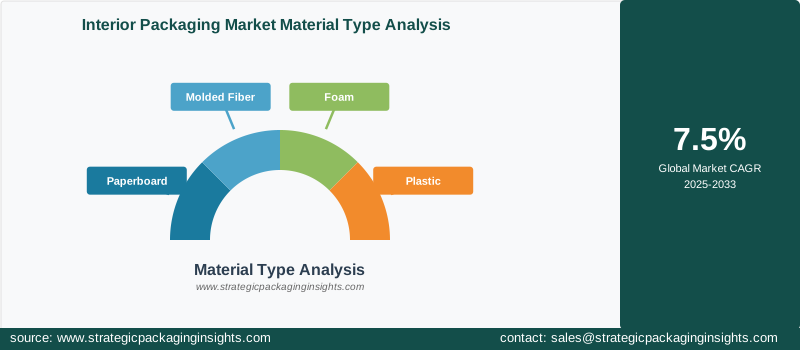
Companies are investing in research and development to create innovative material types that meet consumer demands for sustainability and performance. The trend towards eco-friendly packaging is driving the demand for biodegradable and recyclable materials, with companies exploring alternatives such as bioplastics and recycled paperboard. The focus on reducing environmental impact is also encouraging companies to develop lightweight materials that reduce shipping costs and carbon emissions. The increasing emphasis on sustainability is expected to drive further innovation in material types in the coming years.
Application Analysis
The interior packaging market is segmented by application into electronics, appliances, cosmetics, and e-commerce. The electronics segment is a major driver of the market, with the increasing demand for protective packaging solutions that ensure the safe transportation of high-value and fragile items. The appliances segment is also witnessing significant growth, driven by the need for packaging solutions that provide enhanced protection and reduce the risk of damage during transit. The cosmetics segment is benefiting from the trend towards premium and luxury packaging, with companies seeking unique designs that enhance brand identity and consumer experience.
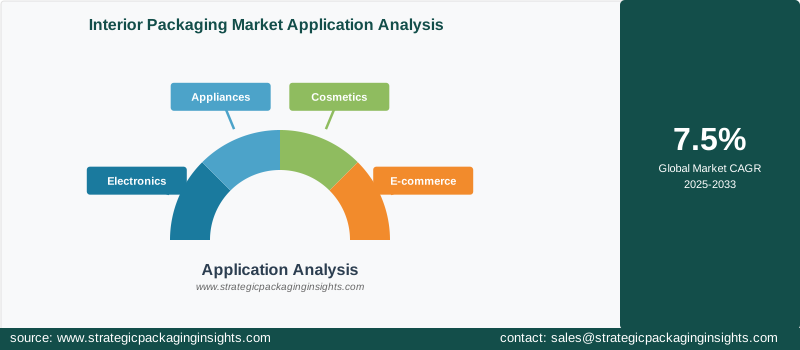
The e-commerce segment is a key growth driver for the interior packaging market, with the rise of online shopping creating a significant demand for protective packaging solutions. Companies are focusing on developing innovative packaging solutions that enhance the unboxing experience and reduce return rates. The trend towards customization is also driving the demand for unique packaging designs that cater to specific product requirements and consumer preferences. The increasing emphasis on sustainability is encouraging companies to explore eco-friendly packaging solutions for their e-commerce offerings.
End Use Analysis
The interior packaging market is segmented by end use into consumer goods, logistics, retail, and industrial packaging. The consumer goods segment is a major driver of the market, with the increasing demand for innovative and customized packaging solutions that enhance brand identity and consumer experience. The logistics segment is also witnessing significant growth, driven by the need for packaging solutions that ensure the safe and efficient transportation of goods. The retail segment is benefiting from the trend towards premium and luxury packaging, with companies seeking unique designs that enhance brand image and consumer appeal.
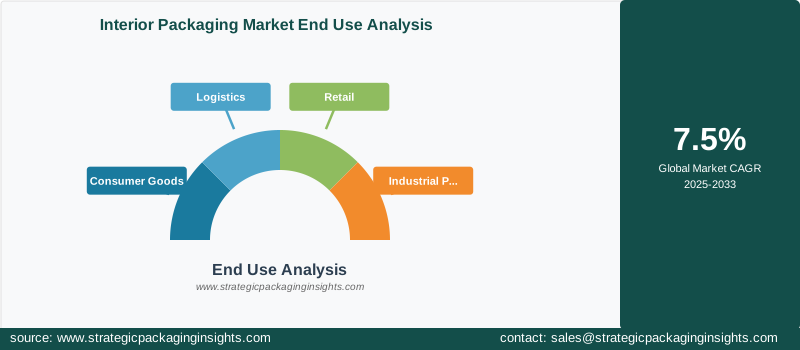
The industrial packaging segment is a key growth driver for the interior packaging market, with the increasing demand for durable and cost-effective packaging solutions that meet the needs of various industries. Companies are focusing on developing innovative packaging solutions that cater to specific industry requirements and reduce environmental impact. The trend towards sustainability is encouraging companies to explore eco-friendly materials and practices for their industrial packaging offerings. The increasing emphasis on reducing packaging waste and complying with environmental regulations is expected to drive further innovation in the end-use segment in the coming years.
Interior Packaging Market Segments
The Interior Packaging market has been segmented on the basis ofProduct Type
- Protective Inserts
- Molded Pulp
- Foam Packaging
- Dividers
Material Type
- Paperboard
- Molded Fiber
- Foam
- Plastic
Application
- Electronics
- Appliances
- Cosmetics
- E-commerce
End Use
- Consumer Goods
- Logistics
- Retail
- Industrial Packaging
Region
- Asia Pacific
- North America
- Latin America
- Europe
- Middle East & Africa




