


Insulation Paper Market Outlook
The insulation paper market was valued at $5.43 billion in 2025 and is projected to reach $8.86 billion by 2034, growing at a CAGR of 5.6% during the forecast period 2026-2034. This growth is driven by the increasing demand for energy-efficient solutions across various industries, including electrical, automotive, and industrial sectors. The rising adoption of renewable energy sources and the subsequent need for efficient energy storage and transmission systems are further propelling the market. Additionally, advancements in material science have led to the development of high-performance insulation papers, which are gaining traction in the market.
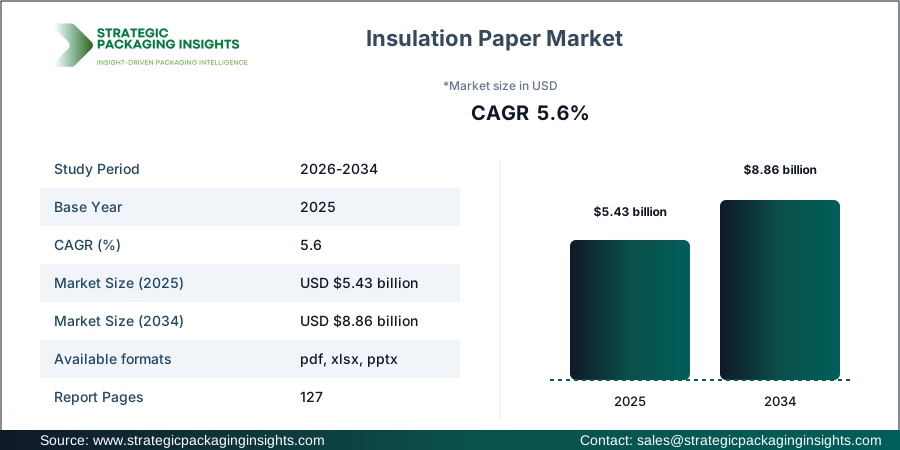
Despite the promising growth prospects, the insulation paper market faces certain challenges. Regulatory constraints related to environmental sustainability and the disposal of insulation materials pose significant hurdles. However, the market holds substantial growth potential, driven by the increasing focus on sustainable and eco-friendly insulation solutions. The development of biodegradable and recyclable insulation papers is expected to create new opportunities for market players. Furthermore, the growing emphasis on energy conservation and efficiency is likely to drive the demand for advanced insulation materials, thereby supporting market growth.
Report Scope
| Attributes | Details |
| Report Title | Insulation Paper Market Size, Future Growth and Forecast 2034 |
| By Product Type | Electrical Insulation Paper, Thermal Insulation Paper, Kraft Insulation Paper |
| By Application | Transformers, Cables, Motors, Batteries |
| By Material Type | Cellulose, Aramid, Kraft, Nomex |
| By End Use | Electrical, Energy, Industrial, Automotive |
| Region | Asia Pacific, North America, Latin America, Europe, Middle East & Africa |
| Base Year | 2025 |
| Historic Period | 2018-2024 |
| Forecast Period | 2026-2034 |
| Number of Pages | 127 |
| Customization Available | Yes* |
Opportunities & Threats
The insulation paper market presents numerous opportunities for growth, primarily driven by the increasing demand for energy-efficient solutions. As industries worldwide strive to reduce their carbon footprint and enhance energy efficiency, the demand for high-performance insulation materials is on the rise. This trend is particularly evident in the electrical and automotive sectors, where insulation papers play a crucial role in enhancing the efficiency and safety of electrical systems. Additionally, the growing adoption of renewable energy sources, such as wind and solar power, is creating new opportunities for insulation paper manufacturers, as these applications require efficient energy storage and transmission solutions.
Another significant opportunity lies in the development of eco-friendly and sustainable insulation papers. With increasing regulatory pressure to reduce environmental impact, manufacturers are focusing on developing biodegradable and recyclable insulation materials. This shift towards sustainable solutions is expected to open new avenues for growth in the insulation paper market. Furthermore, advancements in material science and technology are enabling the development of high-performance insulation papers with enhanced thermal and electrical properties, further driving market growth.
However, the insulation paper market is not without its challenges. One of the primary threats is the stringent regulatory environment concerning the disposal and recycling of insulation materials. Compliance with environmental regulations can be costly and time-consuming, posing a significant challenge for manufacturers. Additionally, the volatility in raw material prices can impact the profitability of insulation paper manufacturers. The market is also facing competition from alternative insulation materials, such as foams and fiberglass, which offer similar performance characteristics at competitive prices.
Drivers & Challenges
The insulation paper market is driven by several key factors, including the increasing demand for energy-efficient solutions and the growing adoption of renewable energy sources. As industries worldwide focus on reducing their carbon footprint and enhancing energy efficiency, the demand for high-performance insulation materials is on the rise. Insulation papers play a crucial role in enhancing the efficiency and safety of electrical systems, particularly in the electrical and automotive sectors. Additionally, the growing emphasis on energy conservation and efficiency is driving the demand for advanced insulation materials, further supporting market growth.
Another significant driver is the advancements in material science and technology, which are enabling the development of high-performance insulation papers with enhanced thermal and electrical properties. These advancements are allowing manufacturers to offer insulation papers that meet the stringent performance requirements of modern applications, thereby driving market growth. Furthermore, the increasing focus on sustainable and eco-friendly insulation solutions is creating new opportunities for market players, as manufacturers develop biodegradable and recyclable insulation papers to meet regulatory requirements and consumer demand.
Despite the promising growth prospects, the insulation paper market faces several challenges. One of the primary challenges is the stringent regulatory environment concerning the disposal and recycling of insulation materials. Compliance with environmental regulations can be costly and time-consuming, posing a significant challenge for manufacturers. Additionally, the volatility in raw material prices can impact the profitability of insulation paper manufacturers. The market is also facing competition from alternative insulation materials, such as foams and fiberglass, which offer similar performance characteristics at competitive prices. These challenges highlight the need for manufacturers to innovate and develop cost-effective, sustainable solutions to maintain their competitive edge in the market.
Market Share Analysis
The insulation paper market is characterized by a competitive landscape with several key players vying for market share. Companies such as DuPont, 3M, Ahlstrom, Weidmann, Von Roll, Hitachi Energy, Nitto Denko, Cottrell Paper, Delfort, and Nordic Paper are some of the prominent players in the market. These companies are focusing on product innovation, strategic partnerships, and mergers and acquisitions to strengthen their market position and expand their product offerings. The competitive landscape is further intensified by the presence of regional players who are leveraging their local market knowledge and expertise to gain a competitive edge.
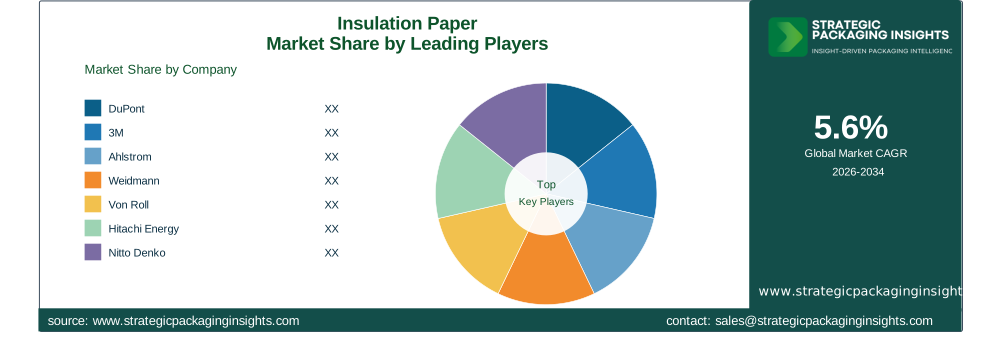
DuPont is a leading player in the insulation paper market, known for its innovative product offerings and strong focus on research and development. The company has a significant market share and is continuously investing in new technologies to enhance its product portfolio. Similarly, 3M is another major player, renowned for its high-performance insulation materials and strong global presence. The company's extensive distribution network and focus on sustainability have helped it maintain a competitive position in the market.
Ahlstrom and Weidmann are also key players in the insulation paper market, known for their high-quality products and strong customer relationships. These companies are focusing on expanding their product offerings and enhancing their production capabilities to meet the growing demand for insulation papers. Von Roll and Hitachi Energy are other notable players, with a strong focus on innovation and sustainability. These companies are investing in research and development to develop advanced insulation materials that meet the evolving needs of the market.
Nitto Denko, Cottrell Paper, Delfort, and Nordic Paper are also significant players in the insulation paper market, known for their diverse product portfolios and strong market presence. These companies are focusing on strategic partnerships and collaborations to expand their market reach and enhance their product offerings. The competitive landscape of the insulation paper market is characterized by continuous innovation and strategic initiatives by key players to maintain their market position and capitalize on emerging opportunities.
Key Highlights
- The insulation paper market is projected to grow from $5.43 billion in 2025 to $8.86 billion by 2034, at a CAGR of 5.6%.
- Key drivers include the increasing demand for energy-efficient solutions and the growing adoption of renewable energy sources.
- Challenges include stringent regulatory requirements and competition from alternative insulation materials.
- Opportunities lie in the development of eco-friendly and sustainable insulation papers.
- DuPont, 3M, Ahlstrom, and Weidmann are some of the key players in the market.
- Advancements in material science are enabling the development of high-performance insulation papers.
- The market is characterized by a competitive landscape with several key players vying for market share.
Top Countries Insights
In the insulation paper market, the United States stands out as a key player, with a market size of approximately $1.2 billion and a CAGR of 4%. The country's strong focus on energy efficiency and the adoption of renewable energy sources are driving the demand for insulation papers. Government initiatives promoting energy conservation and the development of sustainable infrastructure are further supporting market growth. However, the market faces challenges related to stringent environmental regulations and the need for sustainable disposal solutions.
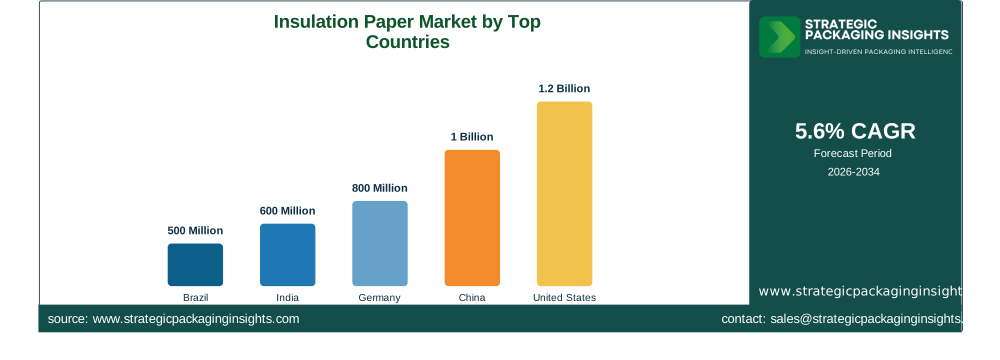
China is another significant market for insulation papers, with a market size of around $1 billion and a CAGR of 6%. The country's rapid industrialization and urbanization are driving the demand for energy-efficient solutions, including insulation papers. The Chinese government's focus on reducing carbon emissions and promoting renewable energy sources is creating new opportunities for market players. However, the market faces challenges related to the availability of raw materials and the need for sustainable manufacturing practices.
Germany is a key market in Europe, with a market size of approximately $800 million and a CAGR of 5%. The country's strong focus on energy efficiency and sustainability is driving the demand for insulation papers. Government initiatives promoting the use of renewable energy sources and energy-efficient solutions are further supporting market growth. However, the market faces challenges related to stringent environmental regulations and the need for sustainable disposal solutions.
India is an emerging market for insulation papers, with a market size of around $600 million and a CAGR of 7%. The country's rapid industrialization and urbanization are driving the demand for energy-efficient solutions, including insulation papers. Government initiatives promoting energy conservation and the development of sustainable infrastructure are creating new opportunities for market players. However, the market faces challenges related to the availability of raw materials and the need for sustainable manufacturing practices.
Brazil is a significant market in Latin America, with a market size of approximately $500 million and a CAGR of 5%. The country's focus on energy efficiency and the adoption of renewable energy sources are driving the demand for insulation papers. Government initiatives promoting energy conservation and the development of sustainable infrastructure are further supporting market growth. However, the market faces challenges related to the availability of raw materials and the need for sustainable disposal solutions.
Insulation Paper Market Segments Insights

Product Type Analysis
The insulation paper market is segmented by product type into electrical insulation paper, thermal insulation paper, and kraft insulation paper. Electrical insulation paper holds a significant share in the market, driven by its extensive use in transformers, motors, and other electrical applications. The demand for electrical insulation paper is primarily driven by the growing need for energy-efficient solutions and the increasing adoption of renewable energy sources. Thermal insulation paper is also gaining traction, particularly in applications requiring high thermal resistance and durability. Kraft insulation paper, known for its cost-effectiveness and versatility, is widely used in various industrial applications.
In terms of trends, the market is witnessing a shift towards the development of high-performance insulation papers with enhanced thermal and electrical properties. Manufacturers are focusing on product innovation and the use of advanced materials to meet the evolving needs of the market. The competition in the product type segment is intense, with key players focusing on expanding their product offerings and enhancing their production capabilities. Customer demand is primarily driven by the need for energy-efficient and sustainable solutions, with a growing emphasis on reducing carbon emissions and enhancing energy efficiency.
Application Analysis
The insulation paper market is segmented by application into transformers, cables, motors, and batteries. Transformers hold a significant share in the market, driven by the increasing demand for energy-efficient solutions and the growing adoption of renewable energy sources. The demand for insulation papers in transformers is primarily driven by the need for efficient energy storage and transmission systems. Cables and motors are also key applications, with insulation papers playing a crucial role in enhancing the efficiency and safety of electrical systems. The use of insulation papers in batteries is gaining traction, particularly in applications requiring high thermal resistance and durability.
In terms of trends, the market is witnessing a growing emphasis on the development of high-performance insulation papers with enhanced thermal and electrical properties. Manufacturers are focusing on product innovation and the use of advanced materials to meet the evolving needs of the market. The competition in the application segment is intense, with key players focusing on expanding their product offerings and enhancing their production capabilities. Customer demand is primarily driven by the need for energy-efficient and sustainable solutions, with a growing emphasis on reducing carbon emissions and enhancing energy efficiency.
Material Type Analysis
The insulation paper market is segmented by material type into cellulose, aramid, kraft, and Nomex. Cellulose insulation paper holds a significant share in the market, driven by its cost-effectiveness and versatility. The demand for cellulose insulation paper is primarily driven by the growing need for energy-efficient solutions and the increasing adoption of renewable energy sources. Aramid insulation paper is also gaining traction, particularly in applications requiring high thermal resistance and durability. Kraft and Nomex insulation papers are widely used in various industrial applications, known for their high-performance characteristics and cost-effectiveness.
In terms of trends, the market is witnessing a shift towards the development of high-performance insulation papers with enhanced thermal and electrical properties. Manufacturers are focusing on product innovation and the use of advanced materials to meet the evolving needs of the market. The competition in the material type segment is intense, with key players focusing on expanding their product offerings and enhancing their production capabilities. Customer demand is primarily driven by the need for energy-efficient and sustainable solutions, with a growing emphasis on reducing carbon emissions and enhancing energy efficiency.
End Use Analysis
The insulation paper market is segmented by end use into electrical, energy, industrial, and automotive. The electrical sector holds a significant share in the market, driven by the increasing demand for energy-efficient solutions and the growing adoption of renewable energy sources. The demand for insulation papers in the electrical sector is primarily driven by the need for efficient energy storage and transmission systems. The energy sector is also a key end-use segment, with insulation papers playing a crucial role in enhancing the efficiency and safety of energy systems. The industrial and automotive sectors are witnessing a growing demand for insulation papers, driven by the need for high-performance and sustainable solutions.
In terms of trends, the market is witnessing a growing emphasis on the development of high-performance insulation papers with enhanced thermal and electrical properties. Manufacturers are focusing on product innovation and the use of advanced materials to meet the evolving needs of the market. The competition in the end-use segment is intense, with key players focusing on expanding their product offerings and enhancing their production capabilities. Customer demand is primarily driven by the need for energy-efficient and sustainable solutions, with a growing emphasis on reducing carbon emissions and enhancing energy efficiency.
Insulation Paper Market Segments
The Insulation Paper market has been segmented on the basis ofBy Product Type
- Electrical Insulation Paper
- Thermal Insulation Paper
- Kraft Insulation Paper
By Application
- Transformers
- Cables
- Motors
- Batteries
By Material Type
- Cellulose
- Aramid
- Kraft
- Nomex
By End Use
- Electrical
- Energy
- Industrial
- Automotive
Region
- Asia Pacific
- North America
- Latin America
- Europe
- Middle East & Africa




