


Injection Bottles Market Outlook
The Injection Bottles market size was valued at USD 1.9 billion in 2025 and is anticipated to reach USD 3.3 billion by 2034, growing at a CAGR of 6.20% during the forecast period according to Strategic Packaging Insights. The market is witnessing significant growth due to the increasing demand for safe and reliable packaging solutions in the pharmaceutical industry. Schott Pharma and Gerresheimer are leading the charge in innovation, focusing on developing advanced materials that enhance the safety and efficacy of injectable drugs. The rising prevalence of chronic diseases and the growing need for vaccines and biologics are further propelling the demand for injection bottles, making them an indispensable component in the healthcare packaging sector.
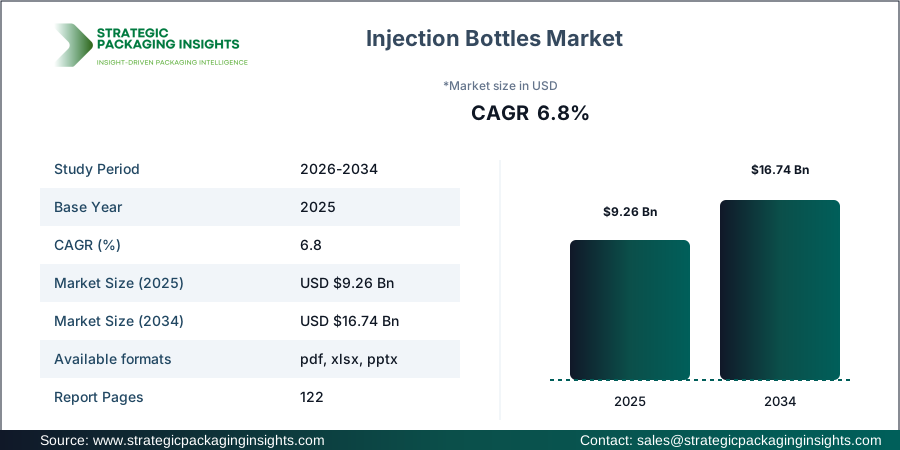
One of the most impactful drivers of the Injection Bottles market is the stringent regulatory requirements for pharmaceutical packaging. Governments worldwide are enforcing strict guidelines to ensure the safety and integrity of drug packaging, which is driving manufacturers to adopt high-quality materials and advanced manufacturing processes. For instance, the U.S. Food and Drug Administration (FDA) mandates rigorous testing and validation of packaging materials to prevent contamination and ensure drug stability. This regulatory landscape is pushing companies like Stevanato Group and Corning to invest heavily in research and development to meet compliance standards and gain a competitive edge in the market.
Report Scope
| Attributes | Details |
| Report Title | Injection Bottles Market Size, Future Growth and Forecast 2034 |
| By Material | Type I Borosilicate Glass, Type II/III Glass, Cyclic Olefin Polymers (COP/COC), PP |
| By Capacity | Below 10 ml, 10-50 ml, 50-100 ml, Above 100 ml |
| By Product | Vials for Injection, Infusion Bottles, Lyophilization Vials |
| By End Use | Vaccines, Biologics & Biosimilars, Small Molecule Injectables, Veterinary |
| By Region | North America (U.S., Canada, Mexico), Europe (Germany, UK, France, Italy, Spain, Rest of Europe), Asia Pacific (China, India, Japan, South Korea, Australia, Rest of Asia Pacific), Latin America (Brazil, Argentina, Rest of Latin America), Middle East & Africa (GCC Countries, South Africa, Rest of MEA) |
| Base Year | 2025 |
| Historic Period | 2018-2024 |
| Forecast Period | 2026-2034 |
| Number of Pages | 218 |
| Customization Available | Yes* |
Sustainability & Circular Economy Analysis
Sustainability initiatives are increasingly shaping the Injection Bottles market, as manufacturers and brand owners strive to reduce their environmental impact. The adoption of recyclable materials and reusable packaging solutions is becoming a key focus area, with companies like SGD Pharma leading the way in eco-friendly material innovation. Lightweight packaging is also gaining traction, as it not only reduces material usage but also lowers transportation costs and carbon emissions. These sustainability trends are influencing packaging design and manufacturing processes, encouraging companies to invest in greener technologies and practices.
Extended Producer Responsibility (EPR) and packaging regulations are further driving the shift towards a circular economy in the Injection Bottles market. Governments are implementing policies that hold manufacturers accountable for the entire lifecycle of their products, from production to disposal. This is prompting companies to develop waste reduction strategies and enhance their recycling networks. As a result, packaging manufacturers are increasingly focusing on ESG initiatives and carbon footprint reduction to align with consumer sustainability preferences and regulatory compliance.
The emphasis on sustainability is also impacting investment decisions and supply chain strategies in the Injection Bottles market. Companies are prioritizing partnerships with suppliers and converters that share their commitment to environmental stewardship. This collaborative approach is fostering innovation and enhancing long-term market competitiveness. By integrating sustainable practices into their operations, packaging manufacturers are not only meeting regulatory requirements but also gaining a strategic advantage in a market that is increasingly driven by consumer demand for eco-friendly solutions.
Packaging Value Chain & Supply Chain Analysis
The packaging value chain for Injection Bottles is a complex ecosystem that involves multiple stakeholders, from raw material suppliers to end-users. Raw material sourcing is a critical component, as the availability and quality of materials like Type I Borosilicate Glass and Cyclic Olefin Polymers (COP/COC) directly impact production capabilities and cost efficiency. Packaging converters and manufacturers play a pivotal role in transforming these materials into high-quality injection bottles, with companies like Nipro and West Pharmaceutical (systems) leading the charge in innovation and quality assurance.
Logistics and distribution channels are essential elements of the supply chain, ensuring that injection bottles reach their intended destinations in a timely and efficient manner. Strategic partnerships with logistics providers and distributors are crucial for maintaining supply chain resilience and minimizing disruptions. Companies are increasingly adopting localization strategies to mitigate risks associated with global sourcing and enhance their responsiveness to market demands. This approach not only improves supply chain efficiency but also strengthens relationships with brand owners and retailers.
Recycling networks and procurement strategies are also integral to the packaging value chain, as they contribute to waste reduction and sustainability efforts. By implementing effective inventory management practices and leveraging advanced packaging machinery, manufacturers can optimize production processes and reduce material waste. These strategies are essential for maintaining competitiveness in a market that is increasingly focused on sustainability and cost-effectiveness. Overall, the Injection Bottles market is characterized by a dynamic value chain that requires continuous innovation and collaboration among all stakeholders.
Opportunities & Threats
The Injection Bottles market presents numerous opportunities for growth, driven by the increasing demand for vaccines and biologics. The COVID-19 pandemic has highlighted the critical role of injection bottles in the global healthcare system, leading to a surge in demand for safe and reliable packaging solutions. This trend is expected to continue as pharmaceutical companies invest in the development of new vaccines and biologics to address emerging health challenges. Additionally, the growing focus on personalized medicine and targeted therapies is creating new opportunities for specialized injection bottles that cater to specific drug formulations and delivery requirements.
Technological advancements in material science and manufacturing processes are also opening up new avenues for innovation in the Injection Bottles market. Companies are exploring the use of advanced materials like Cyclic Olefin Polymers (COP/COC) to enhance the performance and safety of injection bottles. These materials offer superior chemical resistance and barrier properties, making them ideal for sensitive drug formulations. Furthermore, the integration of smart packaging technologies, such as RFID tags and sensors, is enabling real-time monitoring of drug conditions and enhancing supply chain transparency.
Despite the promising opportunities, the Injection Bottles market faces several threats that could hinder its growth. One of the primary challenges is the volatility in raw material prices, which can significantly impact production costs and profit margins. Additionally, the stringent regulatory landscape poses a constant challenge for manufacturers, as they must continuously adapt to evolving compliance standards and quality requirements. The competitive nature of the market also presents a threat, as companies must differentiate themselves through innovation and value-added services to maintain their market position.
Drivers & Challenges
The Injection Bottles market is driven by several key factors, including the rising prevalence of chronic diseases and the increasing demand for injectable drugs. As the global population ages and the incidence of chronic conditions like diabetes and cancer continues to rise, the need for effective drug delivery systems is becoming more critical. Injection bottles play a vital role in ensuring the safe and efficient administration of these drugs, driving their demand in the pharmaceutical industry. Additionally, the growing focus on biologics and biosimilars is further fueling the market, as these complex drug formulations require specialized packaging solutions to maintain their stability and efficacy.
Another significant driver of the Injection Bottles market is the advancement in packaging technologies and materials. Companies are investing in research and development to develop innovative packaging solutions that enhance drug safety and patient compliance. For instance, the use of Type I Borosilicate Glass and advanced polymers is gaining traction due to their superior barrier properties and chemical resistance. These materials are essential for maintaining the integrity of sensitive drug formulations and ensuring patient safety. Furthermore, the integration of smart packaging technologies is revolutionizing the market, enabling real-time monitoring of drug conditions and enhancing supply chain transparency.
However, the Injection Bottles market also faces several challenges that could impede its growth. One of the primary challenges is the stringent regulatory landscape, which requires manufacturers to adhere to rigorous quality standards and compliance requirements. This can be a significant barrier for new entrants and smaller companies, as they may lack the resources and expertise to navigate the complex regulatory environment. Additionally, the volatility in raw material prices and supply chain disruptions pose ongoing challenges for manufacturers, impacting their production capabilities and cost efficiency.
Market Share Analysis
The competitive landscape of the Injection Bottles market is characterized by the presence of several key players, each striving to gain a larger share of the market through innovation and strategic partnerships. Schott Pharma is a leading player in the market, known for its high-quality glass packaging solutions and commitment to sustainability. The company has a strong global presence and is continuously investing in research and development to enhance its product offerings and meet the evolving needs of the pharmaceutical industry.
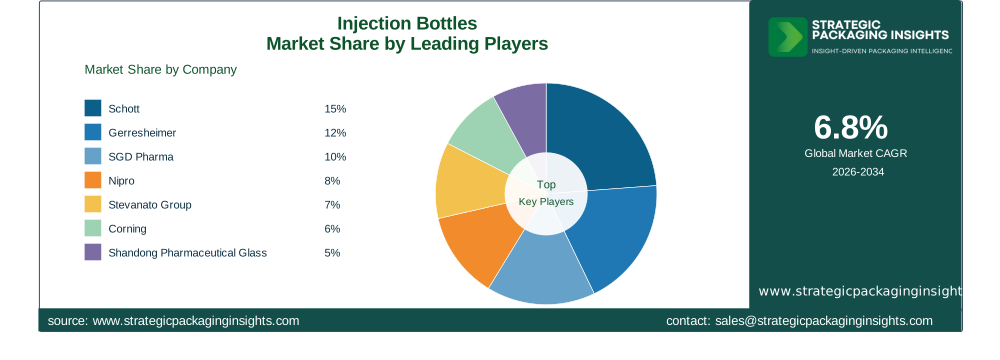
Gerresheimer is another major player in the Injection Bottles market, renowned for its expertise in glass and plastic packaging solutions. The company has a diverse product portfolio and a strong focus on innovation, enabling it to cater to a wide range of pharmaceutical applications. Gerresheimer's strategic partnerships with leading pharmaceutical companies and its commitment to sustainability have further strengthened its position in the market.
Stevanato Group is a prominent player in the Injection Bottles market, offering a comprehensive range of glass and plastic packaging solutions for the pharmaceutical industry. The company's focus on quality and innovation has earned it a reputation as a trusted partner for pharmaceutical companies worldwide. Stevanato Group's investment in advanced manufacturing technologies and its commitment to sustainability have positioned it as a leader in the market.
Corning is a key player in the Injection Bottles market, known for its advanced glass packaging solutions and commitment to innovation. The company's focus on research and development has enabled it to develop cutting-edge packaging solutions that meet the stringent requirements of the pharmaceutical industry. Corning's strategic partnerships with leading pharmaceutical companies and its global presence have further strengthened its position in the market.
Key Highlights
- Market Size: The Injection Bottles market was valued at USD 1.9 billion in 2025 and is projected to reach USD 3.3 billion by 2034.
- Growth Rate: The market is expected to grow at a CAGR of 6.20% during the forecast period.
- Leading Companies: Key players include Schott Pharma, Gerresheimer, Stevanato Group, and Corning.
- Material Innovation: Advanced materials like Type I Borosilicate Glass and COP/COC are gaining traction.
- Regulatory Impact: Stringent regulations are driving the adoption of high-quality packaging solutions.
- Regional Growth: Asia Pacific is expected to witness significant growth due to rising demand for pharmaceuticals.
- Sustainability Focus: Companies are prioritizing eco-friendly materials and waste reduction strategies.
Injection Bottles Market Segments Insights

By Material Analysis
The Injection Bottles market is segmented by material, with Type I Borosilicate Glass, Type II/III Glass, Cyclic Olefin Polymers (COP/COC), and PP being the primary materials used. Type I Borosilicate Glass is highly favored for its superior chemical resistance and thermal stability, making it ideal for sensitive drug formulations. This material is widely used in the pharmaceutical industry for packaging injectable drugs, as it ensures the integrity and safety of the contents. Companies like Schott Pharma and Gerresheimer are leading the way in developing high-quality glass packaging solutions that meet stringent regulatory requirements.
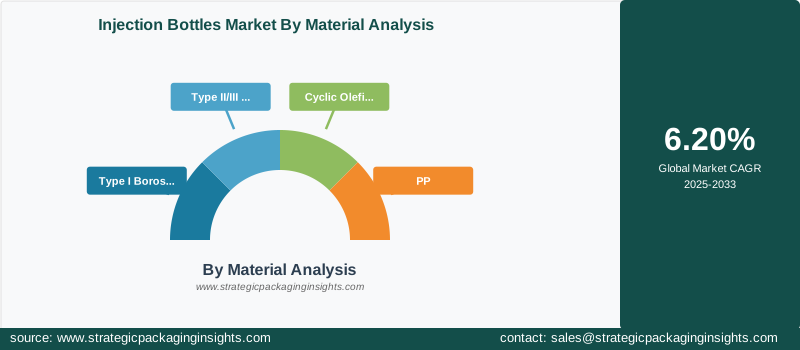
Cyclic Olefin Polymers (COP/COC) are gaining popularity due to their excellent barrier properties and lightweight nature. These advanced polymers offer a viable alternative to traditional glass packaging, providing enhanced protection for sensitive drugs while reducing transportation costs. The growing demand for biologics and biosimilars is driving the adoption of COP/COC materials, as they offer superior performance and safety for complex drug formulations. Manufacturers are investing in research and development to enhance the properties of these materials and expand their applications in the pharmaceutical industry.
By Capacity Analysis
The Injection Bottles market is also segmented by capacity, with options ranging from below 10 ml to above 100 ml. The demand for smaller capacity bottles, such as those below 10 ml, is driven by the increasing focus on personalized medicine and targeted therapies. These small-volume bottles are ideal for single-dose applications, ensuring precise dosing and minimizing waste. The growing prevalence of chronic diseases and the need for specialized drug delivery systems are further fueling the demand for small-capacity injection bottles.
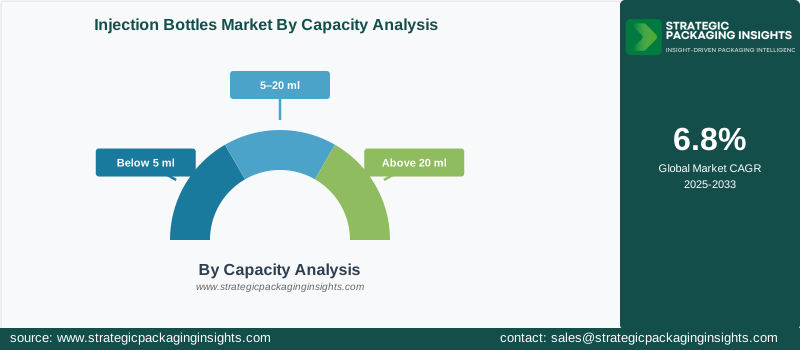
Larger capacity bottles, such as those above 100 ml, are primarily used for infusion therapies and bulk drug formulations. The rising demand for biologics and biosimilars is driving the need for larger capacity bottles that can accommodate these complex drug formulations. Manufacturers are focusing on developing innovative packaging solutions that offer enhanced safety and convenience for both healthcare providers and patients. The increasing adoption of home healthcare and self-administration of drugs is also contributing to the demand for larger capacity injection bottles.
By Product Analysis
The Injection Bottles market is segmented by product type, including vials for injection, infusion bottles, and lyophilization vials. Vials for injection are the most commonly used product type, as they provide a secure and reliable packaging solution for a wide range of injectable drugs. These vials are designed to maintain the stability and efficacy of the drug, ensuring patient safety and compliance. The growing demand for vaccines and biologics is driving the need for high-quality vials that meet stringent regulatory standards.
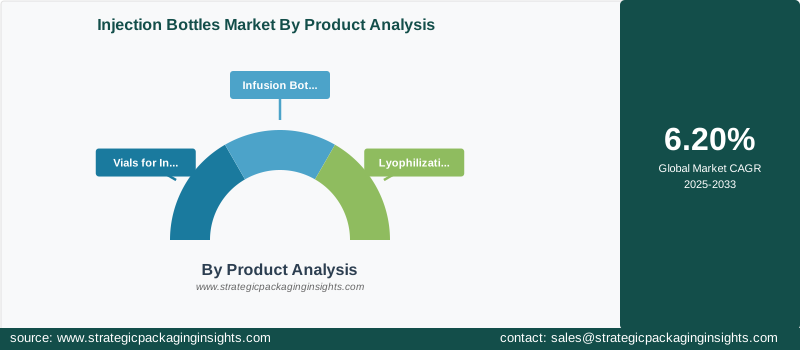
Infusion bottles are primarily used for intravenous therapies and are designed to deliver a continuous flow of medication to patients. The increasing prevalence of chronic diseases and the growing demand for home healthcare are driving the adoption of infusion bottles, as they offer a convenient and efficient solution for drug administration. Lyophilization vials are used for freeze-dried drug formulations, providing a stable and long-lasting packaging solution for sensitive drugs. The rising demand for biologics and biosimilars is fueling the need for lyophilization vials, as these complex drug formulations require specialized packaging to maintain their stability and efficacy.
By End Use Analysis
The Injection Bottles market is segmented by end use, with vaccines, biologics & biosimilars, small molecule injectables, and veterinary applications being the primary segments. The demand for injection bottles in the vaccine segment is driven by the increasing focus on immunization programs and the development of new vaccines to address emerging health challenges. The COVID-19 pandemic has further highlighted the critical role of injection bottles in the global healthcare system, leading to a surge in demand for safe and reliable packaging solutions.
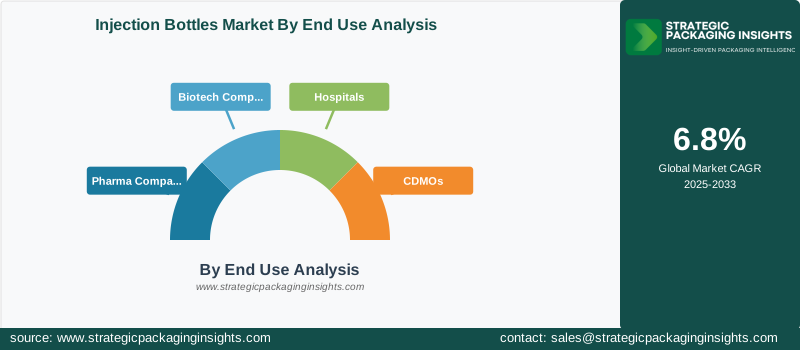
Biologics and biosimilars are complex drug formulations that require specialized packaging solutions to maintain their stability and efficacy. The growing focus on personalized medicine and targeted therapies is driving the demand for injection bottles in this segment, as these drugs require precise dosing and secure packaging. Small molecule injectables are widely used in the treatment of chronic diseases, and the increasing prevalence of these conditions is fueling the demand for injection bottles in this segment. Veterinary applications are also contributing to the growth of the Injection Bottles market, as the demand for animal healthcare products continues to rise.
Injection Bottles Market Segments
The Injection Bottles market has been segmented on the basis ofBy Material
- Type I Borosilicate Glass
- Type II/III Glass
- Cyclic Olefin Polymers (COP/COC)
- PP
By Capacity
- Below 10 ml
- 10-50 ml
- 50-100 ml
- Above 100 ml
By Product
- Vials for Injection
- Infusion Bottles
- Lyophilization Vials
By End Use
- Vaccines
- Biologics & Biosimilars
- Small Molecule Injectables
- Veterinary
By Region
- North America (U.S., Canada, Mexico)
- Europe (Germany, UK, France, Italy, Spain, Rest of Europe)
- Asia Pacific (China, India, Japan, South Korea, Australia, Rest of Asia Pacific)
- Latin America (Brazil, Argentina, Rest of Latin America)
- Middle East & Africa (GCC Countries, South Africa, Rest of MEA)




