


Horticulture Film Market Outlook
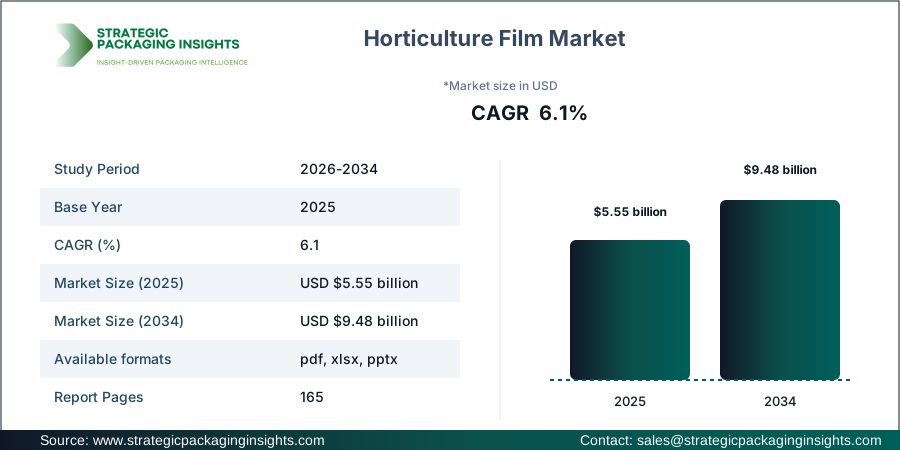
The horticulture film market was valued at $5.55 billion in 2025 and is projected to reach $9.48 billion by 2034, growing at a CAGR of 6.1% during the forecast period 2026-2034. This market is experiencing robust growth driven by the increasing demand for efficient agricultural practices and the need for enhanced crop protection. The adoption of advanced farming techniques and the rising awareness about the benefits of using horticulture films in improving crop yield are significant factors contributing to the market's expansion. Additionally, the growing global population and the subsequent increase in food demand are further propelling the need for innovative agricultural solutions, thereby boosting the horticulture film market.
Despite the promising growth prospects, the horticulture film market faces certain challenges that could hinder its expansion. Regulatory restrictions on the use of non-biodegradable plastics and the environmental concerns associated with plastic waste are significant restraints. However, the market holds substantial growth potential with the increasing focus on sustainable and eco-friendly farming practices. The development of biodegradable films and the integration of advanced technologies in film production are expected to create lucrative opportunities for market players. Moreover, government initiatives promoting sustainable agriculture and the adoption of modern farming techniques are likely to support the market's growth trajectory.
Report Scope
| Attributes | Details |
| Report Title | Horticulture Film Market Size, Future Growth and Forecast 2034 |
| Product Type | Mulch Films, Greenhouse Films, Silage Films, Tunnel Films |
| Material Type | PE, EVA, PVC, Biodegradable Films |
| Application | Greenhouses, Mulching, Crop Protection |
| End Use | Farmers, Greenhouse Operators, Agri-Cooperatives |
| Region | Asia Pacific, North America, Latin America, Europe, Middle East & Africa |
| Base Year | 2025 |
| Historic Period | 2018-2024 |
| Forecast Period | 2026-2034 |
| Number of Pages | 165 |
| Customization Available | Yes* |
Opportunities & Threats
The horticulture film market presents numerous opportunities, primarily driven by the increasing demand for sustainable agricultural practices. As environmental concerns rise, there is a growing shift towards biodegradable and eco-friendly films, which offer significant growth potential for market players. The development of innovative film materials that enhance crop yield and reduce environmental impact is a key opportunity. Additionally, the expansion of greenhouse farming, particularly in regions with harsh climatic conditions, is expected to drive the demand for horticulture films. The integration of advanced technologies, such as UV stabilization and anti-fogging properties, in film production is also anticipated to create new avenues for growth.
Another significant opportunity lies in the increasing adoption of precision agriculture techniques. Horticulture films play a crucial role in optimizing resource use and improving crop productivity, making them an integral component of precision farming. The rising awareness about the benefits of using horticulture films in enhancing crop quality and yield is expected to drive their adoption across various agricultural applications. Furthermore, the growing trend of urban farming and the increasing number of rooftop gardens in urban areas present additional opportunities for market expansion.
However, the horticulture film market also faces certain threats that could impact its growth. The stringent regulations on the use of plastic materials and the environmental concerns associated with plastic waste are significant challenges. The high cost of biodegradable films compared to conventional plastic films is another restraint that could hinder market growth. Additionally, the fluctuating prices of raw materials used in film production pose a threat to market stability. Market players need to focus on developing cost-effective and sustainable solutions to overcome these challenges and capitalize on the growth opportunities.
Drivers & Challenges
The horticulture film market is primarily driven by the increasing demand for efficient agricultural practices and the need for enhanced crop protection. The rising global population and the subsequent increase in food demand are significant drivers of market growth. Horticulture films play a crucial role in improving crop yield and quality by providing protection against adverse weather conditions and pests. The adoption of advanced farming techniques and the growing awareness about the benefits of using horticulture films are further propelling market growth. Additionally, government initiatives promoting sustainable agriculture and the adoption of modern farming techniques are expected to drive the demand for horticulture films.
Another key driver of the horticulture film market is the increasing focus on sustainable and eco-friendly farming practices. The development of biodegradable films and the integration of advanced technologies in film production are expected to create lucrative opportunities for market players. The expansion of greenhouse farming, particularly in regions with harsh climatic conditions, is also driving the demand for horticulture films. The integration of advanced technologies, such as UV stabilization and anti-fogging properties, in film production is anticipated to enhance the performance and durability of horticulture films, thereby boosting their adoption.
Despite the promising growth prospects, the horticulture film market faces certain challenges that could hinder its expansion. Regulatory restrictions on the use of non-biodegradable plastics and the environmental concerns associated with plastic waste are significant restraints. The high cost of biodegradable films compared to conventional plastic films is another challenge that could impact market growth. Additionally, the fluctuating prices of raw materials used in film production pose a threat to market stability. Market players need to focus on developing cost-effective and sustainable solutions to overcome these challenges and capitalize on the growth opportunities.
Market Share Analysis
The horticulture film market is characterized by intense competition among key players, with several companies holding significant market shares. Berry Global, a leading player in the market, is known for its extensive product portfolio and strong distribution network. The company focuses on innovation and sustainability, offering a range of biodegradable and eco-friendly films. RKW Group is another major player, renowned for its high-quality horticulture films that cater to various agricultural applications. The company's commitment to research and development has enabled it to maintain a competitive edge in the market.
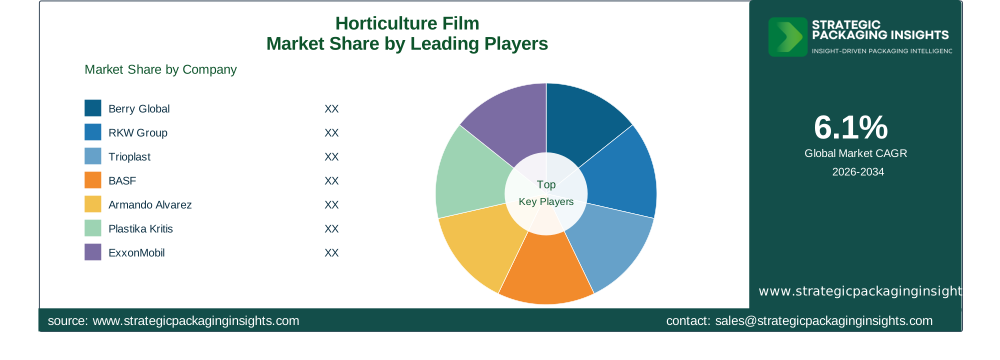
Trioplast, a prominent player in the horticulture film market, is recognized for its advanced film technologies and sustainable solutions. The company emphasizes the development of innovative products that enhance crop yield and reduce environmental impact. BASF, a global leader in chemical production, offers a range of horticulture films that are designed to improve agricultural productivity. The company's focus on sustainability and innovation has positioned it as a key player in the market.
Armando Alvarez, a leading manufacturer of plastic films, is known for its high-quality horticulture films that cater to diverse agricultural needs. The company's extensive product range and strong distribution network have contributed to its significant market share. Plastika Kritis, a major player in the horticulture film market, is renowned for its innovative film solutions that enhance crop protection and yield. The company's commitment to sustainability and quality has enabled it to maintain a strong presence in the market.
ExxonMobil, a global leader in the energy and chemical industry, offers a range of horticulture films that are designed to improve agricultural efficiency. The company's focus on innovation and sustainability has positioned it as a key player in the market. Kuraray, a leading manufacturer of specialty chemicals, is known for its high-performance horticulture films that cater to various agricultural applications. The company's commitment to research and development has enabled it to maintain a competitive edge in the market.
Key Highlights
- The horticulture film market is projected to grow from $5.55 billion in 2025 to $9.48 billion by 2034, at a CAGR of 6.1%.
- Increasing demand for sustainable agricultural practices is driving the adoption of biodegradable and eco-friendly films.
- Expansion of greenhouse farming is expected to boost the demand for horticulture films.
- Integration of advanced technologies, such as UV stabilization and anti-fogging properties, is enhancing film performance.
- Government initiatives promoting sustainable agriculture are supporting market growth.
- High cost of biodegradable films compared to conventional plastic films is a significant challenge.
- Fluctuating raw material prices pose a threat to market stability.
- Key players include Berry Global, RKW Group, Trioplast, BASF, and Armando Alvarez.
- Focus on innovation and sustainability is a key strategy among market players.
Top Countries Insights
In the horticulture film market, China stands out as a leading country with a market size of approximately $1.2 billion and a CAGR of 8%. The country's rapid urbanization and increasing demand for food are driving the adoption of advanced agricultural practices, including the use of horticulture films. Government initiatives promoting sustainable agriculture and the development of eco-friendly films are further supporting market growth in China.
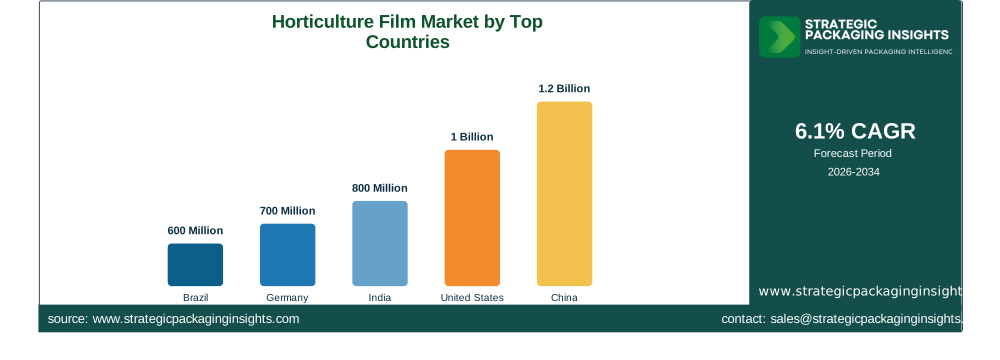
The United States is another significant player in the horticulture film market, with a market size of around $1 billion and a CAGR of 6%. The country's focus on sustainable farming practices and the increasing adoption of precision agriculture techniques are key growth drivers. The development of innovative film materials and the integration of advanced technologies in film production are also contributing to market expansion in the United States.
India, with a market size of approximately $800 million and a CAGR of 9%, is experiencing rapid growth in the horticulture film market. The country's large agricultural sector and the increasing demand for efficient farming practices are driving the adoption of horticulture films. Government initiatives promoting sustainable agriculture and the development of biodegradable films are further supporting market growth in India.
Germany, with a market size of around $700 million and a CAGR of 5%, is a key player in the European horticulture film market. The country's focus on sustainable farming practices and the increasing adoption of greenhouse farming are driving market growth. The development of innovative film materials and the integration of advanced technologies in film production are also contributing to market expansion in Germany.
Brazil, with a market size of approximately $600 million and a CAGR of 7%, is a significant player in the Latin American horticulture film market. The country's large agricultural sector and the increasing demand for efficient farming practices are driving the adoption of horticulture films. Government initiatives promoting sustainable agriculture and the development of eco-friendly films are further supporting market growth in Brazil.
Horticulture Film Market Segments Insights

Product Type Analysis
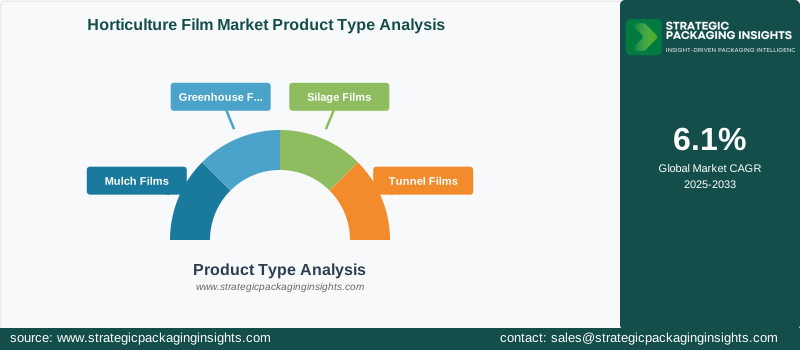
The horticulture film market is segmented by product type into mulch films, greenhouse films, silage films, and tunnel films. Mulch films are widely used in agriculture to conserve soil moisture, suppress weeds, and enhance crop yield. The increasing adoption of mulch films in various agricultural applications is driving market growth. Greenhouse films, on the other hand, are used to cover greenhouse structures, providing protection against adverse weather conditions and pests. The expansion of greenhouse farming, particularly in regions with harsh climatic conditions, is boosting the demand for greenhouse films. Silage films are used to preserve forage crops, ensuring high-quality feed for livestock. The growing demand for high-quality animal feed is driving the adoption of silage films. Tunnel films are used in low tunnel farming to protect crops from frost and pests, enhancing crop yield and quality.
Material Type Analysis
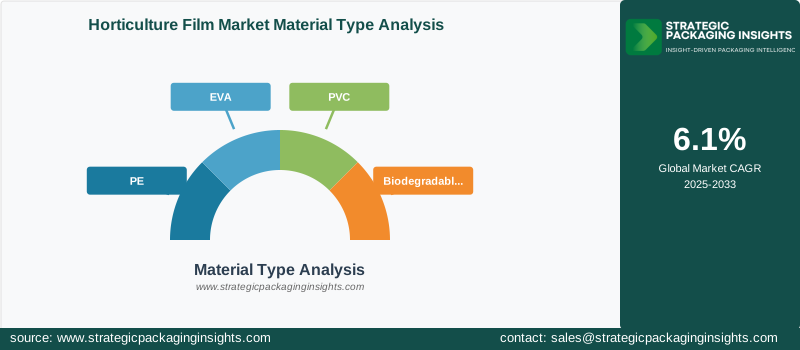
The horticulture film market is segmented by material type into PE, EVA, PVC, and biodegradable films. PE films are widely used in agriculture due to their durability and cost-effectiveness. The increasing demand for PE films in various agricultural applications is driving market growth. EVA films are known for their flexibility and transparency, making them ideal for greenhouse applications. The growing adoption of EVA films in greenhouse farming is boosting market growth. PVC films are used in agriculture for their excellent weather resistance and durability. The increasing demand for PVC films in various agricultural applications is driving market growth. Biodegradable films are gaining popularity due to their eco-friendly nature and ability to reduce environmental impact. The growing focus on sustainable farming practices is driving the adoption of biodegradable films.
Application Analysis
The horticulture film market is segmented by application into greenhouses, mulching, and crop protection. Greenhouse films are used to cover greenhouse structures, providing protection against adverse weather conditions and pests. The expansion of greenhouse farming, particularly in regions with harsh climatic conditions, is boosting the demand for greenhouse films. Mulching films are used to conserve soil moisture, suppress weeds, and enhance crop yield. The increasing adoption of mulching films in various agricultural applications is driving market growth. Crop protection films are used to protect crops from pests and diseases, ensuring high-quality yield. The growing demand for high-quality agricultural produce is driving the adoption of crop protection films.

End Use Analysis
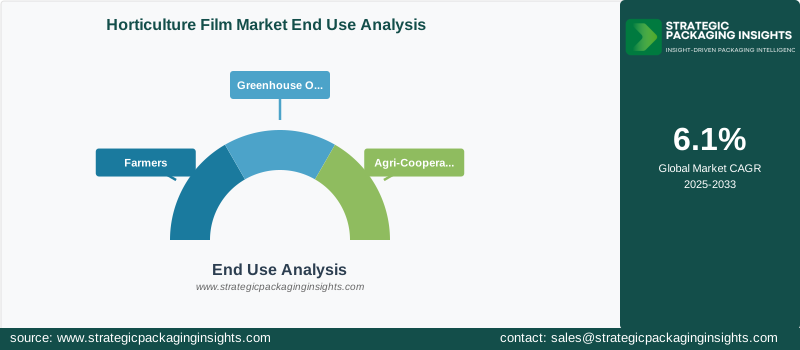
The horticulture film market is segmented by end use into farmers, greenhouse operators, and agri-cooperatives. Farmers are the primary end-users of horticulture films, using them to enhance crop yield and quality. The increasing adoption of horticulture films by farmers is driving market growth. Greenhouse operators use horticulture films to cover greenhouse structures, providing protection against adverse weather conditions and pests. The expansion of greenhouse farming is boosting the demand for horticulture films among greenhouse operators. Agri-cooperatives use horticulture films to support their members in adopting advanced farming techniques and improving crop yield. The growing focus on sustainable farming practices is driving the adoption of horticulture films among agri-cooperatives.
Horticulture Film Market Segments
The Horticulture Film market has been segmented on the basis ofProduct Type
- Mulch Films
- Greenhouse Films
- Silage Films
- Tunnel Films
Material Type
- PE
- EVA
- PVC
- Biodegradable Films
Application
- Greenhouses
- Mulching
- Crop Protection
End Use
- Farmers
- Greenhouse Operators
- Agri-Cooperatives
Region
- Asia Pacific
- North America
- Latin America
- Europe
- Middle East & Africa




