


Horizontal Strapping Machine Market Outlook
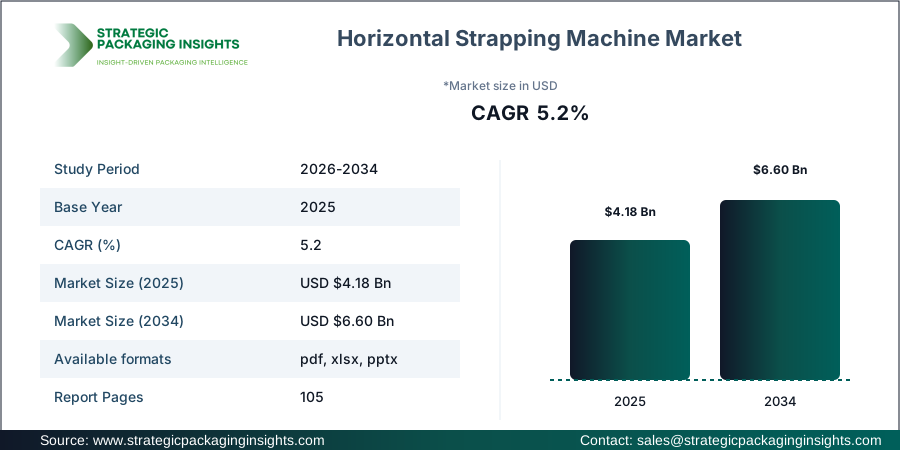
The Horizontal Strapping Machine market size was valued at USD 4.18 billion in 2025 and is anticipated to reach USD 6.60 billion by 2034, growing at a CAGR of 5.2% during the forecast period according to Strategic Packaging Insights. The market is witnessing robust growth due to the increasing demand for efficient packaging solutions across various industries. Companies like Signode and Mosca are leading the charge by innovating in automatic and semi-automatic strapping technologies, which are crucial for enhancing operational efficiency and reducing labor costs. The rise in e-commerce and logistics sectors further fuels the demand for horizontal strapping machines, as they ensure secure packaging and transportation of goods.
One of the most impactful drivers of the Horizontal Strapping Machine market is the growing emphasis on sustainability and eco-friendly packaging solutions. As industries strive to reduce their carbon footprint, the adoption of recyclable and reusable strapping materials is on the rise. Government regulations and consumer preferences are pushing companies to innovate in this space, with brands like FROMM Group and StraPack leading the way in developing sustainable strapping solutions. This trend not only supports environmental goals but also enhances brand reputation and customer loyalty, making it a significant growth driver for the market.
Report Scope
| Attributes | Details |
| Report Title | Horizontal Strapping Machine Market Size, Future Growth and Forecast 2034 |
| Machine Type | Automatic Horizontal Strappers, Semi-Automatic Strappers, Pallet Strappers |
| Strap Type | PP, PET, Steel |
| Application | Pallet Securing, Carton Bundling, Timber Packaging |
| End Use | Logistics, Manufacturing, Construction, Food & Beverage |
| Region | Asia Pacific, North America, Latin America, Europe, Middle East & Africa |
| Base Year | 2025 |
| Historic Period | 2018-2024 |
| Forecast Period | 2026-2034 |
| Number of Pages | 105 |
| Customization Available | Yes* |
Sustainability & Circular Economy Analysis
Sustainability initiatives are reshaping the Horizontal Strapping Machine market, with a strong focus on recyclable materials and eco-friendly innovations. Companies are increasingly adopting lightweight and reusable packaging solutions to minimize waste and reduce their carbon footprint. This shift is driven by stringent packaging regulations and the growing consumer demand for sustainable products. As a result, manufacturers are investing in research and development to create strapping machines that support these eco-friendly materials, ensuring compliance with environmental standards and enhancing their market competitiveness.
The circular economy is influencing packaging design and manufacturing processes, encouraging companies to implement waste reduction strategies and extended producer responsibility (EPR) programs. By integrating these practices, businesses can optimize their supply chain strategies, reduce costs, and improve their overall sustainability performance. This approach not only aligns with global sustainability goals but also attracts environmentally conscious investors and consumers, further driving market growth.
As sustainability trends continue to evolve, companies are prioritizing ESG initiatives and carbon footprint reduction in their investment decisions. This focus on sustainability is reshaping the competitive landscape, with companies that embrace these trends gaining a significant advantage. By aligning their operations with sustainability goals, businesses can enhance their brand image, meet regulatory requirements, and secure long-term market success.
Packaging Value Chain & Supply Chain Analysis
The packaging value chain for horizontal strapping machines involves a complex ecosystem of raw material sourcing, manufacturing, and distribution. Efficient supply chain management is crucial for maintaining competitive advantage, as it directly impacts production capabilities and market performance. Companies like Polychem and Samuel Strapping Systems are optimizing their procurement strategies to ensure a steady supply of high-quality materials, which is essential for producing reliable and durable strapping machines.
Manufacturers are focusing on enhancing their production capabilities and forming strategic partnerships with logistics providers to streamline distribution channels. This approach not only improves supply chain resilience but also reduces lead times and operational costs. By localizing production and sourcing materials globally, companies can mitigate risks associated with supply chain disruptions and maintain a competitive edge in the market.
Recycling networks and inventory management play a vital role in the packaging value chain, as they enable companies to implement sustainable practices and reduce waste. By integrating these elements into their supply chain strategies, businesses can enhance their sustainability performance and meet regulatory requirements. This holistic approach to supply chain management is essential for achieving long-term market success and maintaining a strong competitive position.
Opportunities & Threats
The Horizontal Strapping Machine market presents numerous opportunities for growth, driven by the increasing demand for efficient and sustainable packaging solutions. The rise of e-commerce and logistics sectors offers significant potential for market expansion, as these industries require reliable strapping machines to ensure secure packaging and transportation of goods. Companies that invest in innovative technologies and sustainable materials can capitalize on this growing demand and gain a competitive edge in the market.
Another opportunity lies in the development of advanced strapping machines that cater to specific industry needs. By focusing on customization and flexibility, manufacturers can address the unique requirements of various end-use sectors, such as logistics, manufacturing, and construction. This approach not only enhances customer satisfaction but also opens up new revenue streams and strengthens market presence.
However, the market also faces certain threats, such as the volatility of raw material prices and the increasing competition from low-cost manufacturers. These challenges can impact profit margins and hinder market growth. To mitigate these risks, companies must focus on optimizing their supply chain strategies and investing in research and development to create cost-effective and innovative solutions.
Drivers & Challenges
One of the primary drivers of the Horizontal Strapping Machine market is the growing demand for automation in packaging processes. As industries seek to enhance operational efficiency and reduce labor costs, the adoption of automatic and semi-automatic strapping machines is on the rise. Companies like Transpak and Dynaric are leading the way in developing advanced technologies that streamline packaging operations and improve productivity.
Another significant driver is the increasing focus on sustainability and eco-friendly packaging solutions. As consumers become more environmentally conscious, there is a growing demand for recyclable and reusable strapping materials. This trend is encouraging manufacturers to innovate and develop sustainable solutions that align with global environmental goals and enhance brand reputation.
Despite these drivers, the market faces challenges such as the high initial investment required for advanced strapping machines and the complexity of integrating these technologies into existing packaging lines. Additionally, the volatility of raw material prices can impact production costs and profit margins. To overcome these challenges, companies must focus on optimizing their supply chain strategies and investing in research and development to create cost-effective solutions.
Market Share Analysis
The Horizontal Strapping Machine market is characterized by intense competition, with several key players vying for market share. Companies like Signode, Mosca, and FROMM Group are leading the market with their innovative products and strong global presence. These companies have established themselves as industry leaders by focusing on research and development, strategic partnerships, and customer-centric solutions.
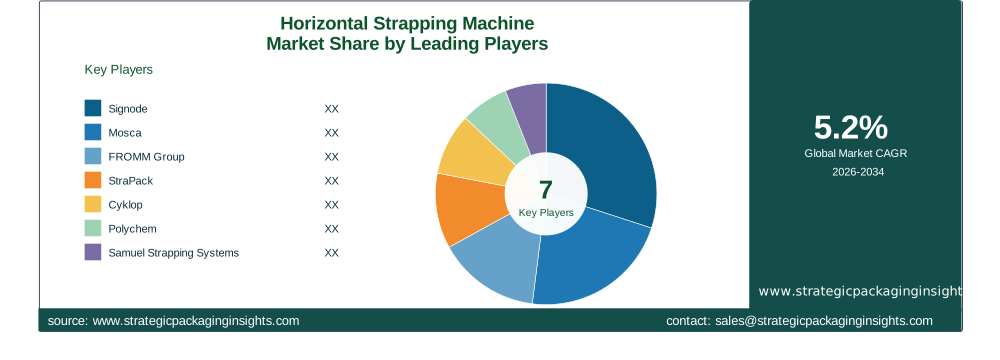
Signode, a prominent player in the market, is known for its comprehensive range of strapping machines and packaging solutions. The company has a strong focus on sustainability and innovation, which has helped it maintain a competitive edge in the market. Mosca, another key player, is renowned for its high-quality strapping machines and commitment to customer satisfaction. The company's global presence and extensive distribution network have contributed to its success in the market.
FROMM Group is a leading manufacturer of strapping machines, known for its advanced technologies and sustainable solutions. The company has a strong focus on research and development, which has enabled it to create innovative products that meet the evolving needs of the market. StraPack, Cyklop, and Polychem are also significant players in the market, offering a wide range of strapping machines and packaging solutions.
Other notable companies in the market include Samuel Strapping Systems, Transpak, Dynaric, and PAC Strapping. These companies have established themselves as key players by focusing on product innovation, strategic partnerships, and customer-centric solutions. Their strong global presence and extensive distribution networks have contributed to their success in the market.
Key Highlights
- Market Size: USD 4.18 billion in 2025, projected to reach USD 6.60 billion by 2034.
- Growth Rate: CAGR of 5.2% during the forecast period.
- Leading Companies: Signode, Mosca, FROMM Group, StraPack, Cyklop.
- Key Segments: Automatic Horizontal Strappers, Semi-Automatic Strappers, Pallet Strappers.
- Strap Types: PP, PET, Steel.
- Applications: Pallet Securing, Carton Bundling, Timber Packaging.
- End Use Industries: Logistics, Manufacturing, Construction, Food & Beverage.
Horizontal Strapping Machine Market Segments Insights

Machine Type Analysis
The Horizontal Strapping Machine market is segmented by machine type into Automatic Horizontal Strappers, Semi-Automatic Strappers, and Pallet Strappers. Automatic Horizontal Strappers are gaining popularity due to their efficiency and ability to reduce labor costs. These machines are ideal for high-volume operations, providing consistent and reliable strapping solutions. Companies like Signode and Mosca are leading the market with their advanced automatic strapping technologies, which enhance operational efficiency and productivity.
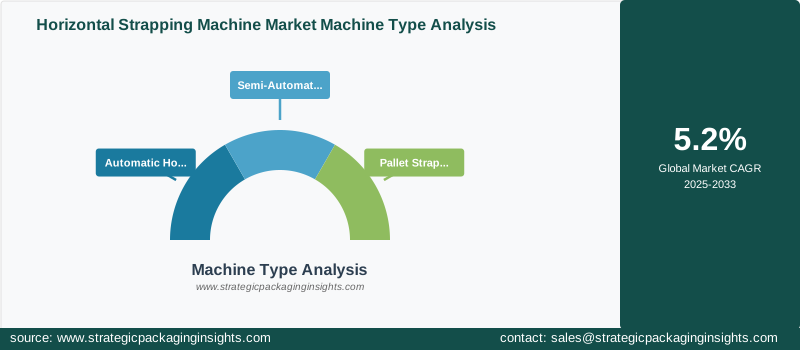
Semi-Automatic Strappers are also in demand, particularly in small to medium-sized enterprises that require flexible and cost-effective packaging solutions. These machines offer a balance between automation and manual operation, making them suitable for various applications. Pallet Strappers, on the other hand, are essential for securing large and heavy loads, ensuring safe transportation and storage. The demand for these machines is driven by the growing logistics and manufacturing sectors, which require reliable and efficient packaging solutions.
Strap Type Analysis
The market is further segmented by strap type into PP, PET, and Steel. PP straps are widely used due to their cost-effectiveness and versatility, making them suitable for a range of applications. PET straps, known for their strength and durability, are preferred for heavy-duty applications, such as securing pallets and timber packaging. Steel straps, although less common, are essential for applications that require maximum strength and security, such as in the construction and manufacturing industries.
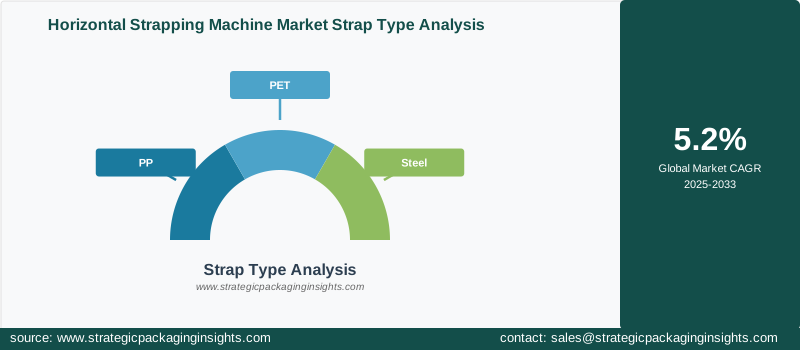
The choice of strap type is influenced by factors such as cost, strength, and environmental impact. As sustainability becomes a key consideration, companies are increasingly opting for recyclable and eco-friendly strap materials. This trend is driving innovation in the market, with manufacturers developing new materials and technologies to meet the evolving needs of their customers.
Application Analysis
The Horizontal Strapping Machine market is segmented by application into Pallet Securing, Carton Bundling, and Timber Packaging. Pallet Securing is a major application, driven by the growing logistics and transportation sectors. These machines ensure that goods are securely strapped, reducing the risk of damage during transit. Carton Bundling is another important application, particularly in the e-commerce and retail sectors, where efficient packaging is crucial for customer satisfaction.
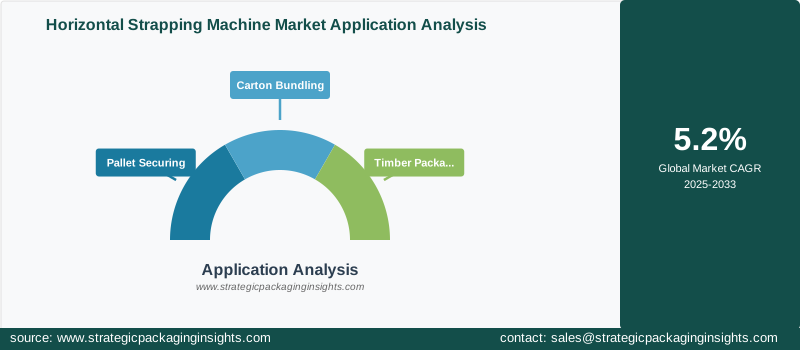
Timber Packaging is a niche application, but it is gaining traction due to the increasing demand for sustainable and eco-friendly packaging solutions. Companies are investing in advanced strapping technologies to cater to this growing market, offering innovative solutions that enhance packaging efficiency and reduce environmental impact.
End Use Analysis
The market is segmented by end use into Logistics, Manufacturing, Construction, and Food & Beverage. The logistics sector is a major driver of the market, as it requires reliable and efficient packaging solutions to ensure the safe transportation of goods. Manufacturing is another key end-use sector, with companies investing in advanced strapping machines to enhance operational efficiency and reduce labor costs.
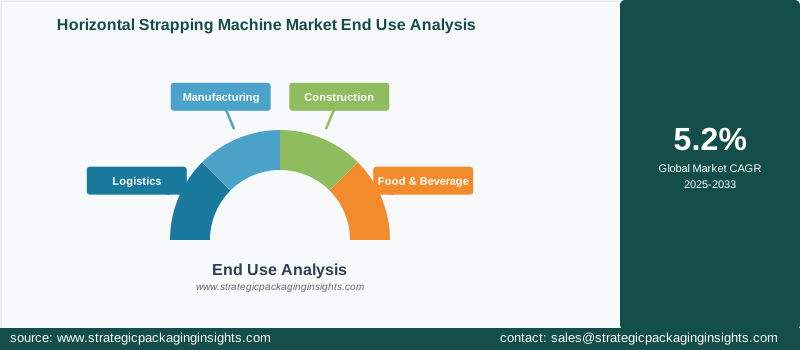
The construction industry is also a significant end-use sector, as it requires strong and durable strapping solutions for securing heavy loads. The Food & Beverage sector, although smaller, is growing rapidly due to the increasing demand for efficient and sustainable packaging solutions. Companies are focusing on developing innovative strapping technologies to cater to the unique needs of these diverse end-use sectors.
Horizontal Strapping Machine Market Segments
The Horizontal Strapping Machine market has been segmented on the basis ofMachine Type
- Automatic Horizontal Strappers
- Semi-Automatic Strappers
- Pallet Strappers
Strap Type
- PP
- PET
- Steel
Application
- Pallet Securing
- Carton Bundling
- Timber Packaging
End Use
- Logistics
- Manufacturing
- Construction
- Food & Beverage
Region
- Asia Pacific
- North America
- Latin America
- Europe
- Middle East & Africa




