


High-Durability Washing-Resistant Reusable Packaging Components Market Outlook
The High-Durability Washing-Resistant Reusable Packaging Components market was valued at $478.60 million in 2025 and is projected to reach $1.10 billion by 2034, growing at a CAGR of 9.6% during the forecast period 2026-2034. This market is witnessing significant growth due to the increasing demand for sustainable packaging solutions that can withstand rigorous washing processes. The shift towards eco-friendly packaging alternatives is driven by both consumer preferences and stringent environmental regulations. The market's expansion is further fueled by advancements in material technology, which enhance the durability and lifespan of reusable packaging components, making them more cost-effective over time.
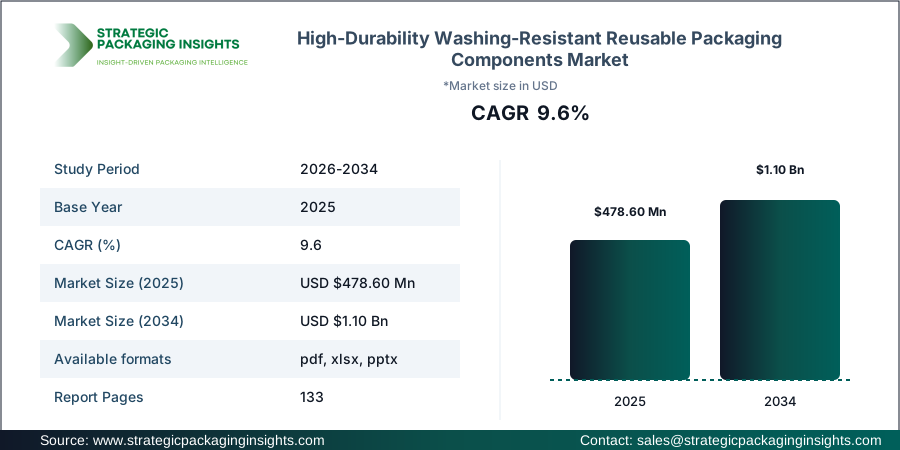
Despite the promising growth trajectory, the market faces challenges such as high initial investment costs and the need for robust infrastructure to support the reuse and recycling processes. Regulatory frameworks across different regions also pose a challenge, as they vary significantly, impacting the standardization of reusable packaging solutions. However, the potential for growth remains substantial, particularly as industries such as foodservice, retail, and logistics increasingly adopt reusable packaging to reduce their carbon footprint and align with sustainability goals. The market's potential is further amplified by technological innovations that improve the efficiency and effectiveness of washing-resistant packaging components.
Report Scope
| Attributes | Details |
| Report Title | High-Durability Washing-Resistant Reusable Packaging Components Market Size, Future Growth and Forecast 2034 |
| Component Type | Closures, Crates, Cups, Trays |
| Material Type | PP, HDPE, Silicone, Stainless Steel |
| Application | Foodservice Reuse, Beverage Reuse, Retail Logistics |
| End Use | QSR, Retailers, Events, Logistics Providers |
| Region | Asia Pacific, North America, Latin America, Europe, Middle East & Africa |
| Base Year | 2025 |
| Historic Period | 2018-2024 |
| Forecast Period | 2026-2034 |
| Number of Pages | 133 |
| Customization Available | Yes* |
Opportunities & Threats
The High-Durability Washing-Resistant Reusable Packaging Components market presents numerous opportunities, particularly in the realm of sustainability. As global awareness of environmental issues grows, there is a significant push towards reducing single-use plastics and adopting reusable alternatives. This shift is creating a fertile ground for companies to innovate and offer products that not only meet durability standards but also align with eco-friendly practices. The foodservice and retail sectors are particularly ripe for disruption, as they seek to minimize waste and enhance their sustainability credentials. Additionally, advancements in material science are opening new avenues for developing packaging components that are not only washing-resistant but also lightweight and cost-effective.
Another opportunity lies in the expansion of e-commerce and the corresponding need for efficient logistics solutions. Reusable packaging components that can withstand multiple cycles of use without degrading are becoming increasingly valuable in this context. Companies that can offer durable, washing-resistant solutions that integrate seamlessly into existing supply chains stand to gain a competitive edge. Furthermore, partnerships and collaborations with logistics providers and retailers can facilitate the adoption of these solutions on a larger scale, driving market growth.
However, the market is not without its threats. One of the primary challenges is the high initial cost associated with transitioning to reusable packaging systems. This can be a significant barrier for small and medium-sized enterprises that may lack the capital to invest in new infrastructure. Additionally, the market is subject to regulatory pressures that can vary widely across regions, creating complexities in compliance and standardization. Companies must navigate these regulatory landscapes carefully to avoid potential pitfalls. Moreover, the durability of washing-resistant components must be balanced with cost considerations, as overly expensive solutions may deter widespread adoption.
Drivers & Challenges
The primary drivers of the High-Durability Washing-Resistant Reusable Packaging Components market include the increasing demand for sustainable packaging solutions and the growing emphasis on reducing environmental impact. As consumers become more environmentally conscious, there is a heightened demand for packaging solutions that minimize waste and promote reuse. This trend is particularly pronounced in industries such as foodservice and retail, where packaging waste is a significant concern. Additionally, advancements in material technology are enabling the development of more durable and cost-effective reusable packaging components, further driving market growth.
Another key driver is the regulatory landscape, which is increasingly favoring sustainable packaging solutions. Governments and regulatory bodies worldwide are implementing stricter regulations on single-use plastics, creating a favorable environment for the adoption of reusable packaging components. This regulatory push is encouraging companies to invest in sustainable packaging solutions that comply with these new standards. Furthermore, the economic benefits of reusable packaging, such as reduced waste disposal costs and improved brand image, are compelling businesses to adopt these solutions.
Despite these drivers, the market faces several challenges. One of the primary challenges is the high initial investment required to transition to reusable packaging systems. This can be a significant barrier for companies, particularly small and medium-sized enterprises, that may lack the necessary capital. Additionally, the market is subject to regulatory complexities, as standards and requirements can vary significantly across regions. Companies must navigate these regulatory landscapes carefully to ensure compliance and avoid potential penalties. Moreover, the durability of washing-resistant components must be balanced with cost considerations, as overly expensive solutions may deter widespread adoption.
Market Share Analysis
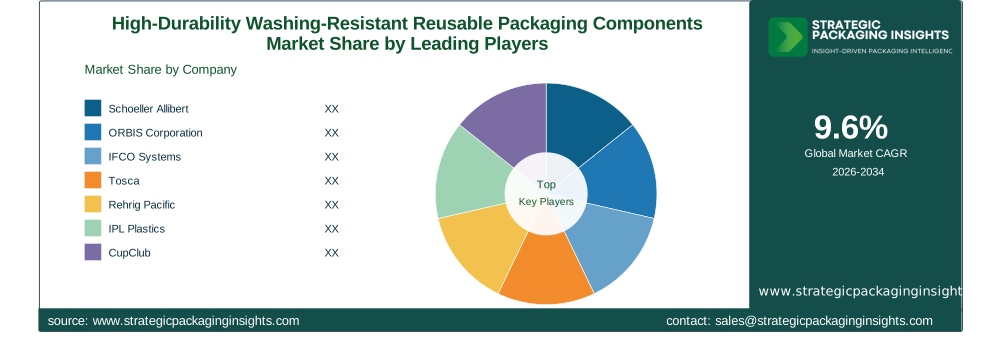
The competitive landscape of the High-Durability Washing-Resistant Reusable Packaging Components market is characterized by the presence of several key players who are driving innovation and growth. Companies such as Schoeller Allibert, ORBIS Corporation, and IFCO Systems are leading the charge with their extensive product portfolios and strong market presence. These companies are leveraging their expertise in material science and packaging design to develop solutions that meet the evolving needs of consumers and businesses alike. Their focus on sustainability and durability is positioning them as leaders in the market.
Schoeller Allibert, for instance, is renowned for its innovative approach to reusable packaging solutions. The company offers a wide range of products that are designed to withstand rigorous washing processes while maintaining their structural integrity. Similarly, ORBIS Corporation is a key player in the market, known for its durable and cost-effective packaging solutions that cater to various industries, including foodservice and logistics. IFCO Systems, on the other hand, specializes in reusable plastic containers that are widely used in the retail and logistics sectors.
Other notable companies in the market include Tosca, Rehrig Pacific, and IPL Plastics, each of which brings unique strengths to the table. Tosca is recognized for its focus on supply chain optimization and sustainability, offering solutions that enhance efficiency and reduce waste. Rehrig Pacific is a leader in the development of innovative packaging solutions that are both durable and environmentally friendly. IPL Plastics, meanwhile, is known for its commitment to sustainability and its ability to deliver high-quality packaging solutions that meet the needs of diverse industries.
Emerging players such as CupClub, Again, and Algramo are also making significant strides in the market. These companies are leveraging technology and innovation to offer unique solutions that address the challenges of reusable packaging. CupClub, for example, provides a returnable packaging service that integrates seamlessly into existing supply chains, while Again focuses on developing durable and cost-effective packaging solutions for the foodservice industry. Algramo, on the other hand, is pioneering the use of smart technology to enhance the efficiency and effectiveness of reusable packaging systems.
Key Highlights
- The market is projected to grow at a CAGR of 9.6% from 2026 to 2034.
- Advancements in material technology are driving the development of more durable and cost-effective packaging components.
- Regulatory frameworks favoring sustainable packaging solutions are creating a favorable environment for market growth.
- The foodservice and retail sectors are key drivers of demand for reusable packaging components.
- High initial investment costs and regulatory complexities pose challenges to market growth.
- Companies are leveraging technology and innovation to offer unique solutions that address the challenges of reusable packaging.
- The market is characterized by the presence of several key players, including Schoeller Allibert, ORBIS Corporation, and IFCO Systems.
- Emerging players such as CupClub, Again, and Algramo are making significant strides in the market.
- The economic benefits of reusable packaging, such as reduced waste disposal costs and improved brand image, are compelling businesses to adopt these solutions.
- The market is witnessing significant growth due to the increasing demand for sustainable packaging solutions that can withstand rigorous washing processes.
Top Countries Insights
In the High-Durability Washing-Resistant Reusable Packaging Components market, the United States stands out as a key player, with a market size of approximately $250 million and a CAGR of 8%. The country's strong regulatory framework supporting sustainable packaging solutions, coupled with a robust logistics infrastructure, drives market growth. The demand for eco-friendly packaging in the foodservice and retail sectors further propels the market, as companies seek to align with sustainability goals and reduce their environmental impact.
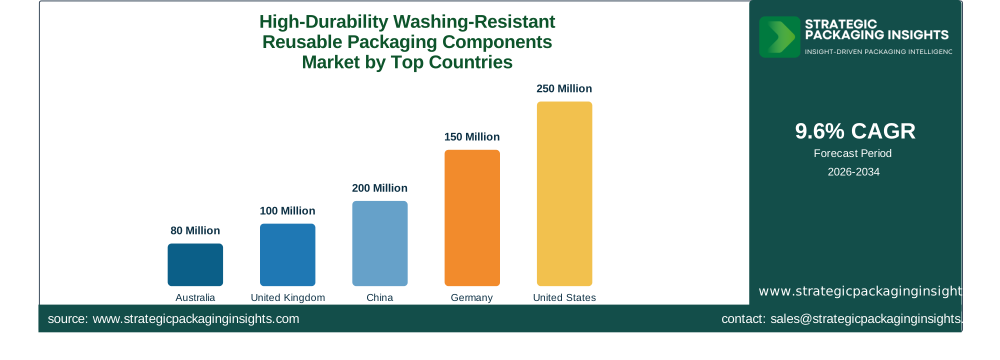
Germany is another significant market, with a market size of around $150 million and a CAGR of 7%. The country's stringent environmental regulations and strong emphasis on sustainability create a favorable environment for the adoption of reusable packaging components. The presence of leading packaging companies and a well-established logistics network further support market growth. Additionally, the growing consumer awareness of environmental issues drives demand for sustainable packaging solutions.
China, with a market size of approximately $200 million and a CAGR of 10%, is a rapidly growing market for high-durability washing-resistant reusable packaging components. The country's expanding e-commerce sector and increasing focus on sustainability drive demand for reusable packaging solutions. Government initiatives promoting environmental protection and waste reduction further support market growth. The presence of a large manufacturing base and advancements in material technology also contribute to the market's expansion.
In the United Kingdom, the market size is estimated at $100 million, with a CAGR of 6%. The country's strong regulatory framework and growing consumer demand for sustainable packaging solutions drive market growth. The foodservice and retail sectors are key drivers of demand, as companies seek to reduce waste and enhance their sustainability credentials. The presence of innovative packaging companies and a well-developed logistics infrastructure further support market expansion.
Australia, with a market size of approximately $80 million and a CAGR of 5%, is an emerging market for high-durability washing-resistant reusable packaging components. The country's focus on sustainability and waste reduction, coupled with a growing e-commerce sector, drives demand for reusable packaging solutions. Government initiatives promoting environmental protection and the presence of innovative packaging companies further support market growth. The foodservice and retail sectors are key drivers of demand, as companies seek to align with sustainability goals and reduce their environmental impact.
High-Durability Washing-Resistant Reusable Packaging Components Market Segments Insights

Component Type Analysis
The component type segment of the High-Durability Washing-Resistant Reusable Packaging Components market is crucial, as it encompasses closures, crates, cups, and trays. Each of these components plays a vital role in the packaging ecosystem, offering unique benefits and applications. Closures, for instance, are essential for maintaining the integrity and freshness of packaged goods, particularly in the food and beverage sectors. The demand for durable and washing-resistant closures is driven by the need for reliable sealing solutions that can withstand multiple cycles of use without compromising quality.
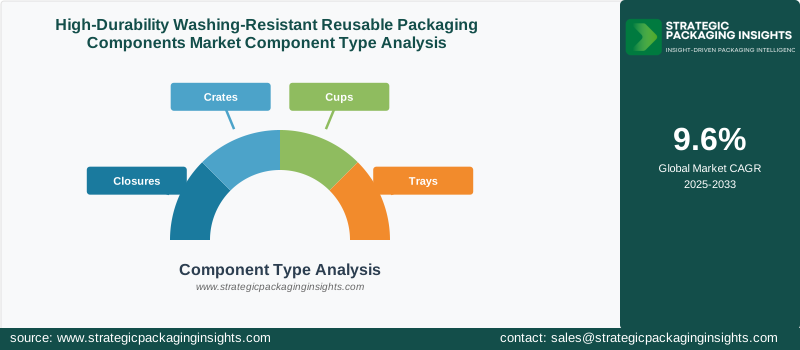
Crates are another significant component, widely used in logistics and retail sectors for the transportation and storage of goods. The durability and washing resistance of crates are critical, as they are subjected to rigorous handling and cleaning processes. The market for crates is driven by the need for efficient and sustainable logistics solutions that reduce waste and enhance supply chain efficiency. Cups and trays, on the other hand, are primarily used in the foodservice industry, where hygiene and durability are paramount. The demand for washing-resistant cups and trays is driven by the need for reusable solutions that minimize waste and align with sustainability goals.
Material Type Analysis
The material type segment of the market includes PP, HDPE, silicone, and stainless steel, each offering distinct advantages and applications. Polypropylene (PP) is widely used due to its durability, lightweight nature, and cost-effectiveness. It is particularly popular in the production of crates and trays, where its washing resistance and structural integrity are highly valued. High-density polyethylene (HDPE) is another popular material, known for its strength and resistance to chemicals and moisture. It is commonly used in the production of closures and crates, where durability and washing resistance are critical.
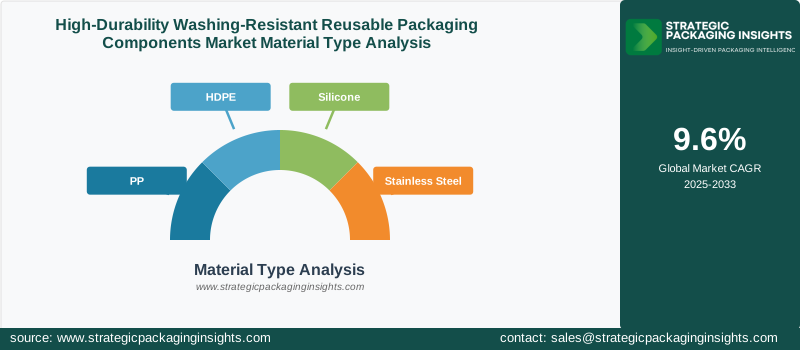
Silicone is gaining traction in the market due to its flexibility, durability, and resistance to extreme temperatures. It is particularly popular in the production of reusable cups and trays, where its washing resistance and non-toxic nature are highly valued. Stainless steel, on the other hand, is known for its strength, durability, and resistance to corrosion. It is commonly used in the production of closures and trays, where its washing resistance and long lifespan are critical. The demand for these materials is driven by the need for durable and cost-effective solutions that can withstand rigorous washing processes and align with sustainability goals.
Application Analysis
The application segment of the market includes foodservice reuse, beverage reuse, and retail logistics, each offering unique opportunities and challenges. The foodservice reuse segment is driven by the need for durable and washing-resistant packaging solutions that minimize waste and enhance sustainability. The demand for reusable cups, trays, and closures is particularly high in this segment, as companies seek to reduce their environmental impact and align with sustainability goals. The beverage reuse segment is also experiencing significant growth, driven by the increasing demand for reusable bottles and closures that can withstand multiple cycles of use without compromising quality.
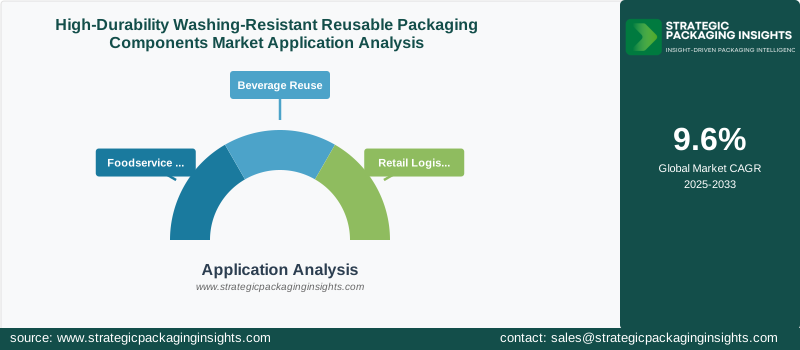
Retail logistics is another key application segment, where the demand for durable and washing-resistant crates and closures is driven by the need for efficient and sustainable logistics solutions. The market for retail logistics is driven by the need for packaging solutions that reduce waste, enhance supply chain efficiency, and align with sustainability goals. The demand for reusable packaging solutions in this segment is further driven by the growing e-commerce sector, where efficient and sustainable logistics solutions are critical to success.
End Use Analysis
The end-use segment of the market includes QSR, retailers, events, and logistics providers, each offering unique opportunities and challenges. The quick-service restaurant (QSR) segment is driven by the need for durable and washing-resistant packaging solutions that minimize waste and enhance sustainability. The demand for reusable cups, trays, and closures is particularly high in this segment, as companies seek to reduce their environmental impact and align with sustainability goals. Retailers are also significant end-users of reusable packaging components, driven by the need for efficient and sustainable logistics solutions that reduce waste and enhance supply chain efficiency.
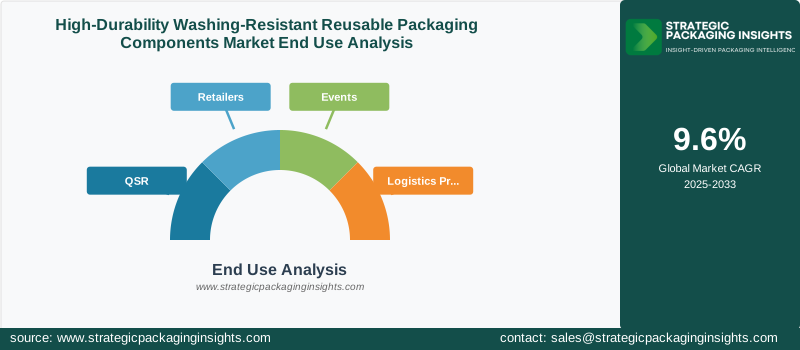
Events are another key end-use segment, where the demand for durable and washing-resistant packaging solutions is driven by the need for efficient and sustainable logistics solutions. The market for events is driven by the need for packaging solutions that reduce waste, enhance supply chain efficiency, and align with sustainability goals. Logistics providers are also significant end-users of reusable packaging components, driven by the need for efficient and sustainable logistics solutions that reduce waste and enhance supply chain efficiency. The demand for reusable packaging solutions in this segment is further driven by the growing e-commerce sector, where efficient and sustainable logistics solutions are critical to success.
High-Durability Washing-Resistant Reusable Packaging Components Market Segments
The High-Durability Washing-Resistant Reusable Packaging Components market has been segmented on the basis ofComponent Type
- Closures
- Crates
- Cups
- Trays
Material Type
- PP
- HDPE
- Silicone
- Stainless Steel
Application
- Foodservice Reuse
- Beverage Reuse
- Retail Logistics
End Use
- QSR
- Retailers
- Events
- Logistics Providers
Region
- Asia Pacific
- North America
- Latin America
- Europe
- Middle East & Africa




