


Heavy Duty Vacuum Bottle Market Outlook
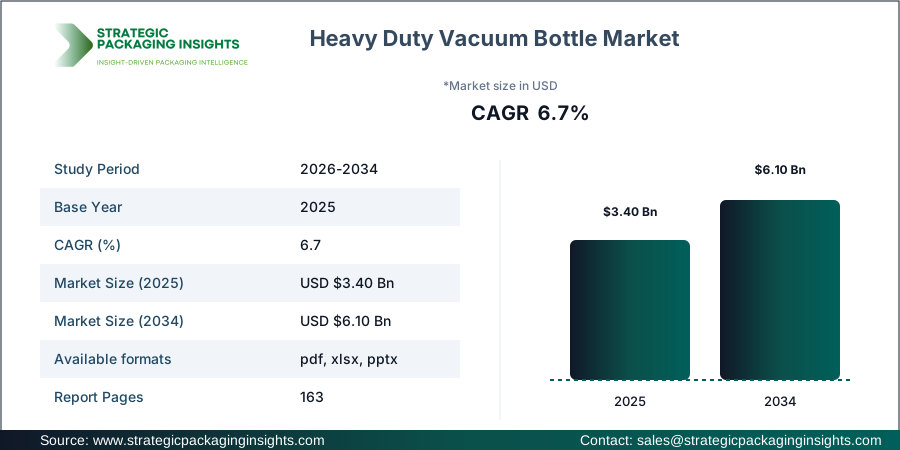
The Heavy Duty Vacuum Bottle market size was valued at USD 3.40 billion in 2025 and is anticipated to reach USD 6.10 billion by 2034, growing at a CAGR of 6.7% during the forecast period according to Strategic Packaging Insights. The market is witnessing significant growth due to the increasing demand for durable and efficient thermal insulation solutions in consumer products. Brands like YETI and Stanley are leading the charge with innovative designs and robust marketing strategies that appeal to a wide range of consumers, from outdoor enthusiasts to everyday users. The rising awareness about health and hydration, coupled with the trend of sustainable living, is further propelling the demand for heavy-duty vacuum bottles.
One of the most impactful drivers of the Heavy Duty Vacuum Bottle market is the growing consumer preference for eco-friendly and reusable products. According to recent environmental reports, there is a significant shift towards reducing single-use plastics, which has led to an increased adoption of vacuum bottles made from sustainable materials like stainless steel and glass. Brands such as Hydro Flask and Klean Kanteen are capitalizing on this trend by offering products that not only meet consumer needs but also align with their environmental values. This shift is supported by government regulations aimed at reducing plastic waste, further boosting the market's growth potential.
Report Scope
| Attributes | Details |
| Report Title | Heavy Duty Vacuum Bottle Market Size, Future Growth and Forecast 2034 |
| Material Type | Stainless Steel, Plastic, Glass, Hybrid |
| Product Type | Vacuum Insulated Bottles, Sports Bottles, Travel Bottles |
| Capacity | Below 500 ml, 500–1000 ml, Above 1000 ml |
| Distribution Channel | Online, Specialty Stores, Supermarkets, Brand Stores |
| Region | Asia Pacific, North America, Latin America, Europe, Middle East & Africa |
| Base Year | 2025 |
| Historic Period | 2018-2024 |
| Forecast Period | 2026-2034 |
| Number of Pages | 163 |
| Customization Available | Yes* |
Sustainability & Circular Economy Analysis
Sustainability initiatives are profoundly influencing the Heavy Duty Vacuum Bottle market, as consumers increasingly prioritize eco-friendly products. The use of recyclable materials such as stainless steel and glass is becoming more prevalent, driven by consumer demand for sustainable alternatives to single-use plastics. This shift is encouraging manufacturers to innovate in eco-friendly material design, focusing on lightweight and durable options that reduce environmental impact. As a result, brands like Thermos and S’well are investing in research and development to create products that meet these sustainability criteria, enhancing their market competitiveness.
The circular economy is also playing a crucial role in shaping the packaging strategies of heavy-duty vacuum bottle manufacturers. Companies are adopting waste reduction strategies and extended producer responsibility (EPR) initiatives to minimize their carbon footprint. This involves designing products that are not only recyclable but also reusable, thereby extending their lifecycle and reducing waste. These practices are influencing investment decisions and supply chain strategies, as companies seek to align with consumer sustainability preferences and regulatory compliance.
Moreover, the emphasis on ESG (Environmental, Social, and Governance) initiatives is driving companies to adopt more sustainable business practices. This includes reducing carbon emissions during manufacturing and optimizing logistics to lower the overall environmental impact. As a result, companies are re-evaluating their supply chain strategies to ensure long-term market competitiveness. By integrating sustainability into their core operations, brands are not only meeting regulatory requirements but also gaining a competitive edge in the market.
Packaging Value Chain & Supply Chain Analysis
The packaging value chain for heavy-duty vacuum bottles is complex, involving multiple stages from raw material sourcing to final product distribution. Raw materials such as stainless steel, plastic, and glass are sourced globally, with manufacturers focusing on quality and sustainability. Packaging converters and manufacturers play a critical role in transforming these materials into finished products, utilizing advanced machinery and technology to ensure efficiency and precision. This stage is crucial for maintaining product quality and meeting consumer expectations.
Logistics and distribution channels are integral components of the supply chain, ensuring that products reach consumers efficiently and cost-effectively. Companies like RTIC Outdoors and Takeya are optimizing their logistics strategies to enhance supply chain resilience and reduce transportation costs. This involves strategic partnerships with logistics providers and the adoption of advanced inventory management systems to streamline operations. By improving supply chain efficiency, companies can better meet consumer demand and maintain a competitive edge in the market.
Recycling networks and procurement strategies are also vital aspects of the supply chain, particularly in the context of sustainability. Companies are increasingly focusing on recycling initiatives to reduce waste and promote a circular economy. This involves collaborating with recycling partners and implementing procurement strategies that prioritize sustainable materials. By integrating these practices into their supply chain, companies can enhance their environmental credentials and appeal to eco-conscious consumers, ultimately driving market growth.
Opportunities & Threats
The Heavy Duty Vacuum Bottle market presents numerous opportunities for growth, driven by the increasing consumer demand for sustainable and durable products. One significant opportunity lies in the expansion of product lines to cater to diverse consumer needs, such as sports enthusiasts, travelers, and office workers. Companies can capitalize on this by developing specialized products that offer unique features, such as enhanced insulation, ergonomic designs, and customizable options. Additionally, the growing trend of outdoor activities and fitness is creating a demand for high-performance vacuum bottles, providing further opportunities for market expansion.
Another opportunity is the potential for geographic expansion, particularly in emerging markets where consumer awareness about sustainability is rising. Companies can tap into these markets by establishing local manufacturing facilities and distribution networks, thereby reducing costs and improving market penetration. Furthermore, the increasing popularity of e-commerce platforms offers a lucrative channel for reaching a broader audience and enhancing brand visibility. By leveraging digital marketing strategies and online sales channels, companies can effectively engage with consumers and drive sales growth.
Despite the opportunities, the market faces several threats that could hinder growth. One of the primary threats is the intense competition among key players, which can lead to price wars and reduced profit margins. Additionally, fluctuations in raw material prices, particularly for stainless steel and plastic, can impact production costs and profitability. Regulatory challenges related to environmental standards and product safety also pose a threat, as companies must continuously adapt to comply with evolving regulations. To mitigate these threats, companies must focus on innovation, cost management, and strategic partnerships to maintain their competitive edge.
Drivers & Challenges
The primary driver of the Heavy Duty Vacuum Bottle market is the increasing consumer awareness about health and hydration. As more individuals prioritize their well-being, the demand for high-quality, durable vacuum bottles that can maintain beverage temperature is rising. This trend is further supported by the growing popularity of outdoor activities and fitness, where consumers seek reliable hydration solutions. Brands like CamelBak and Contigo are capitalizing on this demand by offering products that cater to active lifestyles, featuring advanced insulation technology and ergonomic designs.
Another significant driver is the shift towards sustainable living, which is influencing consumer purchasing decisions. The demand for eco-friendly products is encouraging manufacturers to adopt sustainable practices and materials, such as stainless steel and glass, in their product offerings. This trend is supported by government regulations aimed at reducing plastic waste and promoting environmental responsibility. As a result, companies are investing in research and development to create innovative products that align with consumer values and regulatory requirements.
However, the market also faces several challenges that could impact growth. One of the primary challenges is the high cost of raw materials, which can affect production costs and pricing strategies. Additionally, the market is highly competitive, with numerous players vying for market share, leading to price pressures and the need for continuous innovation. Companies must also navigate complex regulatory environments, ensuring compliance with safety and environmental standards. To overcome these challenges, companies must focus on cost management, product differentiation, and strategic partnerships to maintain their market position.
Market Share Analysis
The Heavy Duty Vacuum Bottle market is characterized by a competitive landscape with several key players dominating the market. Companies like YETI, Stanley, and Hydro Flask hold significant market shares due to their strong brand presence and innovative product offerings. These companies have established themselves as leaders in the market by consistently delivering high-quality products that meet consumer needs. Their focus on sustainability and eco-friendly materials has further strengthened their market position, appealing to environmentally conscious consumers.
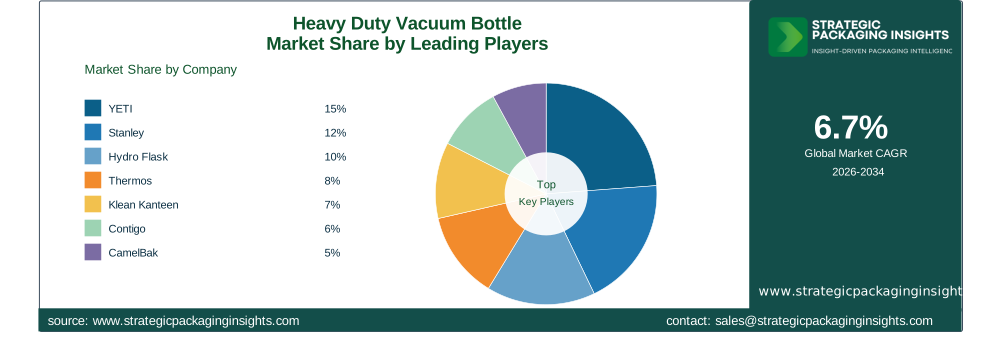
YETI, known for its durable and high-performance products, has captured a substantial share of the market. The company's commitment to innovation and quality has earned it a loyal customer base, particularly among outdoor enthusiasts. Stanley, with its long-standing reputation for reliability and durability, continues to be a preferred choice for consumers seeking robust vacuum bottles. Hydro Flask, on the other hand, has gained popularity for its stylish designs and eco-friendly materials, making it a favorite among younger consumers.
Other notable players in the market include Thermos, Klean Kanteen, and Contigo, each with its unique strengths and market strategies. Thermos, a pioneer in the vacuum bottle industry, continues to innovate with new product features and designs. Klean Kanteen is recognized for its commitment to sustainability, offering products made from recycled materials and promoting environmental responsibility. Contigo, known for its user-friendly designs and affordable pricing, appeals to a broad consumer base, further enhancing its market share.
In addition to these major players, companies like CamelBak, S’well, RTIC Outdoors, and Takeya are also making significant contributions to the market. CamelBak's focus on hydration solutions for active lifestyles has positioned it as a key player in the sports bottle segment. S’well's emphasis on style and sustainability has attracted a fashion-conscious consumer base, while RTIC Outdoors and Takeya continue to expand their product lines to meet diverse consumer needs. These companies' strategic initiatives and market presence contribute to the overall competitiveness of the Heavy Duty Vacuum Bottle market.
Key Highlights
- Market Size: The Heavy Duty Vacuum Bottle market was valued at USD 3.40 billion in 2025 and is projected to reach USD 6.10 billion by 2034.
- Growth Rate: The market is expected to grow at a CAGR of 6.7% during the forecast period.
- Leading Brands: Key players include YETI, Stanley, Hydro Flask, and Thermos.
- Material Trends: Increasing use of stainless steel and glass due to sustainability concerns.
- Product Innovation: Focus on eco-friendly and reusable designs.
- Geographic Expansion: Significant growth opportunities in Asia Pacific and Latin America.
- Distribution Channels: Online platforms and specialty stores are gaining traction.
Heavy Duty Vacuum Bottle Market Segments Insights

Material Type Analysis
The material type segment of the Heavy Duty Vacuum Bottle market is dominated by stainless steel, which is favored for its durability, thermal retention properties, and eco-friendliness. Stainless steel bottles are increasingly popular among consumers who prioritize sustainability and long-lasting products. Brands like Klean Kanteen and Hydro Flask are leveraging this trend by offering a wide range of stainless steel bottles that cater to different consumer preferences. The use of plastic, although declining due to environmental concerns, remains significant in the market, particularly for cost-effective and lightweight options. Glass and hybrid materials are also gaining traction, appealing to consumers seeking non-toxic and aesthetically pleasing alternatives.
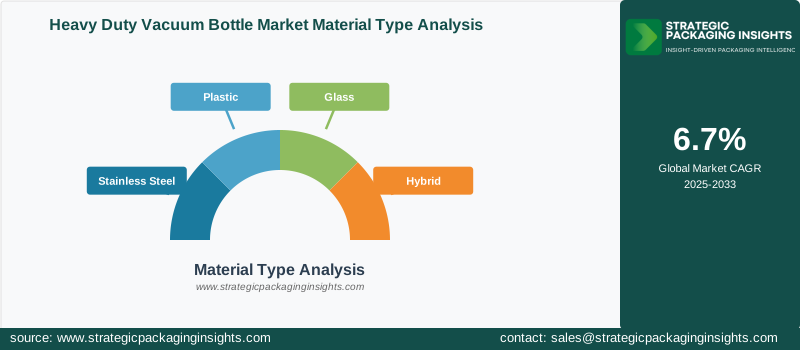
Innovation in material technology is driving the development of hybrid bottles that combine the benefits of different materials, such as the thermal retention of stainless steel with the lightweight nature of plastic. This trend is encouraging manufacturers to invest in research and development to create products that meet diverse consumer needs. The focus on eco-friendly materials is also influencing packaging design and manufacturing processes, as companies strive to reduce their environmental impact and align with consumer sustainability preferences.
Product Type Analysis
The product type segment of the Heavy Duty Vacuum Bottle market includes vacuum insulated bottles, sports bottles, and travel bottles. Vacuum insulated bottles are the most popular product type, known for their superior thermal retention capabilities and versatility. These bottles are ideal for both hot and cold beverages, making them a preferred choice for consumers seeking reliable hydration solutions. Brands like YETI and Thermos are leading the market with innovative designs that enhance user experience and functionality.
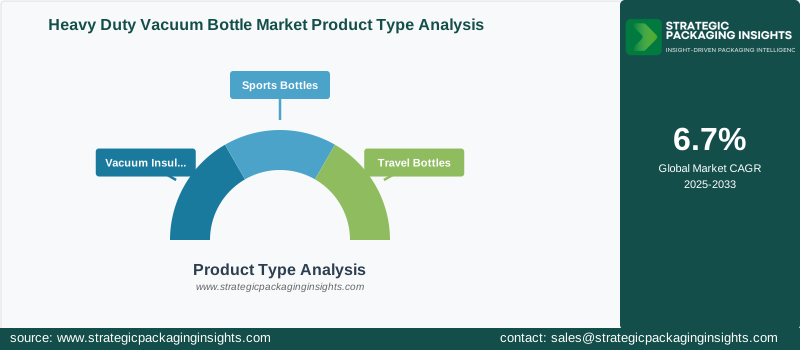
Sports bottles are gaining popularity among fitness enthusiasts and outdoor adventurers, who require durable and easy-to-use hydration solutions. Companies like CamelBak and Contigo are capitalizing on this demand by offering products with features such as ergonomic designs, spill-proof lids, and convenient carrying options. Travel bottles, designed for portability and convenience, are also seeing increased demand as consumers seek compact and lightweight options for on-the-go use. This segment is characterized by continuous innovation, with companies focusing on enhancing product features and aesthetics to attract a broader consumer base.
Capacity Analysis
The capacity segment of the Heavy Duty Vacuum Bottle market is categorized into below 500 ml, 500-1000 ml, and above 1000 ml. The 500-1000 ml segment is the most popular, offering a balance between portability and capacity, making it suitable for a wide range of consumers. This segment is particularly favored by individuals who require a moderate amount of hydration throughout the day, such as office workers and students. Brands like S’well and Takeya are focusing on this segment by offering stylish and functional designs that appeal to diverse consumer preferences.
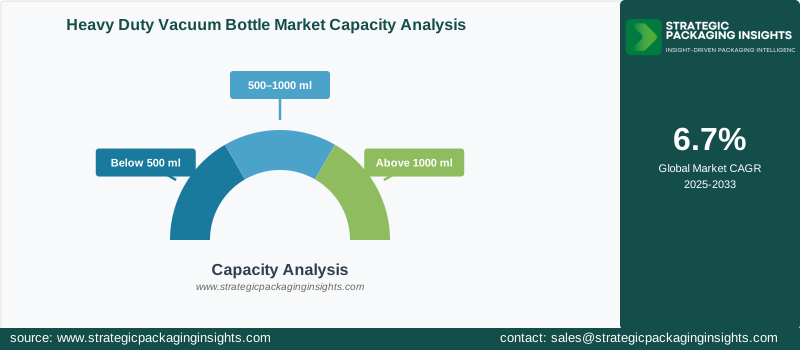
The below 500 ml segment is gaining traction among consumers seeking compact and lightweight options for short trips and quick hydration needs. These bottles are ideal for children and individuals who prefer smaller, more portable options. The above 1000 ml segment, while less popular, caters to consumers with high hydration needs, such as athletes and outdoor enthusiasts. Companies are innovating in this segment by offering products with enhanced insulation and durability to meet the demands of active lifestyles.
Distribution Channel Analysis
The distribution channel segment of the Heavy Duty Vacuum Bottle market includes online platforms, specialty stores, supermarkets, and brand stores. Online platforms are gaining significant traction, driven by the increasing popularity of e-commerce and the convenience of online shopping. Consumers are increasingly turning to online channels for their purchases, attracted by the wide range of options, competitive pricing, and ease of comparison. Brands like RTIC Outdoors and Takeya are leveraging digital marketing strategies to enhance their online presence and reach a broader audience.
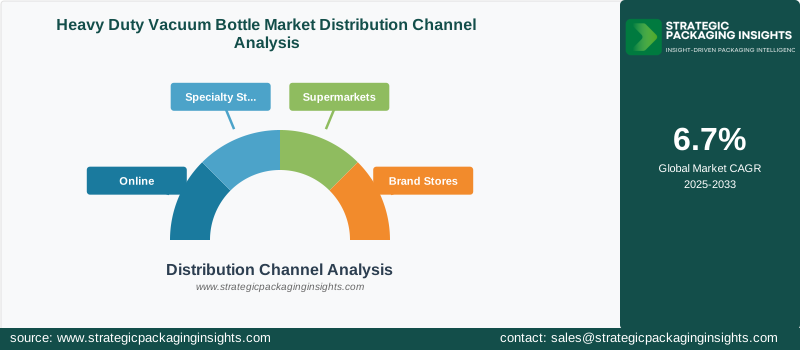
Specialty stores and brand stores remain important distribution channels, offering consumers the opportunity to experience products firsthand and receive personalized service. These channels are particularly popular among consumers seeking premium products and expert advice. Supermarkets, while less specialized, provide a convenient option for consumers looking to purchase vacuum bottles alongside their regular grocery shopping. Companies are adopting multi-channel distribution strategies to maximize their market reach and cater to diverse consumer preferences.
Heavy Duty Vacuum Bottle Market Segments
The Heavy Duty Vacuum Bottle market has been segmented on the basis ofMaterial Type
- Stainless Steel
- Plastic
- Glass
- Hybrid
Product Type
- Vacuum Insulated Bottles
- Sports Bottles
- Travel Bottles
Capacity
- Below 500 ml
- 500–1000 ml
- Above 1000 ml
Distribution Channel
- Online
- Specialty Stores
- Supermarkets
- Brand Stores
Region
- Asia Pacific
- North America
- Latin America
- Europe
- Middle East & Africa




