


Hazardous Goods Packaging Market Outlook
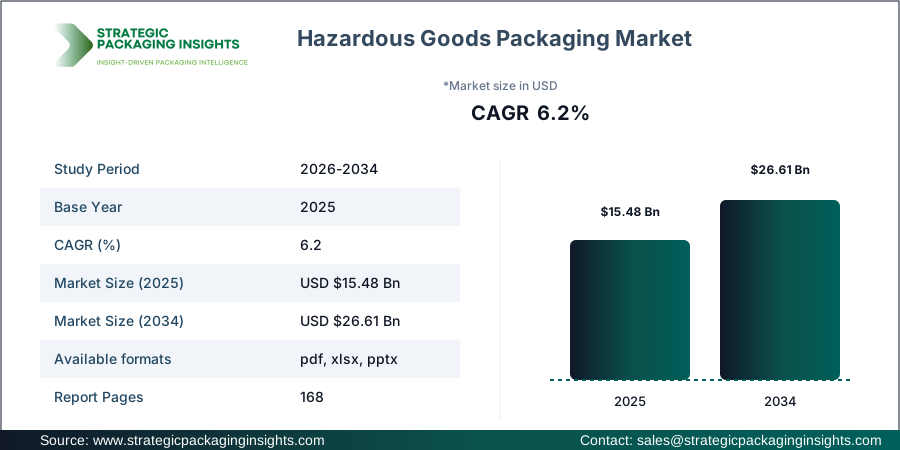
The Hazardous Goods Packaging market size was valued at USD 15.48 billion in 2025 and is anticipated to reach USD 26.61 billion by 2034, growing at a CAGR of 6.2% during the forecast period according to Strategic Packaging Insights. This market is driven by the increasing demand for safe and compliant packaging solutions for hazardous materials across various industries. Companies like Greif and Mauser Packaging Solutions are at the forefront, offering innovative packaging solutions that meet stringent safety standards. The rise in global trade and the need for secure transportation of hazardous goods are further propelling market growth. The adoption of advanced materials and technologies in packaging design is also contributing to the market's expansion.
One of the most impactful drivers of the Hazardous Goods Packaging market is the stringent regulatory framework governing the transportation and storage of hazardous materials. According to government regulations, packaging must meet specific safety standards to prevent leaks and spills, which can have severe environmental and health impacts. This regulatory pressure is pushing companies like Schutz and Berry Global to innovate and develop packaging solutions that not only comply with regulations but also enhance safety and efficiency. The growing awareness of environmental sustainability is also influencing the market, as companies strive to develop eco-friendly packaging options that reduce carbon footprints and promote circular economy practices.
Report Scope
| Attributes | Details |
| Report Title | Hazardous Goods Packaging Market Size, Future Growth and Forecast 2034 |
| By Packaging Type | Drums, IBCs, Boxes, Cans |
| By Material Type | Steel, Plastic, Fiberboard, Composite |
| By Application | Chemicals, Batteries, Infectious Substances, Flammable Liquids |
| By End Use | Chemicals, Healthcare, Energy, Logistics |
| Region | Asia Pacific, North America, Latin America, Europe, Middle East & Africa |
| Base Year | 2025 |
| Historic Period | 2018-2024 |
| Forecast Period | 2026-2034 |
| Number of Pages | 168 |
| Customization Available | Yes* |
Sustainability & Circular Economy Analysis
Sustainability initiatives are significantly shaping the Hazardous Goods Packaging market, as companies increasingly focus on reducing their environmental impact. The use of recyclable materials and the development of reusable packaging solutions are becoming standard practices. Companies like Hoover CS are investing in eco-friendly material innovations to meet consumer demand for sustainable products. These efforts are not only reducing waste but also enhancing brand reputation and customer loyalty. The integration of lightweight packaging designs is another trend, as it reduces transportation costs and carbon emissions, aligning with global sustainability goals.
The circular economy is gaining traction in the packaging industry, with companies adopting strategies to minimize waste and maximize resource efficiency. Extended Producer Responsibility (EPR) is encouraging manufacturers to take responsibility for the entire lifecycle of their products, from production to disposal. This shift is driving investment in recycling networks and waste reduction strategies, as seen with companies like Thielmann. By implementing these practices, businesses are not only complying with regulatory requirements but also gaining a competitive edge in the market.
Consumer preferences are increasingly leaning towards sustainable packaging solutions, influencing investment decisions and supply chain strategies. Packaging regulations are becoming more stringent, pushing companies to innovate and adopt eco-friendly practices. The focus on reducing carbon footprints is leading to the development of new materials and technologies that enhance packaging efficiency and sustainability. These trends are reshaping the market landscape, with companies like Balmer Lawrie leading the way in sustainable packaging solutions. As the market evolves, businesses that prioritize sustainability will likely see long-term competitiveness and growth.
Packaging Value Chain & Supply Chain Analysis
The packaging value chain for hazardous goods is complex, involving multiple stakeholders from raw material suppliers to end-users. Raw material sourcing is critical, as the quality and availability of materials like steel, plastic, and fiberboard directly impact packaging performance. Packaging converters and manufacturers play a vital role in transforming these materials into safe and compliant packaging solutions. Companies like Time Technoplast are leveraging advanced manufacturing technologies to enhance production capabilities and meet the growing demand for hazardous goods packaging.
Logistics and distribution channels are essential components of the supply chain, ensuring that packaging solutions reach their intended destinations safely and efficiently. Strategic partnerships between packaging manufacturers and logistics providers are crucial for optimizing supply chain efficiency and reducing transportation costs. Inventory management and procurement strategies are also key factors, as they influence the availability and cost-effectiveness of packaging solutions. Companies like Eagle Manufacturing are focusing on supply chain resilience and localization to mitigate risks and enhance market performance.
Recycling networks and waste management are becoming increasingly important in the packaging value chain, as companies strive to meet sustainability goals and regulatory requirements. The integration of recycling processes into the supply chain is helping businesses reduce waste and promote circular economy practices. Global sourcing and localization strategies are also influencing the market, as companies seek to balance cost efficiency with sustainability. By adopting these strategies, businesses can enhance their competitiveness and meet the evolving demands of the hazardous goods packaging market.
Opportunities & Threats
The Hazardous Goods Packaging market presents numerous opportunities for growth and innovation. The increasing demand for safe and compliant packaging solutions is driving investment in research and development. Companies are exploring new materials and technologies to enhance packaging performance and meet regulatory standards. The rise of e-commerce and global trade is also creating opportunities for market expansion, as businesses seek reliable packaging solutions for the transportation of hazardous goods. Companies like Denios are capitalizing on these trends by offering innovative and sustainable packaging solutions that cater to diverse industry needs.
Another significant opportunity lies in the growing focus on sustainability and environmental responsibility. As consumers and regulators demand eco-friendly packaging solutions, companies have the chance to differentiate themselves by adopting sustainable practices. The development of recyclable and reusable packaging options is gaining traction, offering businesses a competitive edge in the market. The integration of digital technologies, such as IoT and smart packaging, is also opening new avenues for innovation and efficiency in the hazardous goods packaging industry.
Despite the opportunities, the market faces several threats that could hinder growth. Regulatory compliance is a major challenge, as companies must navigate complex and evolving safety standards. Non-compliance can result in significant penalties and damage to brand reputation. The volatility of raw material prices is another threat, as it can impact production costs and profitability. Companies must also contend with intense competition, as new entrants and existing players vie for market share. To succeed, businesses must continuously innovate and adapt to changing market dynamics.
Drivers & Challenges
The primary drivers of the Hazardous Goods Packaging market include the increasing demand for safe and compliant packaging solutions and the stringent regulatory framework governing hazardous materials. The rise in global trade and the need for secure transportation of hazardous goods are also significant drivers. Companies like Greif and Mauser Packaging Solutions are leading the way in developing innovative packaging solutions that meet these demands. The adoption of advanced materials and technologies is further enhancing packaging performance and safety, driving market growth.
Another key driver is the growing awareness of environmental sustainability and the shift towards eco-friendly packaging solutions. Companies are investing in recyclable and reusable packaging options to meet consumer demand and regulatory requirements. The integration of digital technologies, such as IoT and smart packaging, is also driving innovation and efficiency in the market. These trends are reshaping the competitive landscape, with businesses that prioritize sustainability and innovation gaining a competitive edge.
However, the market faces several challenges that could impact growth. Regulatory compliance is a significant challenge, as companies must navigate complex and evolving safety standards. Non-compliance can result in significant penalties and damage to brand reputation. The volatility of raw material prices is another challenge, as it can impact production costs and profitability. Companies must also contend with intense competition, as new entrants and existing players vie for market share. To succeed, businesses must continuously innovate and adapt to changing market dynamics.
Market Share Analysis
The Hazardous Goods Packaging market is characterized by intense competition, with several key players dominating the landscape. Companies like Greif, Mauser Packaging Solutions, and Schutz hold significant market shares, driven by their extensive product portfolios and strong global presence. These companies are known for their innovative packaging solutions that meet stringent safety standards and regulatory requirements. Berry Global and Hoover CS are also prominent players, offering a wide range of packaging solutions for hazardous materials.
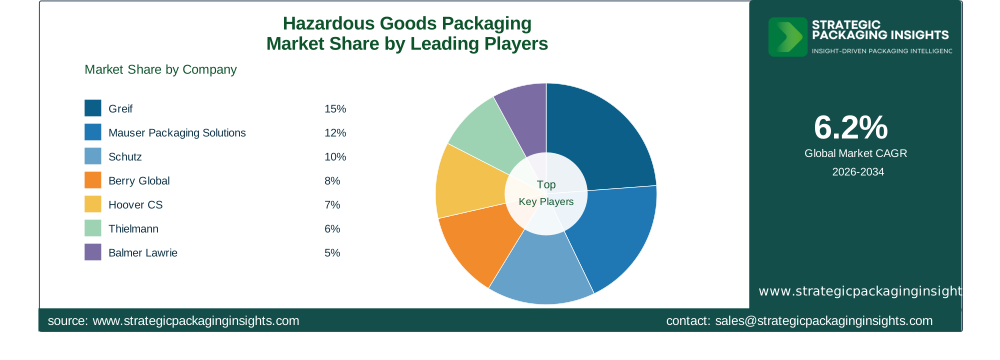
Greif is a leading player in the market, known for its comprehensive range of industrial packaging solutions. The company has a strong focus on sustainability and innovation, offering eco-friendly packaging options that meet the needs of diverse industries. Mauser Packaging Solutions is another major player, with a reputation for high-quality packaging solutions that ensure the safe transportation and storage of hazardous goods. The company's global reach and extensive product portfolio make it a preferred choice for many businesses.
Schutz is renowned for its advanced packaging technologies and commitment to sustainability. The company offers a wide range of packaging solutions, including IBCs and drums, that cater to the needs of various industries. Berry Global is a key player in the market, known for its innovative packaging solutions and strong focus on sustainability. The company's extensive product portfolio and global presence make it a formidable competitor in the hazardous goods packaging market.
Hoover CS is a leading provider of packaging solutions for hazardous materials, with a strong focus on safety and compliance. The company offers a wide range of packaging options, including IBCs and drums, that meet the needs of diverse industries. Thielmann is another prominent player, known for its high-quality stainless steel containers and commitment to sustainability. The company's global reach and extensive product portfolio make it a preferred choice for many businesses.
Key Highlights
- Market Size: USD 15.48 billion in 2025, projected to reach USD 26.61 billion by 2034.
- Growth Rate: Forecasted CAGR of 6.2% during the forecast period.
- Leading Companies: Greif, Mauser Packaging Solutions, Schutz, Berry Global, Hoover CS.
- Key Segments: Drums, IBCs, Boxes, Cans; Steel, Plastic, Fiberboard, Composite.
- Regional Growth: Asia Pacific and North America are key growth regions.
- Sustainability Focus: Increasing demand for eco-friendly and recyclable packaging solutions.
- Regulatory Compliance: Stringent regulations driving innovation and safety in packaging solutions.
Hazardous Goods Packaging Market Segments Insights

By Packaging Type Analysis
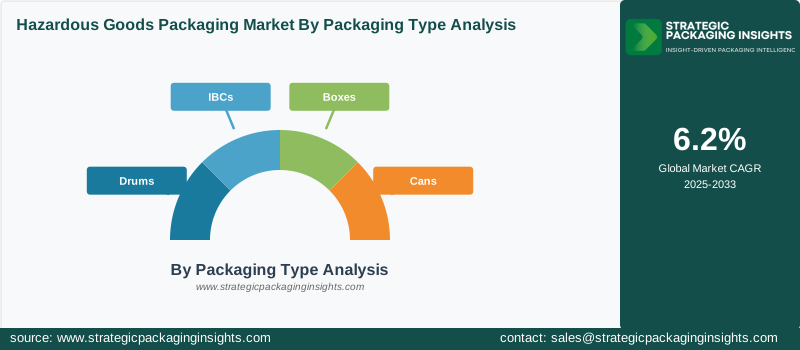
The Hazardous Goods Packaging market is segmented by packaging type into drums, IBCs, boxes, and cans. Drums are a popular choice due to their durability and ability to safely store and transport hazardous materials. Companies like Schutz and Greif are leading the way in drum manufacturing, offering innovative designs that meet stringent safety standards. IBCs, or Intermediate Bulk Containers, are also gaining traction, particularly in the chemicals and logistics sectors. Their versatility and efficiency make them a preferred choice for many businesses. Boxes and cans are used for smaller quantities of hazardous materials, with companies like Berry Global offering a range of options to suit different needs.
The demand for different packaging types is driven by the specific requirements of various industries. For example, the chemicals industry often requires robust and secure packaging solutions to prevent leaks and spills. The healthcare sector, on the other hand, may prioritize lightweight and easy-to-handle packaging options. As a result, companies are investing in research and development to create packaging solutions that cater to the unique needs of each industry. The growing focus on sustainability is also influencing packaging design, with businesses seeking eco-friendly options that reduce environmental impact.
By Material Type Analysis
The market is also segmented by material type, including steel, plastic, fiberboard, and composite materials. Steel is a popular choice for its strength and durability, making it ideal for packaging hazardous materials. Companies like Thielmann are known for their high-quality stainless steel containers that ensure the safe transportation and storage of hazardous goods. Plastic is another widely used material, offering flexibility and cost-effectiveness. However, the environmental impact of plastic is driving companies to explore alternative materials and develop recyclable options.
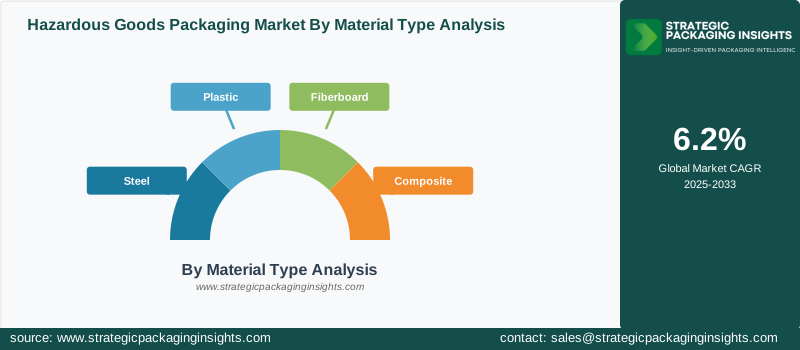
Fiberboard and composite materials are gaining popularity due to their lightweight and eco-friendly properties. These materials are particularly favored in the logistics and healthcare sectors, where ease of handling and sustainability are key considerations. The growing demand for sustainable packaging solutions is driving innovation in material development, with companies investing in research to create new materials that meet both safety and environmental standards. As the market evolves, businesses that prioritize material innovation and sustainability are likely to gain a competitive edge.
By Application Analysis
The Hazardous Goods Packaging market is segmented by application into chemicals, batteries, infectious substances, and flammable liquids. The chemicals sector is a major driver of demand, requiring robust and secure packaging solutions to prevent leaks and spills. Companies like Greif and Mauser Packaging Solutions are leading the way in developing packaging solutions that meet the stringent safety standards of the chemicals industry. The batteries sector is also a significant market, with the growing demand for electric vehicles driving the need for safe and compliant packaging solutions.
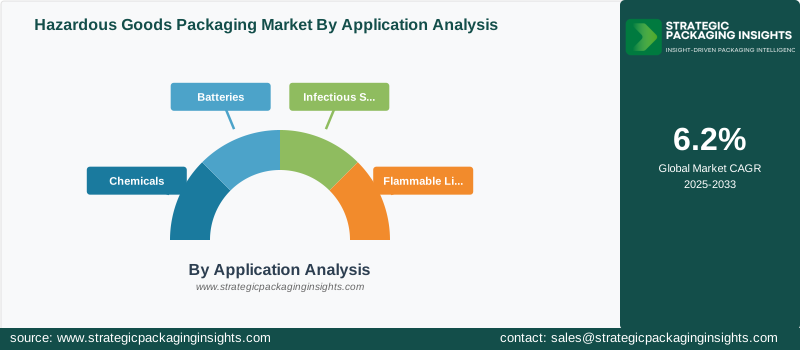
Infectious substances and flammable liquids are other key application areas, with companies investing in research and development to create packaging solutions that ensure safety and compliance. The healthcare sector, in particular, requires specialized packaging solutions for the safe transportation and storage of infectious substances. As the market evolves, businesses that can offer innovative and compliant packaging solutions for these applications are likely to see significant growth opportunities.
By End Use Analysis
The market is segmented by end use into chemicals, healthcare, energy, and logistics. The chemicals sector is a major driver of demand, requiring robust and secure packaging solutions to prevent leaks and spills. Companies like Greif and Mauser Packaging Solutions are leading the way in developing packaging solutions that meet the stringent safety standards of the chemicals industry. The healthcare sector is also a significant market, with the growing demand for safe and compliant packaging solutions for infectious substances and other hazardous materials.
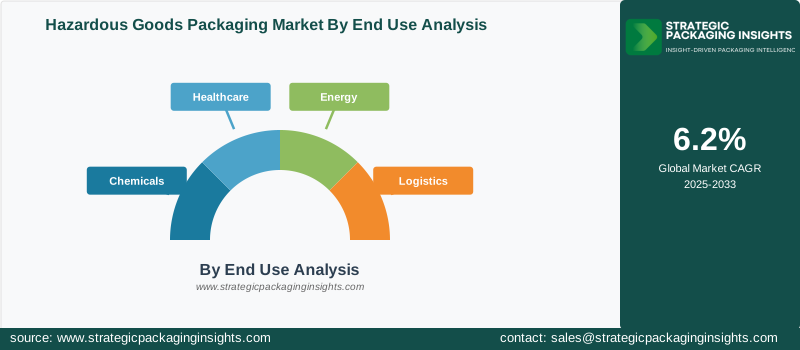
The energy sector is another key end-use market, with the growing demand for renewable energy sources driving the need for safe and efficient packaging solutions. The logistics sector is also a significant market, with the rise of e-commerce and global trade creating opportunities for market expansion. As the market evolves, businesses that can offer innovative and compliant packaging solutions for these end-use markets are likely to see significant growth opportunities.
Hazardous Goods Packaging Market Segments
The Hazardous Goods Packaging market has been segmented on the basis ofBy Packaging Type
- Drums
- IBCs
- Boxes
- Cans
By Material Type
- Steel
- Plastic
- Fiberboard
- Composite
By Application
- Chemicals
- Batteries
- Infectious Substances
- Flammable Liquids
By End Use
- Chemicals
- Healthcare
- Energy
- Logistics
Region
- Asia Pacific
- North America
- Latin America
- Europe
- Middle East & Africa




