


Hazardous Disposal Bags Market Outlook
The Hazardous Disposal Bags market size was valued at USD 1.17 billion in 2025 and is anticipated to reach USD 2.07 billion by 2034, growing at a CAGR of 6.5% during the forecast period according to Strategic Packaging Insights. The market is driven by the increasing need for safe and efficient waste management solutions in healthcare and industrial sectors. Companies like Stericycle and Daniels Health are at the forefront, providing innovative solutions to meet the stringent regulatory requirements for hazardous waste disposal. The demand for these bags is further fueled by the rising awareness about environmental sustainability and the need to prevent contamination and infection risks associated with improper waste handling.
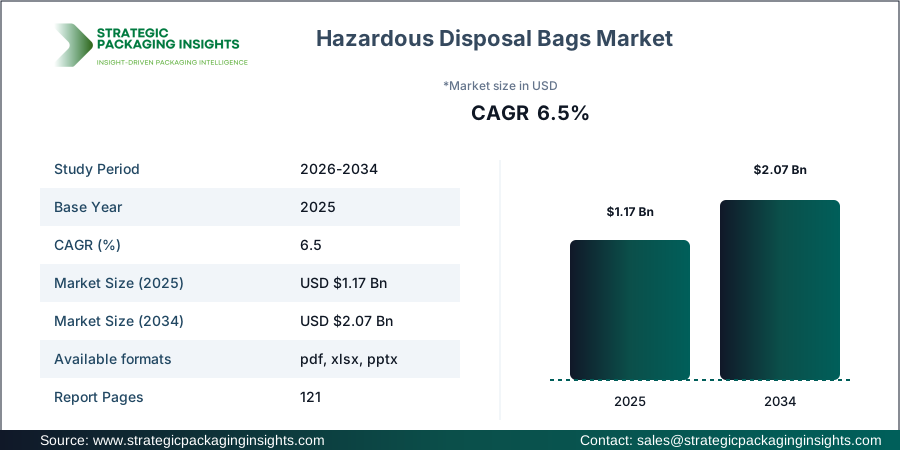
One of the most impactful drivers of the Hazardous Disposal Bags market is the stringent regulations imposed by governments worldwide to ensure safe disposal of hazardous waste. According to the Environmental Protection Agency (EPA), proper waste management is crucial to prevent environmental pollution and protect public health. This regulatory pressure compels industries and healthcare facilities to adopt reliable disposal solutions, thereby boosting the demand for hazardous disposal bags. Companies like Medline Industries and Cardinal Health are investing in research and development to create more efficient and compliant products, ensuring they meet the evolving regulatory standards and consumer expectations.
Report Scope
| Attributes | Details |
| Report Title | Hazardous Disposal Bags Market Size, Future Growth and Forecast 2034 |
| By Product Type | Biohazard Bags, Chemical Waste Bags, Autoclave Bags, Sharps Waste Bags |
| By Material Type | HDPE, LDPE, PP, Medical-Grade Plastic |
| By Application | Medical Waste, Laboratory Waste, Chemical Waste, Industrial Waste |
| By End Use | Hospitals, Laboratories, Pharma Companies, Industrial Facilities |
| Region | Asia Pacific, North America, Latin America, Europe, Middle East & Africa |
| Base Year | 2025 |
| Historic Period | 2018-2024 |
| Forecast Period | 2026-2034 |
| Number of Pages | 121 |
| Customization Available | Yes* |
Sustainability & Circular Economy Analysis
Sustainability initiatives are significantly influencing the Hazardous Disposal Bags market, as companies strive to reduce their environmental impact. The use of recyclable materials and eco-friendly innovations in bag manufacturing is becoming a standard practice. Companies are focusing on developing lightweight packaging solutions that not only reduce material usage but also lower transportation emissions. This shift towards sustainable practices is driven by consumer preferences for environmentally responsible products and the increasing pressure from regulatory bodies to minimize carbon footprints.
Incorporating circular economy principles, manufacturers are exploring ways to enhance the reusability of hazardous disposal bags. Extended Producer Responsibility (EPR) is gaining traction, encouraging companies to take accountability for the entire lifecycle of their products. This approach not only aids in waste reduction but also promotes resource efficiency. As a result, companies like Thermo Fisher Scientific and Bel-Art are investing in technologies that facilitate the recycling and safe disposal of used bags, aligning with global sustainability goals.
These sustainability trends are reshaping packaging design and manufacturing processes, influencing investment decisions and supply chain strategies. Companies are prioritizing regulatory compliance and long-term market competitiveness by adopting eco-friendly materials and waste reduction strategies. The focus on sustainability is not only enhancing brand reputation but also driving innovation in the market, as companies seek to differentiate themselves through environmentally conscious practices.
Packaging Value Chain & Supply Chain Analysis
The packaging value chain for hazardous disposal bags involves several critical stages, from raw material sourcing to final product distribution. Raw materials like HDPE, LDPE, and medical-grade plastics are sourced from reliable suppliers to ensure quality and compliance with safety standards. Packaging converters and manufacturers play a pivotal role in transforming these materials into specialized disposal bags, adhering to stringent industry regulations. Companies like Cole-Parmer and Heathrow Scientific are known for their robust manufacturing capabilities, ensuring the production of high-quality, durable bags.
Logistics and distribution channels are integral to the supply chain, ensuring timely delivery of hazardous disposal bags to end-users such as hospitals, laboratories, and industrial facilities. Efficient transportation and inventory management are crucial to maintaining supply chain resilience and meeting the growing demand. Strategic partnerships with logistics providers and distributors help companies like Dynalon and Fisherbrand optimize their supply chain operations, enhancing market performance and competitiveness.
Global sourcing and localization strategies are increasingly important as companies navigate the complexities of international trade and regulatory compliance. By establishing localized production facilities and distribution networks, companies can reduce lead times and improve service levels. This approach not only enhances supply chain efficiency but also mitigates risks associated with geopolitical uncertainties and fluctuating raw material prices. As a result, the hazardous disposal bags market is witnessing increased collaboration and innovation across the value chain, driving growth and sustainability.
Opportunities & Threats
The Hazardous Disposal Bags market presents numerous opportunities for growth, driven by the increasing demand for safe and efficient waste management solutions. The healthcare sector, in particular, offers significant potential as hospitals and laboratories seek reliable disposal options to manage medical waste. The rise in healthcare infrastructure, especially in emerging economies, is expected to boost the demand for hazardous disposal bags. Companies like Stericycle and Daniels Health are well-positioned to capitalize on these opportunities by expanding their product offerings and enhancing their distribution networks.
Another promising opportunity lies in the development of innovative materials and technologies that enhance the functionality and sustainability of hazardous disposal bags. The growing emphasis on environmental responsibility is encouraging companies to invest in research and development to create eco-friendly products. This trend is likely to drive market growth as consumers and regulatory bodies increasingly prioritize sustainability. Companies that can offer innovative, compliant, and sustainable solutions will gain a competitive edge in the market.
However, the market also faces certain threats, primarily related to regulatory compliance and environmental concerns. Stringent regulations governing the disposal of hazardous waste can pose challenges for manufacturers, requiring continuous investment in compliance and quality assurance. Additionally, the environmental impact of plastic waste is a growing concern, prompting calls for more sustainable alternatives. Companies must navigate these challenges by adopting sustainable practices and ensuring compliance with evolving regulations to maintain their market position.
Drivers & Challenges
The primary driver of the Hazardous Disposal Bags market is the increasing awareness and regulatory pressure surrounding the safe disposal of hazardous waste. Governments worldwide are implementing stringent regulations to prevent environmental pollution and protect public health, compelling industries and healthcare facilities to adopt reliable disposal solutions. This regulatory landscape is driving demand for hazardous disposal bags, as companies like Medline Industries and Cardinal Health invest in developing compliant and efficient products.
Technological advancements and innovations in material science are also driving market growth. The development of high-performance materials that enhance the durability and safety of disposal bags is a key focus for manufacturers. Companies are leveraging these advancements to create products that meet the stringent requirements of various industries, including healthcare and industrial sectors. This focus on innovation is enabling companies to differentiate themselves in a competitive market and capture a larger share of the growing demand.
Despite these drivers, the market faces challenges related to environmental concerns and regulatory compliance. The environmental impact of plastic waste is a significant issue, prompting calls for more sustainable alternatives. Companies must navigate these challenges by adopting eco-friendly practices and ensuring compliance with evolving regulations. Additionally, the high cost of compliance and quality assurance can pose financial challenges for manufacturers, requiring strategic investments in research and development to maintain competitiveness.
Market Share Analysis
The Hazardous Disposal Bags market is characterized by a competitive landscape with several key players vying for market share. Companies like Stericycle, Daniels Health, and Medline Industries are leading the market, leveraging their extensive product portfolios and strong distribution networks to maintain their competitive edge. These companies are known for their commitment to quality and compliance, ensuring their products meet the stringent regulatory requirements of the industry.
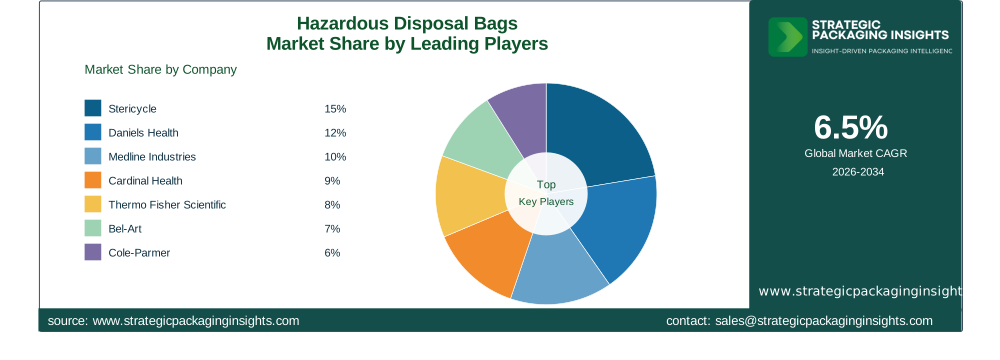
Cardinal Health and Thermo Fisher Scientific are also prominent players in the market, offering a wide range of hazardous disposal solutions to cater to diverse industry needs. Their focus on innovation and sustainability has enabled them to capture a significant share of the market, as they continue to invest in research and development to enhance their product offerings. These companies are well-positioned to capitalize on the growing demand for safe and efficient waste management solutions.
Other notable players in the market include Bel-Art, Cole-Parmer, and Heathrow Scientific, each contributing to the market's growth through their specialized product offerings and strong customer relationships. These companies are known for their focus on customer satisfaction and product innovation, ensuring they meet the evolving needs of their clients. Their strategic partnerships and collaborations with key stakeholders in the industry further enhance their market presence and competitiveness.
Dynalon and Fisherbrand are also key contributors to the market, known for their robust manufacturing capabilities and commitment to quality. These companies are focused on expanding their product portfolios and enhancing their distribution networks to capture a larger share of the market. Their emphasis on sustainability and compliance ensures they remain competitive in a rapidly evolving market landscape.
Key Highlights
- Market Size: The Hazardous Disposal Bags market was valued at USD 1.17 billion in 2025 and is projected to reach USD 2.07 billion by 2034.
- Growth Rate: The market is expected to grow at a CAGR of 6.5% during the forecast period.
- Leading Companies: Key players include Stericycle, Daniels Health, Medline Industries, and Cardinal Health.
- Product Segments: Biohazard Bags, Chemical Waste Bags, Autoclave Bags, and Sharps Waste Bags are the primary product types.
- Material Innovation: HDPE, LDPE, PP, and Medical-Grade Plastic are the key materials used in manufacturing.
- Application Areas: The market serves Medical Waste, Laboratory Waste, Chemical Waste, and Industrial Waste sectors.
- Regional Insights: Asia Pacific and North America are the leading regions in terms of market growth.
Hazardous Disposal Bags Market Segments Insights

Product Type Analysis
The Hazardous Disposal Bags market is segmented by product type into Biohazard Bags, Chemical Waste Bags, Autoclave Bags, and Sharps Waste Bags. Biohazard Bags are primarily used in healthcare settings to safely dispose of infectious waste, ensuring compliance with health and safety regulations. The demand for these bags is driven by the increasing volume of medical waste generated by hospitals and laboratories. Companies like Stericycle and Daniels Health are leading providers in this segment, offering a range of products designed to meet the stringent requirements of the healthcare industry.
Chemical Waste Bags are essential for the safe disposal of hazardous chemicals in industrial and laboratory settings. The growing emphasis on environmental safety and regulatory compliance is driving demand for these bags, as companies seek reliable solutions to manage chemical waste. Autoclave Bags are designed to withstand high temperatures, making them ideal for sterilization processes in healthcare and laboratory environments. The demand for these bags is expected to grow as healthcare facilities and laboratories prioritize infection control and safety.
Material Type Analysis
The market is also segmented by material type, with HDPE, LDPE, PP, and Medical-Grade Plastic being the primary materials used in manufacturing hazardous disposal bags. HDPE and LDPE are popular choices due to their durability and resistance to chemicals, making them suitable for a wide range of applications. PP is known for its strength and versatility, making it an ideal material for manufacturing high-performance disposal bags. Medical-Grade Plastic is specifically designed to meet the stringent requirements of the healthcare industry, ensuring safety and compliance.
The choice of material is crucial in determining the performance and safety of hazardous disposal bags. Companies are investing in research and development to create innovative materials that enhance the functionality and sustainability of their products. The focus on material innovation is driven by the need to meet regulatory requirements and consumer expectations for environmentally responsible products. As a result, companies like Thermo Fisher Scientific and Bel-Art are leading the way in developing advanced materials that offer superior performance and sustainability.
Application Analysis
The Hazardous Disposal Bags market serves a wide range of applications, including Medical Waste, Laboratory Waste, Chemical Waste, and Industrial Waste. The medical waste segment is the largest application area, driven by the increasing volume of waste generated by healthcare facilities. The need for safe and efficient disposal solutions is critical in preventing contamination and infection risks, driving demand for hazardous disposal bags. Companies like Medline Industries and Cardinal Health are key players in this segment, offering a range of products designed to meet the specific needs of the healthcare industry.
Laboratory Waste and Chemical Waste are also significant application areas, with demand driven by the need for safe disposal solutions in research and industrial settings. The growing emphasis on environmental safety and regulatory compliance is driving demand for hazardous disposal bags in these segments. Industrial Waste is another important application area, with companies seeking reliable solutions to manage hazardous waste generated by manufacturing processes. The focus on sustainability and compliance is driving innovation in this segment, as companies seek to develop products that meet the evolving needs of their clients.
End Use Analysis
The market is segmented by end use into Hospitals, Laboratories, Pharma Companies, and Industrial Facilities. Hospitals are the largest end-user segment, driven by the need for safe and efficient disposal solutions to manage medical waste. The increasing volume of waste generated by healthcare facilities is driving demand for hazardous disposal bags, as hospitals seek reliable solutions to prevent contamination and infection risks. Companies like Stericycle and Daniels Health are leading providers in this segment, offering a range of products designed to meet the specific needs of the healthcare industry.
Laboratories and Pharma Companies are also significant end-user segments, with demand driven by the need for safe disposal solutions in research and manufacturing settings. The growing emphasis on environmental safety and regulatory compliance is driving demand for hazardous disposal bags in these segments. Industrial Facilities are another important end-user segment, with companies seeking reliable solutions to manage hazardous waste generated by manufacturing processes. The focus on sustainability and compliance is driving innovation in this segment, as companies seek to develop products that meet the evolving needs of their clients.
Hazardous Disposal Bags Market Segments
The Hazardous Disposal Bags market has been segmented on the basis ofBy Product Type
- Biohazard Bags
- Chemical Waste Bags
- Autoclave Bags
- Sharps Waste Bags
By Material Type
- HDPE
- LDPE
- PP
- Medical-Grade Plastic
By Application
- Medical Waste
- Laboratory Waste
- Chemical Waste
- Industrial Waste
By End Use
- Hospitals
- Laboratories
- Pharma Companies
- Industrial Facilities
Region
- Asia Pacific
- North America
- Latin America
- Europe
- Middle East & Africa




