


Hazardous chemicals packaging Market Outlook
The hazardous chemicals packaging market was valued at $12.72 billion in 2025 and is projected to reach $24.18 billion by 2034, growing at a CAGR of 7.4% during the forecast period 2026-2034. This market is driven by the increasing demand for safe and secure packaging solutions for hazardous chemicals across various industries. The need for compliance with stringent safety regulations and the growing awareness about environmental sustainability are also contributing to the market's growth. The rise in industrial activities, particularly in emerging economies, is further fueling the demand for hazardous chemicals packaging solutions. As industries expand, the need for effective packaging to prevent chemical spills and ensure safe transportation becomes paramount.
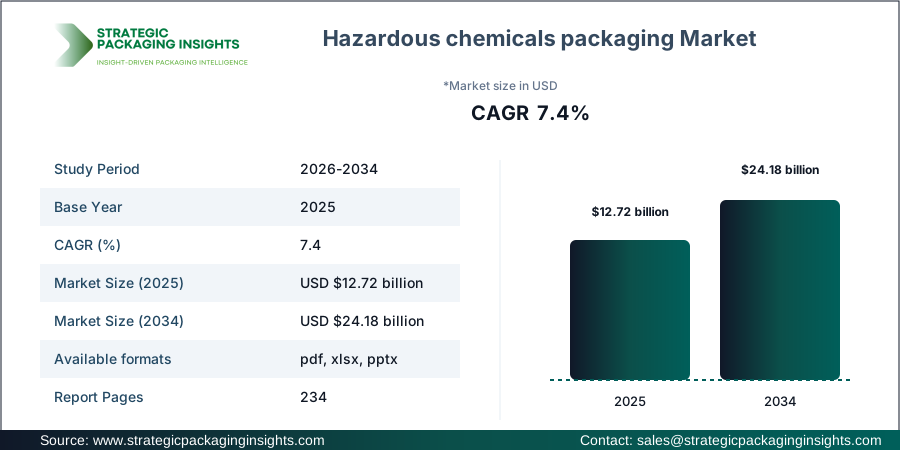
However, the market faces challenges such as the high cost of raw materials and the complexity of designing packaging that meets regulatory standards. Despite these challenges, the market holds significant growth potential due to advancements in packaging technologies and materials. Innovations in biodegradable and recyclable packaging materials are expected to create new opportunities for market players. Additionally, the increasing focus on reducing carbon footprints and enhancing the safety of chemical handling processes is likely to drive the adoption of advanced packaging solutions. The market is also witnessing a shift towards customized packaging solutions that cater to specific industry needs, further boosting its growth prospects.
Report Scope
| Attributes | Details |
| Report Title | Hazardous chemicals packaging Market Size, Future Growth and Forecast 2034 |
| By Packaging Type | Drums, IBCs, Pails, Jerry Cans |
| By Material | Steel, Plastic, Fiberboard |
| By Application | Corrosives, Flammables, Toxics |
| By End Use | Chemical, Industrial, Logistics |
| Region | Asia Pacific, North America, Latin America, Europe, Middle East & Africa |
| Base Year | 2025 |
| Historic Period | 2018-2024 |
| Forecast Period | 2026-2034 |
| Number of Pages | 234 |
| Customization Available | Yes* |
Opportunities & Threats
The hazardous chemicals packaging market presents numerous opportunities, particularly with the growing emphasis on sustainability and environmental protection. Companies are increasingly investing in research and development to create eco-friendly packaging solutions that minimize environmental impact. This trend is driven by both regulatory pressures and consumer demand for sustainable products. The development of biodegradable and recyclable packaging materials offers significant growth potential, as these solutions align with global sustainability goals. Additionally, the rise of e-commerce and the need for safe transportation of hazardous chemicals across borders present opportunities for market expansion. Companies that can offer innovative, compliant, and cost-effective packaging solutions are likely to gain a competitive edge in this evolving market.
Another opportunity lies in the customization of packaging solutions to meet specific industry requirements. As industries such as pharmaceuticals, agriculture, and chemicals continue to grow, there is an increasing demand for packaging that can safely contain and transport hazardous substances. This has led to the development of specialized packaging solutions that cater to the unique needs of different sectors. Companies that can offer tailored solutions that ensure safety, compliance, and efficiency are well-positioned to capitalize on this trend. Furthermore, advancements in smart packaging technologies, such as RFID tags and sensors, are opening new avenues for enhancing the safety and traceability of hazardous chemicals during transportation and storage.
Despite these opportunities, the market faces threats from stringent regulatory requirements and the high cost of compliance. Packaging solutions for hazardous chemicals must adhere to a complex web of international, national, and industry-specific regulations, which can be challenging for companies to navigate. Non-compliance can result in significant financial penalties and damage to brand reputation. Additionally, the high cost of raw materials and the need for continuous innovation to meet evolving safety standards can strain the resources of market players. Companies must balance the need for compliance with cost-effectiveness to remain competitive in this challenging market environment.
Drivers & Challenges
The hazardous chemicals packaging market is primarily driven by the increasing demand for safe and secure packaging solutions across various industries. As industrial activities expand globally, the need for effective packaging to prevent chemical spills and ensure safe transportation becomes critical. Regulatory bodies worldwide are imposing stringent safety standards for the packaging and transportation of hazardous chemicals, further driving the demand for compliant packaging solutions. Additionally, the growing awareness about environmental sustainability is encouraging companies to invest in eco-friendly packaging materials, which is expected to boost market growth. The rise in e-commerce and the globalization of supply chains are also contributing to the increased demand for hazardous chemicals packaging solutions.
Technological advancements in packaging materials and designs are another significant driver of market growth. Innovations in biodegradable and recyclable materials are gaining traction as companies seek to reduce their environmental impact. The development of smart packaging technologies, such as RFID tags and sensors, is enhancing the safety and traceability of hazardous chemicals during transportation and storage. These advancements are not only improving the safety and efficiency of packaging solutions but also offering new opportunities for market players to differentiate themselves in a competitive landscape. The ability to offer innovative, compliant, and cost-effective packaging solutions is becoming a key differentiator for companies in this market.
However, the market faces several challenges, including the high cost of raw materials and the complexity of designing packaging that meets regulatory standards. The need for continuous innovation to keep up with evolving safety standards can strain the resources of market players. Additionally, the market is highly competitive, with numerous players vying for market share. Companies must balance the need for compliance with cost-effectiveness to remain competitive. The threat of non-compliance with regulatory requirements is a significant challenge, as it can result in financial penalties and damage to brand reputation. Despite these challenges, the market holds significant growth potential due to the increasing demand for safe and sustainable packaging solutions.
Market Share Analysis
The hazardous chemicals packaging market is characterized by a competitive landscape with several key players vying for market share. Companies such as Greif, Mauser, Schutz, and Berry Global are among the leading players in this market, each holding a significant share. These companies have established themselves as leaders through their extensive product portfolios, strong distribution networks, and commitment to innovation. They are continuously investing in research and development to create advanced packaging solutions that meet the evolving needs of the market. The competitive landscape is further intensified by the presence of regional players who offer specialized solutions tailored to local market requirements.
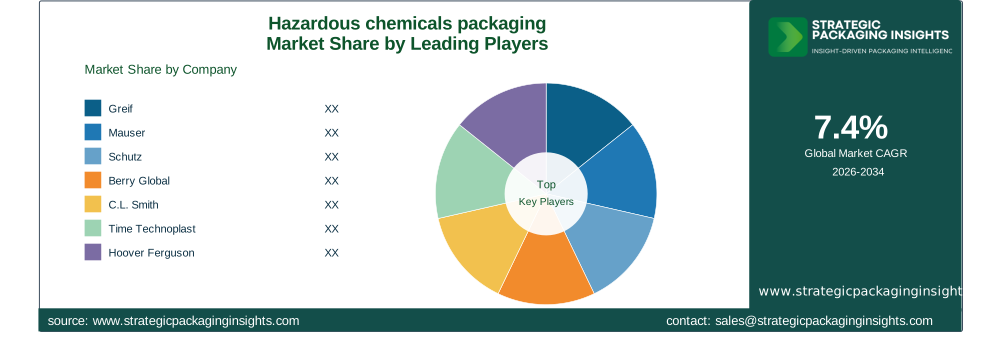
Greif is a prominent player in the hazardous chemicals packaging market, known for its comprehensive range of industrial packaging solutions. The company has a strong global presence and is committed to sustainability, offering eco-friendly packaging options to its customers. Mauser, another key player, is recognized for its innovative packaging solutions and focus on safety and compliance. The company has a robust product portfolio that includes a wide range of packaging options for hazardous chemicals. Schutz is a leader in the intermediate bulk container (IBC) segment, offering high-quality packaging solutions that ensure the safe transportation and storage of hazardous substances.
Berry Global is a major player in the plastic packaging segment, providing a diverse range of solutions for hazardous chemicals. The company is focused on sustainability and innovation, continuously developing new materials and designs to meet the needs of its customers. C.L. Smith and CL Smith are also significant players in the market, known for their expertise in custom packaging solutions. These companies have a strong focus on customer satisfaction, offering tailored solutions that meet specific industry requirements. Time Technoplast, Hoover Ferguson, Comar, and TricorBraun are other notable players in the market, each contributing to the competitive landscape with their unique offerings and capabilities.
The market is witnessing a trend towards consolidation, with larger players acquiring smaller companies to expand their product portfolios and geographic reach. This trend is driven by the need to enhance competitiveness and achieve economies of scale. Companies are also forming strategic partnerships and collaborations to leverage each other's strengths and offer comprehensive solutions to their customers. The ability to offer innovative, compliant, and cost-effective packaging solutions is becoming a key differentiator for companies in this market. As the demand for hazardous chemicals packaging continues to grow, companies that can effectively navigate the competitive landscape and meet the evolving needs of their customers are likely to succeed.
Key Highlights
- The hazardous chemicals packaging market is projected to grow at a CAGR of 7.4% from 2026 to 2034.
- Increasing demand for eco-friendly and sustainable packaging solutions is driving market growth.
- Technological advancements in packaging materials and designs are enhancing safety and efficiency.
- Stringent regulatory requirements are influencing the development of compliant packaging solutions.
- The rise of e-commerce is boosting the demand for safe transportation of hazardous chemicals.
- Customization of packaging solutions to meet specific industry needs is a growing trend.
- Key players are focusing on innovation and sustainability to gain a competitive edge.
- The market is witnessing consolidation through mergers and acquisitions.
- Smart packaging technologies are opening new avenues for market growth.
- Regional players are offering specialized solutions tailored to local market requirements.
Top Countries Insights
In the hazardous chemicals packaging market, the United States holds a significant share, driven by the presence of major chemical manufacturing industries and stringent regulatory standards. The market in the U.S. is valued at approximately $3.5 billion, with a CAGR of 6%. The country's focus on safety and compliance, along with advancements in packaging technologies, is driving market growth. Additionally, the increasing demand for sustainable packaging solutions is encouraging companies to invest in eco-friendly materials.
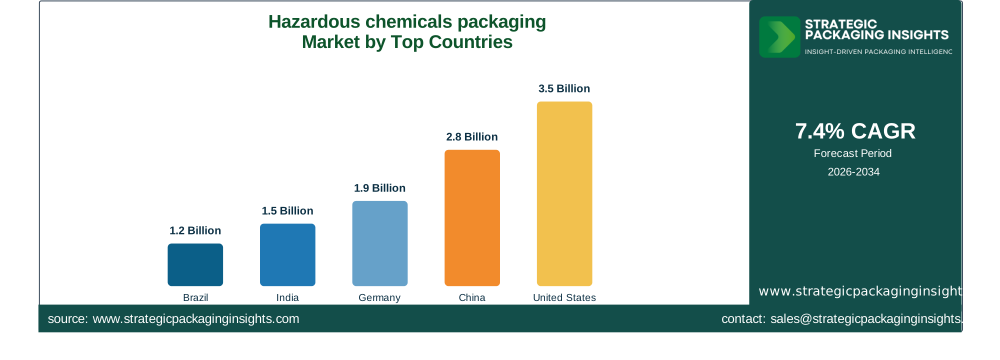
China is another key market for hazardous chemicals packaging, with a market size of around $2.8 billion and a CAGR of 8%. The rapid industrialization and expansion of the chemical sector in China are major growth drivers. The government's emphasis on environmental protection and safety regulations is also influencing the market. Companies in China are increasingly adopting advanced packaging solutions to meet regulatory requirements and enhance safety.
Germany is a leading market in Europe, with a market size of approximately $1.9 billion and a CAGR of 5%. The country's strong chemical industry and focus on innovation are driving the demand for hazardous chemicals packaging. Germany's commitment to sustainability and compliance with EU regulations is encouraging the adoption of eco-friendly packaging solutions. The market is also benefiting from advancements in smart packaging technologies.
India is emerging as a significant market for hazardous chemicals packaging, with a market size of around $1.5 billion and a CAGR of 9%. The growth of the chemical and pharmaceutical industries in India is a major driver of market expansion. The government's initiatives to promote industrial growth and safety are also contributing to the market's development. Companies in India are increasingly investing in advanced packaging solutions to ensure compliance and safety.
Brazil is a key market in Latin America, with a market size of approximately $1.2 billion and a CAGR of 7%. The country's expanding industrial sector and focus on safety and compliance are driving the demand for hazardous chemicals packaging. Brazil's emphasis on sustainability and environmental protection is encouraging the adoption of eco-friendly packaging solutions. The market is also witnessing a shift towards customized packaging solutions to meet specific industry needs.
Hazardous chemicals packaging Market Segments Insights

Packaging Type Analysis
The hazardous chemicals packaging market is segmented by packaging type into drums, IBCs, pails, and jerry cans. Drums are a popular choice due to their durability and ability to safely contain large volumes of hazardous chemicals. They are widely used in the chemical and industrial sectors for the transportation and storage of corrosive and flammable substances. The demand for drums is driven by their cost-effectiveness and compliance with safety standards. Intermediate Bulk Containers (IBCs) are gaining traction due to their versatility and efficiency in handling large quantities of hazardous materials. IBCs are favored for their ease of handling and ability to reduce packaging waste, making them an environmentally friendly option.
Pails and jerry cans are commonly used for smaller quantities of hazardous chemicals, offering convenience and ease of use. These packaging types are preferred in industries where precise dosing and easy handling are required. The demand for pails and jerry cans is driven by their lightweight nature and ability to provide secure containment for a variety of hazardous substances. As industries continue to prioritize safety and compliance, the demand for innovative packaging solutions that offer enhanced protection and ease of use is expected to grow. Companies are investing in research and development to create advanced packaging designs that meet the evolving needs of the market.
Material Analysis
The hazardous chemicals packaging market is segmented by material into steel, plastic, and fiberboard. Steel is a preferred material for packaging due to its strength and ability to withstand harsh conditions. It is commonly used for drums and IBCs, providing robust protection for hazardous chemicals during transportation and storage. The demand for steel packaging is driven by its durability and compliance with safety standards. Plastic is another widely used material, offering versatility and cost-effectiveness. Plastic packaging solutions are favored for their lightweight nature and ability to provide secure containment for a variety of hazardous substances.
Fiberboard is gaining popularity as an eco-friendly alternative to traditional packaging materials. It is used for packaging smaller quantities of hazardous chemicals, offering a sustainable option for industries looking to reduce their environmental impact. The demand for fiberboard packaging is driven by the growing emphasis on sustainability and the need for recyclable materials. As companies continue to prioritize environmental protection, the demand for innovative packaging solutions that offer both safety and sustainability is expected to increase. The market is witnessing a trend towards the development of advanced materials that provide enhanced protection and compliance with regulatory standards.
Application Analysis
The hazardous chemicals packaging market is segmented by application into corrosives, flammables, and toxics. Packaging solutions for corrosives are designed to withstand harsh chemical reactions and prevent leaks and spills. The demand for packaging solutions for corrosives is driven by the need for safe transportation and storage of chemicals used in various industries, including manufacturing and agriculture. Flammables require packaging that can prevent ignition and contain volatile substances safely. The demand for packaging solutions for flammables is driven by the need for compliance with safety regulations and the prevention of accidents during transportation and storage.
Toxics require specialized packaging solutions that can prevent contamination and ensure the safety of handlers and the environment. The demand for packaging solutions for toxics is driven by the need for compliance with stringent safety standards and the protection of public health. As industries continue to prioritize safety and compliance, the demand for innovative packaging solutions that offer enhanced protection and ease of use is expected to grow. Companies are investing in research and development to create advanced packaging designs that meet the evolving needs of the market.
End Use Analysis
The hazardous chemicals packaging market is segmented by end use into chemical, industrial, and logistics. The chemical industry is a major driver of demand for hazardous chemicals packaging, as it requires safe and compliant solutions for the transportation and storage of a wide range of hazardous substances. The demand for packaging solutions in the chemical industry is driven by the need for compliance with safety regulations and the prevention of accidents. The industrial sector also requires packaging solutions for hazardous chemicals used in manufacturing processes and other applications.
The logistics sector plays a crucial role in the transportation and distribution of hazardous chemicals, requiring packaging solutions that ensure the safe handling and delivery of these substances. The demand for packaging solutions in the logistics sector is driven by the need for compliance with safety standards and the prevention of accidents during transportation. As industries continue to prioritize safety and compliance, the demand for innovative packaging solutions that offer enhanced protection and ease of use is expected to grow. Companies are investing in research and development to create advanced packaging designs that meet the evolving needs of the market.
Hazardous chemicals packaging Market Segments
The Hazardous chemicals packaging market has been segmented on the basis ofBy Packaging Type
- Drums
- IBCs
- Pails
- Jerry Cans
By Material
- Steel
- Plastic
- Fiberboard
By Application
- Corrosives
- Flammables
- Toxics
By End Use
- Chemical
- Industrial
- Logistics
Region
- Asia Pacific
- North America
- Latin America
- Europe
- Middle East & Africa




