


Gym Bag Market Outlook
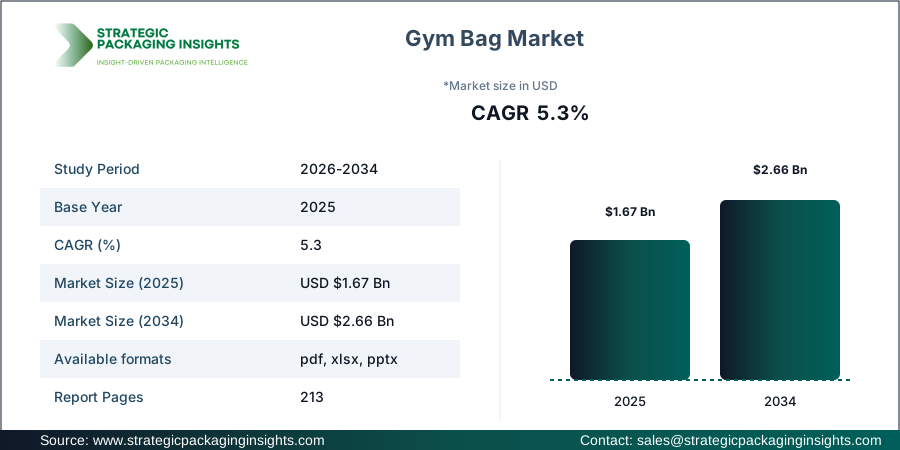
The Gym Bag market size was valued at USD 1.67 billion in 2025 and is anticipated to reach USD 2.66 billion by 2034, growing at a CAGR of 5.3% during the forecast period according to Strategic Packaging Insights. The market is witnessing robust growth driven by increasing health consciousness and the rising trend of fitness activities among individuals. Brands like Nike and Adidas are capitalizing on this trend by offering innovative gym bag designs that cater to the diverse needs of fitness enthusiasts. The demand for gym bags is further fueled by the growing popularity of athleisure fashion, which has made gym bags a staple accessory not just for workouts but also for everyday use.
One of the most impactful drivers of the gym bag market is the increasing participation in sports and fitness activities globally. According to a report by the World Health Organization, there has been a significant rise in the number of people engaging in physical activities, which directly correlates with the demand for gym bags. Brands like Puma and Under Armour are leveraging this trend by introducing versatile and durable gym bags that appeal to both amateur and professional athletes. Additionally, the growing awareness about the benefits of maintaining a healthy lifestyle is encouraging more people to join gyms and fitness centers, thereby boosting the demand for gym bags.
Report Scope
| Attributes | Details |
| Report Title | Gym Bag Market Size, Future Growth and Forecast 2034 |
| Product Type | Duffel Bags, Drawstring Bags, Backpack Gym Bags, Tote Gym Bags |
| Material Type | Polyester, Nylon, Canvas, Leather |
| Distribution Channel | Online, Sports Stores, Supermarkets, Brand Stores |
| End User | Men, Women, Kids, Athletes |
| Region | Asia Pacific, North America, Latin America, Europe, Middle East & Africa |
| Base Year | 2025 |
| Historic Period | 2018-2024 |
| Forecast Period | 2026-2034 |
| Number of Pages | 213 |
| Customization Available | Yes* |
Sustainability & Circular Economy Analysis
Sustainability initiatives are increasingly shaping the gym bag market, with brands focusing on eco-friendly materials and circular economy practices. Companies like Nike and Adidas are leading the charge by incorporating recyclable materials into their gym bag designs, reducing their carbon footprint and appealing to environmentally conscious consumers. The use of lightweight and durable materials not only enhances the functionality of gym bags but also aligns with consumer preferences for sustainable products. These initiatives are influencing packaging design and manufacturing processes, encouraging brands to invest in sustainable innovations that ensure long-term market competitiveness.
Moreover, the implementation of extended producer responsibility (EPR) regulations is prompting gym bag manufacturers to adopt waste reduction strategies. By focusing on eco-friendly material innovation, companies are not only complying with regulatory requirements but also gaining a competitive edge in the market. The shift towards sustainable practices is also impacting supply chain strategies, with brands prioritizing partnerships with suppliers who adhere to environmental, social, and governance (ESG) standards. This trend is expected to drive investment decisions and shape the future of the gym bag market, as consumers increasingly demand products that align with their sustainability values.
Consumer preferences for sustainable products are also influencing the design and functionality of gym bags. Brands are incorporating features such as reusable packaging and modular designs that allow for easy recycling and repurposing. This focus on sustainability is not only enhancing brand reputation but also attracting a loyal customer base that values eco-friendly products. As the demand for sustainable gym bags continues to grow, companies are likely to increase their investment in research and development to create innovative solutions that meet consumer expectations and regulatory standards.
Packaging Value Chain & Supply Chain Analysis
The gym bag market's value chain is a complex ecosystem involving raw material sourcing, manufacturing, logistics, and distribution. Raw material availability, particularly for sustainable materials like recycled polyester and organic cotton, plays a crucial role in the production capabilities of gym bag manufacturers. Companies like Samsonite and Herschel Supply are focusing on strategic partnerships with suppliers to ensure a steady supply of high-quality materials, which is essential for maintaining product quality and meeting consumer demand. Efficient inventory management and procurement strategies are also critical for optimizing production processes and reducing lead times.
Packaging converters and manufacturers are integral to the gym bag supply chain, as they transform raw materials into finished products ready for distribution. The use of advanced packaging machinery and technology is enhancing production efficiency and enabling manufacturers to meet the growing demand for gym bags. Logistics and distribution channels, including online platforms and retail stores, are crucial for reaching a wide consumer base. Companies are investing in robust logistics networks to ensure timely delivery and enhance customer satisfaction, which is vital for maintaining a competitive edge in the market.
Supply chain resilience is a key focus for gym bag manufacturers, particularly in the face of global disruptions such as the COVID-19 pandemic. Brands are adopting localization strategies to mitigate risks associated with global sourcing and ensure a reliable supply of materials and products. By strengthening their supply chain networks and diversifying their sourcing strategies, companies can enhance their market performance and business competitiveness. The integration of recycling networks into the supply chain is also becoming increasingly important, as brands seek to minimize waste and promote circular economy practices.
Opportunities & Threats
The gym bag market presents numerous opportunities for growth, driven by the increasing popularity of fitness activities and the rising demand for stylish and functional gym bags. Brands like Lululemon and The North Face are capitalizing on this trend by offering innovative designs that cater to the diverse needs of consumers. The growing trend of athleisure fashion is also creating opportunities for gym bag manufacturers to expand their product offerings and tap into new consumer segments. Additionally, the increasing focus on sustainability is opening up opportunities for brands to differentiate themselves by offering eco-friendly gym bags that appeal to environmentally conscious consumers.
Another significant opportunity in the gym bag market is the expansion of distribution channels, particularly online platforms. The rise of e-commerce has made it easier for consumers to access a wide range of gym bags, providing brands with the opportunity to reach a global audience. Companies are investing in digital marketing strategies to enhance their online presence and attract a larger customer base. The growing popularity of social media platforms is also providing brands with new avenues to engage with consumers and promote their products, further driving market growth.
Despite the numerous opportunities, the gym bag market also faces several threats that could impact its growth. One of the primary challenges is the increasing competition from counterfeit products, which can undermine brand reputation and erode market share. Brands need to invest in robust anti-counterfeiting measures to protect their products and maintain consumer trust. Additionally, fluctuations in raw material prices and supply chain disruptions can pose significant challenges for gym bag manufacturers, affecting production costs and profitability. Companies need to adopt effective risk management strategies to mitigate these threats and ensure long-term market success.
Drivers & Challenges
The gym bag market is driven by several key factors, including the increasing participation in sports and fitness activities and the growing trend of athleisure fashion. Brands like Nike and Adidas are leveraging these trends by offering innovative gym bag designs that cater to the diverse needs of consumers. The rising awareness about the importance of maintaining a healthy lifestyle is also driving demand for gym bags, as more people join gyms and fitness centers. Additionally, the growing popularity of outdoor activities and adventure sports is boosting the demand for durable and versatile gym bags that can withstand various environmental conditions.
Another significant driver of the gym bag market is the increasing focus on sustainability and eco-friendly products. Consumers are becoming more conscious of the environmental impact of their purchases, leading to a growing demand for gym bags made from sustainable materials. Brands are responding to this trend by incorporating recyclable and biodegradable materials into their products, enhancing their appeal to environmentally conscious consumers. The implementation of extended producer responsibility (EPR) regulations is also encouraging manufacturers to adopt sustainable practices, further driving market growth.
Despite the positive drivers, the gym bag market faces several challenges that could impact its growth. One of the primary challenges is the increasing competition from counterfeit products, which can undermine brand reputation and erode market share. Brands need to invest in robust anti-counterfeiting measures to protect their products and maintain consumer trust. Additionally, fluctuations in raw material prices and supply chain disruptions can pose significant challenges for gym bag manufacturers, affecting production costs and profitability. Companies need to adopt effective risk management strategies to mitigate these threats and ensure long-term market success.
Market Share Analysis
The gym bag market is characterized by intense competition, with several key players vying for market share. Companies like Nike, Adidas, and Puma dominate the market, leveraging their strong brand recognition and extensive distribution networks to maintain a competitive edge. These brands are known for their innovative designs and high-quality products, which appeal to a wide range of consumers. Nike, for example, offers a diverse range of gym bags that cater to different consumer preferences, from stylish duffel bags to functional backpack gym bags.
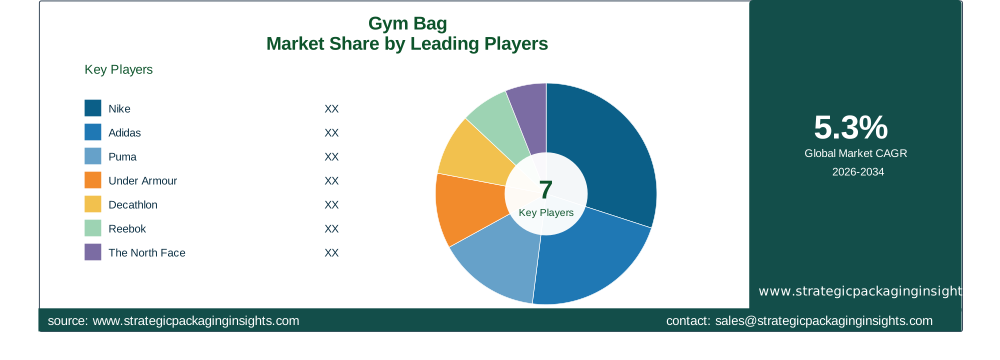
Adidas is another major player in the gym bag market, known for its focus on sustainability and eco-friendly products. The company has introduced several gym bag designs made from recycled materials, appealing to environmentally conscious consumers. Puma, on the other hand, is known for its stylish and trendy gym bags that cater to the fashion-forward consumer. The company's strong presence in the sports and fitness industry has helped it maintain a significant market share.
Under Armour and Decathlon are also key players in the gym bag market, known for their durable and versatile products. Under Armour's gym bags are designed to withstand various environmental conditions, making them popular among outdoor enthusiasts and adventure sports enthusiasts. Decathlon, with its extensive range of affordable gym bags, caters to budget-conscious consumers, further expanding its market reach.
Other notable players in the gym bag market include The North Face, Samsonite, Herschel Supply, and Lululemon. These companies are known for their high-quality products and innovative designs, which appeal to a wide range of consumers. The North Face, for example, offers durable and functional gym bags that are popular among outdoor enthusiasts. Samsonite, known for its premium luggage products, offers stylish and functional gym bags that cater to the needs of frequent travelers. Herschel Supply and Lululemon, with their trendy and fashionable gym bags, appeal to the fashion-conscious consumer.
Key Highlights
- Market Size: The gym bag market was valued at USD 1.67 billion in 2025 and is projected to reach USD 2.66 billion by 2034.
- Growth Rate: The market is expected to grow at a CAGR of 5.3% during the forecast period.
- Leading Brands: Nike, Adidas, and Puma are the dominant players in the market.
- Sustainability Focus: Increasing demand for eco-friendly gym bags made from recyclable materials.
- Distribution Channels: Online platforms and sports stores are key distribution channels.
- Product Innovation: Brands are focusing on innovative designs to cater to diverse consumer needs.
- Regional Growth: Asia Pacific is expected to witness significant growth due to rising fitness trends.
Gym Bag Market Segments Insights

Product Type Analysis
The gym bag market is segmented by product type into duffel bags, drawstring bags, backpack gym bags, and tote gym bags. Duffel bags are the most popular segment, known for their spacious design and versatility, making them ideal for gym-goers who need to carry multiple items. Brands like Nike and Adidas offer a wide range of duffel bags that cater to different consumer preferences, from stylish designs to functional features. Backpack gym bags are also gaining popularity, particularly among younger consumers who prefer hands-free convenience. These bags are designed to distribute weight evenly, making them comfortable to carry for extended periods.
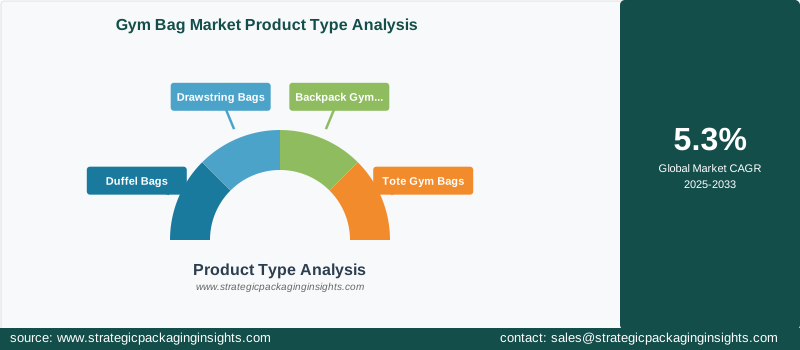
Drawstring bags are another popular segment, known for their lightweight and compact design. These bags are ideal for consumers who prefer a minimalist approach and need a simple solution for carrying their gym essentials. Tote gym bags, on the other hand, are favored by fashion-conscious consumers who want a stylish accessory that can transition from the gym to everyday use. Brands are focusing on innovative designs and materials to cater to the diverse needs of consumers, ensuring that each product type offers unique features and benefits.
Material Type Analysis
The gym bag market is also segmented by material type, including polyester, nylon, canvas, and leather. Polyester is the most commonly used material, known for its durability and resistance to wear and tear. Brands like Puma and Under Armour use polyester in their gym bags to ensure long-lasting performance and functionality. Nylon is another popular material, valued for its lightweight and water-resistant properties. These features make nylon gym bags ideal for outdoor activities and adventure sports, where durability and protection from the elements are essential.
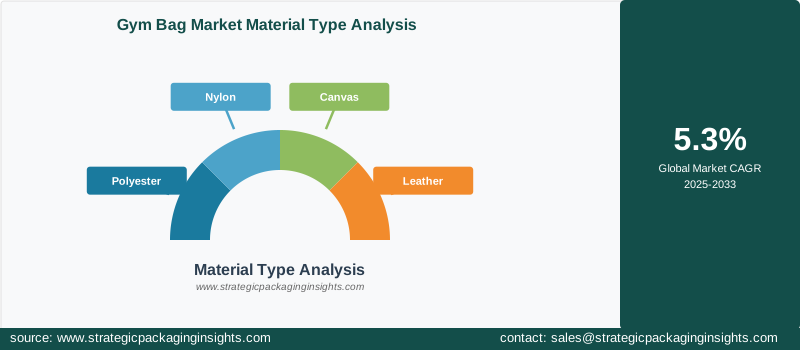
Canvas and leather are also used in gym bag production, offering a premium look and feel. Canvas gym bags are favored by consumers who prefer a more casual and rugged style, while leather gym bags appeal to those seeking a sophisticated and luxurious accessory. Brands are experimenting with different material combinations to create unique designs that cater to various consumer preferences. The focus on sustainable materials is also driving innovation in this segment, with companies exploring eco-friendly alternatives to traditional materials.
Distribution Channel Analysis
The distribution channel segment of the gym bag market includes online platforms, sports stores, supermarkets, and brand stores. Online platforms are becoming increasingly important, providing consumers with easy access to a wide range of gym bags from the comfort of their homes. Brands are investing in digital marketing strategies to enhance their online presence and attract a larger customer base. Sports stores remain a key distribution channel, offering consumers the opportunity to physically examine and try out gym bags before making a purchase.
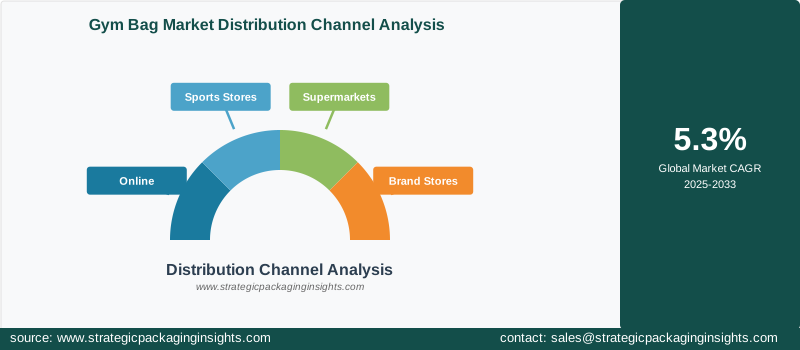
Supermarkets and brand stores also play a significant role in the distribution of gym bags, providing consumers with convenient access to a variety of products. Brand stores, in particular, offer a curated selection of gym bags that showcase the latest designs and innovations from leading brands. The expansion of distribution channels is providing brands with new opportunities to reach a wider audience and increase their market share. Companies are focusing on enhancing their distribution networks to ensure timely delivery and customer satisfaction.
End User Analysis
The gym bag market is segmented by end user into men, women, kids, and athletes. Men are the largest consumer segment, with brands offering a wide range of gym bags that cater to their specific needs and preferences. These bags are designed to be functional and durable, with features such as multiple compartments and adjustable straps. Women are also a significant consumer segment, with brands focusing on stylish and versatile designs that appeal to their fashion-conscious preferences.
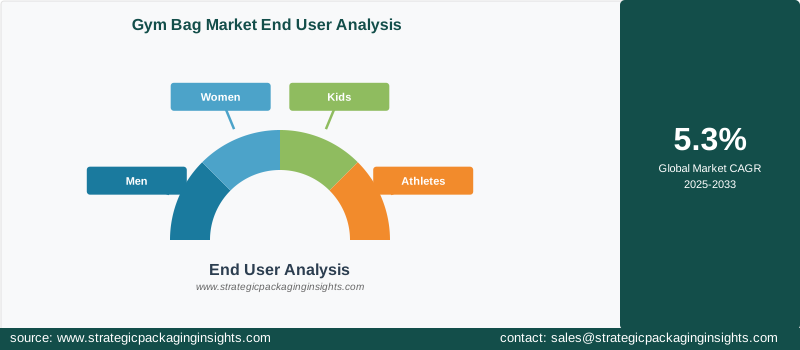
Kids and athletes are emerging as important consumer segments, with brands offering gym bags that cater to their unique needs. Kids' gym bags are designed to be lightweight and easy to carry, with fun and colorful designs that appeal to younger consumers. Athletes, on the other hand, require gym bags that are durable and versatile, with features such as water-resistant materials and reinforced stitching. Brands are focusing on creating innovative designs that cater to the diverse needs of each consumer segment, ensuring that their products offer the functionality and style that consumers demand.
Gym Bag Market Segments
The Gym Bag market has been segmented on the basis ofProduct Type
- Duffel Bags
- Drawstring Bags
- Backpack Gym Bags
- Tote Gym Bags
Material Type
- Polyester
- Nylon
- Canvas
- Leather
Distribution Channel
- Online
- Sports Stores
- Supermarkets
- Brand Stores
End User
- Men
- Women
- Kids
- Athletes
Region
- Asia Pacific
- North America
- Latin America
- Europe
- Middle East & Africa




