


Glass Bottles And Containers Market Outlook
The Glass Bottles and Containers market was valued at $75.34 billion in 2025 and is projected to reach $113.91 billion by 2034, growing at a CAGR of 4.7% during the forecast period 2026-2034. This market is witnessing robust growth driven by increasing demand for sustainable and eco-friendly packaging solutions. The shift towards glass packaging is largely due to its recyclability and inert nature, which ensures product safety and extends shelf life. The beverage industry, particularly alcoholic beverages, is a significant contributor to this demand, as glass bottles are preferred for their ability to preserve taste and quality. Additionally, the cosmetic and pharmaceutical sectors are increasingly adopting glass containers due to their non-reactive properties, which are crucial for maintaining product integrity.
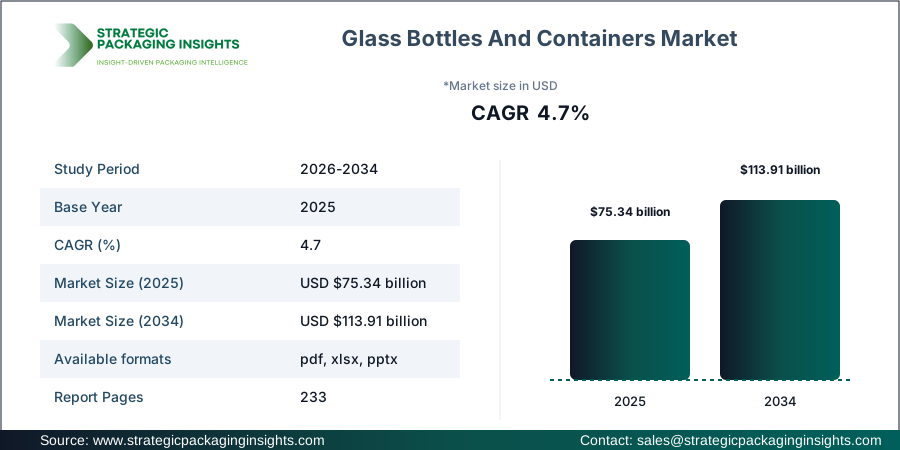
Despite the promising growth trajectory, the Glass Bottles and Containers market faces certain challenges. The high cost of production and transportation, due to the weight and fragility of glass, poses a significant restraint. Moreover, the market is subject to stringent environmental regulations aimed at reducing carbon emissions during manufacturing processes. However, advancements in manufacturing technologies and the development of lightweight glass bottles are expected to mitigate these challenges. The market also holds potential for growth through innovations in design and customization, catering to the evolving consumer preferences for aesthetically appealing packaging. As sustainability continues to be a key focus, the market is poised for expansion, driven by increasing investments in recycling infrastructure and the adoption of circular economy principles.
Report Scope
| Attributes | Details |
| Report Title | Glass Bottles And Containers Market Size, Future Growth and Forecast 2034 |
| By Bottle Type | Beverage, Cosmetic, Pharmaceutical |
| By Capacity | Small, Medium, Large |
| By Application | Food, Drinks, Personal Care, Pharma |
| By End Use | Retail, Industrial |
| Region | Asia Pacific, North America, Latin America, Europe, Middle East & Africa |
| Base Year | 2025 |
| Historic Period | 2018-2024 |
| Forecast Period | 2026-2034 |
| Number of Pages | 233 |
| Customization Available | Yes* |
Opportunities & Threats
The Glass Bottles and Containers market presents numerous opportunities for growth, particularly in the realm of sustainability. As consumers become more environmentally conscious, there is a growing demand for packaging solutions that are not only recyclable but also made from recycled materials. This trend is encouraging manufacturers to invest in advanced recycling technologies and processes that enhance the quality and usability of recycled glass. Additionally, the rise of e-commerce and online retailing offers a significant opportunity for glass packaging, as brands seek to differentiate their products through premium and sustainable packaging solutions. The increasing popularity of artisanal and craft beverages, which often prefer glass packaging for its premium feel and ability to preserve flavor, further bolsters market growth.
Another opportunity lies in the customization and personalization of glass bottles and containers. With consumers seeking unique and personalized products, manufacturers are exploring innovative design and printing techniques to offer customized packaging solutions. This trend is particularly prominent in the cosmetic and personal care sectors, where packaging plays a crucial role in brand differentiation and consumer appeal. Furthermore, the development of smart packaging solutions, such as QR codes and NFC tags integrated into glass bottles, provides an opportunity to enhance consumer engagement and provide additional product information.
However, the market also faces threats that could impede its growth. The high cost of raw materials and energy required for glass production is a significant concern, as it directly impacts the pricing and profitability of glass packaging solutions. Additionally, the fragility of glass poses challenges in terms of transportation and handling, leading to potential product losses and increased logistics costs. The competition from alternative packaging materials, such as plastics and metals, which offer cost advantages and durability, also poses a threat to the glass packaging market. To counter these threats, manufacturers are focusing on innovation and efficiency improvements to reduce costs and enhance the durability of glass products.
Drivers & Challenges
The Glass Bottles and Containers market is primarily driven by the increasing consumer preference for sustainable and eco-friendly packaging solutions. Glass is a 100% recyclable material, and its ability to be recycled indefinitely without loss of quality makes it an attractive option for environmentally conscious consumers and brands. This sustainability aspect is further supported by government regulations and initiatives aimed at reducing plastic waste and promoting the use of recyclable materials. The growing awareness of health and safety concerns associated with plastic packaging is also driving consumers towards glass, which is inert and does not leach harmful chemicals into the contents.
Another significant driver is the premiumization trend in the beverage and cosmetic industries. Glass packaging is often associated with high-quality and luxury products, making it a preferred choice for premium brands. The aesthetic appeal and ability to preserve the taste and quality of products make glass bottles ideal for alcoholic beverages, perfumes, and high-end skincare products. Additionally, the rise of the craft beverage industry, including craft beers and spirits, is contributing to the demand for glass bottles, as these products often emphasize quality and authenticity, which glass packaging effectively conveys.
Despite these drivers, the market faces several challenges that could hinder its growth. The high production costs associated with glass manufacturing, due to the energy-intensive processes and raw material costs, pose a significant challenge. Additionally, the weight and fragility of glass increase transportation and handling costs, impacting the overall cost-effectiveness of glass packaging solutions. The competition from alternative packaging materials, such as plastics and metals, which offer cost advantages and durability, also presents a challenge. To overcome these challenges, manufacturers are investing in technological advancements to improve production efficiency and develop lightweight glass solutions that reduce costs and enhance durability.
Market Share Analysis
The Glass Bottles and Containers market is characterized by a competitive landscape with several key players dominating the market. O-I Glass, Ardagh Group, and Verallia are among the leading companies, holding significant market shares due to their extensive product portfolios and strong distribution networks. These companies have established themselves as leaders in the market through continuous innovation and strategic acquisitions, enabling them to expand their product offerings and geographical presence. Vidrala and Gerresheimer are also prominent players, known for their focus on quality and sustainability, which have helped them maintain a competitive edge in the market.
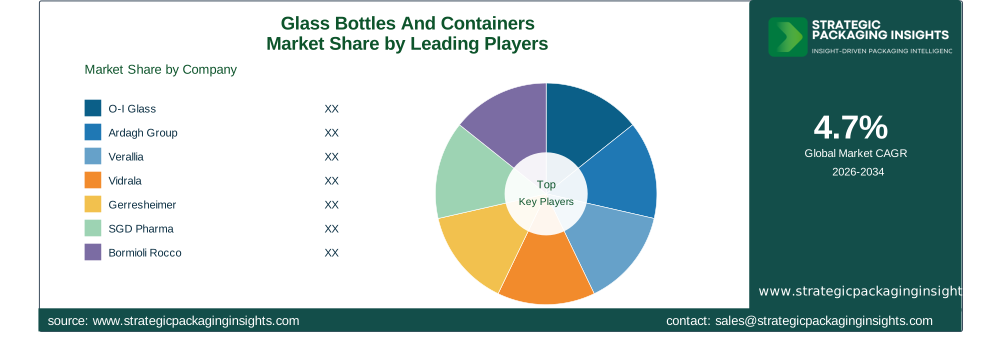
SGD Pharma and Bormioli Rocco are key players in the pharmaceutical and cosmetic glass packaging segments, respectively. Their expertise in producing high-quality, specialized glass containers for these industries has positioned them as leaders in their respective segments. Saverglass and PGP Glass are renowned for their premium glass packaging solutions, catering to the luxury beverage and cosmetic markets. Their focus on design and customization has enabled them to capture a significant share of the premium packaging market.
Vitro, a major player in the Latin American market, has expanded its presence globally through strategic acquisitions and partnerships. The company's focus on innovation and sustainability has helped it maintain a strong position in the market. These companies, along with other regional and local players, contribute to a highly competitive market landscape, where innovation, quality, and sustainability are key differentiators.
O-I Glass, with its extensive global presence and diverse product offerings, holds a significant share of the market. The company's focus on sustainability and innovation has enabled it to maintain its leadership position. Ardagh Group, known for its comprehensive range of glass packaging solutions, has a strong presence in both the beverage and food packaging segments. Verallia, with its emphasis on design and customization, caters to the premium packaging market, offering innovative solutions that meet the evolving needs of consumers and brands.
Key Highlights
- The Glass Bottles and Containers market is projected to grow from $75.34 billion in 2025 to $113.91 billion by 2034, at a CAGR of 4.7%.
- Increasing demand for sustainable and eco-friendly packaging solutions is driving market growth.
- The beverage industry, particularly alcoholic beverages, is a significant contributor to the demand for glass bottles.
- Customization and personalization of glass packaging are emerging trends in the market.
- High production and transportation costs pose challenges to market growth.
- Advancements in recycling technologies are enhancing the quality and usability of recycled glass.
- Smart packaging solutions, such as QR codes and NFC tags, are gaining traction in the market.
- Competition from alternative packaging materials, such as plastics and metals, presents a challenge to the glass packaging market.
Top Countries Insights
In the Glass Bottles and Containers market, the United States stands out as a key player, with a market size of approximately $15 billion and a CAGR of 3%. The country's strong demand for premium beverages and cosmetics, coupled with a growing emphasis on sustainability, drives the market. Government regulations promoting recycling and reducing plastic waste further support the growth of glass packaging in the U.S.
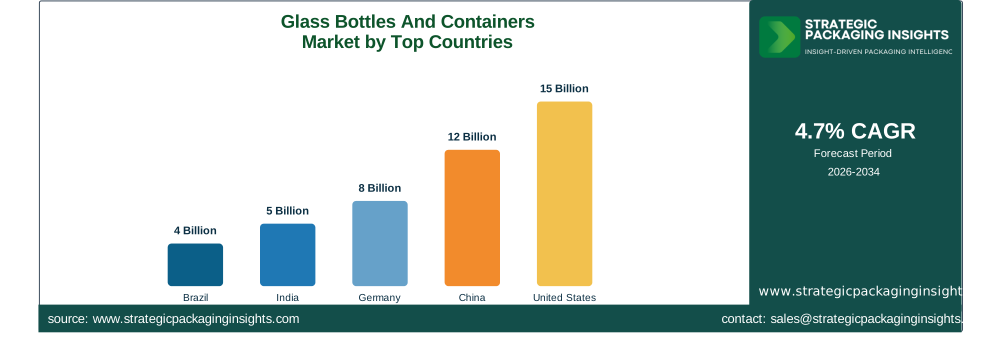
China, with a market size of around $12 billion and a CAGR of 6%, is another significant market for glass bottles and containers. The country's booming beverage industry, particularly in alcoholic beverages, and the increasing demand for high-quality packaging solutions are key growth drivers. Additionally, government initiatives to promote sustainable packaging and reduce plastic usage are boosting the adoption of glass packaging in China.
Germany, with a market size of approximately $8 billion and a CAGR of 4%, is a leading market in Europe. The country's strong focus on sustainability and recycling, along with a well-established beverage industry, drives the demand for glass packaging. Innovations in design and customization are also contributing to market growth in Germany.
India, with a market size of around $5 billion and a CAGR of 7%, is experiencing rapid growth in the glass bottles and containers market. The country's expanding beverage and pharmaceutical industries, along with increasing consumer awareness of sustainable packaging, are key growth drivers. Government initiatives to promote recycling and reduce plastic waste further support the market's expansion.
Brazil, with a market size of approximately $4 billion and a CAGR of 5%, is a significant market in Latin America. The country's growing beverage industry, particularly in beer and spirits, and the increasing demand for premium packaging solutions are driving market growth. Additionally, government policies promoting sustainability and recycling are boosting the adoption of glass packaging in Brazil.
Glass Bottles And Containers Market Segments Insights

Bottle Type Analysis
The Glass Bottles and Containers market is segmented by bottle type into beverage, cosmetic, and pharmaceutical categories. The beverage segment holds the largest share, driven by the high demand for glass bottles in the alcoholic beverage industry. Glass is preferred for its ability to preserve the taste and quality of beverages, making it a popular choice for premium and craft beverages. The cosmetic segment is also experiencing growth, as glass packaging is associated with luxury and quality, appealing to consumers seeking premium cosmetic products. The pharmaceutical segment, while smaller, is growing steadily due to the non-reactive nature of glass, which ensures the safety and efficacy of pharmaceutical products.
In the beverage segment, the demand for glass bottles is driven by the increasing popularity of craft beverages, including craft beers and spirits, which emphasize quality and authenticity. The cosmetic segment is witnessing a trend towards customization and personalization, with brands offering unique and aesthetically appealing packaging solutions to differentiate themselves in a competitive market. The pharmaceutical segment is benefiting from the growing demand for safe and reliable packaging solutions, as glass is inert and does not interact with the contents, ensuring product integrity.
Capacity Analysis
The market is also segmented by capacity into small, medium, and large categories. The medium capacity segment holds the largest share, as it caters to a wide range of applications in the beverage, cosmetic, and pharmaceutical industries. Medium-sized bottles are versatile and suitable for various products, making them a popular choice among manufacturers. The small capacity segment is growing, driven by the demand for travel-sized and single-use packaging solutions in the cosmetic and personal care industries. The large capacity segment, while smaller, is experiencing growth in the beverage industry, particularly for bulk packaging solutions.
The medium capacity segment is favored for its versatility and cost-effectiveness, as it can be used for a wide range of products across different industries. The small capacity segment is benefiting from the trend towards convenience and portability, with consumers seeking travel-friendly packaging solutions. The large capacity segment is driven by the demand for bulk packaging solutions in the beverage industry, as manufacturers seek to reduce costs and improve efficiency.
Application Analysis
The Glass Bottles and Containers market is segmented by application into food, drinks, personal care, and pharma categories. The drinks segment holds the largest share, driven by the high demand for glass bottles in the beverage industry. Glass is preferred for its ability to preserve the taste and quality of beverages, making it a popular choice for premium and craft beverages. The personal care segment is also experiencing growth, as glass packaging is associated with luxury and quality, appealing to consumers seeking premium personal care products. The pharma segment, while smaller, is growing steadily due to the non-reactive nature of glass, which ensures the safety and efficacy of pharmaceutical products.
In the drinks segment, the demand for glass bottles is driven by the increasing popularity of craft beverages, including craft beers and spirits, which emphasize quality and authenticity. The personal care segment is witnessing a trend towards customization and personalization, with brands offering unique and aesthetically appealing packaging solutions to differentiate themselves in a competitive market. The pharma segment is benefiting from the growing demand for safe and reliable packaging solutions, as glass is inert and does not interact with the contents, ensuring product integrity.
End Use Analysis
The market is also segmented by end use into retail and industrial categories. The retail segment holds the largest share, driven by the high demand for glass bottles and containers in the consumer goods industry. Glass is preferred for its aesthetic appeal and ability to preserve the quality of products, making it a popular choice for premium and luxury brands. The industrial segment, while smaller, is experiencing growth in the pharmaceutical and chemical industries, where glass is used for its non-reactive properties and ability to withstand high temperatures.
The retail segment is favored for its ability to enhance the visual appeal of products and convey a sense of quality and luxury. The industrial segment is driven by the demand for safe and reliable packaging solutions in the pharmaceutical and chemical industries, where glass is used for its inert nature and ability to withstand harsh conditions. The growing emphasis on sustainability and eco-friendly packaging solutions is also contributing to the growth of the glass bottles and containers market in both the retail and industrial segments.
Glass Bottles And Containers Market Segments
The Glass Bottles And Containers market has been segmented on the basis ofBy Bottle Type
- Beverage
- Cosmetic
- Pharmaceutical
By Capacity
- Small
- Medium
- Large
By Application
- Food
- Drinks
- Personal Care
- Pharma
By End Use
- Retail
- Industrial
Region
- Asia Pacific
- North America
- Latin America
- Europe
- Middle East & Africa




