


Freezer Bags Market Outlook
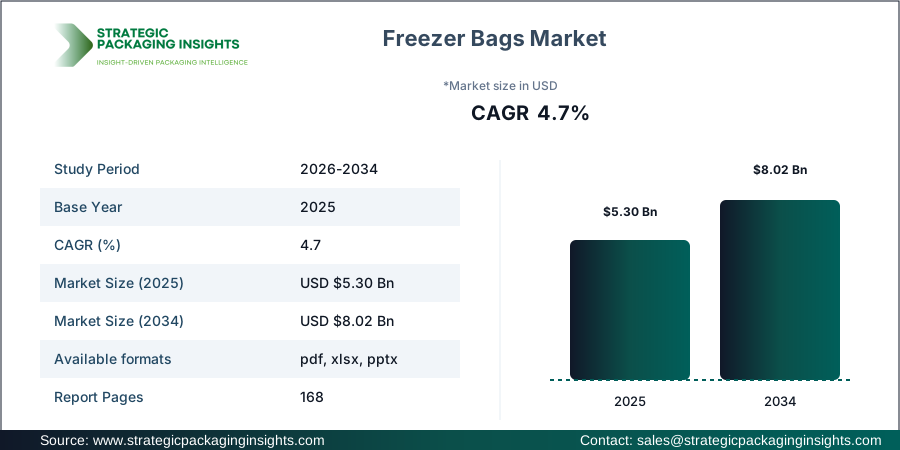
The Freezer Bags market size was valued at USD 5.30 billion in 2025 and is anticipated to reach USD 8.02 billion by 2034, growing at a CAGR of 4.7% during the forecast period according to Strategic Packaging Insights. The market is witnessing significant growth due to the increasing demand for convenient and efficient food storage solutions. Brands like SC Johnson and Reynolds Consumer Products are leading the charge by innovating in product design and material usage, which is driving consumer interest and adoption. The rise in urbanization and the busy lifestyle of consumers are further propelling the demand for freezer bags as they offer a practical solution for food preservation and storage.
One of the most impactful drivers of the Freezer Bags market is the growing awareness of food waste reduction. According to the Environmental Protection Agency, food waste is a significant issue, with millions of tons wasted annually. Freezer bags, such as those offered by Glad and Berry Global, provide an effective means to extend the shelf life of food products, thereby reducing waste. This environmental benefit is increasingly recognized by consumers, which is boosting market growth. Additionally, the trend towards sustainable and eco-friendly products is encouraging manufacturers to develop bio-based plastic freezer bags, aligning with consumer preferences for environmentally responsible products.
Report Scope
| Attributes | Details |
| Report Title | Freezer Bags Market Size, Future Growth and Forecast 2034 |
| Material Type | LDPE, HDPE, Reclosable Plastic, Bio-Based Plastic |
| Product Type | Zipper Freezer Bags, Slider Freezer Bags, Vacuum Freezer Bags |
| Application | Food Storage, Meat Storage, Frozen Produce, Household Use |
| Distribution Channel | Supermarkets, Online Retail, Convenience Stores, Wholesale |
| Region | Asia Pacific, North America, Latin America, Europe, Middle East & Africa |
| Base Year | 2025 |
| Historic Period | 2018-2024 |
| Forecast Period | 2026-2034 |
| Number of Pages | 168 |
| Customization Available | Yes* |
Opportunities & Threats
The Freezer Bags market presents numerous opportunities, particularly in the realm of sustainable packaging solutions. As consumers become more environmentally conscious, there is a growing demand for bio-based plastic freezer bags. Companies like Novolex and Poly-America are investing in research and development to create biodegradable and compostable freezer bags, which not only meet consumer demand but also adhere to stricter environmental regulations. This shift towards eco-friendly products is expected to open new avenues for growth and innovation in the market.
Another significant opportunity lies in the expansion of online retail channels. With the increasing penetration of e-commerce, consumers are more inclined to purchase household products, including freezer bags, online. This trend is particularly evident in regions like Asia Pacific and North America, where internet usage and online shopping are prevalent. Companies such as Uline and International Plastics are capitalizing on this trend by enhancing their online presence and offering a wide range of products through digital platforms, thereby reaching a broader customer base.
However, the market also faces certain threats, primarily from the volatility in raw material prices. The production of freezer bags relies heavily on petrochemical derivatives, which are subject to price fluctuations due to geopolitical tensions and changes in crude oil prices. This can impact the profitability of manufacturers and lead to increased product prices, potentially affecting consumer demand. Additionally, stringent regulations regarding plastic usage and disposal in various countries pose a challenge for market players, necessitating continuous innovation and adaptation to comply with environmental standards.
Drivers & Challenges
The primary driver of the Freezer Bags market is the increasing consumer preference for convenient and efficient food storage solutions. As lifestyles become busier, there is a growing need for products that simplify food storage and preservation. Freezer bags, such as those offered by brands like SC Johnson and Glad, provide a practical solution for extending the shelf life of food items, thereby reducing waste and saving costs. This convenience factor is a significant driver of market growth, as consumers seek products that align with their fast-paced lifestyles.
Another key driver is the rising awareness of food waste reduction. With increasing concerns about environmental sustainability, consumers are more conscious of their food consumption and waste habits. Freezer bags play a crucial role in minimizing food waste by preserving the freshness of food items for longer periods. This environmental benefit is a strong selling point for freezer bags, driving their adoption across various consumer segments. Additionally, the development of bio-based and recyclable freezer bags is further enhancing their appeal among environmentally conscious consumers.
Despite these drivers, the market faces challenges, particularly in terms of regulatory compliance. The increasing scrutiny on plastic usage and disposal has led to stringent regulations in many regions, requiring manufacturers to innovate and adapt their products to meet environmental standards. This can be a costly and time-consuming process, posing a challenge for market players. Furthermore, the competition from alternative food storage solutions, such as reusable silicone bags and glass containers, presents a challenge for freezer bag manufacturers, necessitating continuous innovation and differentiation to maintain market share.
Market Share Analysis
The competitive landscape of the Freezer Bags market is characterized by the presence of several key players, each striving to capture a significant share of the market. Companies like SC Johnson, Reynolds Consumer Products, and Glad are leading the market with their strong brand presence and extensive product portfolios. These companies have established themselves as trusted names in the industry, offering a wide range of freezer bags that cater to various consumer needs and preferences.
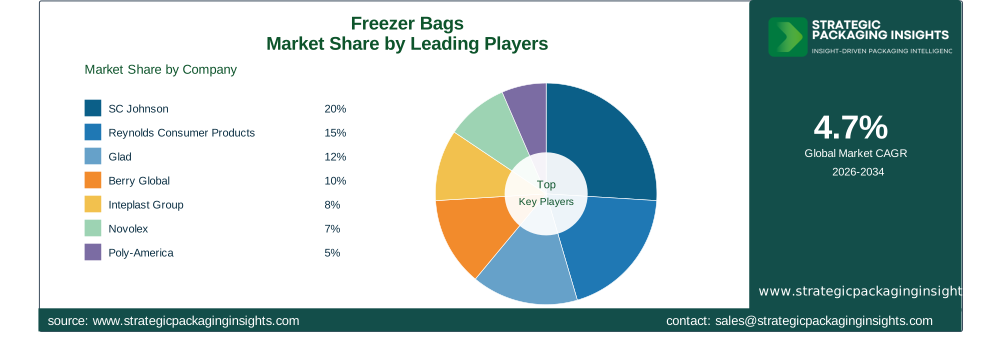
SC Johnson, known for its Ziploc brand, holds a substantial market share due to its innovative product offerings and strong distribution network. The company's focus on sustainability and eco-friendly products has further strengthened its position in the market. Similarly, Reynolds Consumer Products, with its Hefty brand, is a major player in the market, known for its durable and reliable freezer bags. The company's emphasis on quality and customer satisfaction has helped it maintain a strong foothold in the market.
Glad, a subsidiary of The Clorox Company, is another prominent player in the market, offering a diverse range of freezer bags that are popular among consumers for their quality and affordability. The company's commitment to sustainability and innovation has enabled it to capture a significant share of the market. Berry Global, a leading manufacturer of plastic packaging products, is also a key player in the market, known for its high-quality freezer bags and strong focus on research and development.
Other notable players in the market include Inteplast Group, Novolex, Poly-America, Uline, International Plastics, and Four Star Plastics. These companies are actively investing in product innovation and expanding their distribution networks to enhance their market presence. The competitive landscape is further intensified by the entry of new players and the increasing demand for eco-friendly and sustainable packaging solutions, driving companies to continuously innovate and differentiate their products to maintain a competitive edge.
Key Highlights
- The Freezer Bags market is projected to grow from USD 5.30 billion in 2025 to USD 8.02 billion by 2034, at a CAGR of 4.7%.
- Key players include SC Johnson, Reynolds Consumer Products, Glad, Berry Global, and Inteplast Group.
- Growing demand for eco-friendly and sustainable packaging solutions is driving market growth.
- Online retail channels are emerging as a significant distribution channel for freezer bags.
- Volatility in raw material prices poses a challenge for market players.
- Stringent regulations on plastic usage and disposal are impacting market dynamics.
- Innovation in product design and material usage is a key focus for manufacturers.
Freezer Bags Market Segments Insights

Material Type Analysis
The Freezer Bags market is segmented by material type into LDPE, HDPE, Reclosable Plastic, and Bio-Based Plastic. LDPE and HDPE are the most commonly used materials due to their durability and cost-effectiveness. However, the growing environmental concerns are driving the demand for bio-based plastic freezer bags. Companies like Novolex and Poly-America are focusing on developing biodegradable and compostable materials to cater to this demand. The shift towards sustainable materials is expected to drive innovation and growth in this segment, as consumers increasingly prefer eco-friendly products.
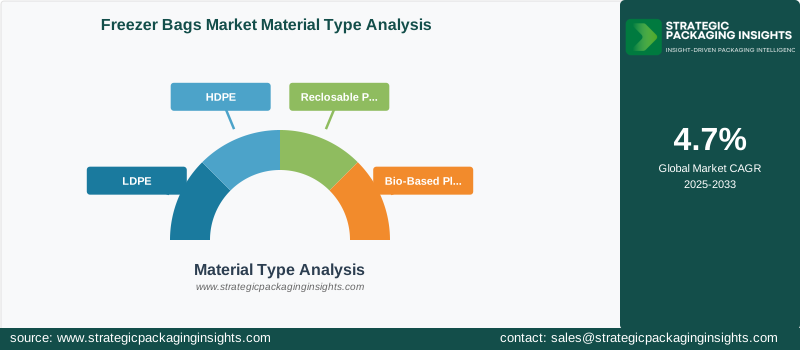
Reclosable plastic is another significant segment, offering convenience and ease of use to consumers. The demand for reclosable plastic freezer bags is driven by their ability to preserve food freshness and prevent leakage. This segment is witnessing growth due to the increasing consumer preference for products that offer convenience and functionality. As manufacturers continue to innovate and improve the quality of reclosable plastic bags, this segment is expected to see sustained growth in the coming years.
Product Type Analysis
The product type segment of the Freezer Bags market includes Zipper Freezer Bags, Slider Freezer Bags, and Vacuum Freezer Bags. Zipper freezer bags are the most popular due to their ease of use and ability to provide a secure seal. Brands like SC Johnson and Glad are leading this segment with their innovative product designs and strong brand presence. The demand for zipper freezer bags is driven by their versatility and convenience, making them a preferred choice for consumers.
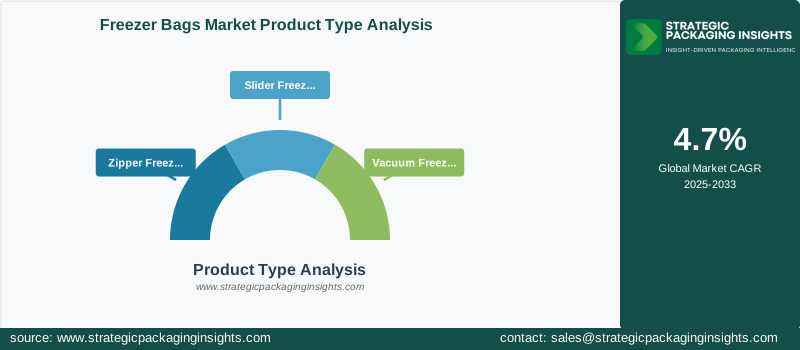
Slider freezer bags are also gaining popularity due to their user-friendly design and reliable sealing mechanism. These bags are particularly favored for their ease of opening and closing, making them ideal for household use. Vacuum freezer bags, on the other hand, are designed to remove air and extend the shelf life of food products. This segment is witnessing growth due to the increasing consumer awareness of food waste reduction and the benefits of vacuum sealing for food preservation.
Application Analysis
The application segment of the Freezer Bags market is divided into Food Storage, Meat Storage, Frozen Produce, and Household Use. Food storage is the largest application segment, driven by the increasing demand for convenient and efficient food preservation solutions. Freezer bags are widely used for storing a variety of food items, including leftovers, snacks, and meal preps, making them an essential household item.
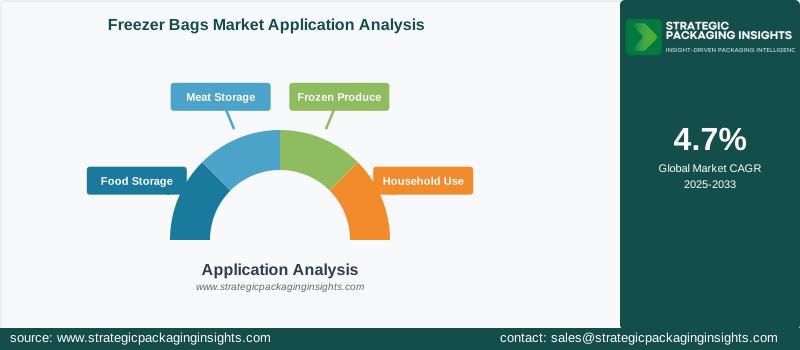
Meat storage is another significant application, as freezer bags provide an effective means to preserve the freshness and quality of meat products. The demand for freezer bags in this segment is driven by the growing consumer preference for bulk purchasing and long-term storage of meat products. Frozen produce is also a key application, with consumers increasingly using freezer bags to store fruits and vegetables for extended periods. The convenience and versatility of freezer bags make them a popular choice for household use, further driving demand in this segment.
Distribution Channel Analysis
The distribution channel segment of the Freezer Bags market includes Supermarkets, Online Retail, Convenience Stores, and Wholesale. Supermarkets are the dominant distribution channel, offering a wide range of freezer bags from various brands. The convenience of purchasing household products during regular grocery shopping trips drives the demand for freezer bags in this channel.
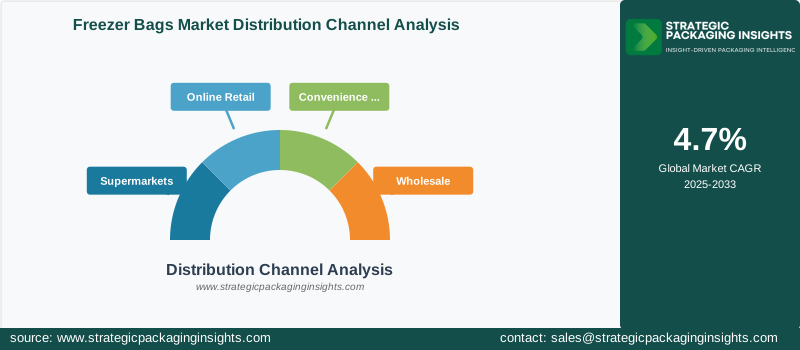
Online retail is emerging as a significant distribution channel, with consumers increasingly opting for the convenience of online shopping. Companies like Uline and International Plastics are enhancing their online presence to cater to this growing demand. Convenience stores and wholesale channels also play a crucial role in the distribution of freezer bags, providing consumers with easy access to these products. As the market continues to evolve, the expansion of online retail channels is expected to drive further growth in the distribution of freezer bags.
Freezer Bags Market Segments
The Freezer Bags market has been segmented on the basis ofMaterial Type
- LDPE
- HDPE
- Reclosable Plastic
- Bio-Based Plastic
Product Type
- Zipper Freezer Bags
- Slider Freezer Bags
- Vacuum Freezer Bags
Application
- Food Storage
- Meat Storage
- Frozen Produce
- Household Use
Distribution Channel
- Supermarkets
- Online Retail
- Convenience Stores
- Wholesale
Region
- Asia Pacific
- North America
- Latin America
- Europe
- Middle East & Africa




