


Food Tins And Drink Cans Market Outlook
The Food Tins and Drink Cans market was valued at $33.94 billion in 2025 and is projected to reach $47.48 billion by 2034, growing at a CAGR of 3.8% during the forecast period 2026-2034. This market is experiencing robust growth driven by increasing consumer demand for convenient and sustainable packaging solutions. The rise in processed food consumption and the popularity of ready-to-drink beverages are significant contributors to this growth. Additionally, the shift towards eco-friendly packaging materials, such as aluminum and tinplate, is further propelling market expansion. The market's growth is also supported by technological advancements in can manufacturing, which enhance product shelf life and reduce environmental impact.
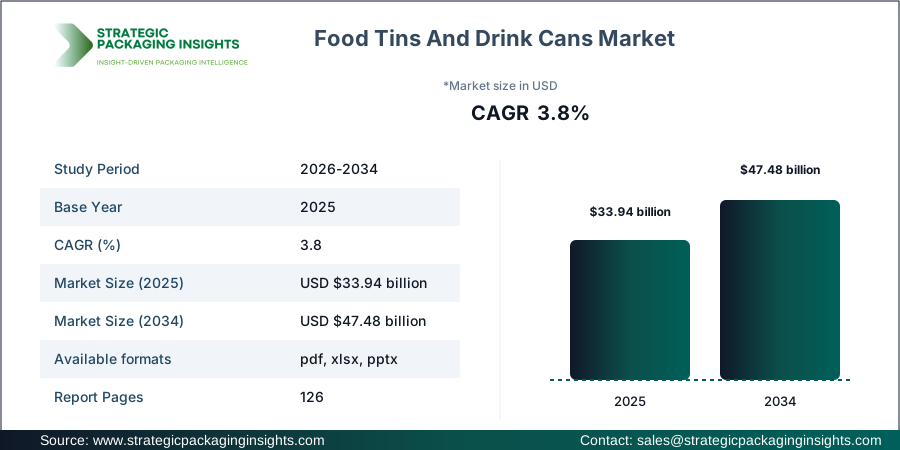
Despite the promising growth trajectory, the Food Tins and Drink Cans market faces certain challenges. Regulatory restrictions on packaging materials, particularly concerning environmental sustainability, pose a significant restraint. The industry must navigate stringent regulations aimed at reducing plastic waste and promoting recycling. However, these challenges also present opportunities for innovation and the development of new, sustainable packaging solutions. The market's potential for growth is further bolstered by the increasing adoption of private-label brands and the expansion of retail chains, which drive demand for cost-effective and customizable packaging options.
Report Scope
| Attributes | Details |
| Report Title | Food Tins And Drink Cans Market Size, Future Growth and Forecast 2034 |
| By Product Type | food tins, beverage cans, aerosol cans |
| By Material Type | aluminum, steel, tinplate |
| By Application | processed foods, soft drinks, alcoholic beverages, pet food |
| By End Use | food processors, beverage companies, retailers, private-label brands |
| Region | Asia Pacific, North America, Latin America, Europe, Middle East & Africa |
| Base Year | 2025 |
| Historic Period | 2018-2024 |
| Forecast Period | 2026-2034 |
| Number of Pages | 126 |
| Customization Available | Yes* |
Opportunities & Threats
The Food Tins and Drink Cans market presents numerous opportunities for growth, particularly in emerging economies where urbanization and changing lifestyles are driving increased consumption of packaged foods and beverages. The demand for convenient and portable packaging solutions is rising, creating a lucrative market for manufacturers. Additionally, the growing awareness of environmental issues is pushing consumers and companies towards sustainable packaging options, opening avenues for innovation in eco-friendly materials and designs. Companies that can offer recyclable and biodegradable packaging solutions are likely to gain a competitive edge in the market.
Another significant opportunity lies in the expansion of e-commerce and online grocery shopping, which has surged in recent years. This trend has increased the demand for durable and protective packaging that can withstand the rigors of shipping and handling. As more consumers turn to online platforms for their shopping needs, the demand for food tins and drink cans that ensure product safety and quality during transit is expected to rise. Manufacturers that can adapt to this shift and provide innovative packaging solutions tailored for e-commerce will likely see substantial growth.
However, the market also faces threats from fluctuating raw material prices, particularly aluminum and steel, which can impact production costs and profit margins. Additionally, the increasing focus on reducing carbon footprints and minimizing waste has led to stricter regulations on packaging materials, posing a challenge for manufacturers. Companies must invest in research and development to create sustainable packaging solutions that comply with these regulations while maintaining cost-effectiveness. Failure to adapt to these changes could result in a loss of market share to more agile competitors.
Drivers & Challenges
The primary drivers of the Food Tins and Drink Cans market include the growing demand for convenient and sustainable packaging solutions. As consumers become more health-conscious and environmentally aware, there is a rising preference for packaging that preserves product quality while minimizing environmental impact. The shift towards eco-friendly materials, such as aluminum and tinplate, is a significant driver of market growth. Additionally, the increasing consumption of processed foods and ready-to-drink beverages is fueling demand for food tins and drink cans, as they offer convenience and extended shelf life.
Technological advancements in can manufacturing are also driving market growth. Innovations in can design and production processes have led to the development of lightweight, durable, and recyclable packaging solutions. These advancements not only enhance product appeal but also reduce production costs and environmental impact. Furthermore, the expansion of retail chains and the growing popularity of private-label brands are driving demand for customizable and cost-effective packaging options, providing further impetus for market growth.
Despite these drivers, the market faces several challenges, including regulatory restrictions on packaging materials and the need for sustainable solutions. The industry must navigate complex regulations aimed at reducing plastic waste and promoting recycling, which can increase production costs and limit material options. Additionally, the volatility of raw material prices, particularly aluminum and steel, poses a challenge for manufacturers, impacting profit margins and pricing strategies. Companies must invest in research and development to create innovative, sustainable packaging solutions that comply with regulations and meet consumer demands.
Market Share Analysis
The competitive landscape of the Food Tins and Drink Cans market is characterized by the presence of several key players who dominate the market. These companies are engaged in strategic initiatives such as mergers and acquisitions, partnerships, and product innovations to strengthen their market position. The market is highly competitive, with companies focusing on expanding their product portfolios and enhancing their production capabilities to meet the growing demand for sustainable packaging solutions.
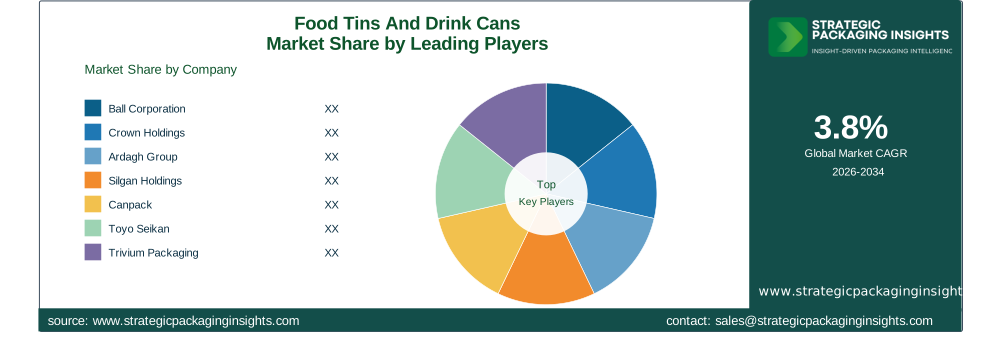
Ball Corporation is a leading player in the market, known for its innovative packaging solutions and commitment to sustainability. The company holds a significant market share, driven by its extensive product offerings and strong distribution network. Crown Holdings is another major player, recognized for its advanced can manufacturing technologies and focus on eco-friendly packaging solutions. The company's strategic acquisitions and partnerships have further strengthened its market position.
Ardagh Group is a prominent player in the market, offering a wide range of packaging solutions for the food and beverage industry. The company's focus on sustainability and innovation has helped it maintain a strong market presence. Silgan Holdings is also a key player, known for its comprehensive product portfolio and commitment to customer satisfaction. The company's strategic investments in research and development have enabled it to offer innovative and sustainable packaging solutions.
Other notable companies in the market include Canpack, Toyo Seikan, Trivium Packaging, CPMC Holdings, ORG Technology, and Envases Group. These companies are actively engaged in expanding their product offerings and enhancing their production capabilities to meet the growing demand for food tins and drink cans. Their focus on sustainability and innovation has helped them maintain a competitive edge in the market.
Key Highlights
- The Food Tins and Drink Cans market is projected to grow at a CAGR of 3.8% from 2026 to 2034.
- Increasing demand for sustainable and eco-friendly packaging solutions is driving market growth.
- Technological advancements in can manufacturing are enhancing product appeal and reducing environmental impact.
- The rise in processed food consumption and ready-to-drink beverages is fueling demand for food tins and drink cans.
- Regulatory restrictions on packaging materials pose a challenge for manufacturers.
- Fluctuating raw material prices, particularly aluminum and steel, impact production costs and profit margins.
- The expansion of e-commerce and online grocery shopping is increasing demand for durable and protective packaging.
- Key players in the market include Ball Corporation, Crown Holdings, Ardagh Group, and Silgan Holdings.
- Companies are focusing on strategic initiatives such as mergers and acquisitions, partnerships, and product innovations to strengthen their market position.
- The market is characterized by intense competition, with companies striving to expand their product portfolios and enhance their production capabilities.
Top Countries Insights
In the Food Tins and Drink Cans market, the United States holds a significant market share, driven by the high consumption of processed foods and beverages. The market in the U.S. is expected to grow at a CAGR of 4%, supported by the increasing demand for sustainable packaging solutions and the expansion of retail chains. The country's focus on reducing plastic waste and promoting recycling is also driving the adoption of eco-friendly packaging materials.
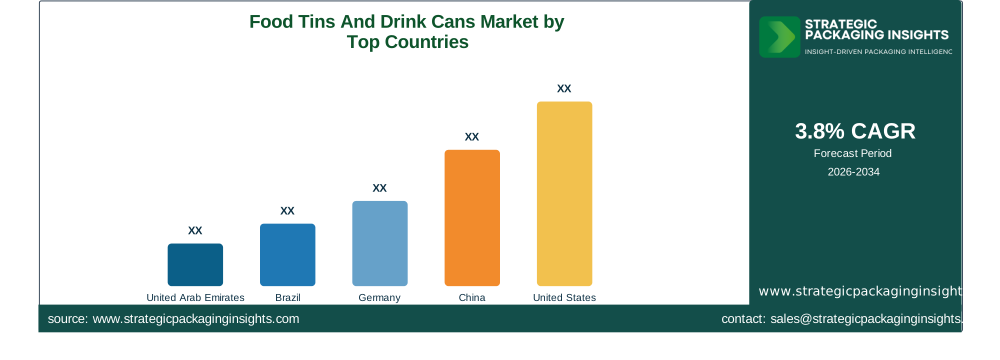
China is another major market for food tins and drink cans, with a projected CAGR of 5%. The country's rapid urbanization and changing consumer lifestyles are driving increased consumption of packaged foods and beverages. The Chinese government's initiatives to promote sustainable packaging and reduce environmental impact are further supporting market growth. Additionally, the expansion of e-commerce and online grocery shopping is boosting demand for durable and protective packaging solutions.
In Europe, Germany is a key market for food tins and drink cans, with a CAGR of 3%. The country's strong focus on sustainability and environmental protection is driving demand for eco-friendly packaging solutions. The German market is characterized by a high level of innovation, with companies investing in research and development to create sustainable packaging options that comply with stringent regulations.
Brazil is an emerging market for food tins and drink cans, with a projected CAGR of 4%. The country's growing middle class and increasing consumption of processed foods and beverages are driving market growth. The Brazilian government's initiatives to promote recycling and reduce plastic waste are also supporting the adoption of sustainable packaging solutions.
In the Middle East & Africa, the United Arab Emirates is a key market for food tins and drink cans, with a CAGR of 3%. The country's growing tourism industry and increasing demand for packaged foods and beverages are driving market growth. The UAE's focus on sustainability and environmental protection is also supporting the adoption of eco-friendly packaging solutions.
Food Tins And Drink Cans Market Segments Insights

Product Type Analysis
The Food Tins and Drink Cans market is segmented by product type into food tins, beverage cans, and aerosol cans. Food tins are widely used for packaging processed foods, offering convenience and extended shelf life. The demand for food tins is driven by the increasing consumption of ready-to-eat meals and canned foods, particularly in urban areas. Beverage cans, on the other hand, are popular for packaging soft drinks and alcoholic beverages. The demand for beverage cans is fueled by the growing popularity of ready-to-drink beverages and the shift towards sustainable packaging solutions. Aerosol cans are used for packaging a variety of products, including food items and personal care products. The demand for aerosol cans is driven by the increasing use of convenience products and the need for efficient packaging solutions.
Material Type Analysis
The market is also segmented by material type into aluminum, steel, and tinplate. Aluminum is the most widely used material for manufacturing food tins and drink cans, owing to its lightweight, durability, and recyclability. The demand for aluminum cans is driven by the increasing focus on sustainability and the need for eco-friendly packaging solutions. Steel is another popular material, known for its strength and durability. The demand for steel cans is driven by the need for robust packaging solutions that can withstand the rigors of shipping and handling. Tinplate is used for manufacturing a variety of cans, offering a cost-effective and versatile packaging solution. The demand for tinplate cans is driven by the increasing consumption of processed foods and the need for affordable packaging options.
Application Analysis
The Food Tins and Drink Cans market is segmented by application into processed foods, soft drinks, alcoholic beverages, and pet food. Processed foods account for a significant share of the market, driven by the increasing consumption of ready-to-eat meals and canned foods. The demand for processed food packaging is fueled by the growing urban population and changing consumer lifestyles. Soft drinks and alcoholic beverages are also major applications for food tins and drink cans, with demand driven by the popularity of ready-to-drink beverages and the shift towards sustainable packaging solutions. Pet food is another important application, with demand driven by the increasing pet ownership and the need for convenient and durable packaging solutions.
End Use Analysis
The market is segmented by end use into food processors, beverage companies, retailers, and private-label brands. Food processors are the largest end users of food tins and drink cans, driven by the need for efficient and cost-effective packaging solutions. The demand for food processor packaging is fueled by the increasing consumption of processed foods and the need for extended shelf life. Beverage companies are also major end users, with demand driven by the popularity of ready-to-drink beverages and the need for sustainable packaging solutions. Retailers and private-label brands are increasingly adopting food tins and drink cans, driven by the need for customizable and cost-effective packaging options.
Food Tins And Drink Cans Market Segments
The Food Tins And Drink Cans market has been segmented on the basis ofBy Product Type
- food tins
- beverage cans
- aerosol cans
By Material Type
- aluminum
- steel
- tinplate
By Application
- processed foods
- soft drinks
- alcoholic beverages
- pet food
By End Use
- food processors
- beverage companies
- retailers
- private-label brands
Region
- Asia Pacific
- North America
- Latin America
- Europe
- Middle East & Africa




