


Food Portion Pack Market Outlook
The Food Portion Pack market was valued at $3.00 billion in 2025 and is projected to reach $5.31 billion by 2034, growing at a CAGR of 6.5% during the forecast period 2026-2034. This market is experiencing significant growth due to the increasing demand for convenience and portion control in food consumption. The rise in single-person households and the growing trend of on-the-go lifestyles are driving the demand for portion packs. Additionally, the foodservice industry, particularly quick-service restaurants (QSRs), is increasingly adopting portion packs to enhance operational efficiency and reduce food waste. The market is also benefiting from advancements in packaging technologies that improve the shelf life and safety of food products.
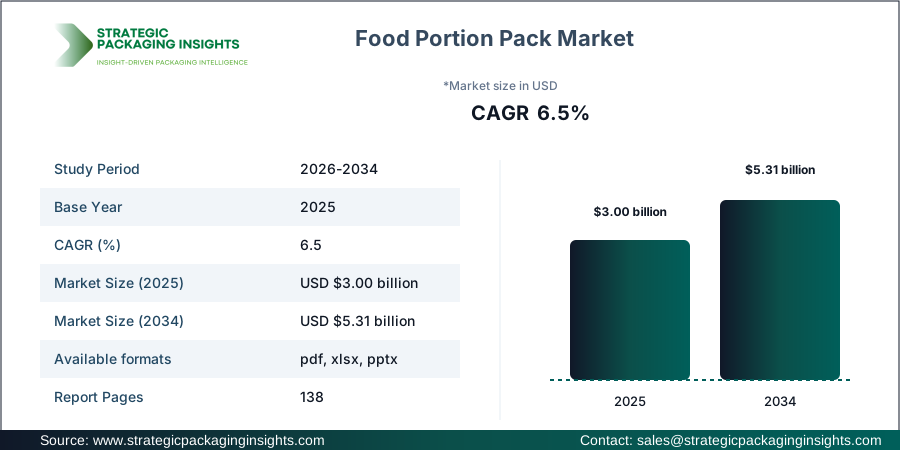
However, the market faces challenges such as stringent environmental regulations and the increasing demand for sustainable packaging solutions. The use of plastic in portion packs is under scrutiny due to its environmental impact, prompting manufacturers to explore alternative materials such as bio-based and recyclable materials. Despite these challenges, the market holds significant growth potential, driven by innovations in eco-friendly packaging and the expansion of the foodservice sector in emerging economies. The increasing focus on health and wellness is also expected to boost the demand for portion-controlled packaging, as consumers seek to manage their calorie intake and portion sizes more effectively.
Report Scope
| Attributes | Details |
| Report Title | Food Portion Pack Market Size, Future Growth and Forecast 2034 |
| By Product Type | Sachets, Cups, Sticks, Mini Pouches |
| By Material Type | Plastic, Paper, Aluminum Foil, Bio-Based Materials |
| By Application | Sauces, Condiments, Dairy, Snacks |
| By End Use | Foodservice, QSRs, Retail, Institutional |
| Region | Asia Pacific, North America, Latin America, Europe, Middle East & Africa |
| Base Year | 2025 |
| Historic Period | 2018-2024 |
| Forecast Period | 2026-2034 |
| Number of Pages | 138 |
| Customization Available | Yes* |
Opportunities & Threats
The Food Portion Pack market presents numerous opportunities for growth, particularly in the development of sustainable and eco-friendly packaging solutions. As consumers become more environmentally conscious, there is a growing demand for packaging that minimizes environmental impact. This has led to increased investment in research and development of bio-based materials and recyclable packaging options. Companies that can innovate in this space are likely to gain a competitive edge and capture a larger market share. Additionally, the expansion of the foodservice industry in emerging markets presents significant opportunities for growth, as these regions experience increasing urbanization and changing consumer lifestyles.
Another opportunity lies in the customization of portion packs to cater to specific dietary needs and preferences. With the rise of health-conscious consumers, there is a growing demand for portion packs that offer nutritional information and cater to specific dietary requirements such as gluten-free, vegan, or low-calorie options. Companies that can offer personalized packaging solutions are likely to attract a broader customer base and drive market growth. Furthermore, the integration of smart packaging technologies, such as QR codes and NFC tags, can enhance consumer engagement and provide valuable insights into consumer preferences and behavior.
Despite these opportunities, the market faces threats from regulatory challenges and the volatility of raw material prices. Stringent regulations regarding food safety and packaging materials can increase compliance costs and impact profit margins. Additionally, fluctuations in the prices of raw materials, such as plastic and aluminum, can affect the cost structure of manufacturers and lead to pricing pressures. Companies need to adopt strategies to mitigate these risks, such as diversifying their supplier base and investing in cost-effective production technologies.
Drivers & Challenges
The primary drivers of the Food Portion Pack market include the increasing demand for convenience and the growing trend of on-the-go consumption. As consumers lead busier lifestyles, there is a rising preference for ready-to-eat and easy-to-carry food options. Portion packs offer the convenience of pre-measured servings, making them ideal for consumers who seek quick and hassle-free meal solutions. The growth of the foodservice industry, particularly QSRs, is also driving the demand for portion packs, as these establishments seek to enhance operational efficiency and reduce food waste.
Another significant driver is the increasing focus on health and wellness, which is influencing consumer purchasing decisions. Portion packs enable consumers to manage their portion sizes and calorie intake more effectively, aligning with the growing trend of mindful eating. The demand for portion-controlled packaging is further supported by the rise of single-person households and the increasing number of working professionals who prefer convenient meal options. Additionally, advancements in packaging technologies are enhancing the functionality and appeal of portion packs, contributing to market growth.
However, the market faces challenges such as environmental concerns and the need for sustainable packaging solutions. The use of plastic in portion packs is a significant environmental issue, leading to increased regulatory scrutiny and consumer demand for eco-friendly alternatives. Manufacturers are under pressure to develop sustainable packaging options that minimize environmental impact while maintaining product quality and safety. Additionally, the market is challenged by the volatility of raw material prices, which can affect production costs and pricing strategies. Companies need to adopt innovative approaches to address these challenges and remain competitive in the market.
Market Share Analysis
The competitive landscape of the Food Portion Pack market is characterized by the presence of several key players who are actively engaged in product innovation and strategic partnerships to strengthen their market position. Companies such as Huhtamaki, Amcor, and Berry Global are leading the market with their extensive product portfolios and strong distribution networks. These companies are focusing on developing sustainable packaging solutions to meet the growing demand for eco-friendly products. Additionally, they are investing in research and development to enhance the functionality and appeal of their portion pack offerings.
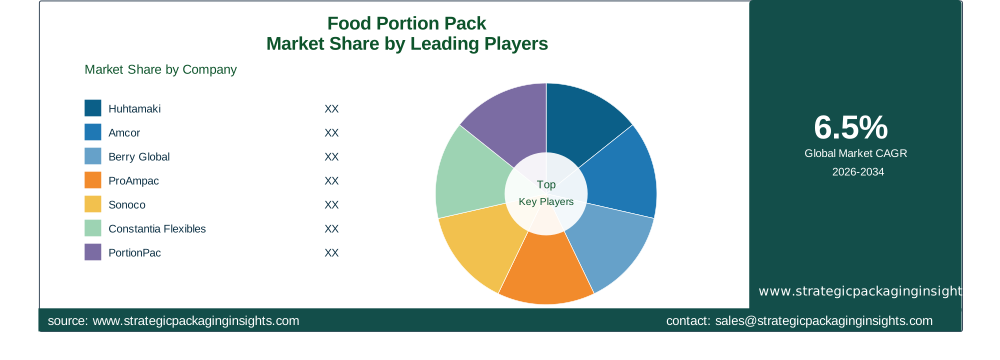
Huhtamaki, a prominent player in the market, is known for its innovative packaging solutions that cater to the needs of the foodservice industry. The company has a strong focus on sustainability and has introduced several eco-friendly packaging options to reduce its environmental footprint. Amcor, another leading player, is recognized for its advanced packaging technologies and commitment to sustainability. The company has made significant investments in developing recyclable and bio-based packaging materials to meet the evolving needs of consumers and regulatory requirements.
Berry Global is a key player in the market, offering a wide range of portion pack solutions for various applications. The company is focused on expanding its product portfolio through strategic acquisitions and partnerships. ProAmpac, Sonoco, and Constantia Flexibles are also notable players in the market, known for their innovative packaging solutions and strong customer relationships. These companies are leveraging their expertise in packaging technologies to develop customized solutions that cater to the specific needs of their clients.
PortionPac, Dart Container, Genpak, and Sabert are other significant players in the market, each with a unique value proposition. PortionPac is known for its portion-controlled cleaning products, while Dart Container specializes in foodservice packaging solutions. Genpak offers a diverse range of packaging options for the foodservice industry, and Sabert is recognized for its sustainable packaging solutions. These companies are continuously innovating to enhance their product offerings and capture a larger share of the market.
Key Highlights
- The Food Portion Pack market is projected to grow at a CAGR of 6.5% from 2026 to 2034.
- Increasing demand for convenience and portion control is driving market growth.
- Environmental concerns are prompting manufacturers to develop sustainable packaging solutions.
- Advancements in packaging technologies are enhancing the functionality of portion packs.
- The foodservice industry, particularly QSRs, is a major driver of market demand.
- Customization of portion packs to cater to specific dietary needs is a growing trend.
- Smart packaging technologies are enhancing consumer engagement and providing valuable insights.
- Regulatory challenges and raw material price volatility are key threats to the market.
- Key players are focusing on product innovation and strategic partnerships to strengthen their market position.
Top Countries Insights
In the Food Portion Pack market, the United States is a leading player, with a market size of approximately $1.2 billion and a CAGR of 5%. The country's strong foodservice industry and the growing trend of on-the-go consumption are key drivers of market growth. Additionally, the increasing focus on health and wellness is boosting the demand for portion-controlled packaging. However, regulatory challenges related to packaging materials and environmental concerns are significant hurdles for market players.
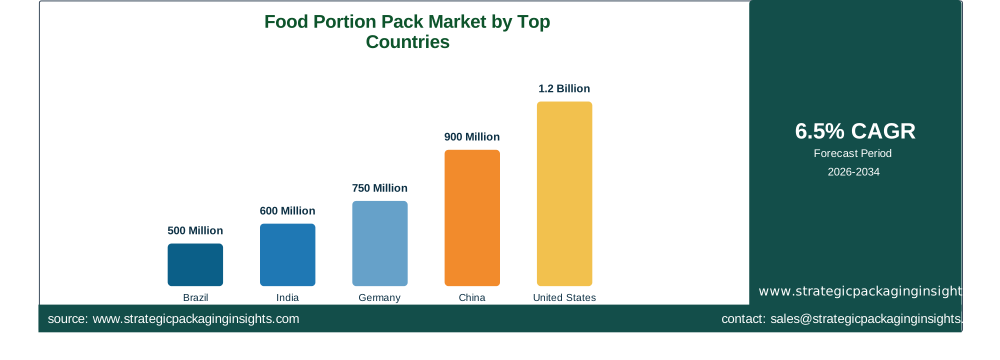
China is another significant market, with a market size of around $900 million and a CAGR of 8%. The country's rapid urbanization and changing consumer lifestyles are driving the demand for convenient and portion-controlled food options. The expansion of the foodservice industry and the increasing adoption of Western eating habits are also contributing to market growth. However, the market faces challenges related to environmental regulations and the need for sustainable packaging solutions.
In Europe, Germany is a key market, with a market size of approximately $750 million and a CAGR of 6%. The country's strong focus on sustainability and environmental protection is driving the demand for eco-friendly packaging solutions. The growing trend of health-conscious eating and the increasing number of single-person households are also boosting the demand for portion packs. However, the market faces challenges related to regulatory compliance and the volatility of raw material prices.
India is an emerging market, with a market size of around $600 million and a CAGR of 10%. The country's growing middle class and increasing disposable incomes are driving the demand for convenient and portion-controlled food options. The expansion of the foodservice industry and the increasing adoption of Western eating habits are also contributing to market growth. However, the market faces challenges related to infrastructure development and the need for sustainable packaging solutions.
In Latin America, Brazil is a significant market, with a market size of approximately $500 million and a CAGR of 7%. The country's growing foodservice industry and the increasing trend of on-the-go consumption are key drivers of market growth. The demand for portion-controlled packaging is also supported by the rise of health-conscious consumers and the increasing number of working professionals. However, the market faces challenges related to economic instability and the volatility of raw material prices.
Food Portion Pack Market Segments Insights

Product Type Analysis
The Food Portion Pack market is segmented by product type into sachets, cups, sticks, and mini pouches. Sachets are widely used in the market due to their convenience and cost-effectiveness. They are particularly popular in the foodservice industry for packaging sauces, condiments, and other liquid products. The demand for sachets is driven by their ability to provide portion control and reduce food waste. Cups are another significant segment, offering versatility and ease of use for a variety of food products, including dairy and snacks. The growing trend of on-the-go consumption is boosting the demand for cups, as they offer a convenient solution for consumers seeking quick and easy meal options.
Sticks and mini pouches are gaining popularity due to their compact size and portability. Sticks are commonly used for packaging single-serve portions of condiments and snacks, while mini pouches are ideal for packaging small quantities of dry food products. The demand for these product types is driven by the increasing focus on portion control and the growing trend of health-conscious eating. Manufacturers are investing in innovative packaging designs to enhance the functionality and appeal of these products, catering to the evolving needs of consumers.
Material Type Analysis
The market is also segmented by material type into plastic, paper, aluminum foil, and bio-based materials. Plastic is the most commonly used material in portion packs due to its durability and versatility. However, the environmental impact of plastic is a significant concern, leading to increased demand for alternative materials. Paper is gaining traction as a sustainable packaging option, offering biodegradability and recyclability. The demand for paper-based portion packs is driven by the growing focus on environmental sustainability and the increasing regulatory pressure to reduce plastic usage.
Aluminum foil is another popular material, known for its excellent barrier properties and ability to preserve the freshness of food products. The demand for aluminum foil-based portion packs is driven by the need for packaging solutions that offer extended shelf life and protection against external factors. Bio-based materials are emerging as a viable alternative to traditional packaging materials, offering a sustainable solution that minimizes environmental impact. The demand for bio-based portion packs is expected to grow as consumers become more environmentally conscious and seek eco-friendly packaging options.
Application Analysis
The Food Portion Pack market is segmented by application into sauces, condiments, dairy, and snacks. Sauces and condiments are the largest application segment, driven by the increasing demand for portion-controlled packaging in the foodservice industry. The growing trend of on-the-go consumption and the need for convenient meal solutions are boosting the demand for portion packs in this segment. Dairy products are another significant application, with portion packs offering a convenient solution for packaging single-serve portions of yogurt, cheese, and other dairy products.
Snacks are gaining popularity as a convenient and healthy meal option, driving the demand for portion packs in this segment. The growing trend of health-conscious eating and the increasing number of single-person households are boosting the demand for portion-controlled packaging for snacks. Manufacturers are investing in innovative packaging designs to enhance the functionality and appeal of portion packs for snacks, catering to the evolving needs of consumers.
End Use Analysis
The market is also segmented by end use into foodservice, QSRs, retail, and institutional. The foodservice industry is the largest end-use segment, driven by the increasing demand for portion-controlled packaging solutions that enhance operational efficiency and reduce food waste. QSRs are a significant driver of market demand, as these establishments seek to offer convenient and portion-controlled meal options to their customers. The demand for portion packs in the retail segment is driven by the growing trend of on-the-go consumption and the increasing focus on health and wellness.
Institutional end users, such as schools and hospitals, are also adopting portion packs to enhance food safety and reduce food waste. The demand for portion-controlled packaging in this segment is driven by the need for convenient and hygienic meal solutions. Manufacturers are investing in innovative packaging designs to cater to the specific needs of institutional end users, offering customized solutions that enhance the functionality and appeal of portion packs.
Food Portion Pack Market Segments
The Food Portion Pack market has been segmented on the basis ofBy Product Type
- Sachets
- Cups
- Sticks
- Mini Pouches
By Material Type
- Plastic
- Paper
- Aluminum Foil
- Bio-Based Materials
By Application
- Sauces
- Condiments
- Dairy
- Snacks
By End Use
- Foodservice
- QSRs
- Retail
- Institutional
Region
- Asia Pacific
- North America
- Latin America
- Europe
- Middle East & Africa




