


Food grade Packaging Market Outlook
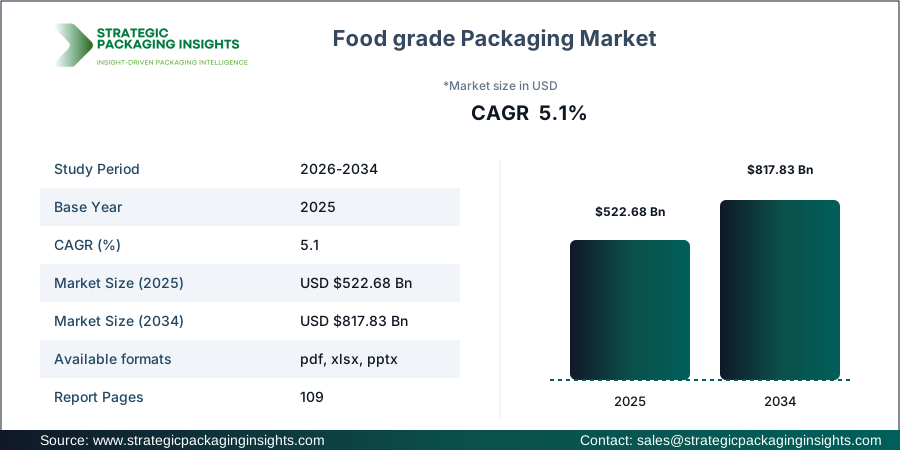
The Food grade Packaging market size was valued at USD 522.68 billion in 2025 and is anticipated to reach USD 817.83 billion by 2034, growing at a CAGR of 5.1% during the forecast period according to Strategic Packaging Insights. This growth trajectory is driven by the increasing demand for safe and sustainable packaging solutions across the food industry. Companies like Amcor and Berry Global are at the forefront, innovating with materials that ensure food safety while minimizing environmental impact. The market's expansion is further fueled by the rising consumer awareness regarding food safety and the stringent regulations imposed by governments worldwide to ensure the quality and safety of packaged food products.
One of the most impactful drivers of the Food grade Packaging market is the growing emphasis on sustainability and eco-friendly packaging solutions. According to recent reports, consumers are increasingly favoring brands that prioritize environmental responsibility, which has led to a surge in demand for recyclable and biodegradable packaging materials. This shift is supported by government initiatives aimed at reducing plastic waste and promoting the use of sustainable materials. Companies like Huhtamaki and Mondi are investing heavily in research and development to create innovative packaging solutions that meet these sustainability criteria, thereby gaining a competitive edge in the market.
Report Scope
| Attributes | Details |
| Report Title | Food grade Packaging Market Size, Future Growth and Forecast 2034 |
| Material Type | Plastic, Paperboard, Metal, Glass |
| Packaging Type | Bags, Pouches, Trays, Bottles, Cans |
| Application | Bakery, Dairy, Meat, Ready Meals, Beverages |
| End Use | Food Manufacturers, Retail, Foodservice, FMCG |
| Region | Asia Pacific, North America, Latin America, Europe, Middle East & Africa |
| Base Year | 2025 |
| Historic Period | 2018-2024 |
| Forecast Period | 2026-2034 |
| Number of Pages | 109 |
| Customization Available | Yes* |
Sustainability & Circular Economy Analysis
Sustainability initiatives and circular economy practices are significantly shaping the Food grade Packaging market. The integration of recyclable materials and reusable packaging solutions is becoming a standard practice among leading companies. For instance, the use of lightweight packaging not only reduces material costs but also minimizes the carbon footprint associated with transportation. Companies are increasingly adopting eco-friendly material innovations, such as biodegradable plastics and plant-based materials, to align with consumer preferences and regulatory requirements. These trends are influencing packaging design and manufacturing processes, encouraging investments in sustainable technologies and practices.
Extended Producer Responsibility (EPR) regulations are compelling manufacturers to take accountability for the entire lifecycle of their packaging products. This has led to the development of waste reduction strategies and the implementation of ESG initiatives aimed at reducing environmental impact. As a result, companies are focusing on reducing their carbon footprint by optimizing supply chain strategies and enhancing energy efficiency in production processes. These sustainability trends are not only driving regulatory compliance but also enhancing long-term market competitiveness by appealing to environmentally conscious consumers.
The emphasis on sustainability is also influencing investment decisions within the Food grade Packaging market. Investors are increasingly prioritizing companies that demonstrate a commitment to sustainable practices and circular economy principles. This shift is encouraging packaging manufacturers to innovate and adopt new technologies that support waste reduction and resource efficiency. As a result, the market is witnessing a transformation in supply chain strategies, with a focus on localization and the development of recycling networks to ensure the efficient recovery and reuse of packaging materials.
Packaging Value Chain & Supply Chain Analysis
The Food grade Packaging market's value chain is a complex ecosystem involving raw material sourcing, packaging converters, manufacturers, and logistics providers. Efficient raw material sourcing is crucial for maintaining cost-effectiveness and ensuring the availability of high-quality materials. Packaging converters and manufacturers play a pivotal role in transforming raw materials into finished products that meet the stringent safety and quality standards required in the food industry. Companies like Sealed Air and Tetra Pak are leveraging advanced packaging machinery to enhance production capabilities and meet the growing demand for innovative packaging solutions.
Logistics and distribution channels are integral components of the packaging supply chain, ensuring the timely delivery of products to brand owners and retailers. The efficiency of these channels directly impacts market performance and business competitiveness. Strategic partnerships and collaborations among stakeholders are essential for optimizing transportation and inventory management, thereby enhancing supply chain resilience. Companies are increasingly focusing on localization strategies to mitigate risks associated with global sourcing and to ensure a steady supply of materials and products.
Recycling networks are becoming an essential part of the packaging value chain, driven by the need for sustainable waste management solutions. Companies are investing in the development of recycling infrastructure to facilitate the recovery and reuse of packaging materials. This not only supports environmental sustainability but also reduces dependency on virgin materials, thereby lowering production costs. The integration of recycling networks into the supply chain is enhancing the overall sustainability of the Food grade Packaging market and contributing to the achievement of long-term business objectives.
Opportunities & Threats
The Food grade Packaging market presents numerous opportunities for growth, driven by the increasing demand for innovative and sustainable packaging solutions. The rise in consumer awareness regarding food safety and environmental sustainability is creating a favorable environment for companies to introduce new products that meet these evolving preferences. The development of biodegradable and recyclable packaging materials is a significant opportunity for manufacturers to differentiate themselves in the market. Additionally, the expansion of the food and beverage industry, particularly in emerging markets, is providing ample opportunities for market players to expand their reach and increase their market share.
Technological advancements in packaging design and manufacturing processes are also creating opportunities for companies to enhance their product offerings and improve operational efficiency. The adoption of smart packaging technologies, such as RFID tags and QR codes, is enabling companies to provide consumers with valuable information about product safety and quality. This not only enhances consumer trust but also opens up new avenues for market growth. Furthermore, the increasing focus on reducing food waste through innovative packaging solutions is driving demand for products that extend the shelf life of food items.
Despite the numerous opportunities, the Food grade Packaging market faces several threats that could hinder its growth. One of the primary challenges is the stringent regulatory environment governing food safety and packaging standards. Compliance with these regulations requires significant investment in research and development, which can be a barrier for small and medium-sized enterprises. Additionally, the volatility in raw material prices and the increasing competition from low-cost manufacturers pose significant threats to market profitability. Companies must navigate these challenges by adopting cost-effective production strategies and investing in innovation to maintain their competitive edge.
Drivers & Challenges
The Food grade Packaging market is driven by several key factors, including the growing demand for safe and sustainable packaging solutions. The increasing consumer awareness regarding food safety and the environmental impact of packaging materials is prompting companies to innovate and develop eco-friendly products. The rise in e-commerce and online food delivery services is also driving demand for convenient and durable packaging solutions that ensure product safety during transportation. Companies like Smurfit Kappa and WestRock are leveraging these trends to expand their product portfolios and capture a larger share of the market.
Another significant driver of the market is the advancement in packaging technologies, which is enabling companies to enhance product functionality and improve consumer experience. The development of smart packaging solutions, such as active and intelligent packaging, is providing companies with new opportunities to differentiate their products and meet the evolving needs of consumers. These technologies not only enhance product safety and quality but also offer additional benefits, such as extended shelf life and improved traceability. As a result, companies are investing heavily in research and development to capitalize on these technological advancements and gain a competitive advantage.
However, the market also faces several challenges that could impede its growth. One of the primary challenges is the high cost of sustainable packaging materials, which can be a barrier for companies looking to adopt eco-friendly solutions. Additionally, the complexity of the packaging supply chain and the need for efficient logistics and distribution channels pose significant challenges for market players. Companies must navigate these challenges by optimizing their supply chain strategies and investing in advanced technologies to enhance operational efficiency and reduce costs.
Market Share Analysis
The Food grade Packaging market is characterized by intense competition among key players, with companies like Amcor, Berry Global, and Sealed Air leading the market. These companies have established a strong presence in the market through strategic acquisitions, partnerships, and investments in research and development. Their focus on innovation and sustainability has enabled them to capture a significant share of the market and maintain their competitive edge. The market is also witnessing the entry of new players, which is intensifying competition and driving companies to differentiate their products and services.
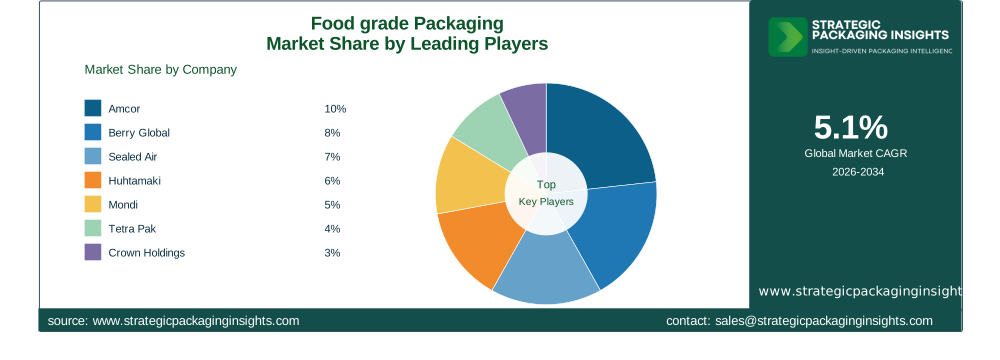
Amcor is a global leader in the Food grade Packaging market, known for its innovative packaging solutions and commitment to sustainability. The company offers a wide range of products, including flexible and rigid packaging, and has a strong presence in both developed and emerging markets. Berry Global is another key player, specializing in plastic packaging solutions for the food and beverage industry. The company's focus on product innovation and customer-centric solutions has enabled it to capture a significant share of the market.
Sealed Air is renowned for its expertise in protective packaging solutions, offering a diverse portfolio of products that cater to the needs of the food industry. The company's commitment to sustainability and innovation has positioned it as a leader in the market. Huhtamaki is a prominent player in the market, known for its sustainable packaging solutions and focus on environmental responsibility. The company's extensive product portfolio and global presence have enabled it to capture a significant share of the market.
Other notable companies in the market include Mondi, Tetra Pak, Crown Holdings, Ball Corporation, Smurfit Kappa, and WestRock. These companies are leveraging their expertise in packaging design and manufacturing to develop innovative solutions that meet the evolving needs of consumers. Their focus on sustainability and technological advancements is driving market growth and enhancing their competitive position. The market is expected to witness continued growth as companies invest in research and development to introduce new products and expand their market presence.
Key Highlights
- Market Size: The Food grade Packaging market is projected to grow from USD 522.68 billion in 2025 to USD 817.83 billion by 2034.
- Growth Rate: The market is expected to grow at a CAGR of 5.1% during the forecast period.
- Leading Companies: Key players include Amcor, Berry Global, Sealed Air, Huhtamaki, and Mondi.
- Material Innovation: Increasing demand for biodegradable and recyclable packaging materials.
- Technological Advancements: Adoption of smart packaging technologies to enhance product functionality.
- Regional Growth: Asia Pacific is expected to witness significant growth due to rising consumer demand.
- Sustainability Focus: Companies are investing in eco-friendly packaging solutions to meet regulatory requirements and consumer preferences.
Food grade Packaging Market Segments Insights

Material Type Analysis
The Food grade Packaging market is segmented by material type into plastic, paperboard, metal, and glass. Plastic remains the dominant material due to its versatility, cost-effectiveness, and ability to preserve food quality. However, the increasing environmental concerns and regulatory pressures are driving the demand for sustainable alternatives like paperboard and biodegradable plastics. Companies are investing in research and development to innovate and produce eco-friendly materials that meet consumer preferences and regulatory standards. The shift towards sustainable materials is expected to drive significant growth in the paperboard segment, as it offers a renewable and recyclable option for packaging solutions.
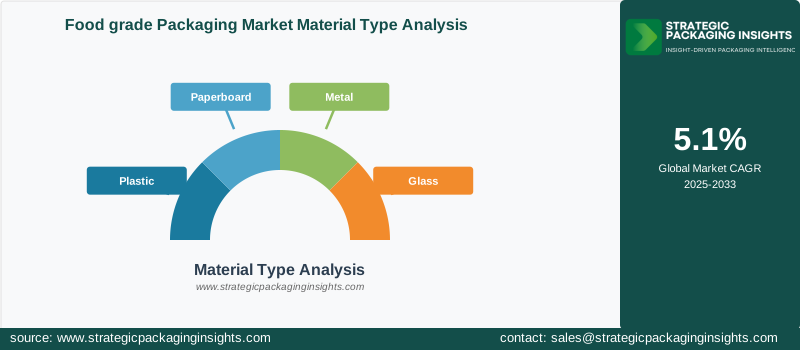
Metal and glass packaging are also gaining traction due to their durability and ability to preserve the freshness and quality of food products. Metal packaging, particularly aluminum cans, is widely used in the beverage industry due to its recyclability and lightweight properties. Glass packaging is favored for its premium appeal and inert nature, making it suitable for high-end food and beverage products. The demand for these materials is expected to grow as consumers increasingly prioritize sustainability and product quality. Companies are focusing on optimizing their production processes to enhance the recyclability and sustainability of metal and glass packaging solutions.
Packaging Type Analysis
The Food grade Packaging market is segmented by packaging type into bags, pouches, trays, bottles, and cans. Pouches are witnessing significant growth due to their convenience, lightweight nature, and ability to extend the shelf life of food products. The demand for flexible packaging solutions like pouches is driven by the increasing consumer preference for on-the-go and portion-controlled packaging. Companies are investing in innovative pouch designs and materials to enhance product functionality and appeal to environmentally conscious consumers. The trend towards flexible packaging is expected to continue, driven by the need for sustainable and convenient packaging solutions.
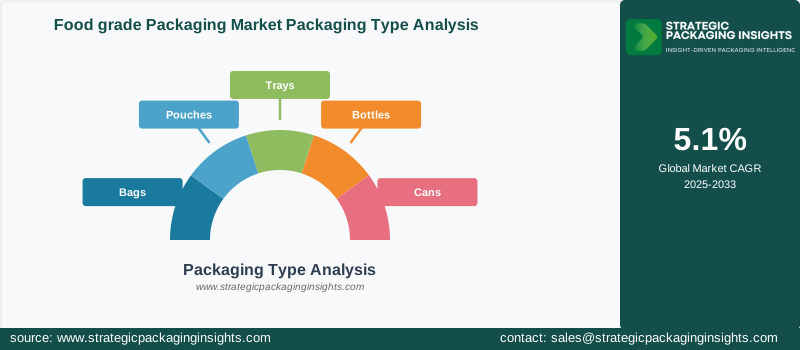
Bottles and cans remain popular packaging types, particularly in the beverage industry. Bottles, especially those made from PET, are favored for their lightweight and recyclable properties. The demand for cans, particularly aluminum cans, is driven by their recyclability and ability to preserve the quality and freshness of beverages. Trays are widely used in the meat and ready meals segments due to their ability to provide secure and hygienic packaging solutions. Companies are focusing on developing innovative tray designs and materials to enhance product safety and sustainability. The demand for these packaging types is expected to grow as companies prioritize sustainability and consumer convenience.
Application Analysis
The Food grade Packaging market is segmented by application into bakery, dairy, meat, ready meals, and beverages. The bakery segment is witnessing significant growth due to the increasing demand for convenient and portion-controlled packaging solutions. Companies are focusing on developing innovative packaging designs that enhance product freshness and appeal to health-conscious consumers. The dairy segment is also experiencing growth, driven by the demand for packaging solutions that extend the shelf life of dairy products and ensure product safety. Companies are investing in advanced packaging technologies to meet the evolving needs of the dairy industry.
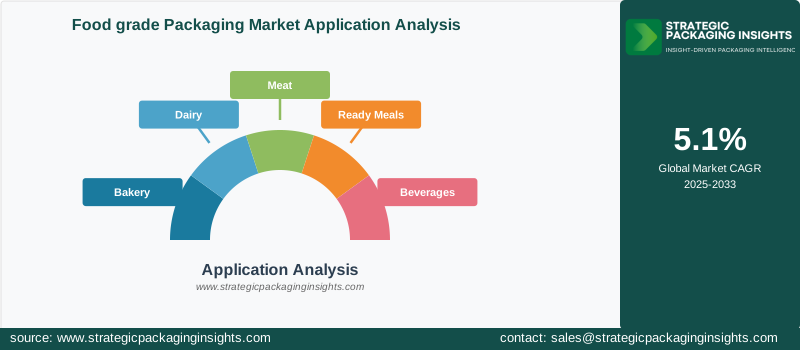
The meat and ready meals segments are benefiting from the increasing demand for convenient and hygienic packaging solutions. Companies are focusing on developing packaging solutions that enhance product safety and extend shelf life, particularly in the ready meals segment. The beverages segment is witnessing growth due to the increasing demand for sustainable and recyclable packaging solutions. Companies are investing in innovative packaging designs and materials to meet the evolving needs of the beverage industry and appeal to environmentally conscious consumers. The demand for these applications is expected to grow as companies prioritize sustainability and consumer convenience.
End Use Analysis
The Food grade Packaging market is segmented by end use into food manufacturers, retail, foodservice, and FMCG. Food manufacturers are the largest end-use segment, driven by the increasing demand for safe and sustainable packaging solutions. Companies are focusing on developing innovative packaging designs and materials to meet the evolving needs of food manufacturers and enhance product safety and quality. The retail segment is also experiencing growth, driven by the demand for convenient and attractive packaging solutions that enhance product appeal and consumer experience.
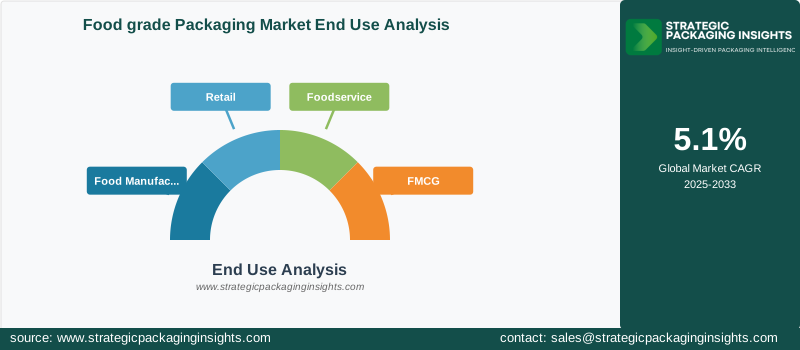
The foodservice segment is benefiting from the increasing demand for convenient and hygienic packaging solutions, particularly in the fast-food and takeaway sectors. Companies are focusing on developing packaging solutions that enhance product safety and convenience, particularly in the foodservice segment. The FMCG segment is witnessing growth due to the increasing demand for sustainable and recyclable packaging solutions. Companies are investing in innovative packaging designs and materials to meet the evolving needs of the FMCG industry and appeal to environmentally conscious consumers. The demand for these end-use segments is expected to grow as companies prioritize sustainability and consumer convenience.
Food grade Packaging Market Segments
The Food grade Packaging market has been segmented on the basis ofMaterial Type
- Plastic
- Paperboard
- Metal
- Glass
Packaging Type
- Bags
- Pouches
- Trays
- Bottles
- Cans
Application
- Bakery
- Dairy
- Meat
- Ready Meals
- Beverages
End Use
- Food Manufacturers
- Retail
- Foodservice
- FMCG
Region
- Asia Pacific
- North America
- Latin America
- Europe
- Middle East & Africa




