


Food Delivery Packaging Market Outlook
The Food Delivery Packaging market size was valued at USD $3.85 Billion in 2025 and is anticipated to reach USD $7.40 Billion by 2035, growing at a CAGR of 6.8% during the forecast period according to Strategic Packaging Insights.
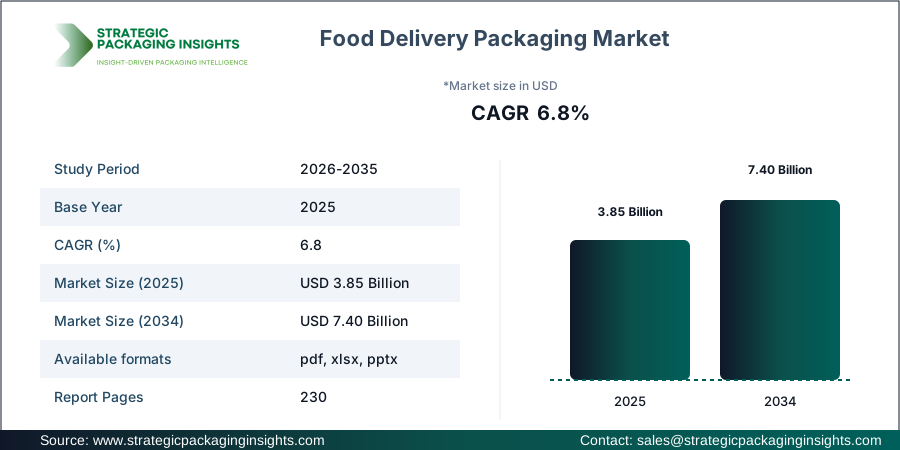
The increasing demand for convenient and sustainable packaging solutions is a major driver of the Food Delivery Packaging market. The rise of online food delivery services and the growing preference for takeaway meals have significantly boosted the demand for innovative packaging solutions that ensure food safety and quality. Regulatory pressures for sustainable packaging and consumer demand for eco-friendly options are also influencing market dynamics.
Report Scope
| Attributes | Details |
| Report Title | Food Delivery Packaging Market Projected to Scale to 7.40 Billion by 2035, Assesses Strategic Packaging Insights |
| by material | Plastic, Paper and Paperboard, Aluminum, Biodegradable and Compostable Materials, Others |
| by product type | Containers, Boxes, Bags, Plates, Bowls, Cups, Wraps, Trays, Others |
| by packaging format | Single-Compartment Packaging, Multi-Compartment Packaging, Clamshell Packaging, Pouches, Takeaway Boxes, Insulated Packaging, Others |
| by food type | Ready-to-Eat Meals, Fast Food, Pizza and Bakery Products, Asian and Ethnic Food, Salads and Cold Food, Desserts, Beverages, Other Food Products |
| by application | Restaurants, Quick-Service Restaurants, Cloud Kitchens, Grocery Stores, Meal Kit Services, Catering and Foodservice |
| by packaging functionality | Heat Retention, Leak Proof, Grease Resistant, Microwave Safe, Tamper Evident, Insulated, Compostable and Recyclable |
| by order channel | Food Delivery Platforms, Restaurant-Owned Delivery, Online Grocery Platforms, Direct Online Ordering |
| by region | North America, Europe, Asia-Pacific, Latin America, Middle East and Africa |
| Base Year | 2025 |
| Historic Period | 2018-2024 |
| Forecast Period | 2026-2035 |
| Number of Pages | 230 |
| Customization Available | Yes* |
Market Trends Analysis
The Food Delivery Packaging market is witnessing a shift towards sustainable materials, with a growing emphasis on biodegradable and compostable packaging. This trend is driven by increasing environmental awareness and regulatory mandates aimed at reducing plastic waste. Companies are investing in research and development to create packaging solutions that meet these sustainability criteria while maintaining functionality and cost-effectiveness. The adoption of mono-material packaging is also gaining traction, as it facilitates recycling and reduces environmental impact.
Technological advancements in packaging design and materials are enhancing the performance and appeal of food delivery packaging. Innovations such as tamper-evident seals, heat retention features, and leak-proof designs are becoming standard, driven by consumer demand for convenience and safety. The integration of digital technologies, such as QR codes for tracking and information, is also emerging as a trend, providing added value to both consumers and businesses. These trends are shaping the competitive landscape and influencing procurement strategies.
Industry Transformation Analysis
The Food Delivery Packaging industry is undergoing significant transformation, driven by the need for sustainability and efficiency. Manufacturers are optimizing their operations to reduce waste and energy consumption, aligning with global sustainability goals. The shift towards localized production is also evident, as companies seek to minimize transportation costs and carbon footprints. This localization trend is supported by advancements in manufacturing technologies that enable efficient small-scale production.
Value-chain transformation is evident as companies collaborate with suppliers and customers to develop integrated solutions that enhance the overall packaging lifecycle. The focus on circular economy principles is leading to increased investment in recycling infrastructure and the development of closed-loop systems. These changes are creating new opportunities for innovation and collaboration, as companies strive to meet evolving consumer expectations and regulatory requirements.
Trends & Disruptions Impacting Customers' Customers
Downstream customers, such as restaurants and food delivery platforms, are increasingly prioritizing sustainability and convenience in their packaging choices. The demand for eco-friendly packaging solutions is driven by consumer preferences for environmentally responsible products. Additionally, the rise of cloud kitchens and meal kit services is influencing packaging requirements, as these models require efficient and reliable packaging solutions to maintain food quality during transit.
These changes are impacting the Food Delivery Packaging market by driving demand for innovative and sustainable packaging solutions. Companies are investing in research and development to meet these evolving needs, leading to increased competition and the emergence of new market entrants. The focus on sustainability is also influencing procurement strategies, as businesses seek to partner with suppliers that offer eco-friendly materials and solutions. This shift presents opportunities for growth and differentiation in the market.
Food Delivery Packaging Market Ecosystem
The Food Delivery Packaging market ecosystem involves a complex interplay of raw material suppliers, manufacturers, converters, and distributors. The procurement of raw materials such as plastics, paper, and biodegradable materials is critical to the production process. Resin and substrate production form the foundation for converting these materials into functional packaging products. Printing and lamination add value by enhancing the aesthetic and protective qualities of the packaging.
Distribution channels ensure that packaging products reach end-users efficiently, while recycling processes close the loop by recovering materials for reuse. The ecosystem is influenced by regulatory requirements, consumer preferences, and technological advancements, which drive innovation and collaboration across the value chain. Capacity constraints and supply chain dependencies are key considerations for stakeholders, impacting procurement strategies and market dynamics.
Analyst Perspective
Analyst Perspective: The Food Delivery Packaging market is poised for significant growth, driven by the increasing demand for sustainable and convenient packaging solutions.
The shift towards biodegradable and compostable materials is a key structural change, offering opportunities for innovation and differentiation. Companies that invest in sustainable packaging technologies and materials are likely to gain a competitive edge in the market.
Stakeholders should monitor regulatory developments and consumer preferences closely, as these factors will shape the future of the market. The integration of digital technologies and the focus on circular economy principles are also areas to watch, as they present opportunities for value creation and operational efficiency.
Opportunities & Threats
The Food Delivery Packaging market presents significant opportunities for growth, driven by the increasing demand for sustainable and innovative packaging solutions. The shift towards biodegradable and compostable materials offers a competitive advantage for companies that can meet these sustainability criteria. Additionally, the rise of online food delivery services and the growing preference for takeaway meals are driving demand for convenient and reliable packaging solutions.
Technological advancements in packaging design and materials are creating new opportunities for innovation and differentiation. Companies that invest in research and development to create packaging solutions that enhance functionality and consumer experience are likely to gain a competitive edge. The integration of digital technologies, such as QR codes for tracking and information, is also emerging as a trend, providing added value to both consumers and businesses.
However, the market also faces several threats, including raw material volatility and regulatory uncertainty. The reliance on plastics and other non-renewable materials poses a challenge, as regulatory pressures for sustainable packaging increase. Companies must navigate these challenges by investing in alternative materials and technologies that meet regulatory requirements and consumer expectations.
Supply chain constraints and competition are also significant threats, as companies strive to meet increasing demand while maintaining cost-effectiveness. The focus on sustainability and innovation is driving competition, leading to the emergence of new market entrants and increased pressure on existing players. Companies must adapt to these changes by optimizing their operations and investing in sustainable and innovative solutions.
Drivers & Challenges
The Food Delivery Packaging market is driven by several key factors, including the increasing demand for convenient and sustainable packaging solutions. The rise of online food delivery services and the growing preference for takeaway meals have significantly boosted the demand for innovative packaging solutions that ensure food safety and quality. Regulatory pressures for sustainable packaging and consumer demand for eco-friendly options are also influencing market dynamics.
Technological advancements in packaging design and materials are enhancing the performance and appeal of food delivery packaging. Innovations such as tamper-evident seals, heat retention features, and leak-proof designs are becoming standard, driven by consumer demand for convenience and safety. The integration of digital technologies, such as QR codes for tracking and information, is also emerging as a trend, providing added value to both consumers and businesses.
However, the market also faces several challenges, including raw material volatility and regulatory uncertainty. The reliance on plastics and other non-renewable materials poses a challenge, as regulatory pressures for sustainable packaging increase. Companies must navigate these challenges by investing in alternative materials and technologies that meet regulatory requirements and consumer expectations.
Packaging Market Economics
The economics of the Food Delivery Packaging market are influenced by several factors, including raw material costs, conversion costs, and energy costs. The procurement of plastics, paper, and biodegradable materials is critical to the production process, with prices subject to fluctuations based on supply and demand dynamics. Conversion costs, including printing and lamination, add value to the packaging by enhancing its aesthetic and protective qualities.
Energy costs are also a significant consideration, as manufacturers seek to optimize their operations to reduce waste and energy consumption. The focus on sustainability and efficiency is driving investment in new technologies and processes that enhance operational efficiency and reduce environmental impact. These factors are shaping the competitive landscape and influencing procurement strategies.
Packaging Value Chain & Cost Analysis
The Food Delivery Packaging value chain involves several key stages, including resin synthesis, film extrusion, converting, printing, and distribution. Resin synthesis and film extrusion form the foundation for converting raw materials into functional packaging products. Printing and lamination add value by enhancing the aesthetic and protective qualities of the packaging.
Distribution channels ensure that packaging products reach end-users efficiently, while recycling processes close the loop by recovering materials for reuse. The value chain is influenced by regulatory requirements, consumer preferences, and technological advancements, which drive innovation and collaboration across the value chain. Capacity constraints and supply chain dependencies are key considerations for stakeholders, impacting procurement strategies and market dynamics.
Unit Economics & Substrate Cost Analysis
The unit economics of Food Delivery Packaging are influenced by several factors, including raw material costs, energy costs, and conversion costs. The procurement of plastics, paper, and biodegradable materials is critical to the production process, with prices subject to fluctuations based on supply and demand dynamics. Conversion costs, including printing and lamination, add value to the packaging by enhancing its aesthetic and protective qualities.
Energy costs are also a significant consideration, as manufacturers seek to optimize their operations to reduce waste and energy consumption. The focus on sustainability and efficiency is driving investment in new technologies and processes that enhance operational efficiency and reduce environmental impact. These factors are shaping the competitive landscape and influencing procurement strategies.
Packaging Regulatory & Sustainability Analysis
The Food Delivery Packaging market is subject to several regulatory and sustainability considerations, including packaging regulations, EPR, and recycling targets. Regulatory bodies such as the European Commission and the U.S. EPA are driving the shift towards sustainable packaging by implementing regulations that promote the use of biodegradable and compostable materials. These regulations are influencing market dynamics and driving innovation in packaging design and materials.
Sustainability is a key focus for the market, with companies investing in research and development to create packaging solutions that meet regulatory requirements and consumer expectations. The focus on circular economy principles is leading to increased investment in recycling infrastructure and the development of closed-loop systems. These changes are creating new opportunities for innovation and collaboration, as companies strive to meet evolving consumer expectations and regulatory requirements.
Strategic Mergers, Acquisitions & Capacity Expansions
The Food Delivery Packaging market has witnessed several strategic developments in recent years, including mergers, acquisitions, and capacity expansions. Companies are investing in new technologies and processes to enhance their operational efficiency and reduce environmental impact. The focus on sustainability and innovation is driving competition, leading to the emergence of new market entrants and increased pressure on existing players.
Recent strategic developments include the acquisition of biodegradable packaging companies by major players, as well as investments in new manufacturing facilities and recycling infrastructure. These developments are creating new opportunities for growth and differentiation, as companies strive to meet evolving consumer expectations and regulatory requirements. The focus on sustainability and innovation is driving competition, leading to the emergence of new market entrants and increased pressure on existing players.
Strategic Action Directives
Brand Packaging Engineers & Sustainability Directors should focus on material selection, mono-material qualification, and recyclability to meet regulatory requirements and consumer expectations. The integration of PCR materials and the development of closed-loop systems are also key considerations for sustainability.
Converter Operations & Extrusion Leads should optimize line speed, tooling, and changeover processes to enhance operational efficiency and reduce waste. The focus on capacity utilization and PCR variability is also critical to meeting demand and maintaining cost-effectiveness.
Procurement & Material Sourcing Managers should focus on resin contracts, price indexing, and supplier diversification to mitigate raw material volatility and supply chain constraints. The focus on EPR exposure and PCR contracts is also critical to meeting regulatory requirements and consumer expectations.
Investors should focus on capacity, margin structure, and M&A opportunities to gain a competitive edge in the market. The focus on technology and market concentration is also critical to meeting demand and maintaining cost-effectiveness.
Market Share Analysis
The Food Delivery Packaging market is characterized by a competitive landscape with several key players, including Dart Container Corporation, Koch Industries, Pactiv LLC, D&W Fine Pack LLC, Anchor Packaging Inc., Huhtamäki Oyj, Berry Global Inc., Graphic Packaging Holding Company, Novolex, Genpak LLC, Be Green Packaging, Gold Plast SPA, Amcor plc, Smurfit Kappa Group, Sealed Air Corporation, WestRock Company, DS Smith Plc, Mondi Group, International Paper Company, and Reynolds Group Holdings Limited.
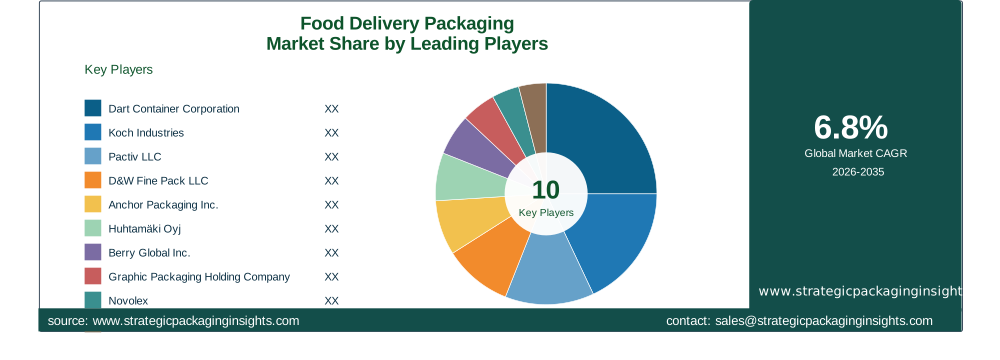
These companies are investing in research and development to create innovative and sustainable packaging solutions that meet regulatory requirements and consumer expectations. The focus on sustainability and innovation is driving competition, leading to the emergence of new market entrants and increased pressure on existing players. Companies are also investing in new technologies and processes to enhance their operational efficiency and reduce environmental impact.
The competitive landscape is characterized by a focus on sustainability and innovation, with companies investing in research and development to create packaging solutions that meet regulatory requirements and consumer expectations. The focus on sustainability and innovation is driving competition, leading to the emergence of new market entrants and increased pressure on existing players. Companies are also investing in new technologies and processes to enhance their operational efficiency and reduce environmental impact.
The competitive landscape is characterized by a focus on sustainability and innovation, with companies investing in research and development to create packaging solutions that meet regulatory requirements and consumer expectations. The focus on sustainability and innovation is driving competition, leading to the emergence of new market entrants and increased pressure on existing players. Companies are also investing in new technologies and processes to enhance their operational efficiency and reduce environmental impact.
Key Highlights
- Asia Pacific is the largest region, driven by increasing urbanization and food delivery services.
- Biodegradable and Compostable Materials are the fastest-growing segment, driven by sustainability trends.
- The base-year market size is USD 3.85 Billion.
- The forecast-year market size is USD 7.40 Billion.
- The market is projected to grow at a CAGR of 6.8%.
- Plastic remains the largest segment, driven by cost-effectiveness and versatility.
- Restaurants and quick-service restaurants are major end-use industries.
- Regulatory pressures for sustainable packaging are a major market driver.
- Technological advancements in packaging design are enhancing performance and appeal.
- The rise of online food delivery services is driving demand for innovative packaging solutions.
Regional Insights
The Food Delivery Packaging market is experiencing significant growth across major regions, with Asia Pacific emerging as the largest and fastest-growing region. The increasing urbanization and rise of food delivery services in countries like China and India are driving demand for innovative packaging solutions. North America and Europe are also key markets, driven by consumer demand for convenience and sustainability.
North America
North America is a mature market for Food Delivery Packaging, with a strong focus on sustainability and innovation. The demand for eco-friendly packaging solutions is driven by consumer preferences and regulatory pressures. The rise of online food delivery services and the growing preference for takeaway meals are also driving demand for convenient and reliable packaging solutions.
The market is characterized by a focus on sustainability and innovation, with companies investing in research and development to create packaging solutions that meet regulatory requirements and consumer expectations. The focus on sustainability and innovation is driving competition, leading to the emergence of new market entrants and increased pressure on existing players.
Europe
Europe is a key market for Food Delivery Packaging, driven by regulatory pressures for sustainable packaging and consumer demand for eco-friendly options. The focus on sustainability and innovation is driving competition, leading to the emergence of new market entrants and increased pressure on existing players. Companies are investing in research and development to create packaging solutions that meet regulatory requirements and consumer expectations.
The market is characterized by a focus on sustainability and innovation, with companies investing in research and development to create packaging solutions that meet regulatory requirements and consumer expectations. The focus on sustainability and innovation is driving competition, leading to the emergence of new market entrants and increased pressure on existing players.
Asia Pacific
Asia Pacific is the largest and fastest-growing region for Food Delivery Packaging, driven by increasing urbanization and the rise of food delivery services in countries like China and India. The demand for innovative packaging solutions is driven by consumer preferences for convenience and sustainability. The market is characterized by a focus on sustainability and innovation, with companies investing in research and development to create packaging solutions that meet regulatory requirements and consumer expectations.
The focus on sustainability and innovation is driving competition, leading to the emergence of new market entrants and increased pressure on existing players. Companies are also investing in new technologies and processes to enhance their operational efficiency and reduce environmental impact.
Latin America
Latin America is an emerging market for Food Delivery Packaging, driven by the rise of online food delivery services and the growing preference for takeaway meals. The demand for convenient and reliable packaging solutions is driving competition, leading to the emergence of new market entrants and increased pressure on existing players. Companies are investing in research and development to create packaging solutions that meet regulatory requirements and consumer expectations.
The market is characterized by a focus on sustainability and innovation, with companies investing in research and development to create packaging solutions that meet regulatory requirements and consumer expectations. The focus on sustainability and innovation is driving competition, leading to the emergence of new market entrants and increased pressure on existing players.
Middle East & Africa
The Middle East & Africa is an emerging market for Food Delivery Packaging, driven by the rise of online food delivery services and the growing preference for takeaway meals. The demand for convenient and reliable packaging solutions is driving competition, leading to the emergence of new market entrants and increased pressure on existing players. Companies are investing in research and development to create packaging solutions that meet regulatory requirements and consumer expectations.
The market is characterized by a focus on sustainability and innovation, with companies investing in research and development to create packaging solutions that meet regulatory requirements and consumer expectations. The focus on sustainability and innovation is driving competition, leading to the emergence of new market entrants and increased pressure on existing players.
Food Delivery Packaging Market Segments Insights

By Material Analysis
The Food Delivery Packaging market is segmented by material, with plastic being the largest segment due to its cost-effectiveness and versatility. However, the demand for biodegradable and compostable materials is growing rapidly, driven by sustainability trends and regulatory pressures. Companies are investing in research and development to create innovative packaging solutions that meet these sustainability criteria while maintaining functionality and cost-effectiveness.
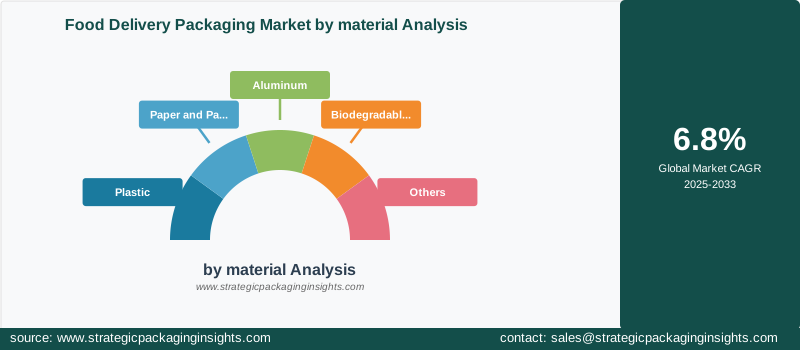
The focus on sustainability and innovation is driving competition, leading to the emergence of new market entrants and increased pressure on existing players. Companies are also investing in new technologies and processes to enhance their operational efficiency and reduce environmental impact. The focus on sustainability and innovation is driving competition, leading to the emergence of new market entrants and increased pressure on existing players.
By Product Type Analysis
The Food Delivery Packaging market is segmented by product type, with containers being the largest segment due to their versatility and functionality. The demand for innovative packaging solutions that enhance functionality and consumer experience is driving competition, leading to the emergence of new market entrants and increased pressure on existing players. Companies are investing in research and development to create packaging solutions that meet regulatory requirements and consumer expectations.
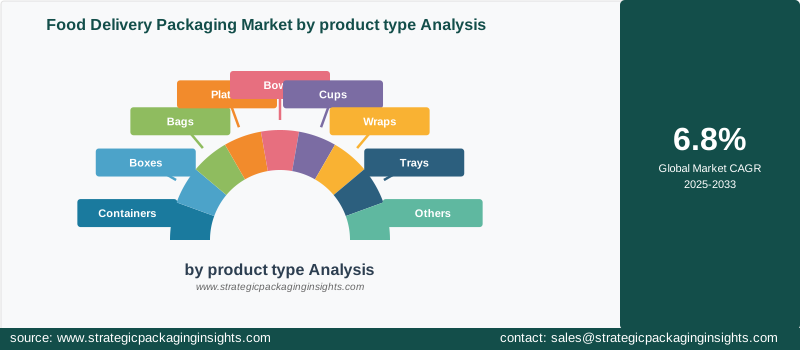
The focus on sustainability and innovation is driving competition, leading to the emergence of new market entrants and increased pressure on existing players. Companies are also investing in new technologies and processes to enhance their operational efficiency and reduce environmental impact. The focus on sustainability and innovation is driving competition, leading to the emergence of new market entrants and increased pressure on existing players.
By Packaging Format Analysis
The Food Delivery Packaging market is segmented by packaging format, with single-compartment packaging being the largest segment due to its convenience and functionality. The demand for innovative packaging solutions that enhance functionality and consumer experience is driving competition, leading to the emergence of new market entrants and increased pressure on existing players. Companies are investing in research and development to create packaging solutions that meet regulatory requirements and consumer expectations.
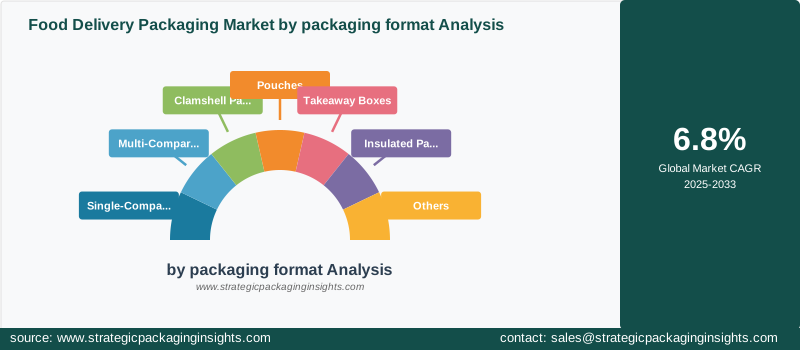
The focus on sustainability and innovation is driving competition, leading to the emergence of new market entrants and increased pressure on existing players. Companies are also investing in new technologies and processes to enhance their operational efficiency and reduce environmental impact. The focus on sustainability and innovation is driving competition, leading to the emergence of new market entrants and increased pressure on existing players.
By Food Type Analysis
The Food Delivery Packaging market is segmented by food type, with ready-to-eat meals being the largest segment due to their convenience and popularity. The demand for innovative packaging solutions that enhance functionality and consumer experience is driving competition, leading to the emergence of new market entrants and increased pressure on existing players. Companies are investing in research and development to create packaging solutions that meet regulatory requirements and consumer expectations.
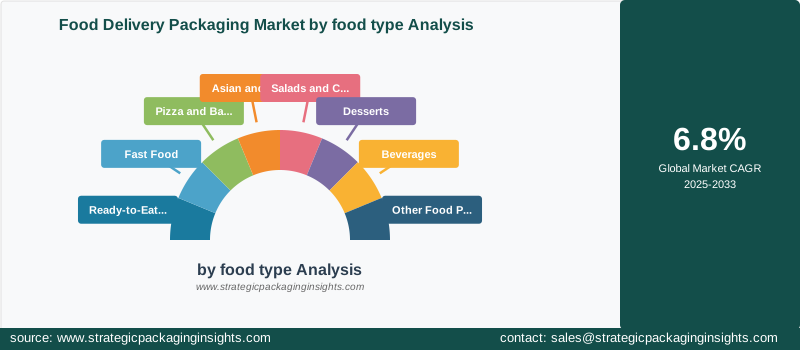
The focus on sustainability and innovation is driving competition, leading to the emergence of new market entrants and increased pressure on existing players. Companies are also investing in new technologies and processes to enhance their operational efficiency and reduce environmental impact. The focus on sustainability and innovation is driving competition, leading to the emergence of new market entrants and increased pressure on existing players.
By Application Analysis
The Food Delivery Packaging market is segmented by application, with restaurants being the largest segment due to their high demand for packaging solutions. The demand for innovative packaging solutions that enhance functionality and consumer experience is driving competition, leading to the emergence of new market entrants and increased pressure on existing players. Companies are investing in research and development to create packaging solutions that meet regulatory requirements and consumer expectations.
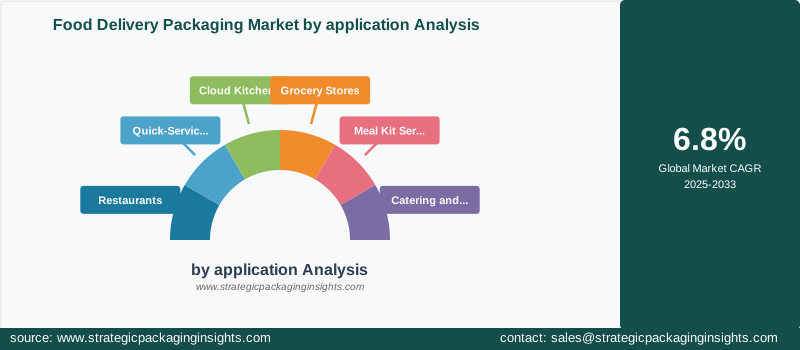
The focus on sustainability and innovation is driving competition, leading to the emergence of new market entrants and increased pressure on existing players. Companies are also investing in new technologies and processes to enhance their operational efficiency and reduce environmental impact. The focus on sustainability and innovation is driving competition, leading to the emergence of new market entrants and increased pressure on existing players.
By Packaging Functionality Analysis
The Food Delivery Packaging market is segmented by packaging functionality, with heat retention being the largest segment due to its importance in maintaining food quality. The demand for innovative packaging solutions that enhance functionality and consumer experience is driving competition, leading to the emergence of new market entrants and increased pressure on existing players. Companies are investing in research and development to create packaging solutions that meet regulatory requirements and consumer expectations.
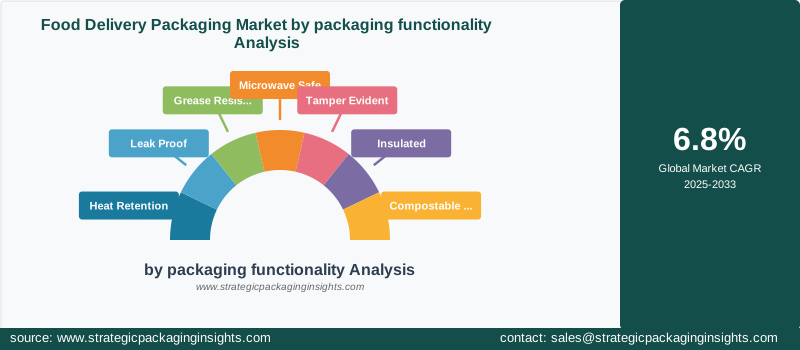
The focus on sustainability and innovation is driving competition, leading to the emergence of new market entrants and increased pressure on existing players. Companies are also investing in new technologies and processes to enhance their operational efficiency and reduce environmental impact. The focus on sustainability and innovation is driving competition, leading to the emergence of new market entrants and increased pressure on existing players.
By Order Channel Analysis
The Food Delivery Packaging market is segmented by order channel, with food delivery platforms being the largest segment due to their widespread use and convenience. The demand for innovative packaging solutions that enhance functionality and consumer experience is driving competition, leading to the emergence of new market entrants and increased pressure on existing players. Companies are investing in research and development to create packaging solutions that meet regulatory requirements and consumer expectations.
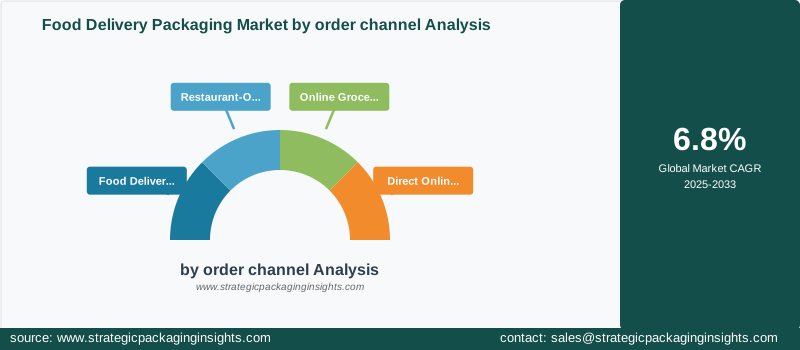
The focus on sustainability and innovation is driving competition, leading to the emergence of new market entrants and increased pressure on existing players. Companies are also investing in new technologies and processes to enhance their operational efficiency and reduce environmental impact. The focus on sustainability and innovation is driving competition, leading to the emergence of new market entrants and increased pressure on existing players.
Food Delivery Packaging Market Segments
The Food Delivery Packaging market has been segmented on the basis ofby material
- Plastic
- Paper and Paperboard
- Aluminum
- Biodegradable and Compostable Materials
- Others
by product type
- Containers
- Boxes
- Bags
- Plates
- Bowls
- Cups
- Wraps
- Trays
- Others
by packaging format
- Single-Compartment Packaging
- Multi-Compartment Packaging
- Clamshell Packaging
- Pouches
- Takeaway Boxes
- Insulated Packaging
- Others
by food type
- Ready-to-Eat Meals
- Fast Food
- Pizza and Bakery Products
- Asian and Ethnic Food
- Salads and Cold Food
- Desserts
- Beverages
- Other Food Products
by application
- Restaurants
- Quick-Service Restaurants
- Cloud Kitchens
- Grocery Stores
- Meal Kit Services
- Catering and Foodservice
by packaging functionality
- Heat Retention
- Leak Proof
- Grease Resistant
- Microwave Safe
- Tamper Evident
- Insulated
- Compostable and Recyclable
by order channel
- Food Delivery Platforms
- Restaurant-Owned Delivery
- Online Grocery Platforms
- Direct Online Ordering
by region
- North America
- Europe
- Asia-Pacific
- Latin America
- Middle East and Africa




