


Food Bags Market Outlook
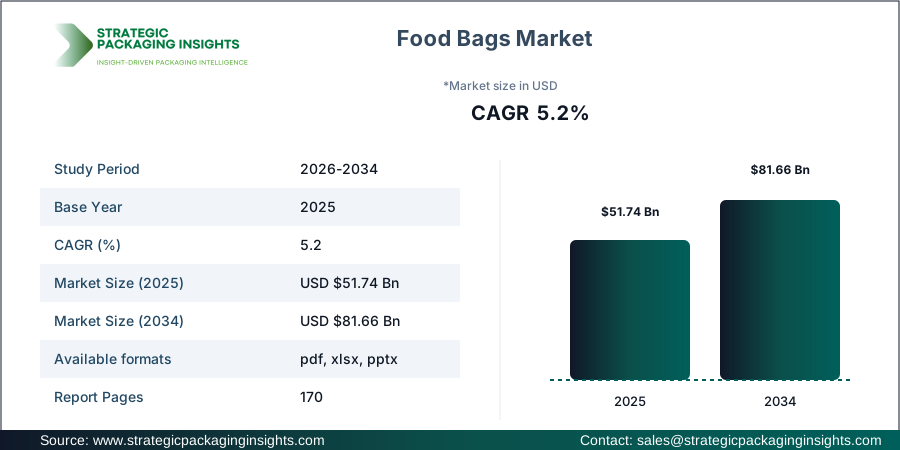
The food bags market was valued at $51.74 billion in 2025 and is projected to reach $81.66 billion by 2034, growing at a CAGR of 5.2% during the forecast period 2026-2034. This growth is driven by increasing consumer demand for convenient and sustainable packaging solutions. The rise in urbanization and changing lifestyles have led to a surge in the consumption of packaged food, thereby boosting the demand for food bags. Additionally, the growing awareness about food safety and hygiene has further propelled the market, as food bags offer a reliable solution for preserving food quality and extending shelf life. The market is also witnessing innovations in materials and designs, catering to the diverse needs of consumers and industries alike.
However, the market faces challenges such as stringent environmental regulations and the rising cost of raw materials. Governments across the globe are implementing policies to reduce plastic waste, which is pushing manufacturers to explore eco-friendly alternatives. Despite these challenges, the market holds significant growth potential, especially with the increasing adoption of biodegradable and compostable food bags. The shift towards sustainable packaging is not only a response to regulatory pressures but also a strategic move to attract environmentally conscious consumers. As a result, companies are investing in research and development to create innovative products that meet both regulatory standards and consumer expectations.
Report Scope
| Attributes | Details |
| Report Title | Food Bags Market Size, Future Growth and Forecast 2034 |
| By Material Type | Plastic, Paper, Compostable Films, Aluminum Laminates |
| By Product Type | Stand-Up Bags, Flat Bags, Gusseted Bags, Zipper Bags |
| By Application | Bakery, Snacks, Frozen Food, Fresh Produce |
| By End Use | Food Manufacturers, Retail, Foodservice, Households |
| Region | Asia Pacific, North America, Latin America, Europe, Middle East & Africa |
| Base Year | 2025 |
| Historic Period | 2018-2024 |
| Forecast Period | 2026-2034 |
| Number of Pages | 170 |
| Customization Available | Yes* |
Opportunities & Threats
The food bags market presents numerous opportunities, particularly in the realm of sustainable packaging solutions. As consumers become more environmentally conscious, there is a growing demand for biodegradable and compostable food bags. This shift is encouraging manufacturers to innovate and develop eco-friendly products that cater to this emerging market segment. Additionally, the rise of e-commerce and online food delivery services has created a significant demand for food bags that are not only functional but also aesthetically appealing. Companies that can offer customized and branded packaging solutions are likely to gain a competitive edge in this rapidly evolving market.
Another opportunity lies in the expansion of the food and beverage industry, particularly in emerging markets. As disposable incomes rise and consumer preferences shift towards convenience foods, the demand for food bags is expected to increase. This trend is further supported by the growing popularity of ready-to-eat meals and snack foods, which require efficient packaging solutions to maintain freshness and quality. Moreover, advancements in packaging technology, such as the development of smart packaging solutions that enhance food safety and extend shelf life, are expected to drive market growth.
Despite these opportunities, the food bags market faces several threats, primarily from regulatory pressures and environmental concerns. Governments worldwide are implementing stringent regulations to curb plastic waste, which poses a significant challenge for manufacturers relying on traditional plastic materials. The rising cost of raw materials, particularly for eco-friendly alternatives, is another concern that could impact profit margins. Additionally, the market is highly competitive, with numerous players vying for market share, which could lead to price wars and reduced profitability. Companies must navigate these challenges by investing in sustainable practices and innovative solutions to remain competitive.
Drivers & Challenges
One of the primary drivers of the food bags market is the increasing consumer demand for convenience and ready-to-eat food products. As urbanization continues to rise, consumers are seeking quick and easy meal solutions, leading to a surge in the consumption of packaged foods. This trend is further supported by the growing number of working professionals and dual-income households, who prioritize convenience over traditional meal preparation. Food bags offer an ideal solution for packaging a wide range of food products, from snacks and bakery items to frozen foods and fresh produce, thereby driving market growth.
Another significant driver is the growing awareness of food safety and hygiene. Consumers are becoming increasingly conscious of the need to protect their food from contamination and spoilage, leading to a higher demand for reliable packaging solutions. Food bags provide an effective barrier against external contaminants, helping to preserve food quality and extend shelf life. Additionally, advancements in packaging technology, such as the development of antimicrobial and moisture-resistant materials, are further enhancing the appeal of food bags among consumers and manufacturers alike.
However, the food bags market faces several challenges, including environmental concerns and regulatory pressures. The increasing focus on sustainability and the reduction of plastic waste is pushing manufacturers to explore alternative materials and packaging solutions. This shift is not without its challenges, as the development and production of eco-friendly materials can be costly and time-consuming. Additionally, the market is highly competitive, with numerous players vying for market share, which can lead to price wars and reduced profitability. Companies must navigate these challenges by investing in sustainable practices and innovative solutions to remain competitive in the market.
Market Share Analysis
The competitive landscape of the food bags market is characterized by the presence of several key players, each striving to capture a significant share of the market. Companies such as Amcor, Mondi, Berry Global, Novolex, and Huhtamaki are leading the charge, leveraging their extensive product portfolios and global reach to maintain a competitive edge. These companies are focusing on innovation and sustainability, investing in research and development to create eco-friendly packaging solutions that meet the evolving needs of consumers and regulatory requirements.
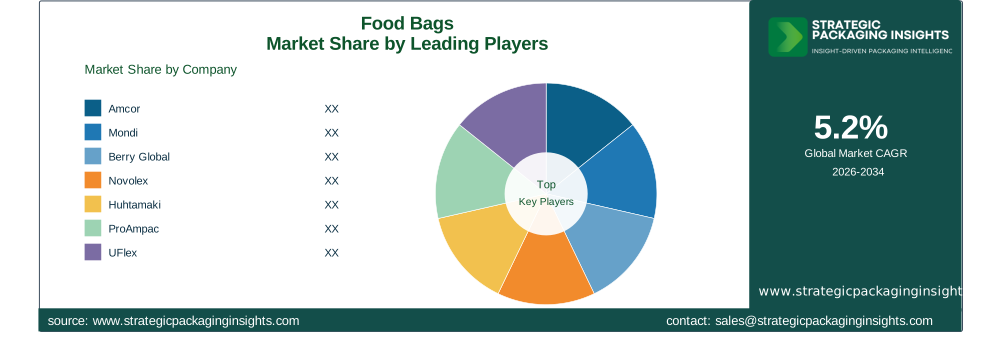
Amcor, a global leader in packaging solutions, holds a substantial market share due to its diverse range of products and commitment to sustainability. The company is actively investing in the development of recyclable and compostable packaging materials, aligning with the growing demand for eco-friendly solutions. Similarly, Mondi is making significant strides in the market by offering innovative and sustainable packaging solutions that cater to various industries, including food and beverage. The company's focus on reducing environmental impact and enhancing product functionality has helped it secure a strong position in the market.
Berry Global, another major player in the food bags market, is known for its extensive product offerings and commitment to sustainability. The company is actively working towards reducing its environmental footprint by developing recyclable and biodegradable packaging solutions. Novolex, with its focus on innovation and customer-centric solutions, has also carved out a significant share of the market. The company's emphasis on creating customized and branded packaging solutions has resonated well with consumers and businesses alike.
Other notable players in the market include Huhtamaki, ProAmpac, UFlex, Constantia Flexibles, Coveris, and Sealed Air. These companies are leveraging their expertise and resources to develop innovative packaging solutions that meet the diverse needs of consumers and industries. By focusing on sustainability and innovation, these companies are well-positioned to capitalize on the growing demand for food bags and maintain their competitive edge in the market.
Key Highlights
- The food bags market is projected to grow from $51.74 billion in 2025 to $81.66 billion by 2034, at a CAGR of 5.2%.
- Increasing consumer demand for convenient and sustainable packaging solutions is driving market growth.
- Stringent environmental regulations are pushing manufacturers to explore eco-friendly alternatives.
- The rise of e-commerce and online food delivery services is creating significant demand for food bags.
- Advancements in packaging technology, such as smart packaging solutions, are enhancing food safety and shelf life.
- Key players in the market include Amcor, Mondi, Berry Global, Novolex, and Huhtamaki.
- The market faces challenges from regulatory pressures and the rising cost of raw materials.
- Emerging markets present significant growth opportunities due to rising disposable incomes and changing consumer preferences.
Top Countries Insights
The United States is a leading market for food bags, with a current market size of approximately $12 billion and a CAGR of 4%. The country's robust food and beverage industry, coupled with the growing demand for convenient packaging solutions, is driving market growth. Additionally, the increasing focus on sustainability and the adoption of eco-friendly packaging materials are key growth drivers in the U.S. market. However, regulatory pressures and environmental concerns pose challenges for manufacturers, necessitating a shift towards sustainable practices.
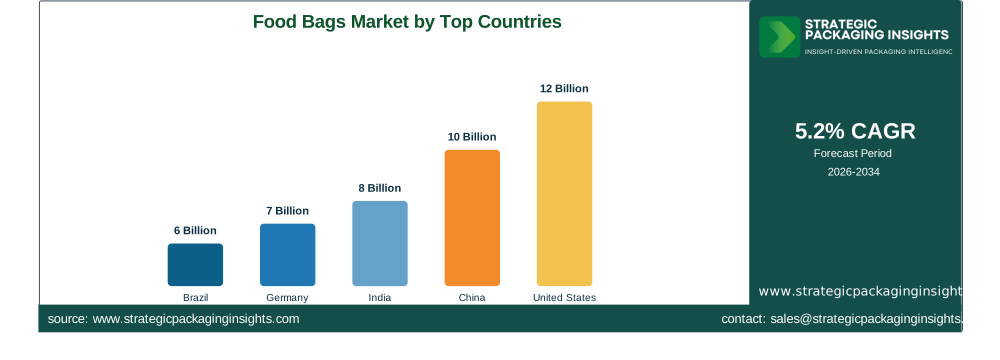
China is another significant market for food bags, with a market size of around $10 billion and a CAGR of 6%. The country's rapid urbanization and rising disposable incomes are fueling the demand for packaged foods, thereby boosting the food bags market. The Chinese government's initiatives to reduce plastic waste and promote sustainable packaging solutions are also contributing to market growth. However, the market faces challenges from regulatory pressures and the need for innovation in packaging materials.
India, with a market size of approximately $8 billion and a CAGR of 7%, is experiencing significant growth in the food bags market. The country's expanding middle class and increasing consumer preference for convenience foods are driving demand for food bags. Additionally, the Indian government's focus on reducing plastic waste and promoting sustainable packaging solutions is creating opportunities for manufacturers. However, the market faces challenges from regulatory pressures and the need for cost-effective eco-friendly materials.
Germany, with a market size of around $7 billion and a CAGR of 5%, is a key market for food bags in Europe. The country's strong food and beverage industry, coupled with the growing demand for sustainable packaging solutions, is driving market growth. Additionally, advancements in packaging technology and the adoption of smart packaging solutions are enhancing food safety and shelf life. However, the market faces challenges from regulatory pressures and the rising cost of raw materials.
Brazil, with a market size of approximately $6 billion and a CAGR of 5%, is a growing market for food bags in Latin America. The country's expanding food and beverage industry and increasing consumer demand for convenient packaging solutions are driving market growth. Additionally, the Brazilian government's initiatives to reduce plastic waste and promote sustainable packaging solutions are creating opportunities for manufacturers. However, the market faces challenges from regulatory pressures and the need for innovation in packaging materials.
Food Bags Market Segments Insights

Material Type Analysis
The material type segment of the food bags market is dominated by plastic, which remains the most widely used material due to its versatility, durability, and cost-effectiveness. However, the increasing environmental concerns and regulatory pressures are driving the shift towards more sustainable alternatives such as paper, compostable films, and aluminum laminates. Paper bags are gaining popularity due to their biodegradability and recyclability, making them an attractive option for environmentally conscious consumers. Compostable films are also emerging as a viable alternative, offering the benefits of plastic without the environmental drawbacks. Aluminum laminates, known for their excellent barrier properties, are being used in applications where food preservation is critical.
The demand for eco-friendly materials is expected to grow significantly during the forecast period, driven by consumer preferences and regulatory mandates. Manufacturers are investing in research and development to create innovative materials that meet both performance and sustainability criteria. The development of bio-based plastics and other renewable materials is a key focus area, as companies strive to reduce their environmental footprint and comply with stringent regulations. The material type segment is poised for significant growth, with opportunities for innovation and differentiation in the market.
Product Type Analysis
The product type segment of the food bags market includes stand-up bags, flat bags, gusseted bags, and zipper bags. Stand-up bags are gaining popularity due to their convenience and ability to stand upright on store shelves, enhancing product visibility and appeal. These bags are widely used for packaging snacks, bakery items, and other dry foods. Flat bags, on the other hand, are commonly used for packaging fresh produce and frozen foods, offering a simple and cost-effective solution for food preservation. Gusseted bags, with their expandable sides, provide additional space for bulkier items, making them ideal for packaging larger quantities of food.
Zipper bags are also witnessing increased demand, particularly in the household and retail segments, due to their resealable feature that helps maintain food freshness and quality. The product type segment is characterized by innovation and customization, with manufacturers offering a wide range of designs and features to cater to diverse consumer needs. The growing demand for convenience and functionality is driving the development of new product types, with a focus on enhancing user experience and product performance.
Application Analysis
The application segment of the food bags market is diverse, encompassing bakery, snacks, frozen food, and fresh produce. The bakery segment is a significant contributor to market growth, driven by the increasing consumption of packaged bakery products such as bread, pastries, and cakes. Food bags provide an effective solution for preserving the freshness and quality of these products, extending their shelf life and enhancing consumer appeal. The snacks segment is also witnessing robust growth, fueled by the rising demand for convenient and on-the-go food options.
Frozen food is another key application area, with food bags playing a crucial role in maintaining product integrity and preventing freezer burn. The growing popularity of frozen meals and ready-to-eat foods is driving demand for efficient packaging solutions that ensure product quality and safety. The fresh produce segment is also experiencing growth, as consumers seek convenient and hygienic packaging solutions for fruits and vegetables. The application segment is characterized by diverse consumer preferences and industry requirements, driving innovation and customization in the market.
End Use Analysis
The end-use segment of the food bags market includes food manufacturers, retail, foodservice, and households. Food manufacturers are the largest end-users, utilizing food bags for packaging a wide range of products, from snacks and bakery items to frozen foods and fresh produce. The retail segment is also a significant contributor to market growth, driven by the increasing demand for convenient and attractive packaging solutions that enhance product visibility and appeal. Foodservice providers, including restaurants and catering services, rely on food bags for efficient and hygienic packaging of food items for delivery and takeaway.
Households represent a growing end-use segment, as consumers seek convenient and reliable packaging solutions for storing and preserving food at home. The end-use segment is characterized by diverse requirements and preferences, driving innovation and customization in the market. Manufacturers are focusing on developing products that cater to the specific needs of each end-use segment, offering a wide range of designs, materials, and features to enhance user experience and product performance.
Food Bags Market Segments
The Food Bags market has been segmented on the basis ofBy Material Type
- Plastic
- Paper
- Compostable Films
- Aluminum Laminates
By Product Type
- Stand-Up Bags
- Flat Bags
- Gusseted Bags
- Zipper Bags
By Application
- Bakery
- Snacks
- Frozen Food
- Fresh Produce
By End Use
- Food Manufacturers
- Retail
- Foodservice
- Households
Region
- Asia Pacific
- North America
- Latin America
- Europe
- Middle East & Africa




