


Foam Plastics Market Outlook
The foam plastics market was valued at $63.25 billion in 2025 and is projected to reach $91.87 billion by 2034, growing at a CAGR of 4.2% during the forecast period 2026-2034. Foam plastics, known for their lightweight and insulating properties, are increasingly in demand across various industries such as construction, automotive, and packaging. The market's growth is driven by the rising need for energy-efficient buildings and the automotive industry's shift towards lightweight materials to enhance fuel efficiency. Additionally, the packaging sector's expansion, fueled by e-commerce growth, further propels the demand for foam plastics.
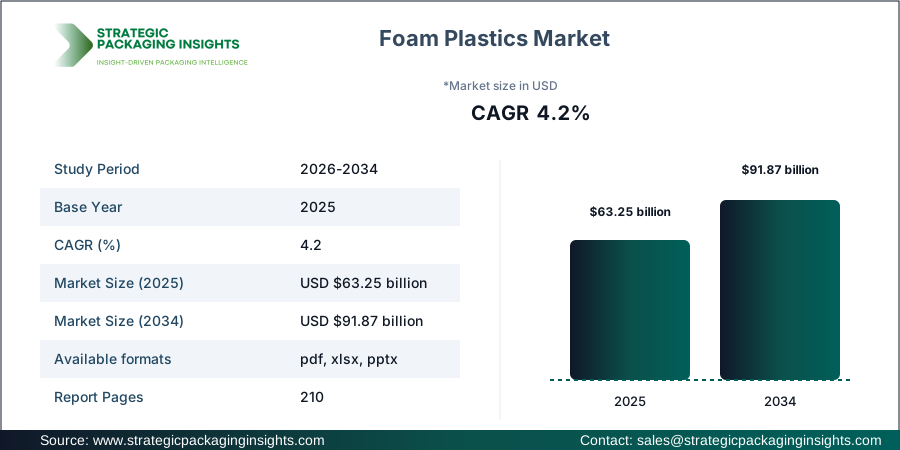
Despite the promising growth trajectory, the foam plastics market faces challenges such as stringent environmental regulations and fluctuating raw material prices. Regulatory bodies worldwide are imposing restrictions on the use of certain foam plastics due to environmental concerns, pushing manufacturers to innovate and develop eco-friendly alternatives. However, the market holds significant growth potential, especially with advancements in recycling technologies and the development of bio-based foam plastics. These innovations are expected to mitigate environmental impacts and align with global sustainability goals, offering new avenues for market expansion.
Report Scope
| Attributes | Details |
| Report Title | Foam Plastics Market Size, Future Growth and Forecast 2034 |
| By Type | EPS, XPS, PU foam |
| By Application | Packaging, Insulation, Automotive |
| By End Use | Construction, Consumer Goods, Industrial |
| By Form | Sheet, Block, Molded |
| Region | Asia Pacific, North America, Latin America, Europe, Middle East & Africa |
| Base Year | 2025 |
| Historic Period | 2018-2024 |
| Forecast Period | 2026-2034 |
| Number of Pages | 210 |
| Customization Available | Yes* |
Opportunities & Threats
The foam plastics market presents numerous opportunities, particularly in the construction and automotive sectors. In construction, the demand for energy-efficient buildings is driving the adoption of foam plastics for insulation purposes. Foam plastics offer superior thermal insulation, which is crucial for reducing energy consumption in buildings. Additionally, the automotive industry is increasingly utilizing foam plastics to reduce vehicle weight, thereby improving fuel efficiency and reducing emissions. This trend is expected to continue as automakers strive to meet stringent emission standards and consumer demand for eco-friendly vehicles.
Another significant opportunity lies in the packaging industry, where foam plastics are used extensively for protective packaging solutions. The rise of e-commerce has led to an increased demand for packaging materials that can ensure the safe delivery of products. Foam plastics, with their cushioning properties, are ideal for this purpose. Moreover, the development of biodegradable foam plastics is opening new markets and addressing environmental concerns associated with traditional foam plastics. This innovation is likely to attract environmentally conscious consumers and businesses, further boosting market growth.
However, the foam plastics market also faces threats, primarily from environmental regulations and the availability of alternative materials. Governments worldwide are implementing stricter regulations on the use of certain foam plastics due to their environmental impact, particularly concerning waste management and recycling challenges. This regulatory pressure is compelling manufacturers to invest in research and development to create sustainable alternatives. Additionally, the emergence of alternative materials, such as biodegradable and recyclable options, poses a threat to traditional foam plastics, potentially impacting market share.
Drivers & Challenges
The foam plastics market is driven by several key factors, including the growing demand for lightweight materials in the automotive industry. As automakers aim to enhance fuel efficiency and reduce emissions, the use of foam plastics in vehicle components is becoming increasingly prevalent. Foam plastics offer a lightweight yet durable solution, making them ideal for various automotive applications, from seating to interior panels. This trend is expected to continue as the automotive industry evolves towards more sustainable practices and technologies.
Another significant driver is the increasing focus on energy efficiency in the construction sector. Foam plastics are widely used for insulation purposes, helping to reduce energy consumption in buildings. With the global push towards sustainable construction practices and the implementation of energy efficiency standards, the demand for foam plastics is set to rise. Additionally, the packaging industry's growth, driven by the e-commerce boom, is further fueling the demand for foam plastics, as they provide excellent protective packaging solutions.
Despite these drivers, the foam plastics market faces challenges such as environmental concerns and regulatory pressures. The environmental impact of foam plastics, particularly in terms of waste management and recycling, is a significant challenge for the industry. Regulatory bodies are imposing stricter guidelines on the use and disposal of foam plastics, pushing manufacturers to develop eco-friendly alternatives. Additionally, the volatility of raw material prices can impact production costs and profitability, posing a challenge for market players.
Market Share Analysis
The foam plastics market is characterized by a competitive landscape with several key players dominating the industry. Companies such as BASF, Dow, and Covestro hold significant market shares, leveraging their extensive product portfolios and global presence to maintain a competitive edge. These companies are actively investing in research and development to innovate and expand their product offerings, particularly focusing on sustainable and eco-friendly foam plastics. Their strategic initiatives, including mergers, acquisitions, and partnerships, further strengthen their market position.
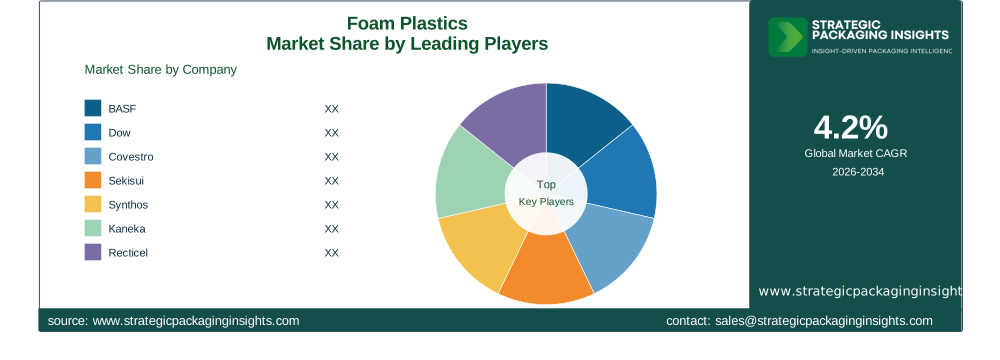
BASF, a leading player in the foam plastics market, is known for its comprehensive range of foam products catering to various industries. The company's focus on sustainability and innovation has enabled it to maintain a strong market presence. Similarly, Dow is a major player, offering a wide array of foam plastics solutions. The company's commitment to sustainability and its strategic collaborations with other industry leaders have bolstered its market position.
Covestro, another key player, is renowned for its high-performance foam plastics used in automotive and construction applications. The company's emphasis on research and development and its efforts to develop bio-based foam plastics have positioned it as a leader in the market. Other notable companies include Sekisui, Synthos, and Kaneka, each contributing to the market's growth through their innovative product offerings and strategic initiatives.
Recticel and Armacell are also significant players in the foam plastics market, known for their specialized foam solutions catering to various end-use industries. These companies are focusing on expanding their product portfolios and enhancing their production capabilities to meet the growing demand for foam plastics. JSP and FoamPartner are other key contributors, with their focus on innovation and sustainability driving their market success.
Key Highlights
- The foam plastics market is projected to grow from $63.25 billion in 2025 to $91.87 billion by 2034, at a CAGR of 4.2%.
- Key drivers include the demand for lightweight materials in automotive and energy-efficient solutions in construction.
- Environmental regulations and the development of biodegradable foam plastics are shaping market dynamics.
- Major players like BASF, Dow, and Covestro are focusing on sustainability and innovation to maintain market leadership.
- The packaging industry's growth, driven by e-commerce, is significantly boosting the demand for foam plastics.
- Advancements in recycling technologies are expected to mitigate environmental concerns associated with foam plastics.
- The market faces challenges from regulatory pressures and the availability of alternative materials.
Top Countries Insights
In the foam plastics market, the United States stands out with a market size of approximately $15 billion and a CAGR of 3%. The country's growth is driven by the robust demand from the construction and automotive sectors, where foam plastics are used extensively for insulation and lightweighting applications. Government initiatives promoting energy efficiency and sustainable building practices further support market expansion. However, environmental regulations pose challenges, necessitating innovation in eco-friendly foam solutions.
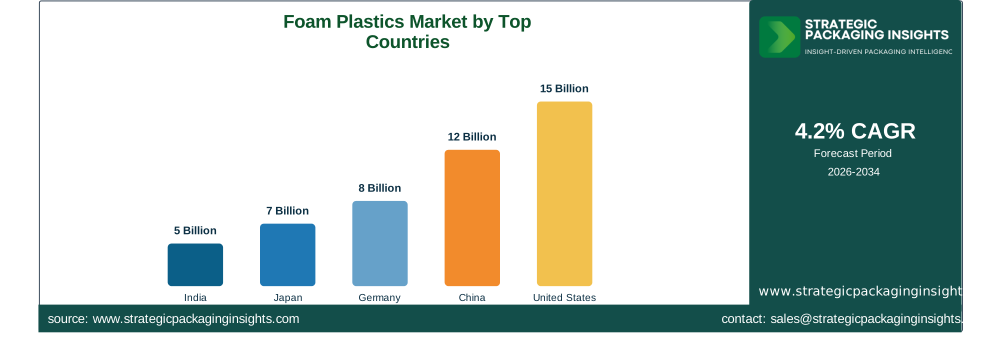
China, with a market size of around $12 billion and a CAGR of 5%, is a key player in the foam plastics market. The country's rapid industrialization and urbanization drive demand for foam plastics in construction and packaging. Additionally, China's automotive industry, one of the largest globally, significantly contributes to market growth. However, the market faces challenges from environmental regulations and the need for sustainable alternatives.
Germany, with a market size of approximately $8 billion and a CAGR of 4%, is a significant contributor to the foam plastics market in Europe. The country's strong automotive industry and focus on energy-efficient construction practices drive demand for foam plastics. Germany's commitment to sustainability and innovation in recycling technologies further supports market growth, although regulatory pressures remain a challenge.
Japan, with a market size of about $7 billion and a CAGR of 3%, plays a crucial role in the foam plastics market in Asia. The country's advanced manufacturing sector and focus on technological innovation drive demand for high-performance foam plastics. However, Japan faces challenges from environmental regulations and the need to develop sustainable alternatives to traditional foam plastics.
India, with a market size of approximately $5 billion and a CAGR of 6%, is an emerging market for foam plastics. The country's growing construction and automotive sectors, coupled with government initiatives promoting infrastructure development, drive market growth. However, India faces challenges from environmental concerns and the need for sustainable foam solutions to meet regulatory requirements.
Foam Plastics Market Segments Insights

By Type Analysis
The foam plastics market, segmented by type, includes EPS, XPS, and PU foam. EPS (Expanded Polystyrene) is widely used in packaging and construction due to its excellent insulation properties and cost-effectiveness. The demand for EPS is driven by the packaging industry's growth, particularly in e-commerce, where protective packaging is crucial. Additionally, the construction sector's focus on energy efficiency boosts EPS demand for insulation applications. However, environmental concerns regarding EPS disposal and recycling present challenges, prompting manufacturers to explore sustainable alternatives.
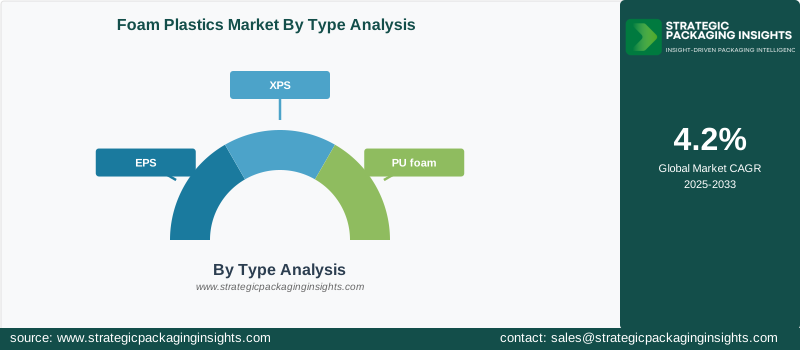
XPS (Extruded Polystyrene) is another significant segment, known for its superior thermal insulation and moisture resistance. XPS is extensively used in construction, particularly for insulating foundations, walls, and roofs. The segment's growth is driven by the increasing adoption of energy-efficient building practices and stringent building codes. However, the environmental impact of XPS production and disposal remains a challenge, necessitating advancements in recycling technologies and the development of eco-friendly alternatives.
PU foam (Polyurethane foam) is a versatile segment used in various applications, including automotive, construction, and consumer goods. The demand for PU foam is driven by its lightweight, durable, and flexible properties, making it ideal for automotive seating and interior components. In construction, PU foam is used for insulation and sealing applications. However, the segment faces challenges from volatile raw material prices and environmental regulations, pushing manufacturers to innovate and develop sustainable PU foam solutions.
By Application Analysis
The foam plastics market, segmented by application, includes packaging, insulation, and automotive. The packaging segment is a major driver of market growth, fueled by the rise of e-commerce and the need for protective packaging solutions. Foam plastics, with their cushioning properties, are ideal for ensuring the safe delivery of products. The development of biodegradable foam plastics is further enhancing the segment's growth, addressing environmental concerns and attracting environmentally conscious consumers.
Insulation is another key application segment, driven by the construction industry's focus on energy efficiency. Foam plastics offer superior thermal insulation, reducing energy consumption in buildings and aligning with global sustainability goals. The segment's growth is supported by government initiatives promoting energy-efficient building practices and the implementation of stringent building codes. However, environmental regulations and the need for sustainable insulation solutions present challenges for the segment.
The automotive segment is also a significant contributor to the foam plastics market, driven by the industry's shift towards lightweight materials to enhance fuel efficiency and reduce emissions. Foam plastics are used in various automotive applications, from seating to interior panels, due to their lightweight and durable properties. The segment's growth is supported by the automotive industry's focus on sustainability and innovation, although challenges such as regulatory pressures and the availability of alternative materials remain.
By End Use Analysis
The foam plastics market, segmented by end use, includes construction, consumer goods, and industrial applications. The construction segment is a major driver of market growth, driven by the demand for energy-efficient buildings and sustainable construction practices. Foam plastics are widely used for insulation and sealing applications, reducing energy consumption and aligning with global sustainability goals. However, the segment faces challenges from environmental regulations and the need for sustainable alternatives to traditional foam plastics.
The consumer goods segment is another significant contributor to the foam plastics market, driven by the demand for lightweight and durable materials in various applications, from packaging to furniture. Foam plastics offer excellent cushioning and protective properties, making them ideal for consumer goods packaging. The segment's growth is supported by the rise of e-commerce and the need for protective packaging solutions, although environmental concerns and regulatory pressures present challenges.
The industrial segment is also a key contributor to the foam plastics market, driven by the demand for lightweight and durable materials in various industrial applications. Foam plastics are used in a wide range of industrial applications, from insulation to protective packaging, due to their lightweight and durable properties. The segment's growth is supported by the industrial sector's focus on sustainability and innovation, although challenges such as regulatory pressures and the availability of alternative materials remain.
By Form Analysis
The foam plastics market, segmented by form, includes sheet, block, and molded forms. The sheet form is widely used in packaging and construction applications due to its lightweight and flexible properties. The demand for foam plastic sheets is driven by the packaging industry's growth, particularly in e-commerce, where protective packaging is crucial. Additionally, the construction sector's focus on energy efficiency boosts the demand for foam plastic sheets for insulation applications. However, environmental concerns regarding disposal and recycling present challenges, prompting manufacturers to explore sustainable alternatives.
The block form is another significant segment, known for its superior thermal insulation and moisture resistance. Foam plastic blocks are extensively used in construction, particularly for insulating foundations, walls, and roofs. The segment's growth is driven by the increasing adoption of energy-efficient building practices and stringent building codes. However, the environmental impact of foam plastic block production and disposal remains a challenge, necessitating advancements in recycling technologies and the development of eco-friendly alternatives.
The molded form is a versatile segment used in various applications, including automotive, construction, and consumer goods. The demand for molded foam plastics is driven by their lightweight, durable, and flexible properties, making them ideal for automotive seating and interior components. In construction, molded foam plastics are used for insulation and sealing applications. However, the segment faces challenges from volatile raw material prices and environmental regulations, pushing manufacturers to innovate and develop sustainable molded foam plastic solutions.
Foam Plastics Market Segments
The Foam Plastics market has been segmented on the basis ofBy Type
- EPS
- XPS
- PU foam
By Application
- Packaging
- Insulation
- Automotive
By End Use
- Construction
- Consumer Goods
- Industrial
By Form
- Sheet
- Block
- Molded
Region
- Asia Pacific
- North America
- Latin America
- Europe
- Middle East & Africa




