


Foam Cap Liners Market Outlook
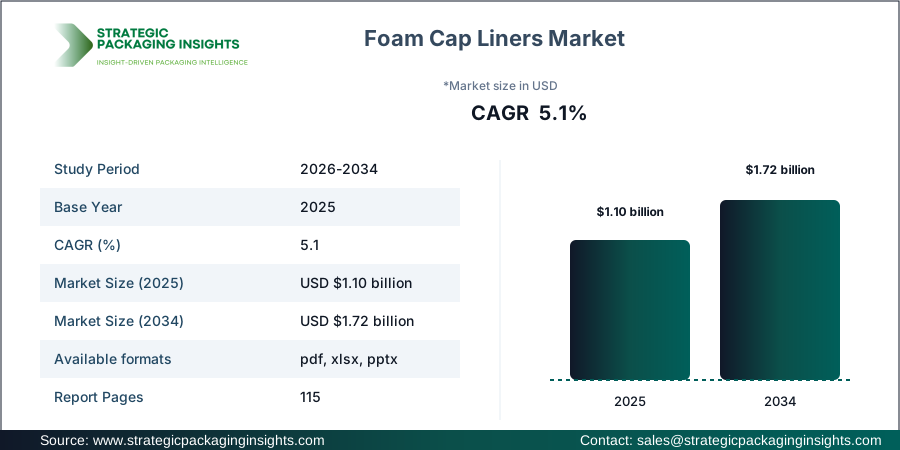
The Foam Cap Liners market was valued at $1.10 billion in 2025 and is projected to reach $1.72 billion by 2034, growing at a CAGR of 5.1% during the forecast period 2026-2034. Foam cap liners are essential components in packaging, providing a secure seal for various containers, including bottles, jars, and closures. The market's growth is driven by increasing demand in the food and beverage industry, where these liners ensure product freshness and prevent contamination. Additionally, the pharmaceutical sector's stringent packaging requirements further bolster the market, as foam cap liners offer tamper-evident and leak-proof solutions. The rising consumer preference for convenient and safe packaging solutions is also a significant factor propelling market expansion.
Despite the promising growth trajectory, the Foam Cap Liners market faces certain challenges. Regulatory constraints regarding material usage and environmental concerns about foam waste management pose significant hurdles. However, advancements in eco-friendly materials and recycling technologies present growth opportunities. The market's potential is further enhanced by innovations in liner technology, such as vented liners that allow for pressure equalization, catering to the needs of carbonated beverages and volatile chemical products. As manufacturers focus on sustainable practices and product differentiation, the Foam Cap Liners market is poised for substantial growth, driven by evolving consumer demands and regulatory landscapes.
Report Scope
| Attributes | Details |
| Report Title | Foam Cap Liners Market Size, Future Growth and Forecast 2034 |
| By Material Type | PE Foam, PS Foam, EVA Foam, PP Foam |
| By Product Type | Pressure Sensitive Liners, Induction Seal Liners, Vented Liners |
| By Application | Bottles, Jars, Closures, Containers |
| By End Use | Food & Beverage, Pharmaceuticals, Cosmetics, Chemicals |
| Region | Asia Pacific, North America, Latin America, Europe, Middle East & Africa |
| Base Year | 2025 |
| Historic Period | 2018-2024 |
| Forecast Period | 2026-2034 |
| Number of Pages | 115 |
| Customization Available | Yes* |
Opportunities & Threats
The Foam Cap Liners market presents numerous opportunities, particularly in the realm of sustainable packaging solutions. As environmental concerns rise, there is a growing demand for eco-friendly materials that can be recycled or biodegraded. This shift in consumer preference is prompting manufacturers to innovate and develop liners made from sustainable materials, such as biodegradable foams or those derived from renewable resources. Additionally, the increasing adoption of foam cap liners in emerging markets, driven by the expansion of the food and beverage and pharmaceutical industries, offers significant growth potential. These regions are witnessing a surge in demand for packaged goods, necessitating reliable and efficient sealing solutions, thereby creating lucrative opportunities for market players.
Another opportunity lies in the technological advancements in liner manufacturing processes. Innovations such as vented liners, which allow for pressure equalization, are gaining traction in the market. These liners are particularly beneficial for packaging carbonated beverages and volatile chemical products, where pressure buildup can be a concern. Furthermore, the integration of smart technologies, such as RFID tags and QR codes, into foam cap liners is opening new avenues for product tracking and consumer engagement. These advancements not only enhance the functionality of the liners but also provide value-added benefits to end-users, thereby driving market growth.
However, the market is not without its threats. One of the primary challenges is the stringent regulatory environment governing packaging materials. Regulations related to food safety, pharmaceutical packaging, and environmental impact are becoming increasingly stringent, requiring manufacturers to comply with various standards and certifications. This can lead to increased production costs and limit the use of certain materials, posing a threat to market growth. Additionally, the volatility in raw material prices, particularly petroleum-based foams, can impact the profitability of manufacturers. As a result, companies need to focus on cost-effective and sustainable sourcing strategies to mitigate these threats and maintain their competitive edge in the market.
Drivers & Challenges
The Foam Cap Liners market is primarily driven by the burgeoning demand from the food and beverage industry. As consumers increasingly prioritize product safety and freshness, the need for effective sealing solutions has become paramount. Foam cap liners provide an airtight seal that prevents contamination and extends the shelf life of products, making them indispensable in food and beverage packaging. Additionally, the growing trend of on-the-go consumption and the rise of e-commerce have further fueled the demand for reliable packaging solutions, as products need to withstand transportation and handling without compromising quality. This demand is expected to continue driving the market forward, as manufacturers seek to meet consumer expectations for convenience and safety.
Another significant driver is the pharmaceutical industry's stringent packaging requirements. Foam cap liners play a crucial role in ensuring the integrity and safety of pharmaceutical products by providing tamper-evident and leak-proof seals. With the increasing prevalence of chronic diseases and the growing demand for over-the-counter medications, the pharmaceutical sector is experiencing robust growth, thereby boosting the demand for foam cap liners. Moreover, the rise in regulatory standards for pharmaceutical packaging, aimed at preventing counterfeiting and ensuring patient safety, is further propelling the market. As pharmaceutical companies continue to innovate and expand their product offerings, the need for advanced packaging solutions like foam cap liners is expected to rise.
Despite these drivers, the Foam Cap Liners market faces several challenges. One of the primary challenges is the environmental impact of foam waste. Foam materials, particularly those derived from petroleum, are not biodegradable and contribute to environmental pollution. This has led to increased scrutiny from regulatory bodies and a push for more sustainable packaging solutions. Manufacturers are under pressure to develop eco-friendly alternatives and implement recycling initiatives to address these concerns. Additionally, the market is challenged by the volatility in raw material prices, which can affect production costs and profit margins. To overcome these challenges, companies need to invest in research and development to create innovative and sustainable products that meet regulatory requirements and consumer expectations.
Market Share Analysis
The Foam Cap Liners market is characterized by a competitive landscape with several key players vying for market share. Companies such as TekniPlex, Selig Group, and Tri-Seal are prominent players in the market, known for their extensive product portfolios and strong distribution networks. These companies have established themselves as leaders by consistently delivering high-quality products and investing in research and development to innovate and meet evolving consumer demands. Their focus on sustainability and eco-friendly solutions has further strengthened their market position, as they cater to the growing demand for environmentally conscious packaging options.
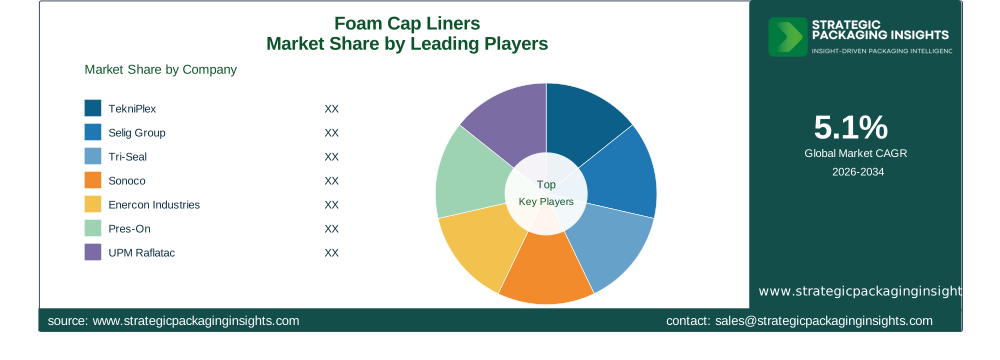
Sonoco and Enercon Industries are also significant players in the Foam Cap Liners market, known for their technological advancements and innovative product offerings. These companies have leveraged their expertise in packaging solutions to develop advanced foam cap liners that cater to various industries, including food and beverage, pharmaceuticals, and cosmetics. Their commitment to quality and customer satisfaction has enabled them to maintain a strong foothold in the market, as they continue to expand their product lines and explore new market opportunities.
Pres-On, UPM Raflatac, and Ziling Packaging are other notable companies in the market, each contributing to the competitive landscape with their unique offerings. These companies have focused on enhancing their production capabilities and expanding their geographical presence to capture a larger share of the market. By adopting strategic partnerships and collaborations, they have been able to strengthen their market position and offer a diverse range of foam cap liners to meet the needs of various end-use industries.
Captel International and Action Pack Enterprises are emerging players in the Foam Cap Liners market, gaining traction with their innovative solutions and customer-centric approach. These companies have recognized the growing demand for sustainable packaging solutions and have invested in developing eco-friendly foam cap liners that align with consumer preferences. Their focus on product differentiation and competitive pricing strategies has enabled them to carve out a niche in the market, as they continue to expand their customer base and explore new growth opportunities.
Key Highlights
- The Foam Cap Liners market is projected to grow from $1.10 billion in 2025 to $1.72 billion by 2034, at a CAGR of 5.1%.
- Key drivers include the demand from the food and beverage and pharmaceutical industries for secure and tamper-evident packaging solutions.
- Technological advancements, such as vented liners and smart technologies, are enhancing product functionality and consumer engagement.
- Environmental concerns and regulatory constraints pose challenges, prompting a shift towards sustainable and eco-friendly materials.
- Major players like TekniPlex, Selig Group, and Tri-Seal dominate the market with extensive product portfolios and strong distribution networks.
- Emerging markets offer significant growth opportunities due to the expansion of the food and beverage and pharmaceutical sectors.
- Innovations in liner manufacturing processes are driving market growth, with a focus on cost-effective and sustainable solutions.
- Strategic partnerships and collaborations are key strategies adopted by companies to strengthen their market position.
- The market is witnessing a shift towards biodegradable and renewable resource-based foam cap liners.
Top Countries Insights
In the Foam Cap Liners market, the United States stands out as a leading country, with a market size of approximately $450 million and a CAGR of 4%. The country's robust food and beverage industry, coupled with stringent packaging regulations, drives the demand for high-quality foam cap liners. The focus on sustainability and eco-friendly packaging solutions further propels market growth, as manufacturers innovate to meet consumer preferences and regulatory requirements.
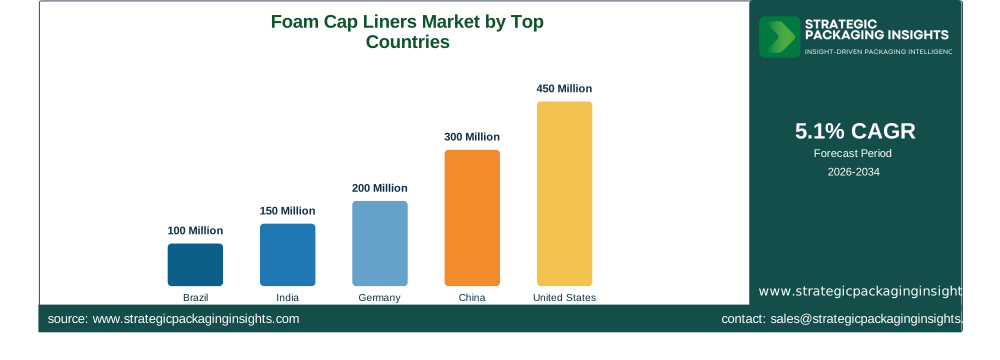
China is another significant player in the Foam Cap Liners market, with a market size of around $300 million and a CAGR of 6%. The country's expanding pharmaceutical and food and beverage sectors are key growth drivers, as the demand for secure and tamper-evident packaging solutions increases. Additionally, government initiatives promoting sustainable packaging practices are encouraging manufacturers to develop eco-friendly foam cap liners, contributing to market expansion.
Germany, with a market size of approximately $200 million and a CAGR of 5%, is a prominent market for foam cap liners in Europe. The country's strong emphasis on quality and safety in packaging, particularly in the pharmaceutical and food industries, drives the demand for advanced foam cap liners. Innovations in liner technology and a focus on sustainability are key factors influencing market growth in Germany.
India, with a market size of about $150 million and a CAGR of 7%, is an emerging market for foam cap liners. The country's growing middle class and increasing consumer awareness about product safety and packaging quality are driving the demand for reliable sealing solutions. The expansion of the food and beverage and pharmaceutical industries further supports market growth, as manufacturers seek to meet the rising demand for packaged goods.
Brazil, with a market size of approximately $100 million and a CAGR of 5%, is a key market in Latin America. The country's expanding food and beverage sector, coupled with increasing consumer preference for convenient and safe packaging solutions, drives the demand for foam cap liners. Additionally, the focus on sustainable packaging practices is encouraging manufacturers to develop eco-friendly solutions, contributing to market growth.
Foam Cap Liners Market Segments Insights

By Material Type Analysis
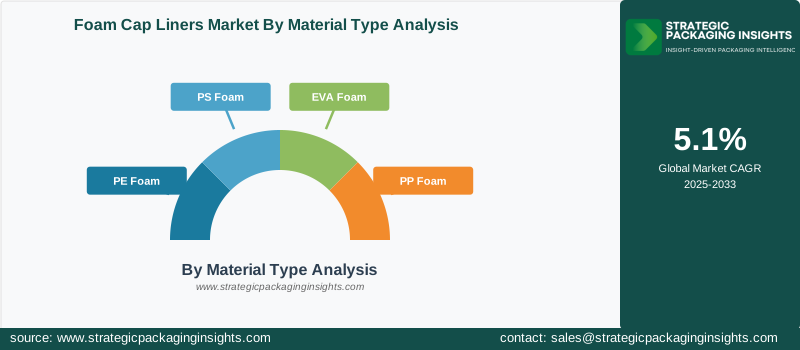
The Foam Cap Liners market is segmented by material type into PE Foam, PS Foam, EVA Foam, and PP Foam. PE Foam is the most widely used material due to its excellent sealing properties and cost-effectiveness. It is favored in the food and beverage industry for its ability to provide an airtight seal, ensuring product freshness and preventing contamination. PS Foam, on the other hand, is known for its lightweight and insulating properties, making it suitable for applications in the pharmaceutical and cosmetics industries. EVA Foam is gaining popularity due to its flexibility and resilience, offering a reliable sealing solution for various container types. PP Foam, with its high chemical resistance, is preferred in the chemical industry, where it provides a secure seal for volatile substances.
The demand for eco-friendly materials is driving innovation in this segment, with manufacturers exploring biodegradable and renewable resource-based foams. As environmental concerns continue to rise, the shift towards sustainable materials is expected to gain momentum, influencing the material type segment. Companies are investing in research and development to create advanced foam materials that meet regulatory standards and consumer expectations for sustainability. This trend is likely to shape the future of the Foam Cap Liners market, as manufacturers strive to balance performance, cost, and environmental impact.
By Product Type Analysis
The Foam Cap Liners market is categorized by product type into Pressure Sensitive Liners, Induction Seal Liners, and Vented Liners. Pressure Sensitive Liners are widely used due to their ease of application and versatility across various container types. They provide a reliable seal without the need for additional equipment, making them a popular choice in the food and beverage industry. Induction Seal Liners, known for their tamper-evident properties, are favored in the pharmaceutical and chemical industries, where product integrity and safety are paramount. Vented Liners are gaining traction for their ability to allow pressure equalization, making them ideal for packaging carbonated beverages and volatile chemical products.
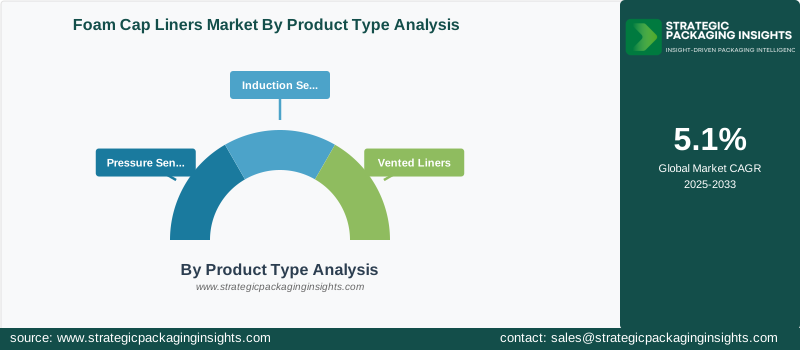
Technological advancements in liner manufacturing processes are enhancing the functionality and performance of these products. The integration of smart technologies, such as RFID tags and QR codes, into foam cap liners is opening new avenues for product tracking and consumer engagement. As manufacturers focus on product differentiation and value-added benefits, the product type segment is expected to witness significant growth. The demand for innovative and efficient sealing solutions is driving companies to invest in research and development, resulting in a diverse range of foam cap liners that cater to the evolving needs of various industries.
By Application Analysis
The Foam Cap Liners market is segmented by application into Bottles, Jars, Closures, and Containers. Bottles represent the largest application segment, driven by the demand from the food and beverage and pharmaceutical industries. Foam cap liners provide an airtight seal for bottles, ensuring product freshness and preventing leakage. Jars and closures are also significant application segments, particularly in the cosmetics and personal care industries, where product integrity and shelf life are critical. Containers, used in the chemical and industrial sectors, require robust sealing solutions to prevent contamination and ensure safety during transportation and storage.
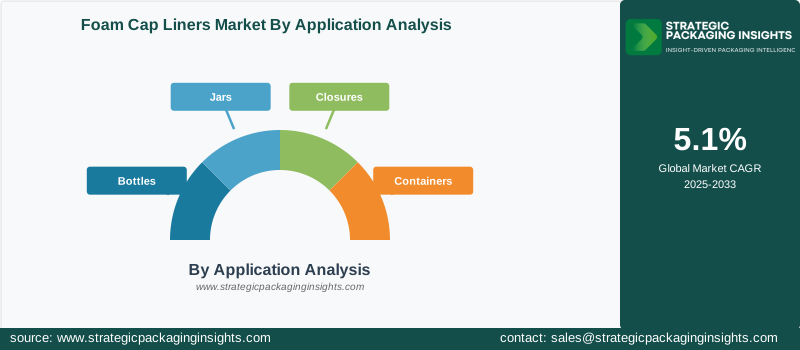
The increasing demand for convenient and safe packaging solutions is driving the growth of the application segment. As consumers prioritize product safety and quality, manufacturers are focusing on developing advanced foam cap liners that meet these expectations. The rise of e-commerce and the need for secure packaging during transportation further support the demand for foam cap liners in various applications. As the market continues to evolve, the application segment is expected to witness significant growth, driven by innovations in liner technology and the expanding use of foam cap liners across diverse industries.
By End Use Analysis
The Foam Cap Liners market is segmented by end use into Food & Beverage, Pharmaceuticals, Cosmetics, and Chemicals. The food and beverage industry is the largest end-use segment, driven by the demand for secure and tamper-evident packaging solutions. Foam cap liners provide an effective seal that prevents contamination and extends the shelf life of products, making them indispensable in this industry. The pharmaceutical sector is another significant end-use segment, where foam cap liners play a crucial role in ensuring product integrity and safety. With the increasing prevalence of chronic diseases and the growing demand for over-the-counter medications, the pharmaceutical industry is experiencing robust growth, thereby boosting the demand for foam cap liners.
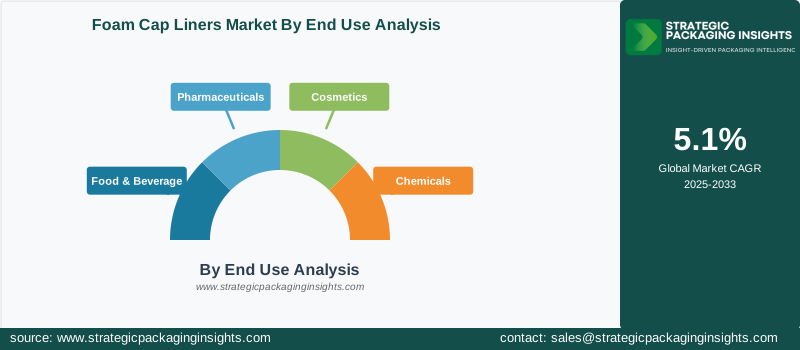
The cosmetics and chemicals industries also contribute to the demand for foam cap liners, as they require reliable sealing solutions to maintain product quality and safety. The focus on sustainability and eco-friendly packaging practices is influencing the end-use segment, with manufacturers developing advanced foam cap liners that align with consumer preferences and regulatory requirements. As the market continues to expand, the end-use segment is expected to witness significant growth, driven by the increasing demand for innovative and sustainable packaging solutions across various industries.
Foam Cap Liners Market Segments
The Foam Cap Liners market has been segmented on the basis ofBy Material Type
- PE Foam
- PS Foam
- EVA Foam
- PP Foam
By Product Type
- Pressure Sensitive Liners
- Induction Seal Liners
- Vented Liners
By Application
- Bottles
- Jars
- Closures
- Containers
By End Use
- Food & Beverage
- Pharmaceuticals
- Cosmetics
- Chemicals
Region
- Asia Pacific
- North America
- Latin America
- Europe
- Middle East & Africa




