


Flow Wrap Packaging Market Outlook
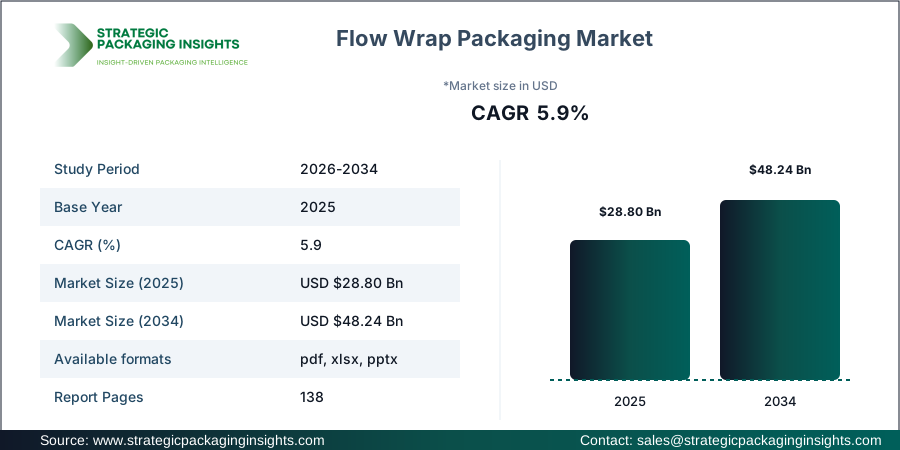
The Flow Wrap Packaging market size was valued at USD 28.80 billion in 2025 and is anticipated to reach USD 48.24 billion by 2034, growing at a CAGR of 5.9% during the forecast period according to Strategic Packaging Insights. This growth is driven by the increasing demand for convenient and efficient packaging solutions across various industries, including food and beverage, healthcare, and retail. Companies like Amcor and Mondi are at the forefront of this market, leveraging advanced materials and innovative designs to meet the evolving needs of consumers and businesses alike. The rise in e-commerce and the need for sustainable packaging solutions are further propelling the market forward, as consumers and companies alike seek out packaging that is both functional and environmentally friendly.
One of the most impactful drivers of the Flow Wrap Packaging market is the growing emphasis on sustainability and eco-friendly packaging solutions. Governments and regulatory bodies worldwide are implementing stringent regulations to reduce plastic waste and promote the use of recyclable materials. This has led to increased investments in research and development by companies such as Berry Global and Sealed Air, who are focusing on creating biodegradable and recyclable packaging options. The shift towards sustainable packaging is not only driven by regulatory pressures but also by consumer demand for environmentally responsible products. As a result, the market is witnessing a surge in the adoption of paper-based films and other eco-friendly materials, which are expected to significantly influence the market dynamics in the coming years.
Report Scope
| Attributes | Details |
| Report Title | Flow Wrap Packaging Market Size, Future Growth and Forecast 2034 |
| Material Type | BOPP, PET, PE, Paper-Based Film |
| Packaging Type | Pillow Packs, Fin-Seal Packs, Printed Flow Wraps |
| Application | Bakery, Confectionery, Produce, Medical Products |
| End Use | Food & Beverage, Healthcare, FMCG, Retail |
| Region | Asia Pacific, North America, Latin America, Europe, Middle East & Africa |
| Base Year | 2025 |
| Historic Period | 2018-2024 |
| Forecast Period | 2026-2034 |
| Number of Pages | 138 |
| Customization Available | Yes* |
Sustainability & Circular Economy Analysis
Sustainability initiatives and circular economy practices are reshaping the Flow Wrap Packaging market, with a strong focus on reducing environmental impact and promoting resource efficiency. Companies are increasingly adopting recyclable materials and reusable packaging solutions to align with consumer preferences for eco-friendly products. The use of lightweight packaging and innovative materials is gaining traction, as it not only reduces the carbon footprint but also lowers transportation costs. This trend is driving significant changes in packaging design and manufacturing processes, as companies strive to meet regulatory requirements and consumer expectations.
Extended Producer Responsibility (EPR) and other regulatory frameworks are pushing manufacturers to take greater accountability for the entire lifecycle of their products. This has led to the development of waste reduction strategies and the incorporation of ESG initiatives into business models. As a result, companies like UFlex and Constantia Flexibles are investing in advanced technologies to enhance the recyclability of their packaging solutions. These efforts are crucial for maintaining long-term market competitiveness and ensuring compliance with evolving packaging regulations.
The emphasis on sustainability is also influencing investment decisions and supply chain strategies within the Flow Wrap Packaging market. Companies are prioritizing investments in eco-friendly material innovation and sustainable manufacturing practices to gain a competitive edge. This shift is fostering collaboration across the value chain, with brand owners, converters, and retailers working together to develop sustainable packaging solutions. As consumer preferences continue to evolve towards sustainability, the market is expected to witness increased demand for packaging solutions that minimize environmental impact while maintaining functionality and cost-effectiveness.
Packaging Value Chain & Supply Chain Analysis
The Flow Wrap Packaging market's value chain is a complex ecosystem involving raw material sourcing, packaging converters, manufacturers, and logistics providers. Efficient supply chain management is crucial for maintaining market competitiveness, as it directly impacts production capabilities and cost-effectiveness. Companies like ProAmpac and Coveris are focusing on optimizing their procurement strategies and inventory management to ensure a steady supply of raw materials and minimize production disruptions. Strategic partnerships with suppliers and logistics providers are also essential for enhancing supply chain resilience and meeting the growing demand for flow wrap packaging solutions.
Raw material availability plays a significant role in the overall performance of the Flow Wrap Packaging market. The sourcing of materials such as BOPP, PET, and paper-based films is critical for ensuring consistent production and meeting quality standards. Manufacturers are increasingly exploring global sourcing options to diversify their supply base and mitigate risks associated with material shortages. This approach not only enhances supply chain efficiency but also enables companies to capitalize on cost advantages and access new markets.
Logistics and distribution channels are integral components of the Flow Wrap Packaging market's supply chain. Efficient transportation and distribution networks are essential for delivering products to end-users in a timely and cost-effective manner. Companies are investing in advanced packaging machinery and automation technologies to streamline production processes and improve operational efficiency. Additionally, the integration of recycling networks into the supply chain is becoming increasingly important, as companies seek to enhance the sustainability of their packaging solutions and comply with regulatory requirements. These efforts are crucial for maintaining market competitiveness and meeting the evolving needs of consumers and businesses.
Opportunities & Threats
The Flow Wrap Packaging market presents numerous opportunities for growth, driven by the increasing demand for convenient and sustainable packaging solutions. The rise of e-commerce and online retailing has created a significant demand for efficient packaging that can protect products during transit while minimizing environmental impact. Companies like Huhtamaki and Winpak are capitalizing on this trend by developing innovative packaging solutions that cater to the needs of online retailers and consumers. Additionally, the growing focus on sustainability and eco-friendly packaging is opening up new avenues for product innovation and differentiation, as companies strive to meet consumer expectations and regulatory requirements.
Another opportunity lies in the expanding applications of flow wrap packaging across various industries, including food and beverage, healthcare, and FMCG. The versatility and adaptability of flow wrap packaging make it an ideal choice for a wide range of products, from bakery and confectionery items to medical products and consumer goods. This versatility is driving increased adoption of flow wrap packaging solutions, as companies seek to enhance product appeal and extend shelf life. The development of advanced materials and technologies is further enhancing the functionality and performance of flow wrap packaging, creating new opportunities for market growth and expansion.
Despite the numerous opportunities, the Flow Wrap Packaging market also faces several threats and challenges. One of the primary challenges is the increasing regulatory pressure to reduce plastic waste and promote the use of sustainable materials. Companies must navigate complex regulatory landscapes and invest in research and development to create compliant and eco-friendly packaging solutions. Additionally, the volatility of raw material prices and supply chain disruptions pose significant risks to market stability and profitability. Companies must adopt robust risk management strategies and build resilient supply chains to mitigate these threats and ensure long-term success in the market.
Drivers & Challenges
The Flow Wrap Packaging market is driven by several key factors, including the growing demand for convenient and efficient packaging solutions. The rise of e-commerce and online retailing has significantly increased the need for packaging that can protect products during transit while minimizing environmental impact. Companies like Amcor and Mondi are leveraging advanced materials and innovative designs to meet these demands and enhance the functionality of their packaging solutions. Additionally, the increasing focus on sustainability and eco-friendly packaging is driving significant changes in the market, as companies strive to meet consumer expectations and regulatory requirements.
Another major driver of the Flow Wrap Packaging market is the expanding applications of flow wrap packaging across various industries. The versatility and adaptability of flow wrap packaging make it an ideal choice for a wide range of products, from food and beverage items to medical products and consumer goods. This versatility is driving increased adoption of flow wrap packaging solutions, as companies seek to enhance product appeal and extend shelf life. The development of advanced materials and technologies is further enhancing the functionality and performance of flow wrap packaging, creating new opportunities for market growth and expansion.
Despite the numerous drivers, the Flow Wrap Packaging market also faces several challenges. One of the primary challenges is the increasing regulatory pressure to reduce plastic waste and promote the use of sustainable materials. Companies must navigate complex regulatory landscapes and invest in research and development to create compliant and eco-friendly packaging solutions. Additionally, the volatility of raw material prices and supply chain disruptions pose significant risks to market stability and profitability. Companies must adopt robust risk management strategies and build resilient supply chains to mitigate these challenges and ensure long-term success in the market.
Market Share Analysis
The Flow Wrap Packaging market is characterized by a competitive landscape with several key players vying for market share. Companies like Amcor, Mondi, and Berry Global are leading the market with their innovative packaging solutions and strong focus on sustainability. These companies have established themselves as industry leaders by leveraging advanced technologies and materials to create high-performance packaging solutions that meet the evolving needs of consumers and businesses. Their strong market presence and extensive product portfolios have enabled them to capture significant market share and maintain a competitive edge.
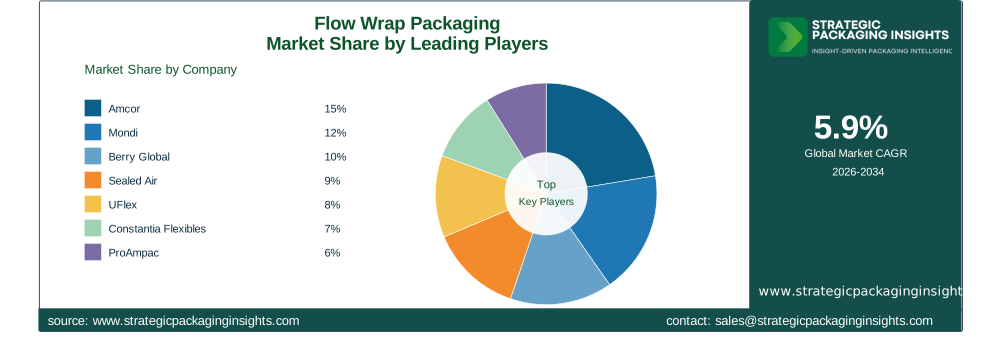
Sealed Air and UFlex are also prominent players in the Flow Wrap Packaging market, known for their commitment to sustainability and innovation. These companies have invested heavily in research and development to create eco-friendly packaging solutions that align with consumer preferences and regulatory requirements. Their focus on sustainability and product innovation has allowed them to differentiate themselves in the market and capture a substantial share of the growing demand for flow wrap packaging solutions.
Constantia Flexibles and ProAmpac are other key players in the market, recognized for their advanced packaging technologies and strong customer relationships. These companies have built a reputation for delivering high-quality packaging solutions that enhance product appeal and extend shelf life. Their strategic partnerships with suppliers and customers have enabled them to expand their market reach and capitalize on emerging opportunities in the Flow Wrap Packaging market.
Coveris, Huhtamaki, and Winpak are also significant contributors to the market, known for their innovative packaging designs and commitment to sustainability. These companies have developed a wide range of packaging solutions that cater to the diverse needs of consumers and businesses across various industries. Their focus on product innovation and sustainability has allowed them to capture a significant share of the market and maintain a competitive position in the industry.
Key Highlights
- Market Size: The Flow Wrap Packaging market was valued at USD 28.80 billion in 2025 and is projected to reach USD 48.24 billion by 2034.
- Growth Rate: The market is expected to grow at a CAGR of 5.9% during the forecast period.
- Leading Companies: Key players include Amcor, Mondi, Berry Global, Sealed Air, and UFlex.
- Material Innovation: Increasing use of eco-friendly materials like paper-based films.
- Application Expansion: Growing applications in food & beverage, healthcare, and FMCG sectors.
- Regional Growth: Asia Pacific is expected to witness significant growth due to rising demand.
- Sustainability Focus: Strong emphasis on recyclable and biodegradable packaging solutions.
Flow Wrap Packaging Market Segments Insights

Material Type Analysis
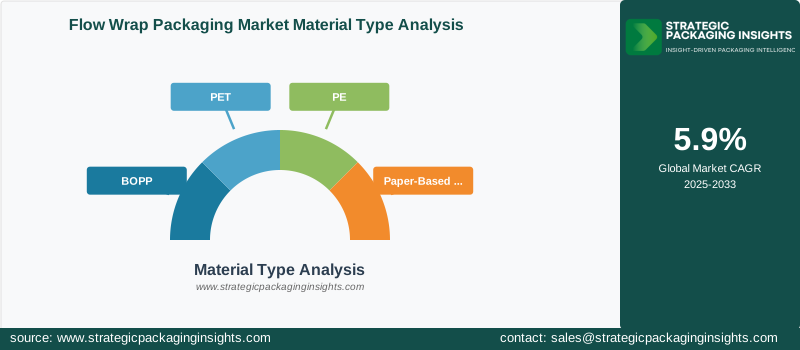
The Flow Wrap Packaging market is segmented by material type, including BOPP, PET, PE, and paper-based films. BOPP is widely used due to its excellent barrier properties and cost-effectiveness, making it a popular choice for packaging applications. PET is also gaining traction due to its recyclability and superior clarity, which enhances product visibility and appeal. The increasing focus on sustainability is driving the adoption of paper-based films, as they offer an eco-friendly alternative to traditional plastic materials. Companies are investing in research and development to enhance the performance and sustainability of these materials, creating new opportunities for growth in the market.
PE is another important material in the Flow Wrap Packaging market, known for its flexibility and durability. It is commonly used in applications that require high moisture resistance and strength, such as food and beverage packaging. The versatility of PE makes it suitable for a wide range of products, from bakery and confectionery items to medical products and consumer goods. As consumer preferences shift towards sustainable packaging solutions, companies are exploring innovative ways to incorporate recycled and biodegradable materials into their PE packaging solutions, further driving market growth.
Packaging Type Analysis
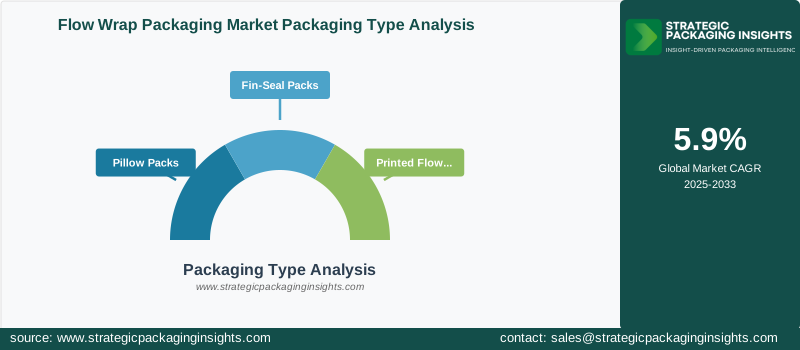
The Flow Wrap Packaging market is also segmented by packaging type, including pillow packs, fin-seal packs, and printed flow wraps. Pillow packs are widely used due to their simplicity and cost-effectiveness, making them a popular choice for packaging snacks, confectionery, and other small items. Fin-seal packs offer enhanced protection and are commonly used for packaging products that require a higher level of barrier protection, such as medical products and sensitive food items. The demand for printed flow wraps is increasing as companies seek to enhance brand visibility and product appeal through eye-catching designs and graphics.
The versatility of flow wrap packaging solutions makes them suitable for a wide range of applications, from food and beverage items to healthcare and FMCG products. Companies are investing in advanced printing technologies to create high-quality, customized packaging solutions that meet the specific needs of their customers. The development of innovative packaging designs and materials is further enhancing the functionality and performance of flow wrap packaging, creating new opportunities for growth and expansion in the market.
Application Analysis
The Flow Wrap Packaging market is segmented by application, including bakery, confectionery, produce, and medical products. The bakery and confectionery segments are major contributors to the market, driven by the increasing demand for convenient and attractive packaging solutions that enhance product appeal and extend shelf life. Flow wrap packaging is ideal for these applications due to its ability to provide a high level of protection and preserve product freshness. The produce segment is also witnessing significant growth, as consumers seek out packaging solutions that maintain the quality and safety of fresh fruits and vegetables.
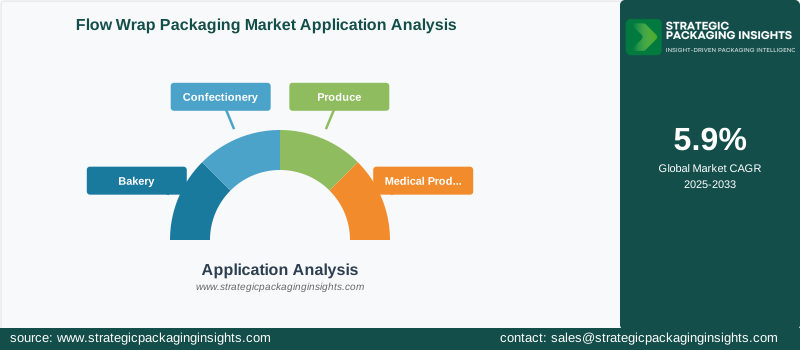
The medical products segment is another important application area for flow wrap packaging, as it offers a high level of protection and hygiene for sensitive products. The increasing focus on healthcare and hygiene is driving the demand for flow wrap packaging solutions that meet stringent regulatory requirements and ensure product safety. Companies are investing in advanced materials and technologies to enhance the performance and functionality of their packaging solutions, creating new opportunities for growth and expansion in the market.
End Use Analysis
The Flow Wrap Packaging market is segmented by end use, including food & beverage, healthcare, FMCG, and retail. The food & beverage segment is a major driver of the market, as companies seek out packaging solutions that enhance product appeal and extend shelf life. Flow wrap packaging is ideal for this segment due to its ability to provide a high level of protection and preserve product freshness. The healthcare segment is also witnessing significant growth, as the demand for hygienic and protective packaging solutions increases.
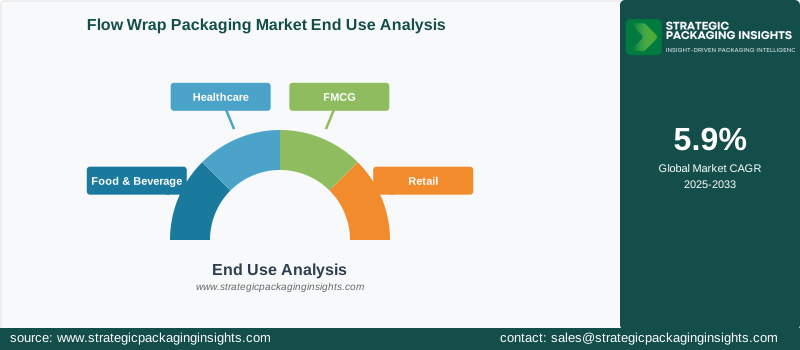
The FMCG and retail segments are important contributors to the Flow Wrap Packaging market, driven by the need for convenient and attractive packaging solutions that enhance brand visibility and product appeal. Companies are investing in advanced printing technologies and innovative packaging designs to create high-quality, customized packaging solutions that meet the specific needs of their customers. The development of eco-friendly materials and sustainable packaging solutions is further enhancing the functionality and performance of flow wrap packaging, creating new opportunities for growth and expansion in the market.
Flow Wrap Packaging Market Segments
The Flow Wrap Packaging market has been segmented on the basis ofMaterial Type
- BOPP
- PET
- PE
- Paper-Based Film
Packaging Type
- Pillow Packs
- Fin-Seal Packs
- Printed Flow Wraps
Application
- Bakery
- Confectionery
- Produce
- Medical Products
End Use
- Food & Beverage
- Healthcare
- FMCG
- Retail
Region
- Asia Pacific
- North America
- Latin America
- Europe
- Middle East & Africa




