


Flexible Thin Film Market Outlook
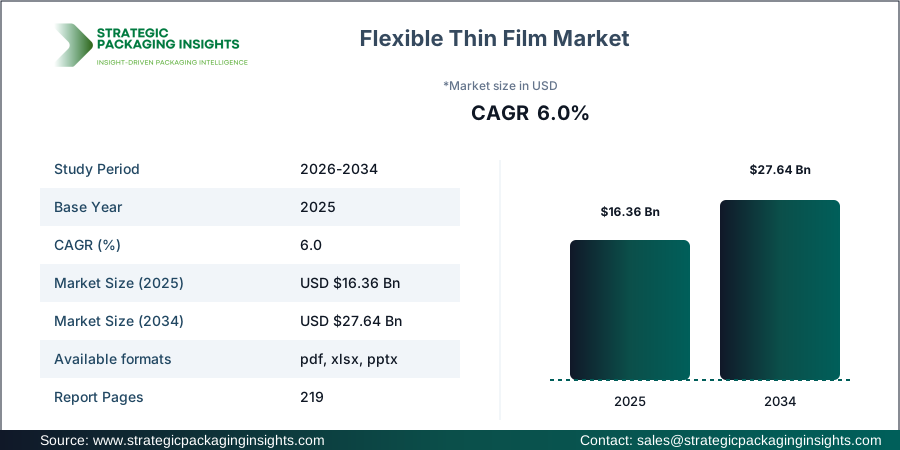
The Flexible Thin Film market size was valued at USD 16.36 billion in 2025 and is anticipated to reach USD 27.64 billion by 2034, growing at a CAGR of 6.0% during the forecast period according to Strategic Packaging Insights. The market is witnessing robust growth driven by the increasing demand for lightweight and durable packaging solutions across various industries. Companies like Amcor and Berry Global are at the forefront, leveraging advanced technologies to enhance product offerings and meet the evolving consumer preferences. The rise in e-commerce and the need for efficient packaging solutions are further propelling the market growth, making flexible thin films a preferred choice for manufacturers and retailers alike.
One of the most impactful drivers of the Flexible Thin Film market is the growing emphasis on sustainability and eco-friendly packaging solutions. Governments and environmental agencies worldwide are advocating for reduced plastic waste, which has led to increased adoption of recyclable and biodegradable materials in packaging. Companies such as Mondi and Toray Industries are investing heavily in R&D to develop innovative products that align with these sustainability goals. This shift towards sustainable packaging not only helps in reducing the carbon footprint but also enhances brand image and consumer loyalty, thereby driving market growth.
Report Scope
| Attributes | Details |
| Report Title | Flexible Thin Film Market Size, Future Growth and Forecast 2034 |
| Material Type | PE, PP, PET, PVC |
| Film Type | Barrier Films, Stretch Films, Shrink Films, Lamination Films |
| Application | Food Packaging, Pharma Packaging, Electronics, Labels |
| End Use | Food & Beverage, Healthcare, FMCG, Industrial |
| Region | Asia Pacific, North America, Latin America, Europe, Middle East & Africa |
| Base Year | 2025 |
| Historic Period | 2018-2024 |
| Forecast Period | 2026-2034 |
| Number of Pages | 219 |
| Customization Available | Yes* |
Sustainability & Circular Economy Analysis
Sustainability initiatives are significantly reshaping the Flexible Thin Film market, with a strong focus on recyclable materials and eco-friendly innovations. Companies are increasingly adopting lightweight packaging solutions to minimize material usage and reduce transportation emissions. This trend is driven by consumer demand for environmentally responsible products and stringent packaging regulations aimed at reducing plastic waste. The integration of recyclable materials into packaging design not only supports waste reduction strategies but also aligns with extended producer responsibility (EPR) frameworks, enhancing the market's sustainability credentials.
Eco-friendly material innovation is at the forefront of the Flexible Thin Film market, influencing manufacturing processes and investment decisions. Companies are exploring bio-based polymers and other sustainable alternatives to traditional plastics, aiming to lower the carbon footprint of their products. This shift is supported by ESG initiatives that prioritize environmental stewardship and social responsibility. As a result, packaging manufacturers are re-evaluating their supply chain strategies to incorporate sustainable practices, ensuring long-term competitiveness and compliance with evolving regulatory standards.
The emphasis on sustainability is also impacting packaging design and supply chain strategies. Manufacturers are investing in advanced technologies to create reusable and recyclable packaging solutions that meet consumer sustainability preferences. This trend is driving innovation in packaging machinery and logistics, as companies strive to optimize their operations for greater efficiency and reduced environmental impact. By aligning with sustainability trends, the Flexible Thin Film market is poised to achieve significant growth, driven by consumer demand and regulatory compliance.
Packaging Value Chain & Supply Chain Analysis
The Flexible Thin Film market's value chain is a complex ecosystem involving raw material sourcing, packaging converters, and manufacturers. Efficient raw material procurement strategies are crucial for maintaining competitive pricing and ensuring a steady supply of high-quality inputs. Companies like Jindal Poly Films and UFlex are optimizing their supply chains by establishing strategic partnerships with suppliers and investing in advanced packaging machinery to enhance production capabilities. This approach not only improves supply chain resilience but also supports localization efforts, reducing dependency on global sourcing.
Logistics and distribution channels play a vital role in the Flexible Thin Film market, influencing overall market performance and business competitiveness. Efficient transportation and inventory management are essential for meeting the growing demand for flexible packaging solutions across various industries. Companies are leveraging technology to streamline logistics operations, ensuring timely delivery and minimizing costs. By enhancing supply chain efficiency, packaging manufacturers can better serve brand owners and retailers, ultimately driving market growth.
Recycling networks and procurement strategies are integral components of the Flexible Thin Film market's supply chain. As sustainability becomes a key focus, companies are investing in recycling infrastructure to support circular economy practices. This includes developing closed-loop systems that enable the recovery and reuse of packaging materials. By aligning with consumer sustainability preferences and regulatory requirements, the market is poised to achieve long-term growth and competitiveness. Strategic partnerships with recycling networks and investment in sustainable technologies are essential for maintaining a competitive edge in this evolving market.
Opportunities & Threats
The Flexible Thin Film market presents numerous opportunities for growth, driven by the increasing demand for sustainable packaging solutions. As consumers become more environmentally conscious, there is a growing preference for packaging materials that are recyclable and biodegradable. This trend is creating opportunities for companies to innovate and develop new products that meet these sustainability criteria. Additionally, the rise of e-commerce and the need for efficient packaging solutions are driving demand for flexible thin films, offering significant growth potential for manufacturers and suppliers.
Another opportunity lies in the expanding applications of flexible thin films across various industries. The food and beverage sector, in particular, is witnessing increased adoption of flexible packaging solutions due to their lightweight and durable nature. This trend is further supported by advancements in barrier film technology, which enhances product shelf life and reduces food waste. As a result, companies that invest in R&D to develop innovative packaging solutions are well-positioned to capitalize on these opportunities and gain a competitive edge in the market.
Despite the growth opportunities, the Flexible Thin Film market faces several threats, including regulatory challenges and fluctuating raw material prices. Stringent packaging regulations aimed at reducing plastic waste can pose compliance challenges for manufacturers, requiring significant investment in sustainable technologies and processes. Additionally, volatility in raw material prices can impact production costs and profit margins, making it essential for companies to adopt effective procurement strategies and maintain strong supplier relationships to mitigate these risks.
Drivers & Challenges
The primary driver of the Flexible Thin Film market is the increasing demand for lightweight and durable packaging solutions across various industries. As consumers seek convenience and sustainability, flexible thin films offer an ideal solution due to their versatility and eco-friendly properties. Companies like Sealed Air and Cosmo First are leveraging advanced technologies to enhance product offerings and meet evolving consumer preferences. This trend is further supported by the rise of e-commerce, which requires efficient packaging solutions to ensure product safety and reduce shipping costs.
Another significant driver is the growing emphasis on sustainability and eco-friendly packaging solutions. Governments and environmental agencies worldwide are advocating for reduced plastic waste, leading to increased adoption of recyclable and biodegradable materials in packaging. Companies such as Taghleef Industries and Coveris are investing heavily in R&D to develop innovative products that align with these sustainability goals. This shift towards sustainable packaging not only helps in reducing the carbon footprint but also enhances brand image and consumer loyalty, thereby driving market growth.
However, the Flexible Thin Film market faces several challenges, including regulatory compliance and fluctuating raw material prices. Stringent packaging regulations aimed at reducing plastic waste can pose compliance challenges for manufacturers, requiring significant investment in sustainable technologies and processes. Additionally, volatility in raw material prices can impact production costs and profit margins, making it essential for companies to adopt effective procurement strategies and maintain strong supplier relationships to mitigate these risks.
Market Share Analysis
The competitive landscape of the Flexible Thin Film market is characterized by the presence of several key players, each striving to enhance their market share through innovation and strategic partnerships. Companies like Amcor and Berry Global are leading the market with their extensive product portfolios and strong global presence. These companies are investing in advanced technologies and sustainable practices to meet the evolving consumer demands and regulatory requirements. The market is also witnessing increased competition from regional players who are leveraging their local expertise and cost advantages to capture market share.
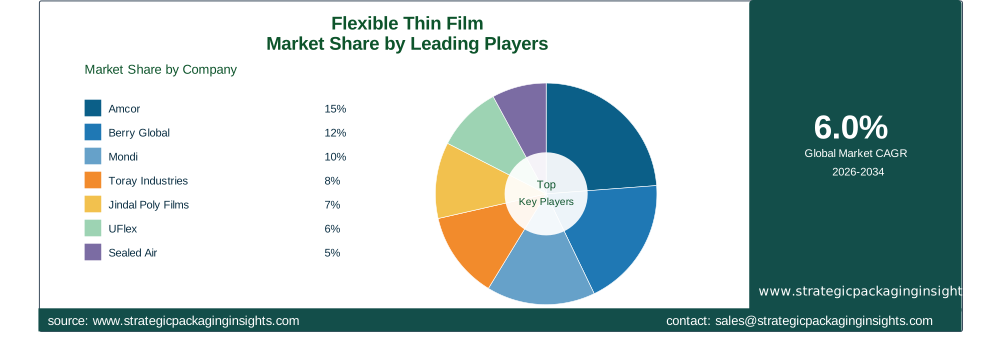
Mondi and Toray Industries are notable players in the Flexible Thin Film market, known for their commitment to sustainability and innovation. Mondi, for instance, has been at the forefront of developing eco-friendly packaging solutions, while Toray Industries is recognized for its advanced material technologies. These companies are focusing on expanding their product offerings and enhancing their production capabilities to cater to the growing demand for flexible packaging solutions across various industries.
Jindal Poly Films and UFlex are also significant contributors to the market, with a strong focus on R&D and technological advancements. Jindal Poly Films is known for its wide range of packaging solutions, while UFlex is recognized for its innovative product designs and sustainable practices. Both companies are investing in state-of-the-art manufacturing facilities and strategic partnerships to strengthen their market position and drive growth.
Sealed Air and Cosmo First are other key players in the market, known for their innovative packaging solutions and commitment to sustainability. Sealed Air, for example, is focused on developing packaging solutions that enhance product protection and reduce environmental impact, while Cosmo First is recognized for its advanced film technologies and sustainable practices. These companies are leveraging their expertise and resources to capture market share and drive growth in the competitive Flexible Thin Film market.
Key Highlights
- Market Size: The Flexible Thin Film market was valued at USD 16.36 billion in 2025 and is projected to reach USD 27.64 billion by 2034.
- Growth Rate: The market is expected to grow at a CAGR of 6.0% during the forecast period.
- Leading Companies: Key players include Amcor, Berry Global, Mondi, and Toray Industries.
- Material Type: PE, PP, PET, and PVC are the primary materials used in flexible thin films.
- Film Type: Barrier Films, Stretch Films, Shrink Films, and Lamination Films are the major film types.
- Application: Flexible thin films are widely used in Food Packaging, Pharma Packaging, Electronics, and Labels.
- End Use: The market serves industries such as Food & Beverage, Healthcare, FMCG, and Industrial.
- Regional Insights: Asia Pacific is expected to witness significant growth, driven by increasing demand for flexible packaging solutions.
Flexible Thin Film Market Segments Insights

Material Type Analysis
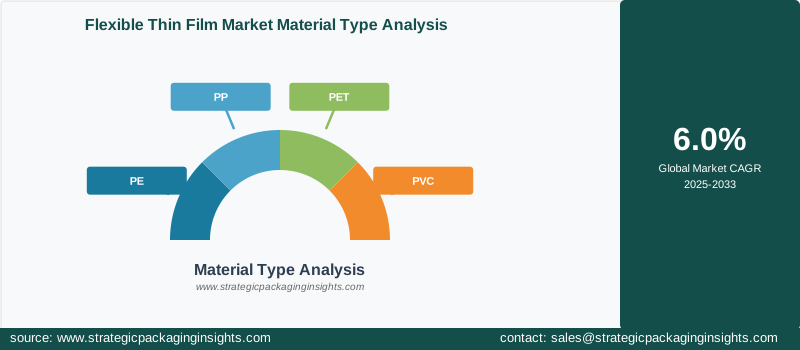
The Flexible Thin Film market is segmented by material type, including PE, PP, PET, and PVC. Polyethylene (PE) is widely used due to its excellent flexibility and moisture resistance, making it ideal for food packaging applications. Polypropylene (PP) offers high clarity and strength, making it suitable for various packaging solutions. Polyethylene terephthalate (PET) is favored for its durability and recyclability, aligning with sustainability trends. Polyvinyl chloride (PVC) is used for its versatility and cost-effectiveness, although its environmental impact is a concern. Companies are focusing on developing bio-based alternatives to traditional materials to meet consumer demand for eco-friendly packaging solutions.
The demand for flexible thin films is driven by the need for lightweight and durable packaging solutions across various industries. The food and beverage sector, in particular, is witnessing increased adoption of flexible packaging solutions due to their ability to extend product shelf life and reduce food waste. This trend is further supported by advancements in barrier film technology, which enhances product protection and reduces environmental impact. As a result, companies that invest in R&D to develop innovative packaging solutions are well-positioned to capitalize on these opportunities and gain a competitive edge in the market.
Film Type Analysis
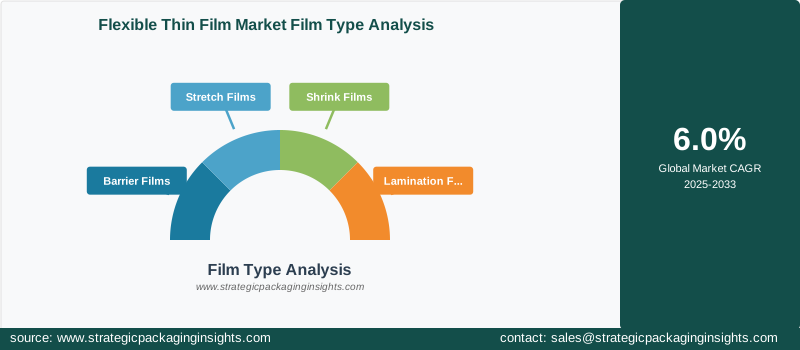
The Flexible Thin Film market is segmented by film type, including Barrier Films, Stretch Films, Shrink Films, and Lamination Films. Barrier films are essential for protecting products from moisture, oxygen, and other environmental factors, making them ideal for food and pharmaceutical packaging. Stretch films are used for securing products during transportation, offering excellent load stability and puncture resistance. Shrink films are favored for their ability to conform to product shapes, providing a tamper-evident seal. Lamination films enhance the aesthetic appeal and durability of packaging, making them popular in the FMCG sector.
The growing demand for flexible packaging solutions is driving innovation in film technology, with companies investing in advanced materials and manufacturing processes to enhance product performance. The emphasis on sustainability is also influencing film design, with manufacturers exploring bio-based and recyclable materials to reduce environmental impact. This trend is supported by consumer demand for eco-friendly packaging solutions and regulatory requirements aimed at reducing plastic waste. By aligning with these trends, the Flexible Thin Film market is poised to achieve significant growth, driven by consumer demand and regulatory compliance.
Application Analysis
The Flexible Thin Film market is segmented by application, including Food Packaging, Pharma Packaging, Electronics, and Labels. Food packaging is the largest application segment, driven by the need for lightweight and durable packaging solutions that extend product shelf life and reduce food waste. Pharma packaging is witnessing increased adoption of flexible thin films due to their ability to protect sensitive products from environmental factors. The electronics sector is also leveraging flexible packaging solutions for their lightweight and protective properties, while labels are used for branding and product information.
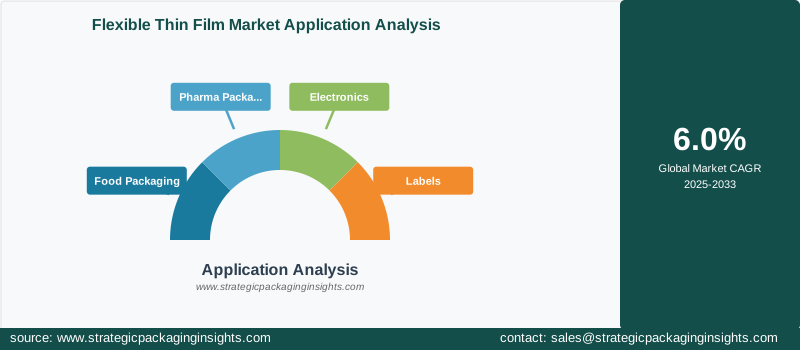
The demand for flexible thin films is driven by the need for efficient and sustainable packaging solutions across various industries. Companies are investing in R&D to develop innovative products that meet consumer demand for eco-friendly packaging solutions. This trend is supported by advancements in film technology, which enhance product performance and reduce environmental impact. By aligning with these trends, the Flexible Thin Film market is poised to achieve significant growth, driven by consumer demand and regulatory compliance.
End Use Analysis
The Flexible Thin Film market is segmented by end use, including Food & Beverage, Healthcare, FMCG, and Industrial. The food and beverage sector is the largest end-use segment, driven by the need for lightweight and durable packaging solutions that extend product shelf life and reduce food waste. The healthcare sector is witnessing increased adoption of flexible thin films due to their ability to protect sensitive products from environmental factors. The FMCG sector is also leveraging flexible packaging solutions for their lightweight and protective properties, while the industrial sector is using them for their durability and cost-effectiveness.
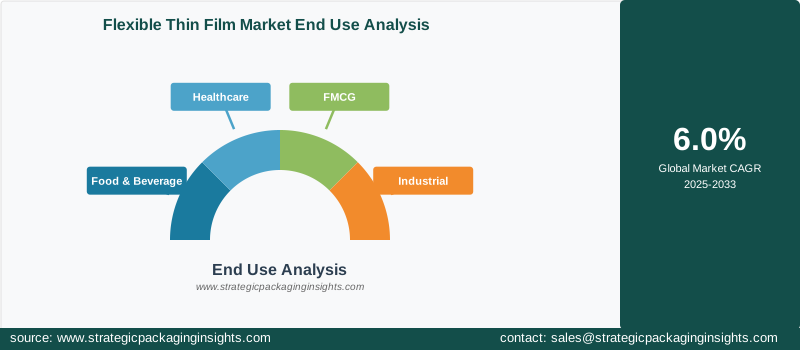
The demand for flexible thin films is driven by the need for efficient and sustainable packaging solutions across various industries. Companies are investing in R&D to develop innovative products that meet consumer demand for eco-friendly packaging solutions. This trend is supported by advancements in film technology, which enhance product performance and reduce environmental impact. By aligning with these trends, the Flexible Thin Film market is poised to achieve significant growth, driven by consumer demand and regulatory compliance.
Flexible Thin Film Market Segments
The Flexible Thin Film market has been segmented on the basis ofMaterial Type
- PE
- PP
- PET
- PVC
Film Type
- Barrier Films
- Stretch Films
- Shrink Films
- Lamination Films
Application
- Food Packaging
- Pharma Packaging
- Electronics
- Labels
End Use
- Food & Beverage
- Healthcare
- FMCG
- Industrial
Region
- Asia Pacific
- North America
- Latin America
- Europe
- Middle East & Africa




