


Flexible Ready Meal Packaging Market Outlook
The flexible ready meal packaging market was valued at $15.2 billion in 2024 and is projected to reach $23.7 billion by 2033, growing at a CAGR of 5.1% during the forecast period 2025-2033. This market is witnessing significant growth due to the increasing demand for convenient and easy-to-use packaging solutions that cater to the fast-paced lifestyle of modern consumers. The rise in single-person households and the growing trend of on-the-go consumption are further propelling the demand for flexible packaging solutions in the ready meal sector. Additionally, advancements in packaging technologies, such as improved barrier properties and sustainable materials, are enhancing the appeal of flexible packaging among manufacturers and consumers alike.
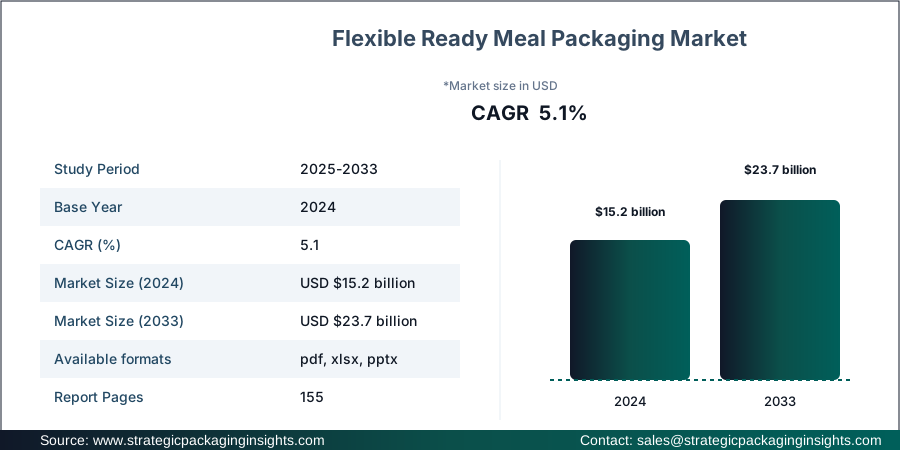
However, the market faces challenges such as stringent environmental regulations and the need for sustainable packaging solutions. The increasing awareness about the environmental impact of plastic waste is pushing manufacturers to innovate and develop eco-friendly packaging alternatives. Despite these challenges, the market holds immense growth potential due to the rising popularity of ready meals across various demographics and the continuous innovation in packaging materials and designs. The integration of smart packaging technologies, such as QR codes and NFC tags, is also expected to create new opportunities for market players by enhancing consumer engagement and providing valuable product information.
Report Scope
| Attributes | Details |
| Report Title | Flexible Ready Meal Packaging Market Size, Future Growth and Forecast 2033 |
| Material Type | Plastic, Paper, Aluminum |
| Product Type | Pouches, Trays, Bags, Films |
| Application | Frozen Meals, Chilled Meals, Shelf-Stable Meals |
| End-User | Household, Food Service, Retail |
| Base Year | 2024 |
| Historic Period | 2017-2023 |
| Forecast Period | 2025-2033 |
| Number of Pages | 155 |
| Customization Available | Yes* |
Opportunities & Threats
The flexible ready meal packaging market presents numerous opportunities for growth, driven by the increasing consumer preference for convenience and the rising demand for ready-to-eat meals. As urbanization continues to rise globally, more consumers are seeking quick and easy meal solutions that fit their busy lifestyles. This trend is particularly prominent among millennials and working professionals who prioritize convenience over traditional meal preparation. Additionally, the growing awareness of health and wellness is leading to an increased demand for portion-controlled and nutritionally balanced ready meals, further boosting the need for flexible packaging solutions that can accommodate these requirements.
Another significant opportunity lies in the development of sustainable and eco-friendly packaging materials. With the growing concern over plastic waste and its environmental impact, consumers and regulatory bodies are pushing for more sustainable packaging options. This has led to increased research and development efforts in the creation of biodegradable and recyclable packaging materials. Companies that can successfully innovate in this area are likely to gain a competitive edge and capture a larger market share. Furthermore, the integration of smart packaging technologies, such as QR codes and NFC tags, offers opportunities for enhanced consumer engagement and product differentiation.
Despite the promising opportunities, the flexible ready meal packaging market also faces certain threats. One of the primary challenges is the stringent regulatory environment concerning packaging waste and recycling. Governments across the globe are implementing stricter regulations to reduce plastic waste and promote sustainable packaging practices. This poses a challenge for manufacturers who need to comply with these regulations while maintaining cost-effectiveness and product quality. Additionally, the fluctuating prices of raw materials, such as plastics and aluminum, can impact the profitability of packaging manufacturers. Companies need to adopt innovative strategies to mitigate these risks and ensure sustainable growth in the market.
Market Share Analysis
The competitive landscape of the flexible ready meal packaging market is characterized by the presence of several key players who are actively engaged in product innovation and strategic partnerships to strengthen their market position. The market is moderately fragmented, with a mix of global and regional players competing for market share. Companies are focusing on expanding their product portfolios and enhancing their production capabilities to meet the growing demand for flexible packaging solutions. Additionally, strategic mergers and acquisitions are being pursued to gain access to new markets and technologies.
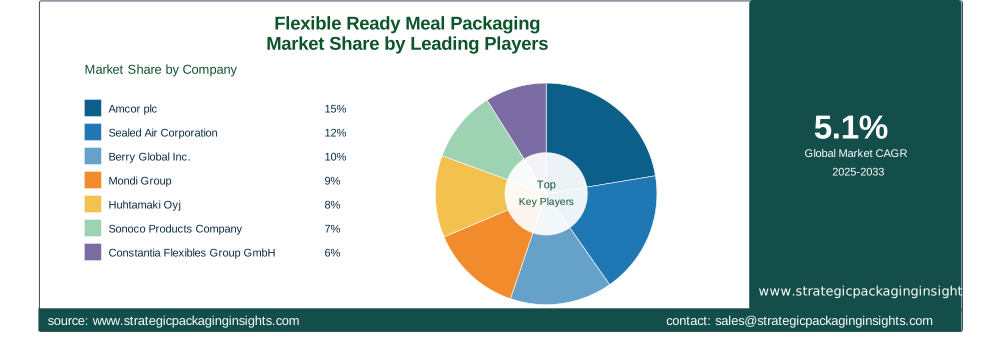
Some of the major companies operating in this market include Amcor plc, Sealed Air Corporation, Berry Global Inc., Mondi Group, Huhtamaki Oyj, Sonoco Products Company, Constantia Flexibles Group GmbH, Coveris Holdings S.A., ProAmpac LLC, and Winpak Ltd. These companies are investing heavily in research and development to innovate and offer sustainable packaging solutions that meet the evolving needs of consumers and regulatory requirements. For instance, Amcor plc is focusing on developing recyclable and compostable packaging materials to address environmental concerns and enhance its sustainability credentials.
Amcor plc holds a significant market share due to its extensive product portfolio and strong global presence. The company is known for its innovative packaging solutions that cater to various industries, including food and beverage, healthcare, and personal care. Sealed Air Corporation is another prominent player, recognized for its advanced packaging technologies and commitment to sustainability. The company offers a wide range of flexible packaging solutions that provide superior protection and extend the shelf life of ready meals.
Berry Global Inc. is a leading manufacturer of flexible packaging solutions, with a focus on sustainability and innovation. The company has a strong presence in North America and Europe and is expanding its operations in emerging markets to capitalize on the growing demand for ready meal packaging. Mondi Group is known for its sustainable packaging solutions and has been actively investing in research and development to enhance its product offerings. The company is committed to reducing its environmental footprint and has set ambitious sustainability targets to achieve this goal.
Key Highlights
- The flexible ready meal packaging market is projected to grow at a CAGR of 5.1% from 2025 to 2033.
- Increasing demand for convenient and easy-to-use packaging solutions is driving market growth.
- Advancements in packaging technologies are enhancing the appeal of flexible packaging.
- Stringent environmental regulations are pushing manufacturers to develop sustainable packaging solutions.
- Integration of smart packaging technologies offers opportunities for enhanced consumer engagement.
- Major players are focusing on product innovation and strategic partnerships to strengthen their market position.
- Fluctuating raw material prices pose a challenge to packaging manufacturers.
- Growing popularity of ready meals across various demographics is boosting market demand.
- Companies are investing in research and development to innovate and offer sustainable packaging solutions.
Top Countries Insights
In the flexible ready meal packaging market, the United States holds a significant share, with a market size of $3.5 billion and a CAGR of 4%. The country's growth is driven by the high demand for convenient meal solutions and the presence of major packaging manufacturers. The increasing trend of single-person households and busy lifestyles are further contributing to the market's expansion.
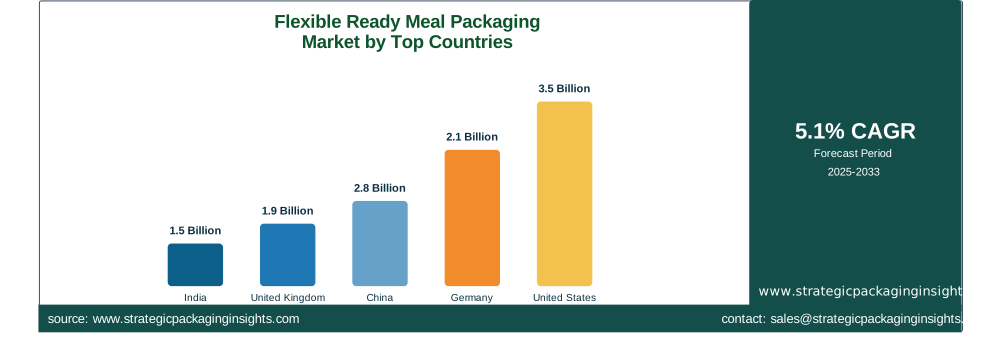
Germany is another key market, with a market size of $2.1 billion and a CAGR of 5%. The country's strong focus on sustainability and environmental regulations is driving the demand for eco-friendly packaging solutions. German consumers are increasingly opting for ready meals that offer convenience without compromising on environmental responsibility.
China is experiencing rapid growth in the flexible ready meal packaging market, with a market size of $2.8 billion and a CAGR of 7%. The country's expanding middle class and urbanization are fueling the demand for ready-to-eat meals. Additionally, the government's initiatives to promote sustainable packaging practices are encouraging manufacturers to innovate and develop eco-friendly solutions.
The United Kingdom has a market size of $1.9 billion and a CAGR of 3%. The country's growth is driven by the increasing demand for convenient meal solutions and the rising trend of on-the-go consumption. The UK's focus on reducing plastic waste and promoting sustainable packaging is also influencing market dynamics.
India is emerging as a promising market, with a market size of $1.5 billion and a CAGR of 8%. The country's growing urban population and changing consumer preferences are driving the demand for flexible ready meal packaging. The government's initiatives to promote sustainable packaging and reduce plastic waste are further supporting market growth.
Evolving Market Dynamics (2018-2024) and Strategic Foresight (2025-2033)
| Metrics | 2018-2024 | 2025-2033 |
|---|---|---|
| CAGR | 4.2% | 5.1% |
| Market Size Evolution | $12.5 billion to $15.2 billion | $15.2 billion to $23.7 billion |
| Segment Distribution Shifts | Plastic Dominance | Rise of Sustainable Materials |
| Regional Contribution Changes | North America Leading | Asia Pacific Emerging |
| Technological Impact Factors | Basic Barrier Properties | Advanced Smart Packaging |
| Client Demand Transformations | Convenience Focus | Sustainability and Innovation |
Flexible Ready Meal Packaging Market Segments Insights

Material Type Analysis
The material type segment in the flexible ready meal packaging market is primarily dominated by plastic, owing to its versatility, cost-effectiveness, and excellent barrier properties. Plastic packaging solutions, such as polyethylene and polypropylene, are widely used due to their ability to preserve the freshness and quality of ready meals. However, the growing environmental concerns and regulatory pressures are driving the shift towards more sustainable materials. Manufacturers are increasingly exploring biodegradable and recyclable alternatives, such as paper and aluminum, to meet the rising demand for eco-friendly packaging solutions. The development of bio-based plastics is also gaining traction, offering a promising solution to reduce the environmental impact of plastic packaging.
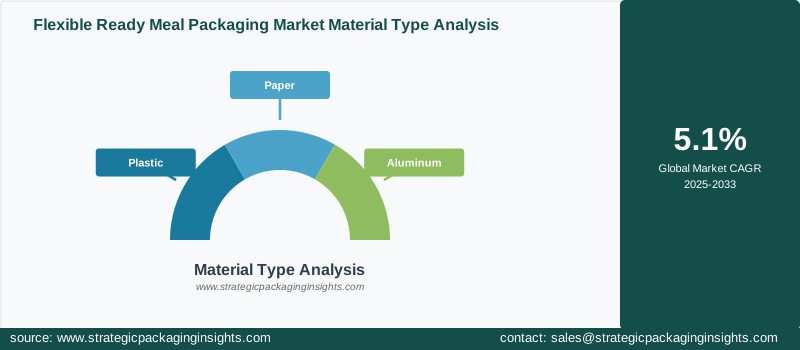
Paper-based packaging is gaining popularity due to its renewable nature and recyclability. It is particularly favored for its ability to provide a natural and premium look to ready meal packaging. Aluminum, known for its excellent barrier properties and recyclability, is also being adopted for flexible packaging solutions. The increasing focus on sustainability is expected to drive the growth of paper and aluminum packaging in the coming years. Companies are investing in research and development to enhance the performance and cost-effectiveness of these materials, aiming to capture a larger share of the market.
Product Type Analysis
The product type segment in the flexible ready meal packaging market includes pouches, trays, bags, and films. Pouches are the most popular choice due to their lightweight nature, convenience, and ability to provide excellent protection to ready meals. They are available in various formats, such as stand-up pouches and retort pouches, catering to different consumer preferences and product requirements. Trays are also widely used, particularly for chilled and frozen meals, as they offer sturdy protection and are easy to handle. The demand for trays is driven by their ability to withstand temperature variations and provide a premium presentation of ready meals.
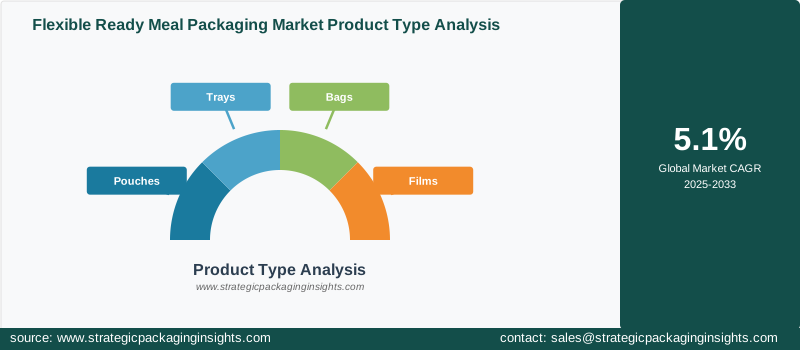
Bags and films are gaining traction due to their flexibility and cost-effectiveness. They are commonly used for packaging bulk quantities of ready meals and providing an additional layer of protection. The increasing demand for portion-controlled and single-serve ready meals is driving the growth of bags and films in the market. Manufacturers are focusing on developing innovative designs and features, such as resealable closures and easy-open mechanisms, to enhance consumer convenience and product appeal. The continuous innovation in product types is expected to drive the growth of the flexible ready meal packaging market.
Application Analysis
The application segment in the flexible ready meal packaging market is categorized into frozen meals, chilled meals, and shelf-stable meals. Frozen meals account for the largest share, driven by the increasing demand for convenient and long-lasting meal solutions. The ability of flexible packaging to provide excellent barrier properties and preserve the quality of frozen meals is a key factor contributing to its popularity. Chilled meals are also witnessing significant growth, as consumers seek fresh and healthy meal options that are easy to prepare and consume. The demand for chilled meals is particularly high in urban areas, where busy lifestyles drive the need for quick and nutritious meal solutions.
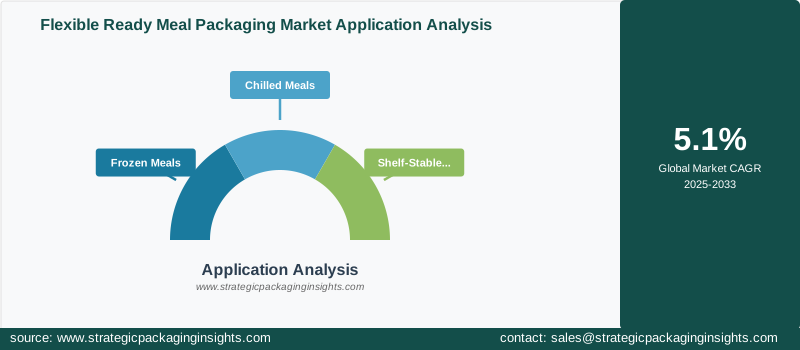
Shelf-stable meals are gaining traction due to their long shelf life and convenience. They are particularly popular among consumers who prioritize convenience and are looking for meal solutions that can be stored for extended periods without refrigeration. The increasing demand for ready-to-eat meals in emerging markets is driving the growth of shelf-stable meals. Manufacturers are focusing on developing innovative packaging solutions that enhance the shelf life and quality of these meals, catering to the evolving needs of consumers. The application segment is expected to witness significant growth, driven by the rising demand for convenient and nutritious meal solutions.
End-User Analysis
The end-user segment in the flexible ready meal packaging market includes households, food service, and retail. Households account for the largest share, driven by the increasing demand for convenient meal solutions that cater to busy lifestyles. The rise in single-person households and the growing trend of on-the-go consumption are further propelling the demand for flexible packaging solutions in the household segment. Food service is also a significant end-user, as restaurants and catering services seek packaging solutions that provide convenience and enhance the presentation of ready meals.
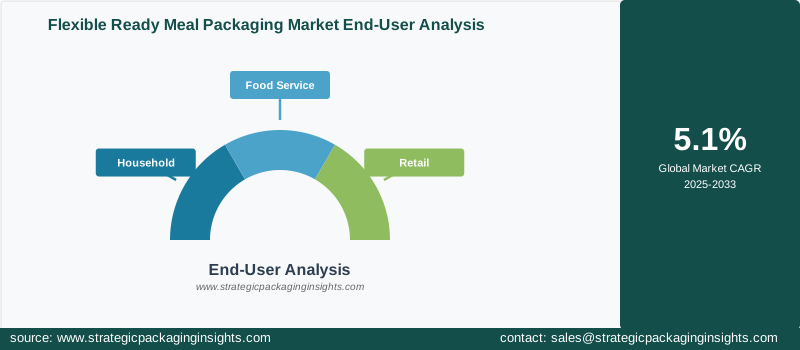
Retail is witnessing significant growth, driven by the increasing demand for ready-to-eat meals in supermarkets and convenience stores. The growing popularity of private label ready meals is also contributing to the demand for flexible packaging solutions in the retail segment. Manufacturers are focusing on developing innovative packaging designs that enhance the shelf appeal and convenience of ready meals, catering to the evolving needs of consumers. The end-user segment is expected to witness significant growth, driven by the rising demand for convenient and easy-to-use packaging solutions.
Flexible Ready Meal Packaging Market Segments
The Flexible Ready Meal Packaging market has been segmented on the basis ofMaterial Type
- Plastic
- Paper
- Aluminum
Product Type
- Pouches
- Trays
- Bags
- Films
Application
- Frozen Meals
- Chilled Meals
- Shelf-Stable Meals
End-User
- Household
- Food Service
- Retail




