


Flexible Packaging for Toiletries Market Outlook
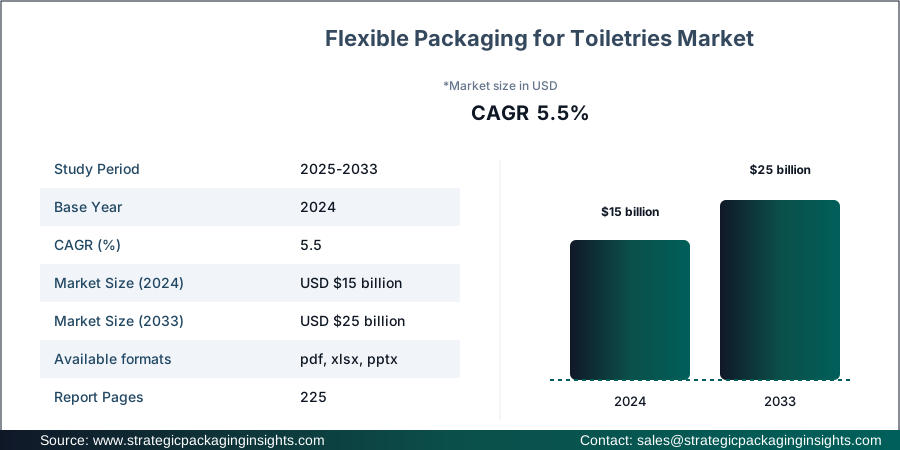
The flexible packaging for toiletries market was valued at $15 billion in 2024 and is projected to reach $25 billion by 2033, growing at a CAGR of 5.5% during the forecast period 2025-2033. This market is driven by the increasing demand for convenient and lightweight packaging solutions that cater to the fast-paced lifestyle of modern consumers. The rise in disposable income and urbanization has led to a surge in the consumption of personal care products, thereby boosting the demand for flexible packaging. Additionally, the growing awareness about environmental sustainability has prompted manufacturers to adopt eco-friendly packaging materials, further propelling market growth.
However, the market faces challenges such as stringent regulations regarding the use of plastic materials and the high cost of raw materials, which may hinder growth. Despite these challenges, the market holds significant growth potential due to the increasing adoption of innovative packaging solutions that enhance product shelf life and appeal. The development of biodegradable and recyclable packaging options presents lucrative opportunities for market players to expand their product offerings and cater to the evolving consumer preferences.
Report Scope
| Attributes | Details |
| Report Title | Flexible Packaging for Toiletries Market Size, Future Growth and Forecast 2033 |
| Material | Plastic, Paper, Aluminum Foil |
| Product Type | Pouches, Bags, Wraps, Tubes |
| Application | Shampoos, Conditioners, Body Wash, Toothpaste, Others |
| Region | Asia Pacific, North America, Europe, Latin America, Middle East & Africa |
| Base Year | 2024 |
| Historic Period | 2017-2023 |
| Forecast Period | 2025-2033 |
| Number of Pages | 225 |
| Customization Available | Yes* |
Opportunities & Threats
The flexible packaging for toiletries market presents numerous opportunities for growth, primarily driven by the increasing consumer preference for sustainable and eco-friendly packaging solutions. As environmental concerns continue to rise, consumers are becoming more conscious of the impact of packaging waste on the environment. This shift in consumer behavior has prompted manufacturers to invest in research and development to create innovative packaging solutions that are both functional and environmentally friendly. The development of biodegradable and recyclable packaging materials is expected to gain traction, providing a competitive edge to companies that prioritize sustainability in their product offerings.
Another significant opportunity lies in the growing demand for personalized and aesthetically appealing packaging designs. With the rise of social media and digital marketing, consumers are increasingly drawn to visually appealing products that stand out on retail shelves. This trend has led to an increased focus on packaging design and customization, allowing brands to differentiate themselves in a crowded market. Companies that invest in advanced printing technologies and design capabilities are likely to capture a larger share of the market by catering to the evolving consumer preferences for unique and personalized packaging solutions.
Despite the promising opportunities, the flexible packaging for toiletries market faces several threats that could impede its growth. One of the primary challenges is the stringent regulatory environment surrounding the use of plastic materials in packaging. Governments across the globe are implementing strict regulations to curb plastic waste, which may limit the use of certain materials in packaging applications. Additionally, the fluctuating prices of raw materials, such as plastic resins and aluminum, pose a significant threat to market stability. These factors could lead to increased production costs, affecting the profitability of market players and potentially slowing down market growth.
Market Share Analysis
The competitive landscape of the flexible packaging for toiletries market is characterized by the presence of several key players who dominate the market with their extensive product portfolios and strong distribution networks. The market is highly fragmented, with numerous regional and international players competing for market share. Companies are focusing on strategic partnerships, mergers, and acquisitions to expand their market presence and enhance their product offerings. The increasing demand for sustainable packaging solutions has prompted market players to invest in research and development to create innovative and eco-friendly packaging materials.
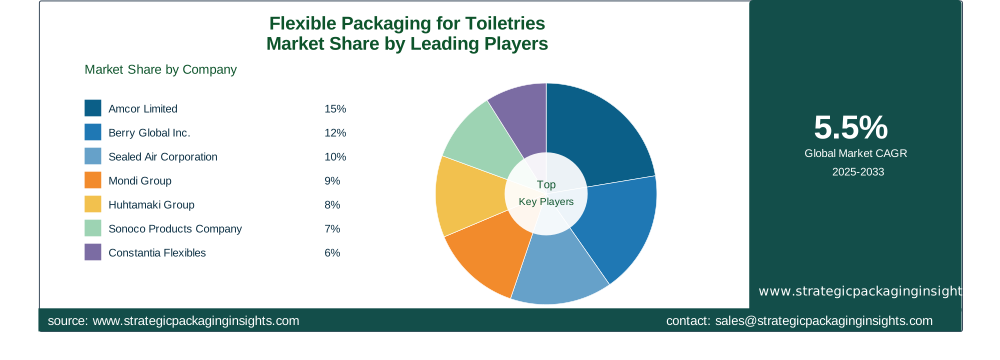
Amcor Limited holds a significant share in the market, leveraging its extensive experience and expertise in flexible packaging solutions. The company's commitment to sustainability and innovation has enabled it to maintain a competitive edge in the market. Similarly, Berry Global Inc. is a prominent player known for its diverse range of packaging solutions and strong focus on customer satisfaction. The company's strategic acquisitions and partnerships have strengthened its market position and expanded its product offerings.
Sealed Air Corporation is another key player in the market, renowned for its innovative packaging solutions that enhance product protection and shelf life. The company's focus on sustainability and environmental responsibility has positioned it as a leader in the flexible packaging industry. Mondi Group, with its comprehensive range of flexible packaging solutions, is also a major player in the market. The company's emphasis on innovation and sustainability has enabled it to capture a significant share of the market.
Other notable players in the market include Huhtamaki Group, Sonoco Products Company, and Constantia Flexibles. These companies are actively investing in research and development to create advanced packaging solutions that cater to the evolving consumer preferences. The competitive landscape is expected to intensify as companies continue to focus on innovation and sustainability to gain a competitive advantage in the market.
Key Highlights
- The market is projected to grow at a CAGR of 5.5% from 2025 to 2033.
- Increasing demand for eco-friendly and sustainable packaging solutions.
- Rising consumer preference for personalized and aesthetically appealing packaging designs.
- Stringent regulations on plastic usage pose a challenge to market growth.
- Technological advancements in packaging materials and design capabilities.
- Growing focus on product differentiation through innovative packaging solutions.
- Expansion of distribution networks by key market players to enhance market presence.
Top Countries Insights
The United States is a leading market for flexible packaging for toiletries, with a market size of $3 billion and a CAGR of 4%. The country's strong consumer base and high demand for personal care products drive market growth. The focus on sustainability and eco-friendly packaging solutions is a significant growth driver, with companies investing in innovative materials to meet consumer preferences.
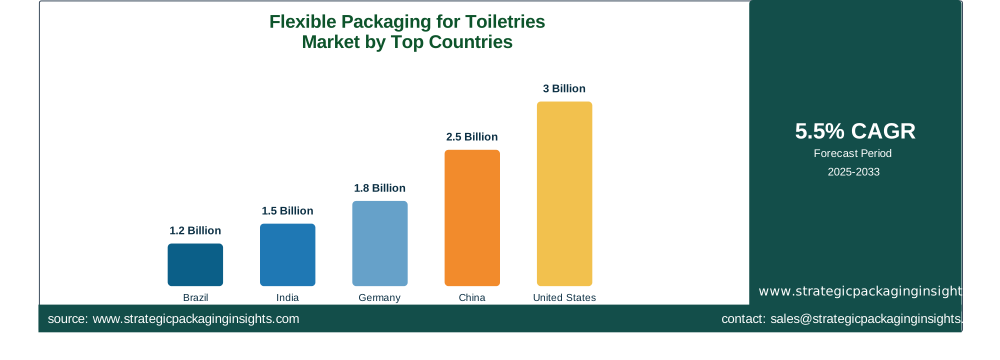
China is another prominent market, with a market size of $2.5 billion and a CAGR of 6%. The country's rapid urbanization and increasing disposable income levels have led to a surge in demand for personal care products, boosting the flexible packaging market. The government's initiatives to promote sustainable packaging solutions further support market growth.
Germany, with a market size of $1.8 billion and a CAGR of 5%, is a key player in the European market. The country's strong focus on sustainability and environmental responsibility drives the demand for eco-friendly packaging solutions. The presence of leading packaging companies and advanced manufacturing capabilities further bolster market growth.
India, with a market size of $1.5 billion and a CAGR of 7%, is experiencing significant growth in the flexible packaging market. The country's expanding middle class and increasing consumer awareness about personal care products drive market demand. The government's initiatives to promote sustainable packaging solutions and reduce plastic waste are key growth drivers.
Brazil, with a market size of $1.2 billion and a CAGR of 5%, is a growing market for flexible packaging for toiletries. The country's increasing consumer base and rising demand for personal care products drive market growth. The focus on sustainable packaging solutions and the adoption of innovative materials are key factors contributing to market expansion.
Evolving Market Dynamics (2018-2024) and Strategic Foresight (2025-2033)
| Metrics | 2018-2024 | 2025-2033 |
|---|---|---|
| CAGR | 4.5% | 5.5% |
| Market Size Evolution | $12 billion to $15 billion | $15 billion to $25 billion |
| Segment Distribution Shifts | Plastic Dominance | Eco-friendly Materials Rise |
| Regional Contribution Changes | North America Lead | Asia Pacific Surge |
| Technological Impact Factors | Basic Printing | Advanced Customization |
| Client Demand Transformations | Standard Packaging | Personalized Solutions |
Flexible Packaging for Toiletries Market Segments Insights

Material Analysis
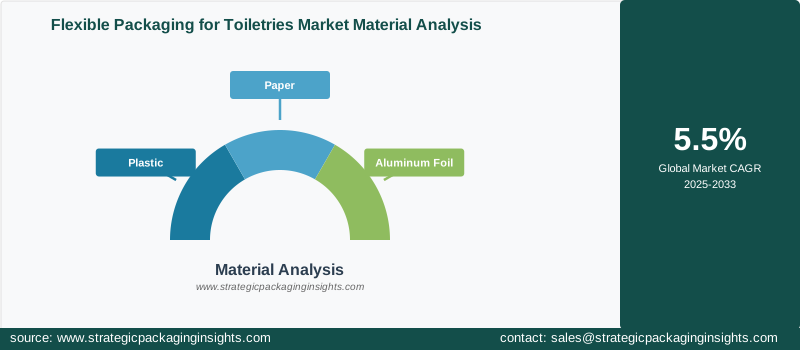
The material segment of the flexible packaging for toiletries market is primarily dominated by plastic, paper, and aluminum foil. Plastic remains the most widely used material due to its versatility, durability, and cost-effectiveness. However, the increasing environmental concerns and regulatory pressures are driving the shift towards more sustainable materials such as biodegradable plastics and recycled paper. The demand for aluminum foil is also rising due to its excellent barrier properties and recyclability. Companies are investing in research and development to create innovative materials that meet the evolving consumer preferences for eco-friendly packaging solutions.
The trend towards sustainable packaging is expected to gain momentum, with companies focusing on reducing their carbon footprint and enhancing the recyclability of their products. The development of bio-based plastics and compostable materials is anticipated to drive market growth, providing a competitive edge to companies that prioritize sustainability in their product offerings. The increasing consumer awareness about the environmental impact of packaging waste is likely to further boost the demand for eco-friendly materials in the flexible packaging market.
Product Type Analysis
The product type segment of the flexible packaging for toiletries market includes pouches, bags, wraps, and tubes. Pouches are the most popular product type due to their convenience, lightweight nature, and ability to preserve product freshness. The demand for pouches is driven by the increasing consumer preference for single-use and travel-friendly packaging solutions. Bags and wraps are also widely used in the market, offering versatility and ease of use for a variety of toiletries. Tubes are gaining popularity for products such as toothpaste and creams, providing a convenient and hygienic packaging solution.
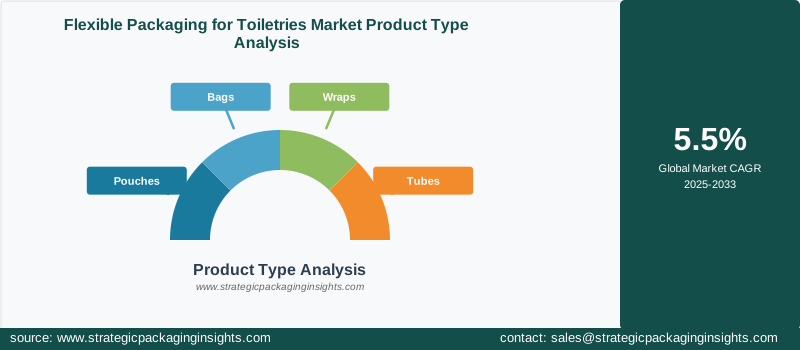
The trend towards innovative and aesthetically appealing packaging designs is expected to drive the demand for customized product types. Companies are focusing on advanced printing technologies and design capabilities to create unique and personalized packaging solutions that cater to the evolving consumer preferences. The increasing demand for sustainable and recyclable product types is also anticipated to boost market growth, with companies investing in eco-friendly materials and production processes to meet consumer expectations.
Application Analysis
The application segment of the flexible packaging for toiletries market includes shampoos, conditioners, body wash, toothpaste, and others. Shampoos and conditioners account for a significant share of the market, driven by the increasing consumer demand for personal care products. The rising awareness about personal hygiene and grooming is boosting the demand for body wash and toothpaste, further propelling market growth. The trend towards premium and organic personal care products is also driving the demand for high-quality and aesthetically appealing packaging solutions.
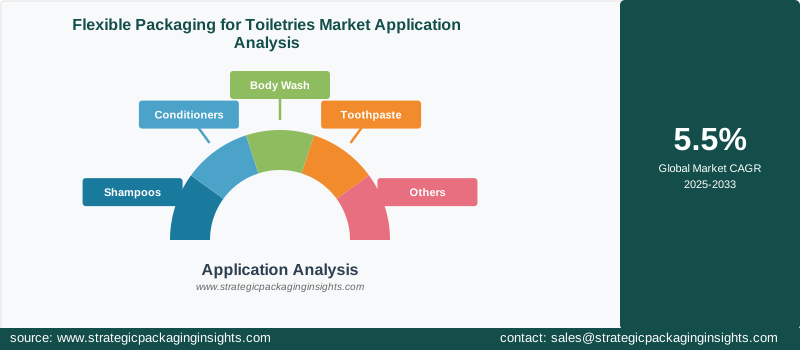
The increasing consumer preference for convenient and travel-friendly packaging solutions is expected to drive the demand for flexible packaging in the toiletries market. Companies are focusing on creating innovative packaging designs that enhance product appeal and functionality. The growing awareness about environmental sustainability is also anticipated to boost the demand for eco-friendly packaging solutions in the application segment, with companies investing in biodegradable and recyclable materials to meet consumer expectations.
Region Analysis
The regional analysis of the flexible packaging for toiletries market highlights the significant growth potential in Asia Pacific, North America, Europe, Latin America, and the Middle East & Africa. Asia Pacific is expected to witness the highest growth rate, driven by the increasing consumer base and rising demand for personal care products in countries such as China and India. The focus on sustainable packaging solutions and the adoption of innovative materials are key growth drivers in the region.
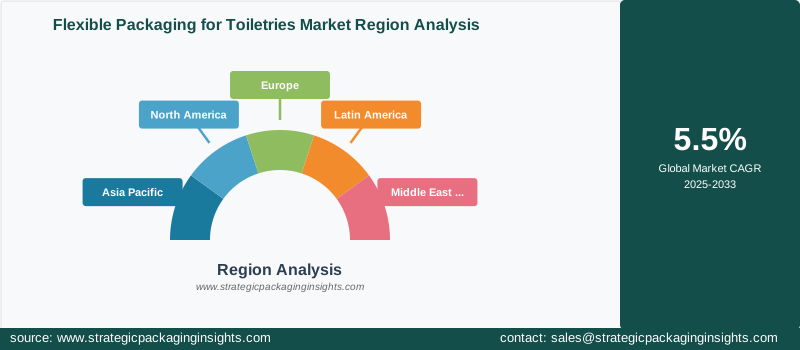
North America and Europe are also significant markets for flexible packaging, with a strong focus on sustainability and environmental responsibility. The presence of leading packaging companies and advanced manufacturing capabilities in these regions further bolster market growth. Latin America and the Middle East & Africa are emerging markets, with increasing consumer awareness about personal care products and the growing demand for eco-friendly packaging solutions driving market expansion.
Flexible Packaging for Toiletries Market Segments
The Flexible Packaging for Toiletries market has been segmented on the basis ofMaterial
- Plastic
- Paper
- Aluminum Foil
Product Type
- Pouches
- Bags
- Wraps
- Tubes
Application
- Shampoos
- Conditioners
- Body Wash
- Toothpaste
- Others
Region
- Asia Pacific
- North America
- Europe
- Latin America
- Middle East & Africa




