


Flexible Packaging for Pharma OTC Market Outlook
The flexible packaging for Pharma OTC market was valued at $15 billion in 2024 and is projected to reach $25 billion by 2033, growing at a CAGR of 5.5% during the forecast period 2025-2033. This market is witnessing significant growth due to the increasing demand for over-the-counter (OTC) pharmaceutical products, which require efficient and protective packaging solutions. The rise in consumer health awareness and the shift towards self-medication are driving the demand for flexible packaging solutions that offer convenience, safety, and extended shelf life. Additionally, the growing trend of sustainable and eco-friendly packaging is pushing manufacturers to innovate and develop packaging materials that are not only flexible but also environmentally friendly.
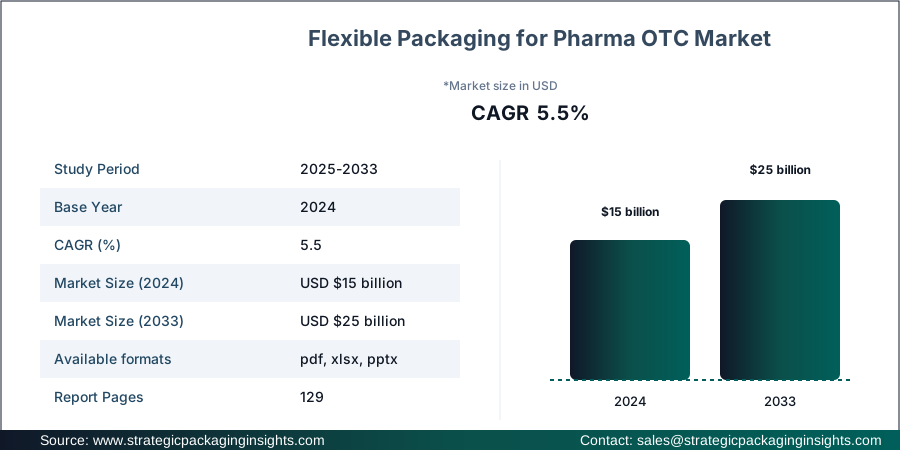
However, the market faces challenges such as stringent regulatory requirements and the need for high-quality standards in pharmaceutical packaging. The complexity of packaging materials and the need for compliance with safety and efficacy standards can pose significant barriers to market entry for new players. Despite these challenges, the market holds immense potential for growth, driven by technological advancements in packaging materials and processes. The increasing adoption of smart packaging solutions, which incorporate features like tamper-evidence and anti-counterfeiting, is expected to further propel market growth. Moreover, the expansion of the pharmaceutical industry in emerging markets presents lucrative opportunities for flexible packaging manufacturers.
Report Scope
| Attributes | Details |
| Report Title | Flexible Packaging for Pharma OTC Market Size, Future Growth and Forecast 2033 |
| Material | Plastic, Paper, Aluminum Foil, Others |
| Product Type | Bags, Pouches, Sachets, Blisters, Others |
| Application | Tablets, Capsules, Powders, Liquids, Others |
| Region | Asia Pacific, North America, Latin America, Europe, Middle East & Africa |
| Base Year | 2024 |
| Historic Period | 2017-2023 |
| Forecast Period | 2025-2033 |
| Number of Pages | 129 |
| Customization Available | Yes* |
Opportunities & Threats
The flexible packaging for Pharma OTC market presents numerous opportunities, primarily driven by the increasing demand for convenient and user-friendly packaging solutions. As consumers become more health-conscious, there is a growing preference for OTC products that offer ease of use and portability. Flexible packaging solutions, such as pouches and sachets, cater to this demand by providing lightweight and resealable options that enhance user experience. Additionally, the rise of e-commerce and online pharmacies has created a need for packaging that can withstand the rigors of shipping and handling, further boosting the demand for flexible packaging solutions.
Another significant opportunity lies in the development of sustainable and eco-friendly packaging materials. With increasing environmental concerns and regulatory pressures, manufacturers are focusing on creating packaging solutions that minimize environmental impact. Biodegradable and recyclable materials are gaining traction in the market, offering a competitive edge to companies that prioritize sustainability. Furthermore, the integration of smart packaging technologies, such as QR codes and RFID tags, provides an opportunity to enhance product traceability and consumer engagement, thereby adding value to the packaging solutions offered.
Despite the promising opportunities, the market faces certain threats that could hinder its growth. One of the primary challenges is the stringent regulatory landscape governing pharmaceutical packaging. Compliance with safety and quality standards is crucial, and any deviation can lead to significant financial and reputational damage. Additionally, the high cost of raw materials and the complexity of manufacturing processes can pose challenges for manufacturers, particularly small and medium-sized enterprises. The competitive nature of the market also necessitates continuous innovation and differentiation to maintain market share, which can be resource-intensive.
Market Share Analysis
The competitive landscape of the flexible packaging for Pharma OTC market is characterized by the presence of several key players who dominate the market with their extensive product portfolios and strong distribution networks. These companies are focused on expanding their market presence through strategic partnerships, mergers, and acquisitions. The market is highly competitive, with companies striving to differentiate themselves through innovation and the development of sustainable packaging solutions. The leading players in the market are investing heavily in research and development to create advanced packaging materials that meet the evolving needs of the pharmaceutical industry.
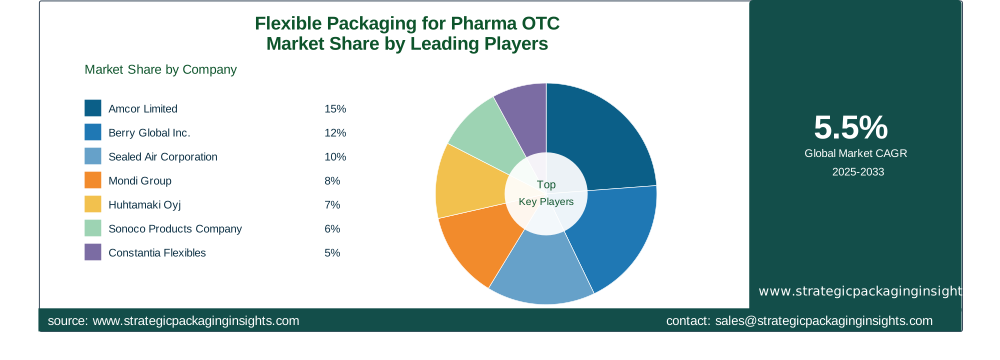
Among the major companies in the market, Amcor Limited holds a significant market share due to its comprehensive range of flexible packaging solutions and strong global presence. The company is known for its innovative approach to packaging design and its commitment to sustainability. Another key player, Berry Global Inc., has established itself as a leader in the market by offering a diverse portfolio of packaging products that cater to various pharmaceutical applications. The company's focus on customer-centric solutions and its extensive distribution network have contributed to its strong market position.
Sealed Air Corporation is another prominent player in the market, known for its expertise in protective packaging solutions. The company's emphasis on innovation and its ability to provide customized packaging solutions have enabled it to capture a significant share of the market. Similarly, Mondi Group has made a mark in the market with its sustainable packaging solutions and its focus on reducing environmental impact. The company's commitment to innovation and its strong customer relationships have been key factors in its success.
Other notable companies in the market include Huhtamaki Oyj, Sonoco Products Company, and Constantia Flexibles. These companies have established themselves as leaders in the market through their extensive product offerings and their focus on sustainability and innovation. Their ability to adapt to changing market dynamics and their commitment to meeting customer needs have been instrumental in their continued success.
Key Highlights
- The flexible packaging for Pharma OTC market is projected to grow at a CAGR of 5.5% from 2025 to 2033.
- Increasing demand for sustainable and eco-friendly packaging solutions is driving market growth.
- Technological advancements in smart packaging are enhancing product traceability and consumer engagement.
- Stringent regulatory requirements pose challenges for market entry and compliance.
- The rise of e-commerce and online pharmacies is boosting demand for durable and protective packaging solutions.
- Key players are focusing on innovation and sustainability to maintain competitive advantage.
- Emerging markets present significant growth opportunities for flexible packaging manufacturers.
- Integration of smart technologies in packaging is expected to drive future market growth.
Top Countries Insights
In the flexible packaging for Pharma OTC market, the United States stands out as a leading country with a market size of $4 billion and a CAGR of 6%. The country's growth is driven by a well-established pharmaceutical industry and a strong focus on innovation and sustainability in packaging solutions. The presence of major market players and a robust regulatory framework further contribute to the market's expansion.
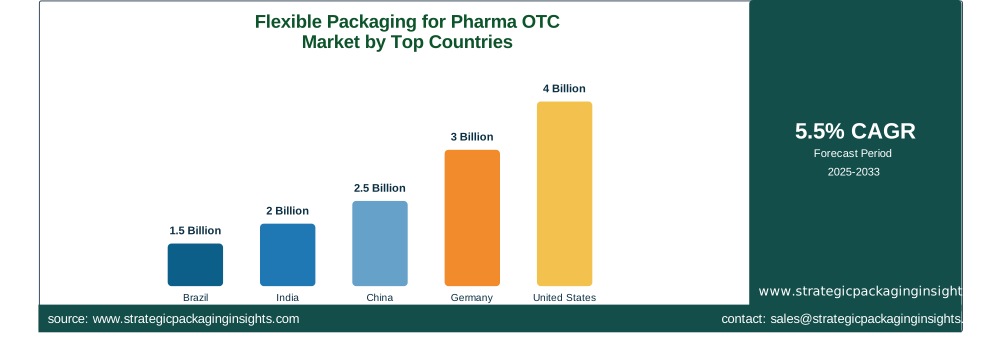
Germany is another key player in the market, with a market size of $3 billion and a CAGR of 5%. The country's emphasis on high-quality standards and its strong manufacturing base make it a significant contributor to the market. The growing demand for eco-friendly packaging solutions and the presence of leading packaging companies drive the market's growth in Germany.
China, with a market size of $2.5 billion and a CAGR of 7%, is experiencing rapid growth in the flexible packaging for Pharma OTC market. The country's expanding pharmaceutical industry and increasing consumer awareness about health and wellness are key drivers of market growth. Additionally, government initiatives to promote sustainable packaging solutions are expected to boost the market further.
India, with a market size of $2 billion and a CAGR of 8%, is emerging as a significant player in the market. The country's large population and growing demand for OTC pharmaceutical products are driving the need for flexible packaging solutions. The government's focus on promoting domestic manufacturing and innovation in packaging technologies is expected to support market growth.
Brazil, with a market size of $1.5 billion and a CAGR of 6%, is also contributing to the market's growth. The country's growing pharmaceutical industry and increasing consumer preference for convenient and user-friendly packaging solutions are key factors driving the market. The presence of local packaging manufacturers and the adoption of sustainable packaging practices further support market expansion.
Evolving Market Dynamics (2018-2024) and Strategic Foresight (2025-2033)
| Metrics | 2018-2024 | 2025-2033 |
|---|---|---|
| CAGR | 4.5% | 5.5% |
| Market Size Evolution | $12 billion to $15 billion | $15 billion to $25 billion |
| Segment Distribution Shifts | Increased demand for pouches and sachets | Rising adoption of smart packaging solutions |
| Regional Contribution Changes | Strong growth in North America and Europe | Significant expansion in Asia Pacific and Latin America |
| Technological Impact Factors | Introduction of biodegradable materials | Integration of smart technologies |
| Client Demand Transformations | Focus on convenience and portability | Emphasis on sustainability and traceability |
Flexible Packaging for Pharma OTC Market Segments Insights

Material Analysis
The material segment of the flexible packaging for Pharma OTC market is dominated by plastic, which offers versatility, durability, and cost-effectiveness. Plastic materials, such as polyethylene and polypropylene, are widely used due to their excellent barrier properties and ability to protect pharmaceutical products from moisture, light, and oxygen. However, the increasing environmental concerns and regulatory pressures are driving the demand for alternative materials, such as biodegradable plastics and paper-based solutions. Manufacturers are investing in research and development to create sustainable materials that meet the stringent requirements of pharmaceutical packaging while minimizing environmental impact.
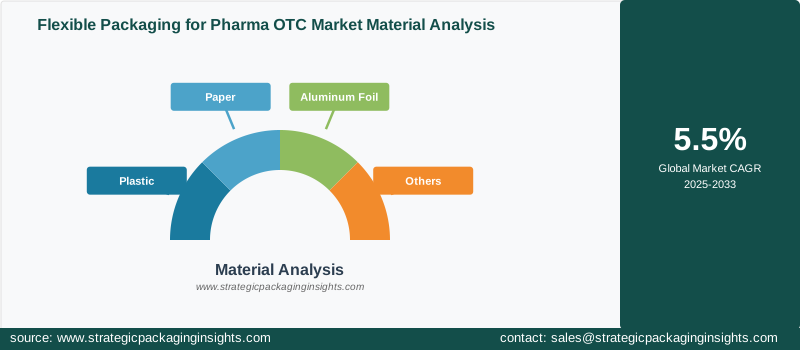
Aluminum foil is another significant material used in the market, known for its superior barrier properties and ability to provide a high level of protection against external factors. The use of aluminum foil in blister packaging is particularly prevalent, as it ensures the integrity and safety of pharmaceutical products. The demand for aluminum foil is expected to remain strong, driven by its effectiveness in preserving the quality and efficacy of OTC products. However, the high cost of aluminum and the energy-intensive production process pose challenges for manufacturers, prompting them to explore cost-effective alternatives.
Product Type Analysis
The product type segment of the flexible packaging for Pharma OTC market includes bags, pouches, sachets, blisters, and others. Pouches and sachets are gaining popularity due to their convenience, portability, and resealability. These packaging solutions are ideal for single-dose and travel-sized products, catering to the growing demand for on-the-go consumption. The rise of e-commerce and online pharmacies has further boosted the demand for pouches and sachets, as they offer lightweight and durable packaging options that can withstand shipping and handling.
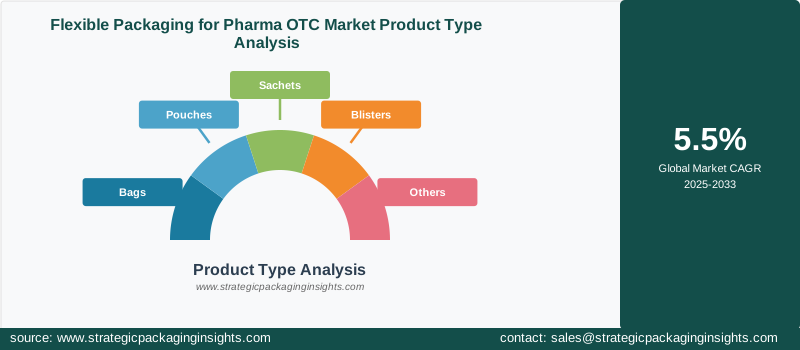
Blister packaging is another prominent product type in the market, known for its ability to provide excellent protection and tamper-evidence. Blisters are widely used for packaging tablets and capsules, ensuring their safety and integrity. The demand for blister packaging is driven by the need for compliance with regulatory standards and the growing emphasis on patient safety. Manufacturers are focusing on enhancing the functionality and aesthetics of blister packaging to meet the evolving needs of consumers and regulatory bodies.
Application Analysis
The application segment of the flexible packaging for Pharma OTC market includes tablets, capsules, powders, liquids, and others. Tablets and capsules are the most common applications, accounting for a significant share of the market. The demand for flexible packaging solutions for tablets and capsules is driven by the need for protection against moisture, light, and oxygen, as well as the requirement for tamper-evidence and child-resistant features. Manufacturers are developing innovative packaging solutions that enhance the safety and convenience of tablet and capsule packaging.
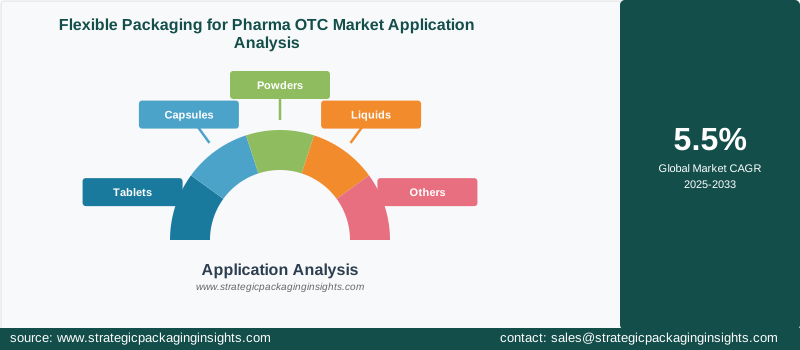
Powders and liquids are also important applications in the market, requiring specialized packaging solutions that prevent leakage and contamination. The demand for flexible packaging solutions for powders and liquids is driven by the increasing popularity of dietary supplements and nutraceuticals, which often come in powder or liquid form. Manufacturers are focusing on creating packaging solutions that offer ease of use, accurate dosing, and extended shelf life for these products.
Region Analysis
The regional analysis of the flexible packaging for Pharma OTC market reveals significant growth opportunities in Asia Pacific, North America, Europe, Latin America, and the Middle East & Africa. Asia Pacific is expected to witness the highest growth rate, driven by the expanding pharmaceutical industry and increasing consumer awareness about health and wellness. The presence of a large population and the growing demand for OTC products are key factors contributing to the market's growth in the region.
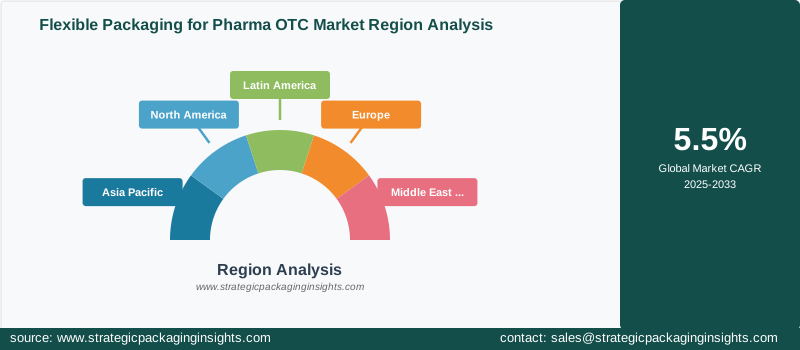
North America and Europe are also significant markets, characterized by a well-established pharmaceutical industry and a strong focus on innovation and sustainability. The demand for flexible packaging solutions in these regions is driven by the need for compliance with stringent regulatory standards and the growing emphasis on eco-friendly packaging. Latin America and the Middle East & Africa are emerging markets, offering growth opportunities for flexible packaging manufacturers due to the increasing demand for OTC products and the expansion of the pharmaceutical industry.
Flexible Packaging for Pharma OTC Market Segments
The Flexible Packaging for Pharma OTC market has been segmented on the basis ofMaterial
- Plastic
- Paper
- Aluminum Foil
- Others
Product Type
- Bags
- Pouches
- Sachets
- Blisters
- Others
Application
- Tablets
- Capsules
- Powders
- Liquids
- Others
Region
- Asia Pacific
- North America
- Latin America
- Europe
- Middle East & Africa




