


Flexible Intermediate Bulk Container Market Outlook
The Flexible Intermediate Bulk Container (FIBC) market was valued at $4.2 billion in 2024 and is projected to reach $7.1 billion by 2033, growing at a CAGR of 5.8% during the forecast period 2025-2033. This growth is driven by the increasing demand for efficient and cost-effective packaging solutions across various industries such as food, chemicals, and pharmaceuticals. The versatility and durability of FIBCs make them an ideal choice for transporting bulk materials, contributing to their rising popularity. Additionally, advancements in material technology and design innovations are enhancing the performance and safety features of these containers, further boosting market growth.
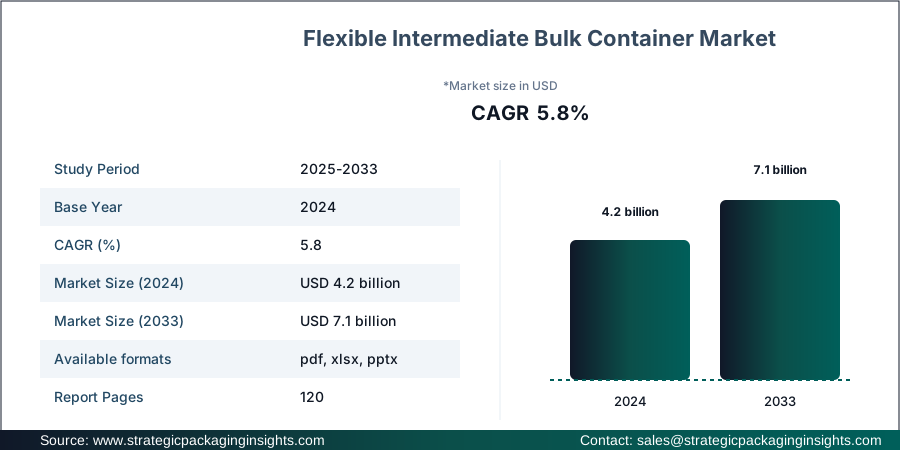
Report Scope
| Attributes | Details |
| Report Title | Flexible Intermediate Bulk Container Market Size, Future Growth and Forecast 2033 |
| Material | Polypropylene, Polyethylene |
| Design | U-Panel, Circular, Baffle, Others |
| End-User | Food, Chemicals, Pharmaceuticals, Construction, Others |
| Region | Asia Pacific, North America, Latin America, Europe, Middle East & Africa |
| Base Year | 2024 |
| Historic Period | 2017-2023 |
| Forecast Period | 2025-2033 |
| Number of Pages | 120 |
| Customization Available | Yes* |
Opportunities & Threats
The FIBC market presents significant opportunities, particularly in emerging economies where industrialization is rapidly increasing. The growing construction and agricultural sectors in countries like India and China are driving the demand for bulk packaging solutions. Moreover, the shift towards sustainable and eco-friendly packaging is opening new avenues for FIBC manufacturers to innovate with biodegradable and recyclable materials. The increasing focus on reducing carbon footprints and adhering to stringent environmental regulations is encouraging companies to invest in green packaging solutions, thereby creating lucrative opportunities for market players.
Another opportunity lies in the expanding pharmaceutical industry, which requires safe and hygienic packaging solutions for transporting raw materials and finished products. The need for contamination-free and secure packaging is pushing pharmaceutical companies to adopt FIBCs, which offer superior protection against external elements. Additionally, the rise of e-commerce and global trade is boosting the demand for efficient logistics and supply chain solutions, further propelling the growth of the FIBC market.
However, the market faces certain restraints, such as the volatility in raw material prices, particularly polypropylene and polyethylene, which are key components in FIBC manufacturing. Fluctuations in crude oil prices directly impact the cost of these materials, posing a challenge for manufacturers to maintain competitive pricing. Additionally, stringent regulations regarding food-grade packaging and the need for compliance with international standards can increase production costs and limit market expansion.
Drivers & Challenges
The primary drivers of the FIBC market include the increasing demand for bulk packaging solutions in the food and chemical industries. The ability of FIBCs to handle large volumes of materials efficiently makes them a preferred choice for transporting grains, powders, and chemicals. The growing trend of industrialization and urbanization in developing regions is further fueling the demand for FIBCs, as they offer a cost-effective and reliable packaging solution for various industrial applications.
Technological advancements in FIBC design and manufacturing processes are also driving market growth. Innovations such as anti-static and conductive FIBCs are enhancing safety features, making them suitable for transporting hazardous materials. The development of customized FIBCs tailored to specific industry needs is expanding their application scope, thereby boosting market demand. Additionally, the increasing focus on sustainability and the use of recyclable materials in FIBC production are aligning with global environmental goals, further driving market growth.
Despite these drivers, the FIBC market faces challenges such as intense competition from alternative packaging solutions like rigid bulk containers and drums. These alternatives offer certain advantages, such as reusability and durability, which can limit the adoption of FIBCs in certain applications. Moreover, the lack of awareness about the benefits of FIBCs in some regions can hinder market growth. Educating end-users about the cost-efficiency and environmental benefits of FIBCs is crucial for overcoming these challenges and expanding market reach.
Market Share Analysis
The competitive landscape of the FIBC market is characterized by the presence of several key players who are focusing on expanding their product portfolios and enhancing their production capabilities to gain a competitive edge. Companies are investing in research and development to introduce innovative products that cater to the evolving needs of various industries. Strategic partnerships and collaborations are also being pursued to strengthen market presence and expand geographical reach.
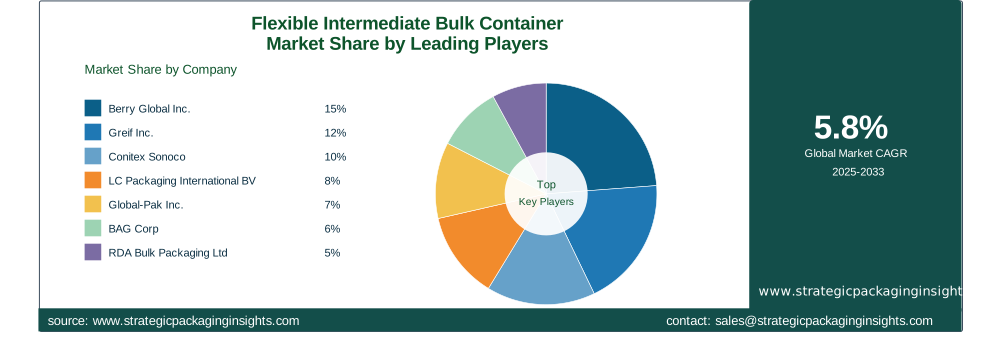
Some of the major companies operating in the FIBC market include Berry Global Inc., Greif Inc., Conitex Sonoco, LC Packaging International BV, and Global-Pak Inc. Berry Global Inc. holds a significant market share due to its extensive product range and strong distribution network. The company focuses on sustainability and innovation, offering eco-friendly FIBC solutions to meet the growing demand for green packaging.
Greif Inc. is another prominent player known for its comprehensive packaging solutions and global presence. The company emphasizes quality and safety, providing FIBCs that comply with international standards. Conitex Sonoco, with its expertise in industrial packaging, offers a wide range of FIBCs designed for various applications, ensuring high performance and reliability.
LC Packaging International BV is recognized for its commitment to sustainability and customer-centric approach. The company offers customized FIBC solutions tailored to specific industry requirements, enhancing customer satisfaction. Global-Pak Inc. is known for its innovative designs and focus on quality, providing FIBCs that meet stringent safety and performance standards.
Key Highlights
- The FIBC market is projected to grow at a CAGR of 5.8% from 2025 to 2033.
- Increasing demand for bulk packaging solutions in the food and chemical industries is driving market growth.
- Technological advancements in FIBC design are enhancing safety features and expanding application scope.
- Emerging economies present significant growth opportunities due to rapid industrialization.
- Sustainability and eco-friendly packaging are key trends shaping the market.
- Volatility in raw material prices poses a challenge for manufacturers.
- Intense competition from alternative packaging solutions can limit market expansion.
Top Countries Insights
In the FIBC market, the United States holds a significant share, with a market size of $1.2 billion and a CAGR of 6%. The country's well-established industrial base and strong demand for bulk packaging solutions in the food and chemical sectors drive market growth. Government regulations promoting sustainable packaging further support the adoption of FIBCs.
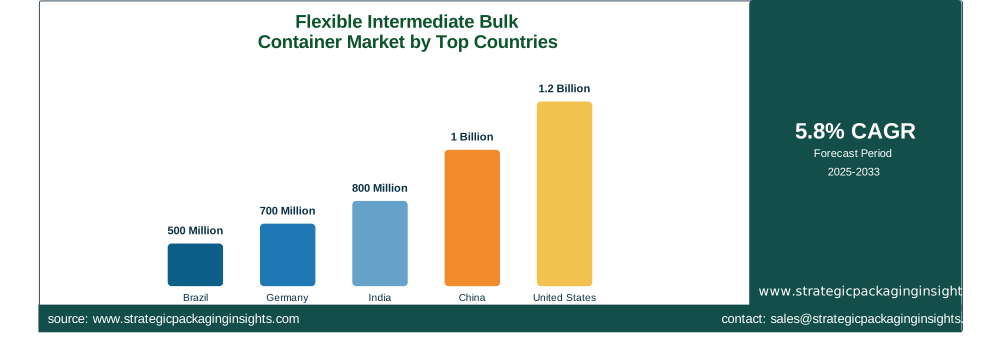
China, with a market size of $1 billion and a CAGR of 8%, is a key player in the FIBC market. The country's rapid industrialization and expanding construction sector are major growth drivers. Additionally, the increasing focus on eco-friendly packaging solutions aligns with China's environmental policies, boosting market demand.
India, with a market size of $800 million and a CAGR of 9%, presents significant growth opportunities. The country's booming agricultural and pharmaceutical sectors drive the demand for FIBCs. Government initiatives promoting industrial growth and sustainable packaging further support market expansion.
Germany, with a market size of $700 million and a CAGR of 5%, is a prominent market in Europe. The country's strong manufacturing base and emphasis on quality and safety standards drive the demand for FIBCs. The focus on sustainable packaging solutions aligns with Germany's environmental goals, supporting market growth.
Brazil, with a market size of $500 million and a CAGR of 7%, is a key market in Latin America. The country's growing agricultural sector and increasing demand for efficient logistics solutions drive the adoption of FIBCs. Government policies promoting sustainable packaging further support market growth.
Evolving Market Dynamics (2018-2024) and Strategic Foresight (2025-2033)
| Metrics | 2018-2024 | 2025-2033 |
|---|---|---|
| CAGR | 4.5% | 5.8% |
| Market Size Evolution | $3.5 billion to $4.2 billion | $4.2 billion to $7.1 billion |
| Segment Distribution Shifts | Food and Chemicals Dominant | Increased Pharmaceutical Demand |
| Regional Contribution Changes | North America and Europe Lead | Asia Pacific Gains Prominence |
| Technological Impact Factors | Basic Design Improvements | Advanced Safety Features |
| Client Demand Transformations | Standard Solutions | Customized and Sustainable Solutions |
Flexible Intermediate Bulk Container Market Segments Insights

Material Analysis
The material segment of the FIBC market is primarily dominated by polypropylene, which is favored for its durability, flexibility, and cost-effectiveness. Polypropylene FIBCs are widely used across various industries due to their ability to withstand heavy loads and harsh environmental conditions. The demand for polyethylene FIBCs is also rising, particularly in applications requiring enhanced moisture resistance and chemical stability. Manufacturers are focusing on developing innovative material blends to improve the performance and sustainability of FIBCs, catering to the growing demand for eco-friendly packaging solutions.
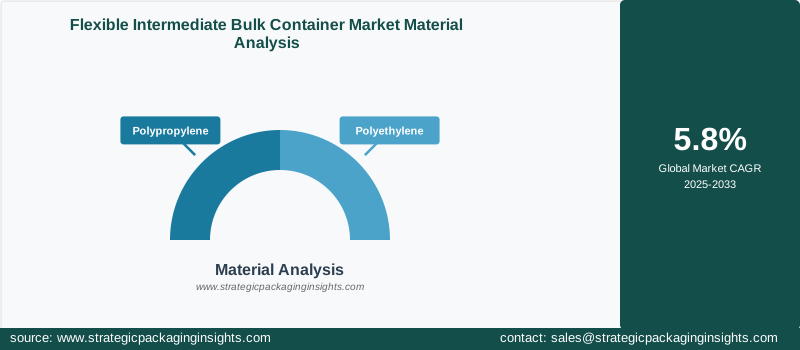
Polypropylene's dominance in the FIBC market is attributed to its superior mechanical properties and versatility. It offers excellent resistance to chemicals and UV radiation, making it suitable for outdoor storage and transportation. The increasing focus on sustainability is driving manufacturers to explore biodegradable and recyclable polypropylene alternatives, aligning with global environmental goals. The development of high-performance polypropylene variants with enhanced strength and durability is further boosting market demand.
Design Analysis
The design segment of the FIBC market includes U-panel, circular, baffle, and other designs, each offering unique advantages for specific applications. U-panel FIBCs are popular due to their cost-effectiveness and ease of manufacturing, making them suitable for a wide range of bulk packaging needs. Circular FIBCs, known for their seamless construction, provide superior strength and are preferred for transporting fine powders and granular materials. Baffle FIBCs, with their internal baffles, offer enhanced stability and shape retention, making them ideal for stacking and optimizing storage space.
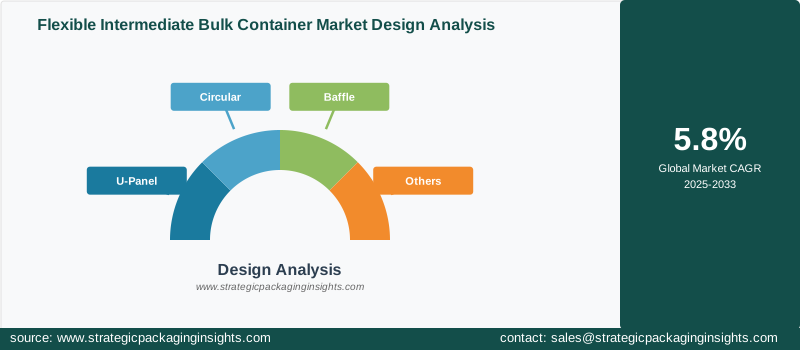
The demand for customized FIBC designs is increasing as industries seek packaging solutions tailored to their specific requirements. Manufacturers are focusing on developing innovative designs that enhance safety, efficiency, and ease of handling. The integration of advanced features such as anti-static properties, UV protection, and moisture barriers is expanding the application scope of FIBCs, driving market growth. The trend towards lightweight and space-saving designs is also gaining traction, as companies look to optimize logistics and reduce transportation costs.
End-User Analysis
The end-user segment of the FIBC market is diverse, encompassing industries such as food, chemicals, pharmaceuticals, construction, and others. The food industry is a major consumer of FIBCs, driven by the need for safe and efficient packaging solutions for bulk transportation of grains, powders, and other food products. The chemical industry also relies heavily on FIBCs for transporting hazardous and non-hazardous materials, benefiting from their durability and safety features.
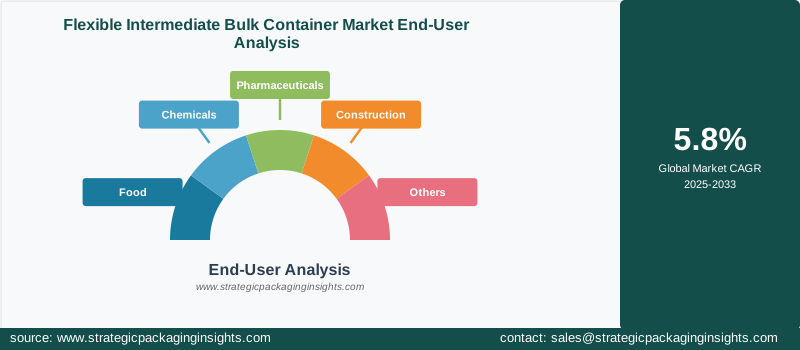
The pharmaceutical industry is emerging as a significant end-user of FIBCs, with the demand for contamination-free and secure packaging solutions on the rise. The construction industry also contributes to market growth, utilizing FIBCs for transporting construction materials such as sand, gravel, and cement. The versatility and adaptability of FIBCs make them suitable for a wide range of applications, driving their adoption across various industries.
Region Analysis
The regional analysis of the FIBC market highlights the dominance of Asia Pacific, North America, and Europe. Asia Pacific is expected to witness significant growth, driven by rapid industrialization and urbanization in countries like China and India. The increasing demand for bulk packaging solutions in the food, chemical, and construction industries is propelling market growth in this region. North America and Europe also hold substantial market shares, with well-established industrial bases and strong demand for sustainable packaging solutions.
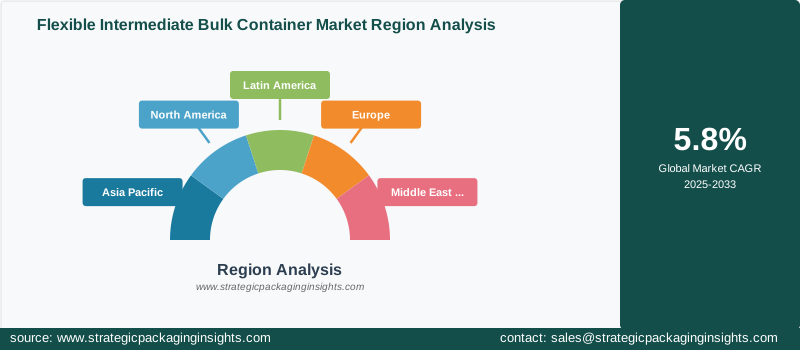
The Middle East & Africa and Latin America are emerging markets for FIBCs, with growing industrial activities and increasing focus on efficient logistics solutions. The demand for eco-friendly and cost-effective packaging solutions is driving market growth in these regions. Manufacturers are expanding their presence in these emerging markets to capitalize on the growth opportunities and strengthen their global footprint.
Flexible Intermediate Bulk Container Market Segments
The Flexible Intermediate Bulk Container market has been segmented on the basis ofMaterial
- Polypropylene
- Polyethylene
Design
- U-Panel
- Circular
- Baffle
- Others
End-User
- Food
- Chemicals
- Pharmaceuticals
- Construction
- Others
Region
- Asia Pacific
- North America
- Latin America
- Europe
- Middle East & Africa




