


Flexible End-Load Cartoner Market Outlook
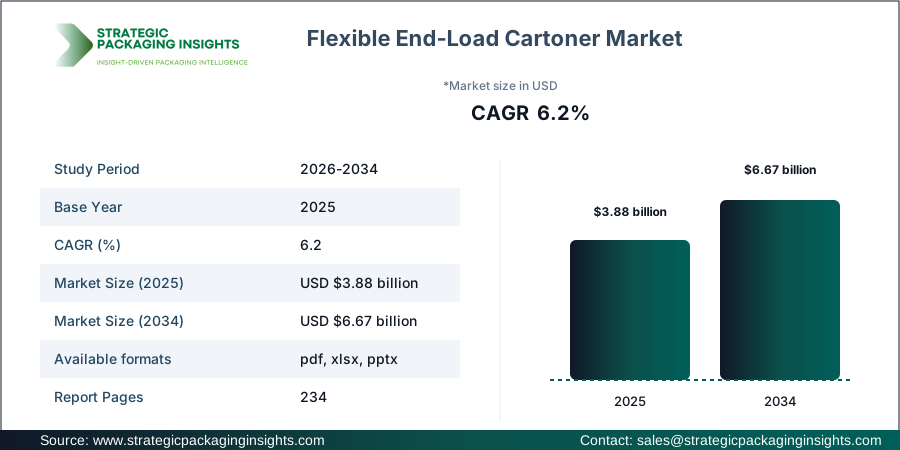
The Flexible End-Load Cartoner market was valued at $3.88 billion in 2025 and is projected to reach $6.67 billion by 2034, growing at a CAGR of 6.2% during the forecast period 2026-2034. This market is witnessing significant growth due to the increasing demand for efficient packaging solutions across various industries. The rise in consumer goods consumption, coupled with advancements in packaging technology, is driving the market forward. The demand for flexible end-load cartoners is particularly high in the food and pharmaceutical sectors, where packaging efficiency and product safety are paramount. Additionally, the trend towards automation in packaging processes is further propelling market growth, as companies seek to enhance productivity and reduce operational costs.
Despite the promising growth prospects, the market faces certain challenges that could hinder its expansion. Regulatory constraints related to packaging materials and environmental concerns are some of the key restraining factors. The industry is under pressure to adopt sustainable practices, which may require significant investment in new technologies and materials. However, these challenges also present opportunities for innovation and differentiation in the market. Companies that can develop eco-friendly packaging solutions and comply with stringent regulations are likely to gain a competitive edge. Furthermore, the growing trend of e-commerce and the need for secure and efficient packaging solutions in this sector offer additional growth potential for the flexible end-load cartoner market.
Report Scope
| Attributes | Details |
| Report Title | Flexible End-Load Cartoner Market Size, Future Growth and Forecast 2034 |
| Machine Type | End-Load, Side-Load, Wraparound |
| Automation | Semi-Automatic, Automatic |
| Application | Food, Pharma, Personal Care |
| End Use | Manufacturing, Co-Packing |
| Region | Asia Pacific, North America, Latin America, Europe, Middle East & Africa |
| Base Year | 2025 |
| Historic Period | 2018-2024 |
| Forecast Period | 2026-2034 |
| Number of Pages | 234 |
| Customization Available | Yes* |
Opportunities & Threats
The flexible end-load cartoner market presents numerous opportunities for growth, driven by the increasing demand for efficient and sustainable packaging solutions. One of the key opportunities lies in the food and beverage industry, where the need for safe and secure packaging is paramount. As consumers become more health-conscious, there is a growing demand for packaged food products that are not only safe but also environmentally friendly. This trend is pushing manufacturers to adopt flexible end-load cartoners that can handle a variety of packaging materials and formats, thereby enhancing their product offerings and meeting consumer expectations.
Another significant opportunity in the market is the rise of e-commerce, which has transformed the way products are packaged and delivered. With the increasing popularity of online shopping, there is a growing need for packaging solutions that can ensure the safe and efficient delivery of products. Flexible end-load cartoners are well-suited to meet this demand, as they offer versatility and efficiency in packaging a wide range of products. Additionally, the trend towards automation in packaging processes presents an opportunity for manufacturers to invest in advanced cartoning solutions that can enhance productivity and reduce operational costs.
However, the market also faces certain threats that could impact its growth. One of the primary challenges is the stringent regulatory environment surrounding packaging materials and processes. Governments around the world are implementing strict regulations to ensure the safety and sustainability of packaging solutions, which can pose a challenge for manufacturers. Additionally, the high cost of advanced packaging technologies and the need for significant investment in research and development can be a barrier for smaller companies looking to enter the market. Despite these challenges, companies that can navigate the regulatory landscape and invest in innovative solutions are likely to succeed in the competitive flexible end-load cartoner market.
Drivers & Challenges
The flexible end-load cartoner market is driven by several key factors, including the increasing demand for efficient and versatile packaging solutions. One of the primary drivers is the growing consumer preference for packaged food and beverage products, which has led to a surge in demand for advanced packaging technologies. Flexible end-load cartoners offer the versatility and efficiency needed to meet this demand, as they can handle a wide range of packaging materials and formats. Additionally, the trend towards automation in packaging processes is driving the adoption of flexible end-load cartoners, as companies seek to enhance productivity and reduce operational costs.
Another significant driver of the market is the increasing focus on sustainability and environmental responsibility. As consumers become more environmentally conscious, there is a growing demand for packaging solutions that are not only efficient but also eco-friendly. Flexible end-load cartoners are well-suited to meet this demand, as they can accommodate a variety of sustainable packaging materials and formats. Furthermore, the rise of e-commerce and the need for secure and efficient packaging solutions in this sector are driving the adoption of flexible end-load cartoners, as they offer the versatility and efficiency needed to meet the demands of online retailers.
Despite the promising growth prospects, the market faces certain challenges that could hinder its expansion. One of the primary challenges is the high cost of advanced packaging technologies, which can be a barrier for smaller companies looking to enter the market. Additionally, the stringent regulatory environment surrounding packaging materials and processes can pose a challenge for manufacturers, as they must comply with a wide range of regulations to ensure the safety and sustainability of their products. However, companies that can navigate these challenges and invest in innovative solutions are likely to succeed in the competitive flexible end-load cartoner market.
Market Share Analysis
The competitive landscape of the flexible end-load cartoner market is characterized by the presence of several key players who are driving innovation and growth in the industry. These companies are focused on developing advanced packaging solutions that meet the evolving needs of consumers and businesses. The market is highly competitive, with companies vying for market share through product innovation, strategic partnerships, and mergers and acquisitions. The leading players in the market include Syntegon, Marchesini, IMA Group, Cama, ADCO, ProMach, Douglas Machine, Bosch Packaging, Accutek, and Yaobang.
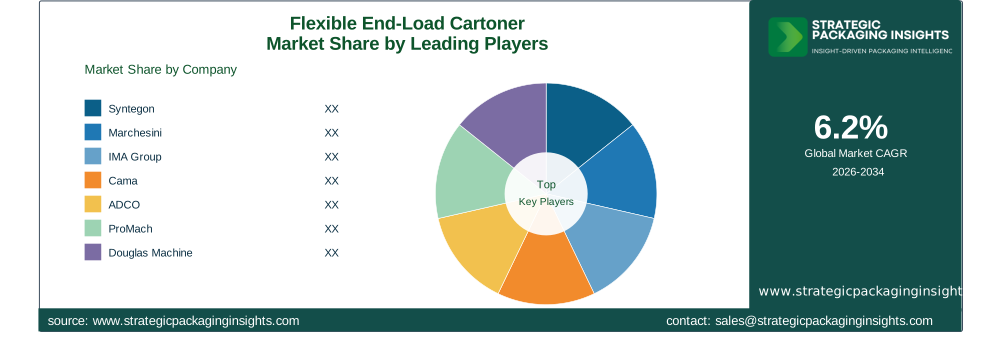
Syntegon is a major player in the flexible end-load cartoner market, known for its innovative packaging solutions and strong focus on sustainability. The company has a significant market share and is committed to developing eco-friendly packaging solutions that meet the needs of its customers. Marchesini is another key player in the market, offering a wide range of packaging solutions for the pharmaceutical and food industries. The company is known for its advanced technology and commitment to quality, which has helped it maintain a strong position in the market.
IMA Group is a leading provider of packaging solutions, with a strong focus on innovation and customer satisfaction. The company has a significant market share and is known for its advanced packaging technologies and commitment to sustainability. Cama is another major player in the market, offering a wide range of packaging solutions for the food and beverage industry. The company is known for its innovative approach to packaging and strong focus on customer satisfaction.
ADCO and ProMach are also key players in the flexible end-load cartoner market, known for their advanced packaging solutions and strong focus on innovation. These companies have a significant market share and are committed to developing packaging solutions that meet the evolving needs of their customers. Douglas Machine, Bosch Packaging, Accutek, and Yaobang are also important players in the market, offering a wide range of packaging solutions for various industries. These companies are focused on developing innovative packaging solutions that meet the needs of their customers and help them maintain a competitive edge in the market.
Key Highlights
- The flexible end-load cartoner market is projected to grow at a CAGR of 6.2% from 2026 to 2034.
- The market is driven by the increasing demand for efficient and versatile packaging solutions in the food and pharmaceutical industries.
- The rise of e-commerce is creating new opportunities for flexible end-load cartoners, as they offer the versatility and efficiency needed for online retail packaging.
- Automation in packaging processes is a key trend driving the adoption of flexible end-load cartoners, as companies seek to enhance productivity and reduce operational costs.
- Sustainability is a major focus in the market, with companies investing in eco-friendly packaging solutions to meet consumer demand.
- The market is highly competitive, with key players such as Syntegon, Marchesini, and IMA Group driving innovation and growth.
- Regulatory constraints and the high cost of advanced packaging technologies are some of the key challenges facing the market.
- Companies that can navigate the regulatory landscape and invest in innovative solutions are likely to succeed in the competitive market.
- The market is characterized by the presence of several key players who are focused on developing advanced packaging solutions to meet the evolving needs of consumers and businesses.
Top Countries Insights
In the flexible end-load cartoner market, the United States holds a significant share due to its advanced manufacturing capabilities and strong demand from the food and pharmaceutical sectors. The market size in the U.S. is substantial, with a CAGR of 5% driven by technological advancements and a focus on automation. The regulatory environment in the U.S. also supports innovation, providing a conducive atmosphere for market growth.
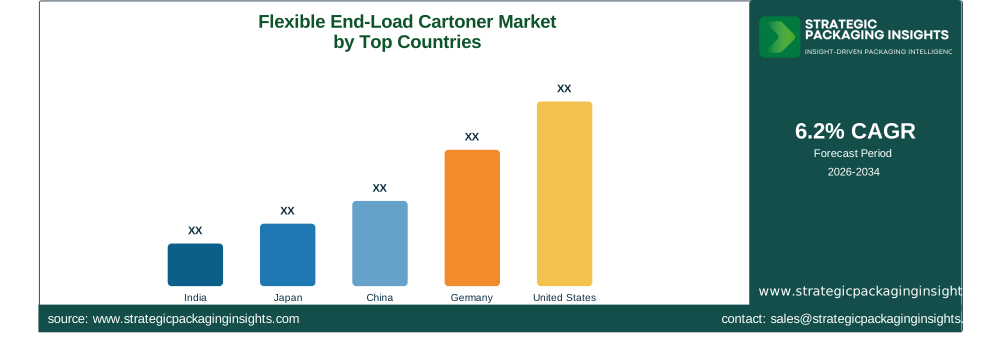
Germany is another key player in the market, with a robust manufacturing sector and a strong focus on sustainability. The market in Germany is growing at a CAGR of 4%, driven by the demand for eco-friendly packaging solutions and the country's commitment to environmental responsibility. The presence of leading packaging companies in Germany further boosts the market's growth prospects.
China is experiencing rapid growth in the flexible end-load cartoner market, with a CAGR of 7%. The country's booming e-commerce sector and increasing consumer demand for packaged goods are key drivers of this growth. Additionally, government initiatives to promote sustainable packaging practices are encouraging companies to invest in advanced packaging technologies.
In Japan, the market is characterized by a strong focus on innovation and technology. The market is growing at a CAGR of 3%, driven by the demand for high-quality packaging solutions in the food and pharmaceutical industries. Japan's commitment to technological advancement and quality assurance makes it a key player in the global market.
India is emerging as a significant market for flexible end-load cartoners, with a CAGR of 6%. The country's growing middle class and increasing demand for packaged goods are driving market growth. Additionally, government initiatives to promote manufacturing and packaging industries are providing a boost to the market.
Flexible End-Load Cartoner Market Segments Insights

Machine Type Analysis
The flexible end-load cartoner market is segmented by machine type into end-load, side-load, and wraparound. End-load cartoners are the most widely used due to their versatility and efficiency in handling a variety of packaging formats. These machines are particularly popular in the food and pharmaceutical industries, where they offer the flexibility needed to accommodate different product sizes and shapes. The demand for end-load cartoners is driven by the need for efficient and cost-effective packaging solutions that can enhance productivity and reduce operational costs.
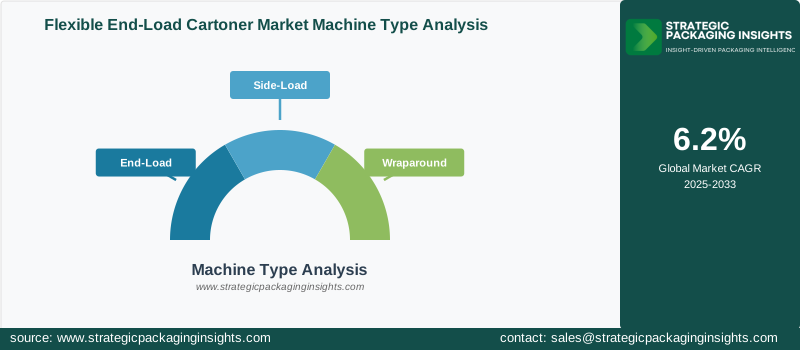
Side-load cartoners are also gaining traction in the market, particularly in the personal care and cosmetics industries. These machines offer the advantage of easy loading and unloading, making them ideal for packaging delicate and high-value products. The growing demand for premium packaging solutions in these industries is driving the adoption of side-load cartoners, as companies seek to enhance the presentation and protection of their products.
Wraparound cartoners are used in applications where high-speed and high-volume packaging is required. These machines are popular in the beverage industry, where they offer the efficiency needed to handle large quantities of products. The demand for wraparound cartoners is driven by the need for efficient and reliable packaging solutions that can meet the demands of high-volume production environments.
Automation Analysis
The flexible end-load cartoner market is segmented by automation into semi-automatic and automatic machines. Automatic cartoners are the most widely used, as they offer the advantage of enhanced productivity and reduced labor costs. These machines are particularly popular in the food and pharmaceutical industries, where the demand for high-speed and high-volume packaging solutions is high. The trend towards automation in packaging processes is driving the adoption of automatic cartoners, as companies seek to enhance efficiency and reduce operational costs.
Semi-automatic cartoners are also used in the market, particularly in applications where flexibility and customization are required. These machines offer the advantage of manual intervention, allowing operators to adjust the packaging process to meet specific requirements. The demand for semi-automatic cartoners is driven by the need for flexible and customizable packaging solutions that can accommodate a variety of product sizes and shapes.
The trend towards automation in packaging processes is expected to continue, as companies seek to enhance productivity and reduce operational costs. The adoption of advanced technologies such as robotics and artificial intelligence is expected to drive the growth of the automatic cartoner segment, as companies seek to enhance efficiency and reduce labor costs.
Application Analysis
The flexible end-load cartoner market is segmented by application into food, pharma, and personal care. The food industry is the largest application segment, driven by the increasing demand for packaged food products. The need for efficient and versatile packaging solutions in the food industry is driving the adoption of flexible end-load cartoners, as companies seek to enhance productivity and reduce operational costs. The trend towards convenience and ready-to-eat food products is also driving the demand for flexible end-load cartoners, as companies seek to meet consumer demand for convenient and easy-to-use packaging solutions.
The pharmaceutical industry is another key application segment, driven by the need for safe and secure packaging solutions. The demand for flexible end-load cartoners in the pharmaceutical industry is driven by the need for efficient and reliable packaging solutions that can ensure the safety and integrity of pharmaceutical products. The trend towards automation in packaging processes is also driving the adoption of flexible end-load cartoners in the pharmaceutical industry, as companies seek to enhance productivity and reduce operational costs.
The personal care industry is also a significant application segment, driven by the demand for premium and high-quality packaging solutions. The need for flexible and customizable packaging solutions in the personal care industry is driving the adoption of flexible end-load cartoners, as companies seek to enhance the presentation and protection of their products. The trend towards premium and luxury packaging solutions is also driving the demand for flexible end-load cartoners in the personal care industry.
End Use Analysis
The flexible end-load cartoner market is segmented by end use into manufacturing and co-packing. The manufacturing segment is the largest end-use segment, driven by the need for efficient and reliable packaging solutions in the manufacturing industry. The demand for flexible end-load cartoners in the manufacturing industry is driven by the need for high-speed and high-volume packaging solutions that can enhance productivity and reduce operational costs. The trend towards automation in manufacturing processes is also driving the adoption of flexible end-load cartoners, as companies seek to enhance efficiency and reduce labor costs.
The co-packing segment is also a significant end-use segment, driven by the need for flexible and customizable packaging solutions. The demand for flexible end-load cartoners in the co-packing industry is driven by the need for versatile and efficient packaging solutions that can accommodate a variety of product sizes and shapes. The trend towards outsourcing packaging operations to co-packers is also driving the demand for flexible end-load cartoners, as companies seek to enhance efficiency and reduce operational costs.
The trend towards outsourcing packaging operations to co-packers is expected to continue, as companies seek to enhance efficiency and reduce operational costs. The adoption of advanced technologies such as robotics and artificial intelligence is expected to drive the growth of the co-packing segment, as companies seek to enhance efficiency and reduce labor costs.
Flexible End-Load Cartoner Market Segments
The Flexible End-Load Cartoner market has been segmented on the basis ofMachine Type
- End-Load
- Side-Load
- Wraparound
Automation
- Semi-Automatic
- Automatic
Application
- Food
- Pharma
- Personal Care
End Use
- Manufacturing
- Co-Packing
Region
- Asia Pacific
- North America
- Latin America
- Europe
- Middle East & Africa




