


Flat Bottom Pouch Market Outlook
The Flat Bottom Pouch market was valued at $51.43 billion in 2025 and is projected to reach $81.40 billion by 2034, growing at a CAGR of 5.2% during the forecast period 2026-2034. This market is experiencing significant growth due to the increasing demand for convenient and sustainable packaging solutions. The versatility of flat bottom pouches, which offer enhanced shelf appeal and efficient storage, is driving their adoption across various industries such as food and beverages, pet food, and pharmaceuticals. The rise in e-commerce and the need for lightweight packaging solutions are further propelling market growth. Additionally, advancements in packaging technology and the increasing focus on reducing plastic waste are expected to create lucrative opportunities for market players.
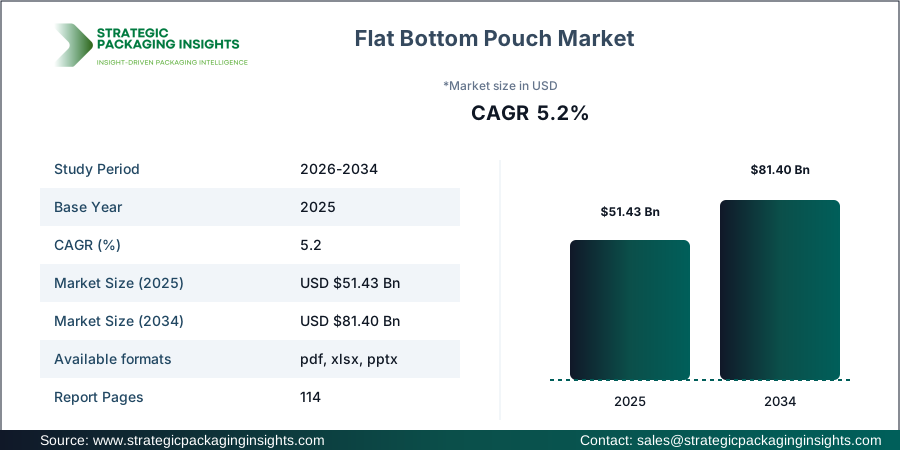
Despite the promising growth prospects, the Flat Bottom Pouch market faces certain challenges. Regulatory restrictions on plastic usage and the high cost of raw materials are some of the key restraints that could hinder market expansion. However, the growing trend towards eco-friendly packaging and the development of biodegradable materials are expected to mitigate these challenges. The market also holds potential for growth in emerging economies, where the demand for packaged food and beverages is on the rise. Overall, the Flat Bottom Pouch market is poised for steady growth, driven by innovation and the increasing demand for sustainable packaging solutions.
Report Scope
| Attributes | Details |
| Report Title | Flat Bottom Pouch Market Size, Future Growth and Forecast 2034 |
| By Packaging Type | flat bottom pouches, box pouches, zipper flat bottom pouches |
| By Material Type | plastic laminates, paper laminates, foil laminates |
| By Application | coffee, pet food, snacks, dry foods, nutraceuticals |
| By Closure Type | zipper, valve, heat seal, tin tie |
| Region | Asia Pacific, North America, Latin America, Europe, Middle East & Africa |
| Base Year | 2025 |
| Historic Period | 2018-2024 |
| Forecast Period | 2026-2034 |
| Number of Pages | 114 |
| Customization Available | Yes* |
Opportunities & Threats
The Flat Bottom Pouch market presents numerous opportunities for growth, particularly in the realm of sustainable packaging. As consumers become more environmentally conscious, there is a growing demand for packaging solutions that minimize environmental impact. This trend is driving innovation in the development of biodegradable and recyclable materials for flat bottom pouches. Companies that invest in sustainable packaging technologies are likely to gain a competitive edge in the market. Additionally, the rise of e-commerce and the increasing popularity of online grocery shopping are creating new opportunities for flat bottom pouches, which are ideal for shipping due to their lightweight and durable nature.
Another significant opportunity lies in the expanding food and beverage industry, particularly in emerging markets. As disposable incomes rise and consumer preferences shift towards convenience foods, the demand for flexible packaging solutions like flat bottom pouches is expected to increase. The versatility of these pouches, which can be used for a wide range of products from snacks to pet food, makes them an attractive option for manufacturers looking to enhance their product offerings. Furthermore, advancements in printing technology are enabling companies to create eye-catching designs that enhance brand visibility and appeal to consumers.
However, the market also faces threats that could impact its growth trajectory. One of the primary challenges is the stringent regulations surrounding plastic usage, which could limit the adoption of plastic-based flat bottom pouches. Additionally, fluctuations in raw material prices can affect production costs and profit margins for manufacturers. The competitive landscape is also becoming increasingly crowded, with numerous players vying for market share. Companies must continuously innovate and differentiate their products to stay ahead in this competitive market.
Drivers & Challenges
The Flat Bottom Pouch market is driven by several key factors, including the growing demand for convenient and sustainable packaging solutions. Consumers are increasingly seeking packaging that is easy to use, store, and dispose of, which has led to a surge in demand for flat bottom pouches. These pouches offer several advantages, such as enhanced shelf stability, efficient storage, and improved product visibility, making them a popular choice among manufacturers and consumers alike. Additionally, the rise of e-commerce and the increasing popularity of online shopping are driving the demand for lightweight and durable packaging solutions, further boosting the market for flat bottom pouches.
Another significant driver of the market is the increasing focus on sustainability and environmental responsibility. As concerns about plastic waste and environmental impact grow, there is a rising demand for eco-friendly packaging solutions. Flat bottom pouches, which can be made from biodegradable and recyclable materials, are gaining traction as a sustainable alternative to traditional packaging options. Companies that invest in sustainable packaging technologies are likely to benefit from this trend and gain a competitive advantage in the market. Furthermore, advancements in packaging technology, such as improved barrier properties and enhanced printing capabilities, are driving innovation and expanding the applications of flat bottom pouches.
Despite the positive drivers, the Flat Bottom Pouch market faces several challenges that could impact its growth. One of the primary challenges is the regulatory environment surrounding plastic usage, which could limit the adoption of plastic-based flat bottom pouches. Additionally, fluctuations in raw material prices can affect production costs and profit margins for manufacturers. The competitive landscape is also becoming increasingly crowded, with numerous players vying for market share. Companies must continuously innovate and differentiate their products to stay ahead in this competitive market. Furthermore, the high cost of raw materials and the complexity of the manufacturing process can pose challenges for new entrants looking to enter the market.
Market Share Analysis
The Flat Bottom Pouch market is characterized by a competitive landscape with several key players vying for market share. Leading companies in the market include Amcor, Mondi, ProAmpac, Huhtamaki, Constantia Flexibles, Berry Global, Glenroy, Coveris, Printpack, and ePac Flexible Packaging. These companies are focusing on strategic initiatives such as mergers and acquisitions, product innovation, and expansion into new markets to strengthen their market position. The competitive landscape is further intensified by the presence of numerous regional and local players, who are offering innovative and cost-effective solutions to cater to the growing demand for flat bottom pouches.
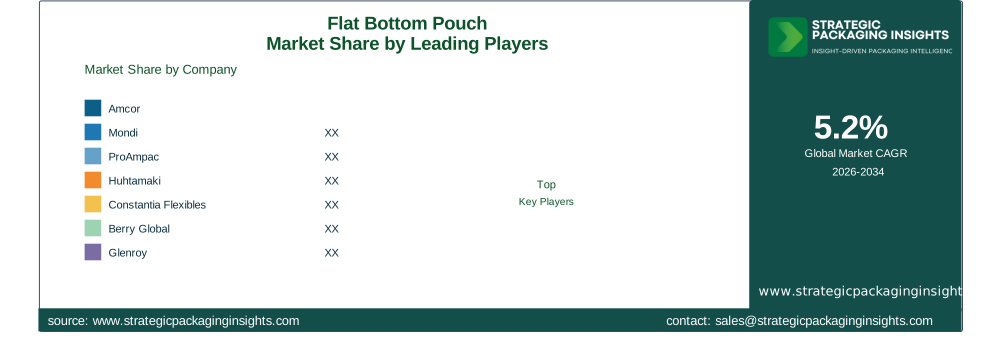
Amcor is one of the leading players in the Flat Bottom Pouch market, known for its innovative packaging solutions and strong focus on sustainability. The company has a significant market share and is continuously investing in research and development to enhance its product offerings. Mondi is another major player, offering a wide range of flexible packaging solutions, including flat bottom pouches. The company is committed to sustainability and has been actively working towards reducing its environmental footprint through the development of eco-friendly packaging materials.
ProAmpac is a key player in the market, known for its innovative packaging solutions and strong focus on customer satisfaction. The company offers a diverse range of flat bottom pouches and is continuously expanding its product portfolio to meet the evolving needs of its customers. Huhtamaki is another prominent player, offering a wide range of packaging solutions for the food and beverage industry. The company is focused on sustainability and has been actively investing in the development of biodegradable and recyclable packaging materials.
Constantia Flexibles, Berry Global, Glenroy, Coveris, Printpack, and ePac Flexible Packaging are also significant players in the market, each with their unique strengths and market strategies. These companies are focusing on product innovation, strategic partnerships, and expansion into new markets to enhance their market presence and gain a competitive edge. The competitive landscape of the Flat Bottom Pouch market is dynamic, with companies continuously striving to innovate and differentiate their products to meet the growing demand for sustainable and convenient packaging solutions.
Key Highlights
- The Flat Bottom Pouch market is projected to grow from $51.43 billion in 2025 to $81.40 billion by 2034, at a CAGR of 5.2%.
- Increasing demand for sustainable and eco-friendly packaging solutions is driving market growth.
- Advancements in packaging technology are enhancing the functionality and appeal of flat bottom pouches.
- The rise of e-commerce and online grocery shopping is boosting demand for lightweight and durable packaging solutions.
- Regulatory restrictions on plastic usage pose a challenge to market growth.
- Emerging markets offer significant growth opportunities due to rising disposable incomes and changing consumer preferences.
- Key players in the market include Amcor, Mondi, ProAmpac, Huhtamaki, and Constantia Flexibles.
- Companies are focusing on product innovation and strategic partnerships to gain a competitive edge.
- The market is characterized by a competitive landscape with numerous regional and local players.
Top Countries Insights
In the Flat Bottom Pouch market, the United States is a leading player, with a market size of approximately $12 billion and a CAGR of 4%. The country's strong focus on sustainability and innovation in packaging technology is driving market growth. The demand for convenient and eco-friendly packaging solutions is on the rise, supported by the growing e-commerce sector and changing consumer preferences. However, regulatory restrictions on plastic usage pose a challenge to market expansion.
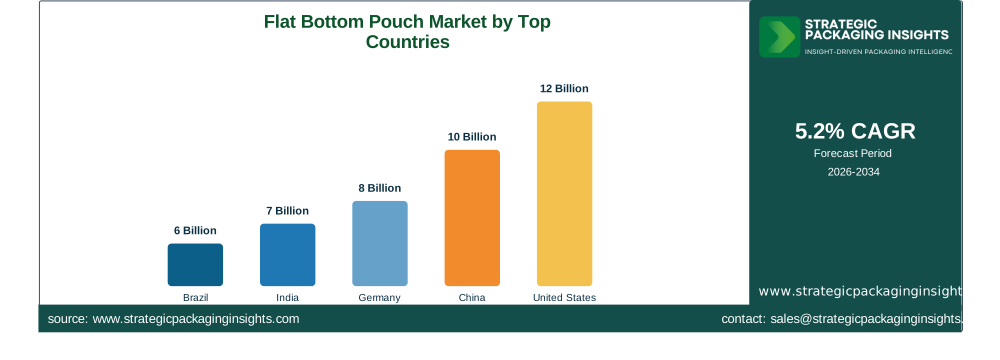
China is another significant market, with a market size of around $10 billion and a CAGR of 6%. The country's booming food and beverage industry, coupled with rising disposable incomes, is driving demand for flexible packaging solutions like flat bottom pouches. The government's focus on reducing plastic waste and promoting sustainable packaging is further supporting market growth. However, the competitive landscape is intense, with numerous local players vying for market share.
Germany is a key market in Europe, with a market size of approximately $8 billion and a CAGR of 5%. The country's strong emphasis on sustainability and environmental responsibility is driving demand for eco-friendly packaging solutions. The rise of e-commerce and the increasing popularity of online grocery shopping are also boosting demand for flat bottom pouches. However, stringent regulations on plastic usage and high production costs pose challenges to market growth.
India is an emerging market with significant growth potential, with a market size of around $7 billion and a CAGR of 7%. The country's growing middle class and changing consumer preferences are driving demand for convenient and sustainable packaging solutions. The government's initiatives to promote sustainable packaging and reduce plastic waste are further supporting market growth. However, the market faces challenges such as high production costs and a lack of infrastructure for recycling.
Brazil is a key market in Latin America, with a market size of approximately $6 billion and a CAGR of 5%. The country's expanding food and beverage industry and rising disposable incomes are driving demand for flexible packaging solutions. The government's focus on sustainability and reducing plastic waste is also supporting market growth. However, economic instability and fluctuations in raw material prices pose challenges to market expansion.
Flat Bottom Pouch Market Segments Insights

Packaging Type Analysis
The Flat Bottom Pouch market is segmented by packaging type into flat bottom pouches, box pouches, and zipper flat bottom pouches. Flat bottom pouches are gaining popularity due to their enhanced shelf stability and efficient storage capabilities. These pouches offer a unique combination of functionality and aesthetics, making them an attractive option for manufacturers looking to enhance their product offerings. Box pouches, on the other hand, are known for their versatility and ability to stand upright, making them ideal for a wide range of applications, from food and beverages to pet food. Zipper flat bottom pouches are also gaining traction, offering the added convenience of resealability, which is highly valued by consumers.
The demand for flat bottom pouches is driven by the growing need for convenient and sustainable packaging solutions. These pouches offer several advantages, such as improved product visibility, efficient storage, and enhanced shelf appeal, making them a popular choice among manufacturers and consumers alike. Additionally, advancements in packaging technology, such as improved barrier properties and enhanced printing capabilities, are driving innovation and expanding the applications of flat bottom pouches. The rise of e-commerce and the increasing popularity of online shopping are also boosting demand for lightweight and durable packaging solutions, further propelling the market for flat bottom pouches.
Material Type Analysis
The Flat Bottom Pouch market is segmented by material type into plastic laminates, paper laminates, and foil laminates. Plastic laminates are the most commonly used material, offering excellent barrier properties and durability. However, the growing focus on sustainability and environmental responsibility is driving demand for alternative materials, such as paper and foil laminates. Paper laminates are gaining popularity due to their eco-friendly nature and recyclability, making them an attractive option for companies looking to reduce their environmental footprint. Foil laminates, on the other hand, offer superior barrier properties and are ideal for applications that require extended shelf life.
The demand for sustainable packaging solutions is driving innovation in the development of biodegradable and recyclable materials for flat bottom pouches. Companies that invest in sustainable packaging technologies are likely to gain a competitive edge in the market. Additionally, advancements in material science are enabling the development of new materials with improved barrier properties and enhanced functionality, further expanding the applications of flat bottom pouches. The regulatory environment surrounding plastic usage is also influencing material choices, with companies increasingly opting for eco-friendly alternatives to comply with regulations and meet consumer demand for sustainable packaging solutions.
Application Analysis
The Flat Bottom Pouch market is segmented by application into coffee, pet food, snacks, dry foods, and nutraceuticals. The demand for flat bottom pouches is driven by the growing need for convenient and sustainable packaging solutions across various industries. In the coffee segment, flat bottom pouches are gaining popularity due to their ability to preserve freshness and enhance product visibility. The pet food segment is also experiencing significant growth, with manufacturers increasingly opting for flat bottom pouches to enhance shelf appeal and improve storage efficiency.
The snacks and dry foods segments are also driving demand for flat bottom pouches, as consumers increasingly seek convenient and portable packaging solutions. The versatility of flat bottom pouches, which can be used for a wide range of products, makes them an attractive option for manufacturers looking to enhance their product offerings. The nutraceuticals segment is also experiencing growth, with flat bottom pouches offering an ideal packaging solution for products that require extended shelf life and enhanced barrier properties. Overall, the demand for flat bottom pouches is driven by the growing need for convenient and sustainable packaging solutions across various industries.
Closure Type Analysis
The Flat Bottom Pouch market is segmented by closure type into zipper, valve, heat seal, and tin tie. Zipper closures are gaining popularity due to their convenience and resealability, which is highly valued by consumers. Valve closures are also gaining traction, particularly in the coffee segment, where they help preserve freshness and enhance product quality. Heat seal closures are commonly used in applications that require a secure and tamper-evident seal, while tin tie closures are popular in the bakery and confectionery segments, offering a convenient and reusable closure option.
The demand for convenient and user-friendly packaging solutions is driving innovation in closure technologies. Companies are increasingly investing in the development of new closure systems that enhance functionality and improve consumer experience. Additionally, advancements in packaging technology are enabling the development of closures with improved barrier properties and enhanced resealability, further expanding the applications of flat bottom pouches. The rise of e-commerce and the increasing popularity of online shopping are also boosting demand for packaging solutions with convenient and secure closures, further propelling the market for flat bottom pouches.
Flat Bottom Pouch Market Segments
The Flat Bottom Pouch market has been segmented on the basis ofBy Packaging Type
- flat bottom pouches
- box pouches
- zipper flat bottom pouches
By Material Type
- plastic laminates
- paper laminates
- foil laminates
By Application
- coffee
- pet food
- snacks
- dry foods
- nutraceuticals
By Closure Type
- zipper
- valve
- heat seal
- tin tie
Region
- Asia Pacific
- North America
- Latin America
- Europe
- Middle East & Africa




