


Fiber Bottle Market Outlook
The Fiber Bottle market was valued at $2.77 billion in 2025 and is projected to reach $5.19 billion by 2034, growing at a CAGR of 7.2% during the forecast period 2026-2034. This market is witnessing significant growth due to the increasing demand for sustainable packaging solutions. As consumers become more environmentally conscious, the shift from traditional plastic bottles to fiber-based alternatives is gaining momentum. The market is driven by advancements in material technology, which have improved the durability and functionality of fiber bottles, making them a viable option for various applications. Additionally, the growing emphasis on reducing carbon footprints and the implementation of stringent environmental regulations are further propelling the market growth.
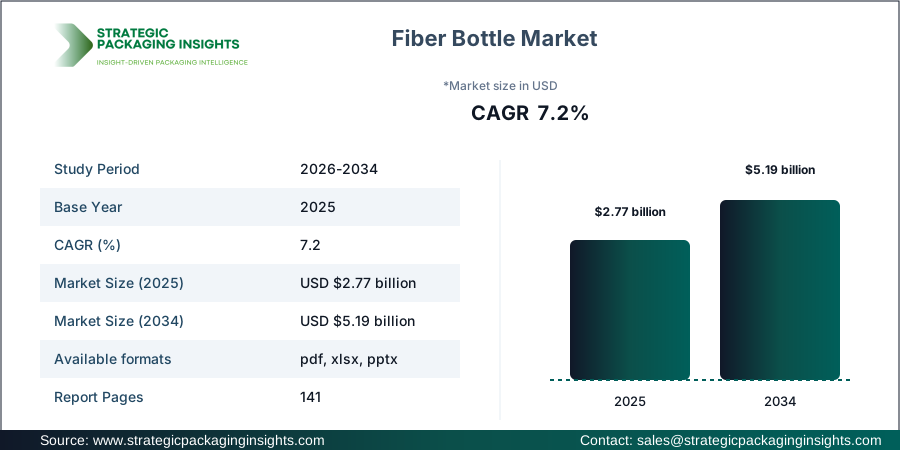
Despite the promising growth prospects, the Fiber Bottle market faces certain challenges. The high cost of production compared to conventional plastic bottles is a significant restraint. Moreover, the limited availability of raw materials and the complexity involved in the manufacturing process pose additional hurdles. However, with ongoing research and development activities aimed at cost reduction and process optimization, the market holds substantial growth potential. The increasing collaborations between packaging companies and beverage brands to develop innovative fiber bottle solutions are expected to create lucrative opportunities in the coming years.
Report Scope
| Attributes | Details |
| Report Title | Fiber Bottle Market Size, Future Growth and Forecast 2034 |
| Material Type | Molded Fiber, Paperboard, Pulp-Based Composite, Bio-Coated Fiber |
| Application | Water, Spirits, Personal Care, Household Liquids |
| Closure Type | Screw Cap, Snap Cap, Pump Closure, Dispensing Closure |
| End Use | Beverage Brands, Cosmetics, Homecare, Retail |
| Region | Asia Pacific, North America, Latin America, Europe, Middle East & Africa |
| Base Year | 2025 |
| Historic Period | 2018-2024 |
| Forecast Period | 2026-2034 |
| Number of Pages | 141 |
| Customization Available | Yes* |
Opportunities & Threats
The Fiber Bottle market presents numerous opportunities, primarily driven by the rising consumer preference for eco-friendly packaging solutions. As awareness about environmental sustainability grows, consumers are increasingly opting for products packaged in biodegradable and recyclable materials. This shift in consumer behavior is encouraging manufacturers to invest in the development of fiber bottles, which offer a sustainable alternative to plastic. Additionally, the increasing adoption of fiber bottles by major beverage brands is expected to drive market growth. These brands are actively seeking to enhance their brand image by aligning with sustainable practices, thereby creating a significant demand for fiber bottles.
Another opportunity lies in the technological advancements in fiber bottle manufacturing. Innovations in material science have led to the development of fiber bottles with enhanced barrier properties, making them suitable for a wider range of applications, including alcoholic beverages and personal care products. The integration of smart technologies, such as QR codes and NFC tags, into fiber bottles is also gaining traction, providing brands with an opportunity to engage with consumers and offer personalized experiences. Furthermore, the expansion of e-commerce and the increasing demand for sustainable packaging in online retail present additional growth avenues for the Fiber Bottle market.
However, the market is not without its threats. The high cost of production remains a significant challenge, as it limits the widespread adoption of fiber bottles, particularly among small and medium-sized enterprises. Additionally, the lack of standardized regulations and certifications for fiber bottles poses a threat to market growth. The absence of clear guidelines regarding the recyclability and compostability of fiber bottles can lead to consumer skepticism and hinder market expansion. Moreover, the competition from alternative sustainable packaging solutions, such as glass and aluminum, presents a threat to the Fiber Bottle market.
Drivers & Challenges
The Fiber Bottle market is primarily driven by the increasing demand for sustainable packaging solutions. As environmental concerns continue to rise, consumers and businesses alike are seeking alternatives to traditional plastic packaging. Fiber bottles, made from renewable and biodegradable materials, offer a viable solution to reduce plastic waste and minimize environmental impact. The growing awareness about the harmful effects of plastic pollution and the need for sustainable practices are driving the adoption of fiber bottles across various industries, including beverages, personal care, and household products.
Another key driver is the supportive regulatory environment. Governments and regulatory bodies worldwide are implementing stringent regulations to curb plastic usage and promote sustainable packaging solutions. These regulations are encouraging manufacturers to invest in the development of fiber bottles and other eco-friendly packaging alternatives. Additionally, the increasing collaborations between packaging companies and beverage brands to develop innovative fiber bottle solutions are further propelling market growth. The focus on reducing carbon footprints and enhancing brand image through sustainable practices is driving the demand for fiber bottles.
Despite the positive drivers, the Fiber Bottle market faces several challenges. The high cost of production compared to conventional plastic bottles is a significant barrier to market growth. The complex manufacturing process and the limited availability of raw materials contribute to the higher production costs. Additionally, the lack of standardized regulations and certifications for fiber bottles poses a challenge to market expansion. The absence of clear guidelines regarding the recyclability and compostability of fiber bottles can lead to consumer skepticism and hinder market growth. Furthermore, the competition from alternative sustainable packaging solutions, such as glass and aluminum, presents a challenge to the Fiber Bottle market.
Market Share Analysis
The Fiber Bottle market is characterized by a competitive landscape with several key players vying for market share. Companies such as Pulpex, Paboco, Frugalpac, Paper Water Bottle, Stora Enso, Billerud, Graphic Packaging, Smurfit Kappa, WestRock, and Huhtamaki are at the forefront of the market, driving innovation and development in fiber bottle solutions. These companies are focusing on strategic partnerships, collaborations, and product innovations to strengthen their market position and expand their customer base.
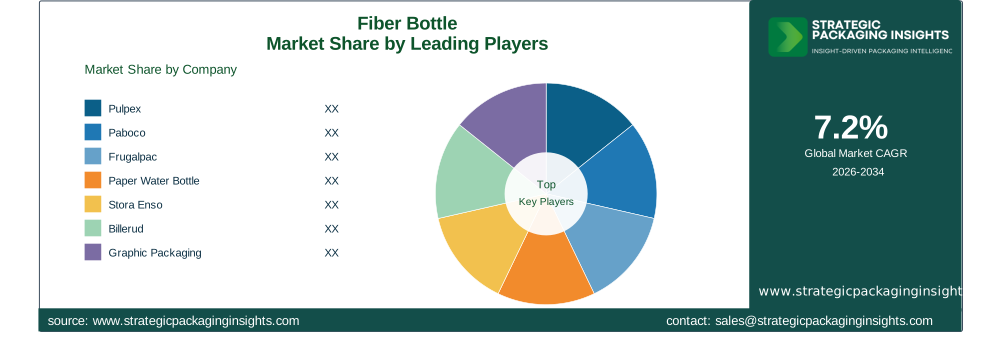
Pulpex, a leading player in the Fiber Bottle market, is known for its innovative approach to sustainable packaging. The company has developed a patented technology for producing fiber bottles that are both biodegradable and recyclable. Pulpex's collaboration with major beverage brands has further solidified its position in the market. Similarly, Paboco, a joint venture between BillerudKorsnäs and ALPLA, is making significant strides in the development of paper-based bottles. The company's focus on sustainability and innovation has earned it a prominent position in the market.
Frugalpac, another key player, is renowned for its Frugal Bottle, which is made from recycled paperboard and has a significantly lower carbon footprint compared to traditional glass bottles. The company's commitment to sustainability and its innovative product offerings have contributed to its success in the Fiber Bottle market. Paper Water Bottle, a pioneer in the development of paper-based bottles, is also a major player in the market. The company's focus on creating eco-friendly packaging solutions has garnered attention from both consumers and businesses.
Stora Enso, a global leader in renewable materials, is actively involved in the development of fiber-based packaging solutions. The company's expertise in material science and its commitment to sustainability have positioned it as a key player in the Fiber Bottle market. Similarly, Billerud, Graphic Packaging, Smurfit Kappa, WestRock, and Huhtamaki are leveraging their extensive experience in packaging to develop innovative fiber bottle solutions. These companies are focusing on expanding their product portfolios and enhancing their production capabilities to meet the growing demand for sustainable packaging solutions.
Key Highlights
- The Fiber Bottle market is projected to grow at a CAGR of 7.2% from 2026 to 2034.
- Increasing consumer preference for eco-friendly packaging is driving market growth.
- Technological advancements in fiber bottle manufacturing are enhancing product functionality.
- Major beverage brands are adopting fiber bottles to enhance their brand image.
- The high cost of production remains a significant challenge for market expansion.
- Supportive regulatory environment is encouraging the adoption of sustainable packaging solutions.
- Competition from alternative sustainable packaging solutions poses a threat to market growth.
- Collaborations between packaging companies and beverage brands are driving innovation.
- The lack of standardized regulations for fiber bottles is a challenge for market growth.
- Expansion of e-commerce is creating new opportunities for the Fiber Bottle market.
Top Countries Insights
In the Fiber Bottle market, the United States stands out as a key player, with a market size of approximately $1.2 billion and a CAGR of 6%. The country's strong focus on sustainability and the presence of major beverage brands adopting fiber bottles are driving market growth. The supportive regulatory environment and increasing consumer awareness about environmental issues are further propelling the demand for fiber bottles in the United States.
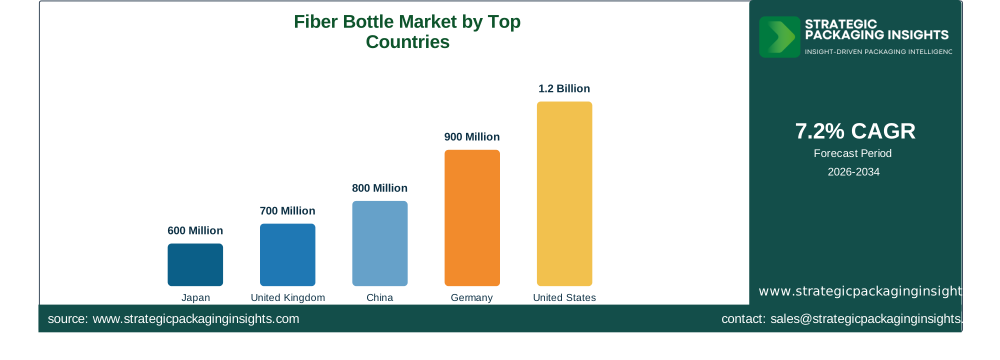
Germany is another significant market for fiber bottles, with a market size of around $900 million and a CAGR of 7%. The country's stringent environmental regulations and the growing emphasis on reducing plastic waste are driving the adoption of fiber bottles. Additionally, the presence of leading packaging companies and their focus on innovation are contributing to market growth in Germany.
China, with a market size of approximately $800 million and a CAGR of 8%, is witnessing rapid growth in the Fiber Bottle market. The country's large population and increasing consumer awareness about sustainability are driving demand for eco-friendly packaging solutions. The government's initiatives to promote sustainable practices and reduce plastic usage are further supporting market growth in China.
The United Kingdom, with a market size of around $700 million and a CAGR of 5%, is also a key market for fiber bottles. The country's focus on reducing plastic waste and the increasing adoption of sustainable packaging solutions by major beverage brands are driving market growth. The presence of innovative packaging companies and their collaborations with beverage brands are further contributing to the market's expansion in the United Kingdom.
In Japan, the Fiber Bottle market is valued at approximately $600 million, with a CAGR of 4%. The country's emphasis on sustainability and the growing demand for eco-friendly packaging solutions are driving market growth. The presence of leading packaging companies and their focus on developing innovative fiber bottle solutions are contributing to the market's expansion in Japan.
Fiber Bottle Market Segments Insights

Material Type Analysis
The Fiber Bottle market is segmented by material type into Molded Fiber, Paperboard, Pulp-Based Composite, and Bio-Coated Fiber. Molded fiber is gaining traction due to its lightweight and biodegradable properties, making it an ideal choice for eco-conscious consumers. The demand for molded fiber bottles is driven by the increasing focus on reducing plastic waste and the growing preference for sustainable packaging solutions. Paperboard, known for its recyclability and versatility, is also witnessing significant demand in the market. The use of paperboard in fiber bottles is driven by its ability to provide a sturdy and durable packaging solution, suitable for various applications.
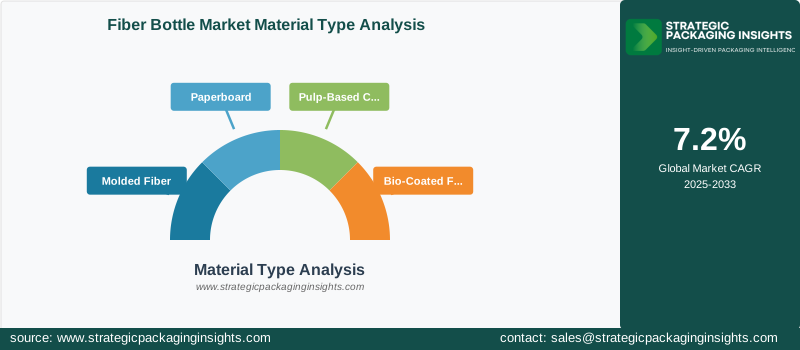
Pulp-based composites are gaining popularity due to their enhanced barrier properties, making them suitable for packaging liquids and other sensitive products. The demand for pulp-based composite fiber bottles is driven by the increasing adoption of sustainable packaging solutions by major beverage brands. Bio-coated fiber, with its ability to provide an additional layer of protection against moisture and oxygen, is also witnessing growing demand in the market. The use of bio-coated fiber in fiber bottles is driven by the need for enhanced product protection and the growing emphasis on sustainability.
Application Analysis
The Fiber Bottle market is segmented by application into Water, Spirits, Personal Care, and Household Liquids. The water segment is witnessing significant growth due to the increasing demand for sustainable packaging solutions in the bottled water industry. The adoption of fiber bottles by major water brands is driven by the need to reduce plastic waste and enhance brand image. The spirits segment is also experiencing growth, with fiber bottles being used as an eco-friendly alternative to traditional glass bottles. The demand for fiber bottles in the spirits segment is driven by the increasing focus on sustainability and the need for innovative packaging solutions.
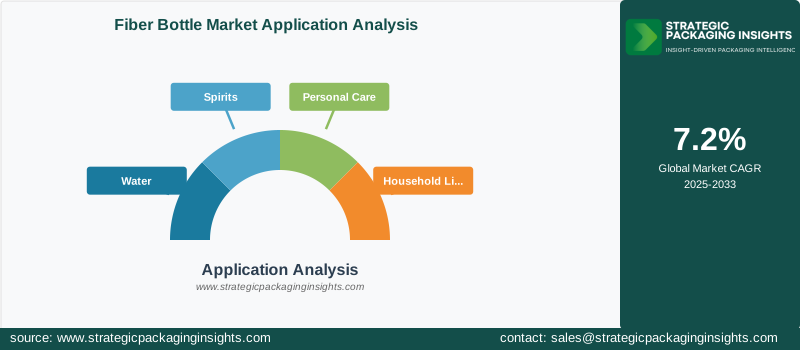
The personal care segment is witnessing growing demand for fiber bottles, driven by the increasing consumer preference for eco-friendly packaging solutions. The use of fiber bottles in personal care products is driven by the need to reduce plastic waste and enhance product appeal. The household liquids segment is also experiencing growth, with fiber bottles being used as a sustainable alternative to plastic bottles. The demand for fiber bottles in the household liquids segment is driven by the increasing focus on sustainability and the need for innovative packaging solutions.
Closure Type Analysis
The Fiber Bottle market is segmented by closure type into Screw Cap, Snap Cap, Pump Closure, and Dispensing Closure. Screw caps are widely used in fiber bottles due to their ease of use and ability to provide a secure seal. The demand for screw caps in fiber bottles is driven by the need for convenient and reliable packaging solutions. Snap caps, known for their simplicity and cost-effectiveness, are also witnessing significant demand in the market. The use of snap caps in fiber bottles is driven by the need for affordable and easy-to-use packaging solutions.
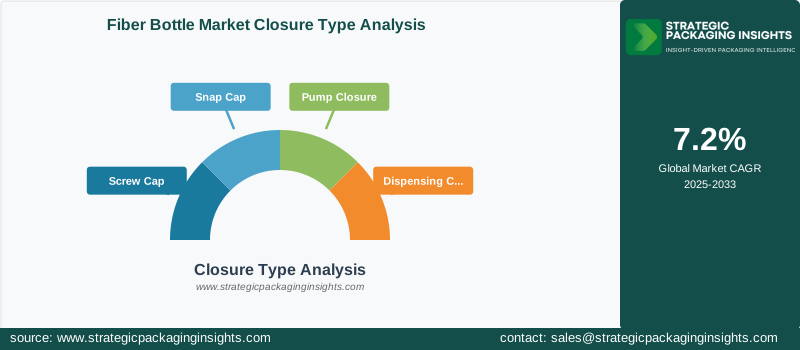
Pump closures are gaining popularity in the personal care and household liquids segments, driven by the need for convenient and user-friendly packaging solutions. The demand for pump closures in fiber bottles is driven by the increasing focus on enhancing consumer experience and product functionality. Dispensing closures, known for their ability to provide precise and controlled dispensing, are also witnessing growing demand in the market. The use of dispensing closures in fiber bottles is driven by the need for innovative and functional packaging solutions.
End Use Analysis
The Fiber Bottle market is segmented by end use into Beverage Brands, Cosmetics, Homecare, and Retail. Beverage brands are the largest end-use segment, driven by the increasing adoption of fiber bottles as a sustainable alternative to plastic bottles. The demand for fiber bottles in the beverage industry is driven by the need to reduce plastic waste and enhance brand image. The cosmetics segment is also experiencing growth, with fiber bottles being used as an eco-friendly packaging solution for personal care products. The demand for fiber bottles in the cosmetics segment is driven by the increasing consumer preference for sustainable packaging solutions.
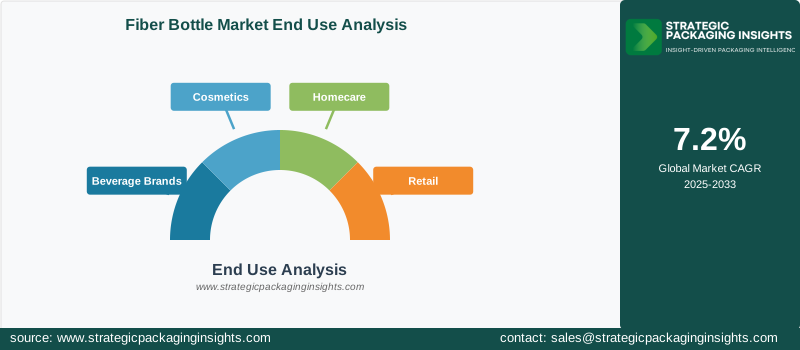
The homecare segment is witnessing growing demand for fiber bottles, driven by the need for sustainable packaging solutions in household products. The use of fiber bottles in homecare products is driven by the need to reduce plastic waste and enhance product appeal. The retail segment is also experiencing growth, with fiber bottles being used as a sustainable alternative to plastic bottles in various retail applications. The demand for fiber bottles in the retail segment is driven by the increasing focus on sustainability and the need for innovative packaging solutions.
Fiber Bottle Market Segments
The Fiber Bottle market has been segmented on the basis ofMaterial Type
- Molded Fiber
- Paperboard
- Pulp-Based Composite
- Bio-Coated Fiber
Application
- Water
- Spirits
- Personal Care
- Household Liquids
Closure Type
- Screw Cap
- Snap Cap
- Pump Closure
- Dispensing Closure
End Use
- Beverage Brands
- Cosmetics
- Homecare
- Retail
Region
- Asia Pacific
- North America
- Latin America
- Europe
- Middle East & Africa




