


Fiber-Based Protective Packaging Market Outlook
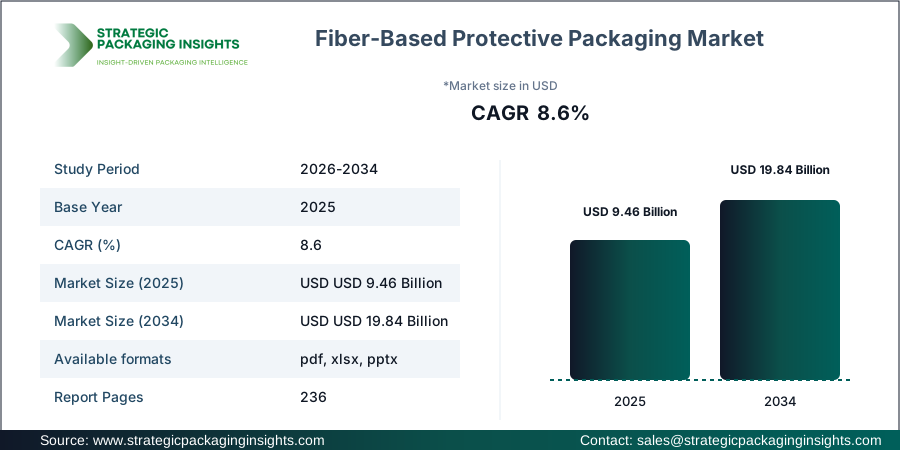
The Fiber-Based Protective Packaging market size was valued at USD 9.46 Billion in 2025 and is anticipated to reach USD 19.84 Billion by 2034, growing at a CAGR of 8.6% during the forecast period according to Strategic Packaging Insights. This market is witnessing significant growth due to the increasing demand for sustainable packaging solutions across various industries. Companies like Huhtamaki Oyj and Brødrene Hartmann A/S are at the forefront, leveraging their expertise in eco-friendly packaging to cater to the rising consumer awareness and regulatory pressures for sustainable practices. The shift towards fiber-based protective packaging is driven by its biodegradability, recyclability, and the growing e-commerce sector, which demands efficient and sustainable packaging solutions.
One of the most impactful drivers of the Fiber-Based Protective Packaging market is the increasing regulatory support for sustainable packaging solutions. Governments worldwide are implementing stringent regulations to reduce plastic waste, which is propelling the demand for fiber-based alternatives. For instance, the European Union's directive on single-use plastics is pushing manufacturers to adopt more sustainable packaging options. This regulatory push, combined with consumer preference for environmentally friendly products, is creating a robust demand for fiber-based protective packaging. Companies like Sonoco Products Company and Ranpak Holdings are capitalizing on this trend by innovating and expanding their product lines to include more sustainable options, thereby enhancing their market presence and competitiveness.
Report Scope
| Attributes | Details |
| Report Title | Fiber-Based Protective Packaging Market Size, Future Growth and Forecast 2034 |
| By Product Type | Molded Fiber Inserts, Protective End Caps, Corner Protectors, Cushioning Trays, Protective Pads, Custom Protective Packaging |
| By Material | Virgin Fiber, Recycled Paper, Bagasse Fiber, Bamboo Fiber, Mixed Natural Fibers |
| By Application | Consumer Electronics, Home Appliances, Food & Beverage, Healthcare, Furniture, E-Commerce |
| By End User | Electronics Manufacturers, E-Commerce Companies, Packaging Manufacturers, Consumer Goods Companies, Retailers |
| Region | Asia Pacific, North America, Latin America, Europe, Middle East & Africa |
| Base Year | 2025 |
| Historic Period | 2018-2024 |
| Forecast Period | 2026-2034 |
| Number of Pages | 236 |
| Customization Available | Yes* |
Sustainability & Circular Economy Analysis
Sustainability initiatives and circular economy practices are significantly influencing the Fiber-Based Protective Packaging market. The focus on recyclable materials and reusable packaging is driving innovation in packaging design and material selection. Companies are increasingly investing in eco-friendly material innovations, such as using recycled paper and mixed natural fibers, to meet consumer demand for sustainable products. This shift is not only reducing the carbon footprint of packaging but also aligning with extended producer responsibility (EPR) regulations, which hold manufacturers accountable for the lifecycle of their products.
The emphasis on lightweight packaging is another trend shaping the market. By reducing the weight of packaging materials, companies can lower transportation costs and minimize environmental impact. This strategy is particularly important for e-commerce companies, which rely heavily on efficient logistics and distribution channels. As a result, packaging manufacturers are focusing on developing lightweight, yet durable, fiber-based solutions that meet the performance requirements of various applications, from consumer electronics to food and beverage.
Moreover, consumer sustainability preferences are driving companies to adopt waste reduction strategies and ESG initiatives. Packaging manufacturers are increasingly incorporating these strategies into their supply chain and investment decisions to enhance their long-term market competitiveness. By prioritizing sustainability, companies can not only comply with regulatory requirements but also differentiate themselves in a crowded market. This focus on sustainability is expected to continue shaping the Fiber-Based Protective Packaging market, influencing everything from packaging design to manufacturing processes and supply chain strategies.
Packaging Value Chain & Supply Chain Analysis
The packaging value chain for fiber-based protective packaging involves several key components, including raw material sourcing, packaging converters, and manufacturers. Raw material availability, particularly for virgin fiber and recycled paper, plays a crucial role in determining production capabilities and supply chain efficiency. Companies like Stora Enso and Smurfit Westrock are investing in sustainable sourcing practices to ensure a steady supply of high-quality materials, which is essential for maintaining competitive advantage in the market.
Packaging converters and manufacturers are integral to the value chain, transforming raw materials into finished products that meet the specific needs of end-users. These companies rely on advanced packaging machinery and innovative production techniques to enhance efficiency and reduce costs. Strategic partnerships with logistics providers and distribution channels are also critical, as they ensure timely delivery of products to brand owners and retailers. By optimizing their supply chain strategies, companies can improve inventory management and enhance supply chain resilience, which is vital in a rapidly evolving market.
Recycling networks and procurement strategies are becoming increasingly important as companies strive to meet sustainability goals and regulatory compliance. By integrating recycling into their supply chain, companies can reduce waste and lower their environmental impact. This approach not only aligns with consumer expectations but also enhances brand reputation and market competitiveness. As the Fiber-Based Protective Packaging market continues to grow, companies that prioritize supply chain efficiency and sustainability will be better positioned to capitalize on emerging opportunities and navigate potential challenges.
Opportunities & Threats
The Fiber-Based Protective Packaging market presents numerous opportunities for growth, driven by the increasing demand for sustainable packaging solutions. One significant opportunity lies in the expansion of the e-commerce sector, which requires efficient and eco-friendly packaging to protect products during transit. Companies that can develop innovative fiber-based solutions tailored to the needs of e-commerce businesses are likely to gain a competitive edge. Additionally, the growing awareness of environmental issues among consumers is driving demand for biodegradable and recyclable packaging, creating opportunities for companies to differentiate themselves through sustainable product offerings.
Another opportunity in the market is the potential for technological advancements in packaging materials and production processes. Innovations in fiber-based materials, such as the development of stronger and more durable options, can enhance the performance of protective packaging and expand its applications across various industries. Companies that invest in research and development to create cutting-edge solutions will be well-positioned to capture market share and meet the evolving needs of consumers and businesses alike.
Despite these opportunities, the market also faces several threats, including the volatility of raw material prices and the potential for supply chain disruptions. Fluctuations in the cost of virgin fiber and recycled paper can impact production costs and profit margins, posing a challenge for manufacturers. Additionally, geopolitical tensions and trade barriers can disrupt the supply chain, affecting the availability of raw materials and finished products. Companies must develop robust risk management strategies and diversify their supply sources to mitigate these threats and ensure business continuity.
Drivers & Challenges
One of the primary drivers of the Fiber-Based Protective Packaging market is the increasing consumer demand for sustainable and eco-friendly packaging solutions. As environmental awareness grows, consumers are seeking products that align with their values, prompting companies to adopt more sustainable practices. This shift is driving innovation in packaging design and material selection, with companies investing in biodegradable and recyclable options to meet consumer expectations and regulatory requirements.
Another key driver is the regulatory landscape, which is increasingly favoring sustainable packaging solutions. Governments worldwide are implementing policies to reduce plastic waste and promote the use of renewable materials, creating a favorable environment for the growth of the fiber-based protective packaging market. Companies that can navigate these regulations and develop compliant products will be well-positioned to capitalize on the growing demand for sustainable packaging.
However, the market also faces several challenges, including the need for significant investment in research and development to create innovative and cost-effective solutions. Developing new materials and production processes requires substantial resources, and companies must balance these investments with the need to remain competitive in a price-sensitive market. Additionally, the complexity of the supply chain and the need for efficient logistics and distribution channels can pose challenges for manufacturers, particularly as they seek to expand their global reach and meet the demands of a diverse customer base.
Market Share Analysis
The Fiber-Based Protective Packaging market is characterized by a competitive landscape with several key players vying for market share. Companies like Huhtamaki Oyj, Brødrene Hartmann A/S, and Sonoco Products Company are leading the market, leveraging their extensive experience and innovative product offerings to maintain a strong presence. These companies are focusing on expanding their product portfolios and enhancing their production capabilities to meet the growing demand for sustainable packaging solutions.
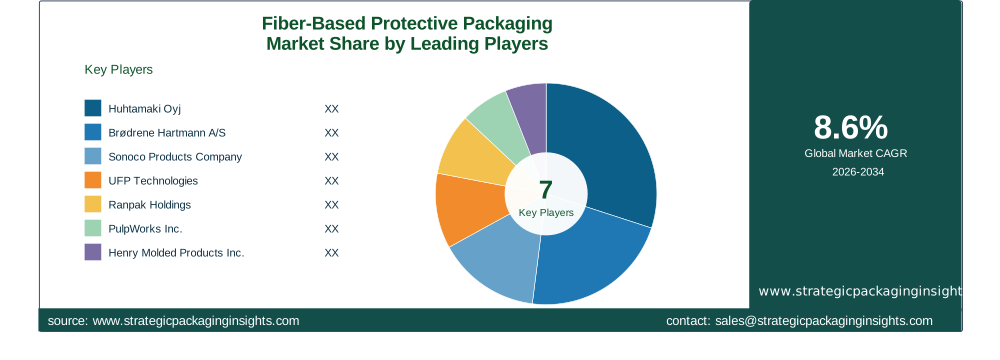
Huhtamaki Oyj, for example, is a global leader in fiber-based packaging, offering a wide range of products for various applications. The company is committed to sustainability and has implemented several initiatives to reduce its environmental impact, including the use of renewable materials and energy-efficient production processes. Similarly, Brødrene Hartmann A/S is known for its innovative molded fiber packaging solutions, which are designed to meet the needs of a diverse customer base while minimizing environmental impact.
Sonoco Products Company is another major player in the market, with a strong focus on sustainability and innovation. The company offers a comprehensive range of fiber-based packaging solutions, including protective end caps and cushioning trays, which are designed to provide superior protection and reduce waste. Sonoco's commitment to sustainability is evident in its investment in research and development, as well as its efforts to enhance supply chain efficiency and reduce its carbon footprint.
Other notable companies in the market include UFP Technologies, Ranpak Holdings, and PulpWorks Inc., each of which has carved out a niche in the fiber-based protective packaging industry. These companies are known for their innovative products and commitment to sustainability, which have helped them build strong relationships with customers and expand their market presence. As the market continues to grow, these companies are likely to play a significant role in shaping its future direction.
Key Highlights
- Market Size: USD 9.46 Billion in 2025, projected to reach USD 19.84 Billion by 2034.
- Growth Rate: Expected CAGR of 8.6% during the forecast period.
- Leading Companies: Huhtamaki Oyj, Brødrene Hartmann A/S, Sonoco Products Company.
- Key Segments: Molded Fiber Inserts, Protective End Caps, Cushioning Trays.
- Material Trends: Increasing use of recycled paper and mixed natural fibers.
- Application Growth: Significant demand from e-commerce and consumer electronics sectors.
- Regional Insights: Asia Pacific and North America are key growth regions.
Fiber-Based Protective Packaging Market Segments Insights

By Product Type Analysis
The Fiber-Based Protective Packaging market is segmented by product type, including molded fiber inserts, protective end caps, corner protectors, cushioning trays, protective pads, and custom protective packaging. Molded fiber inserts are gaining popularity due to their versatility and ability to provide excellent protection for a wide range of products. These inserts are particularly favored in the consumer electronics and home appliances sectors, where they offer superior cushioning and shock absorption. Protective end caps and corner protectors are also in high demand, especially in the furniture and e-commerce industries, where they help prevent damage during transit.
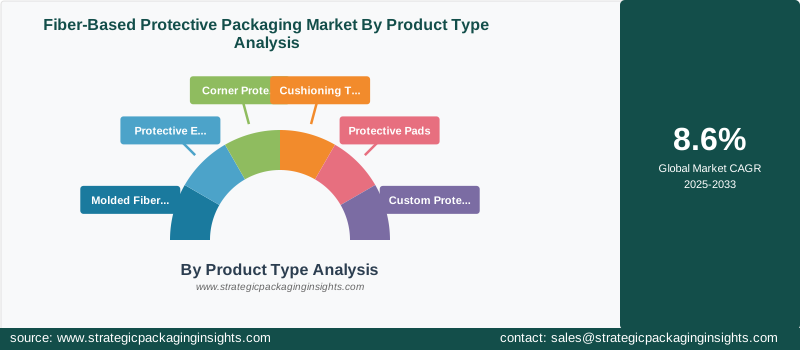
Cushioning trays and protective pads are essential for the safe transportation of delicate items, such as glassware and electronics. These products are designed to absorb impact and prevent movement within packaging, ensuring that items arrive at their destination in perfect condition. Custom protective packaging solutions are becoming increasingly important as companies seek to differentiate their products and enhance brand recognition. By offering tailored packaging solutions, manufacturers can meet the specific needs of their customers and provide added value.
By Material Analysis
The material segment of the Fiber-Based Protective Packaging market includes virgin fiber, recycled paper, bagasse fiber, bamboo fiber, and mixed natural fibers. Recycled paper is a key material in this segment, driven by the growing emphasis on sustainability and waste reduction. Companies are increasingly using recycled paper to create eco-friendly packaging solutions that align with consumer preferences and regulatory requirements. Bagasse fiber and bamboo fiber are also gaining traction as sustainable alternatives to traditional materials, offering biodegradability and renewability.
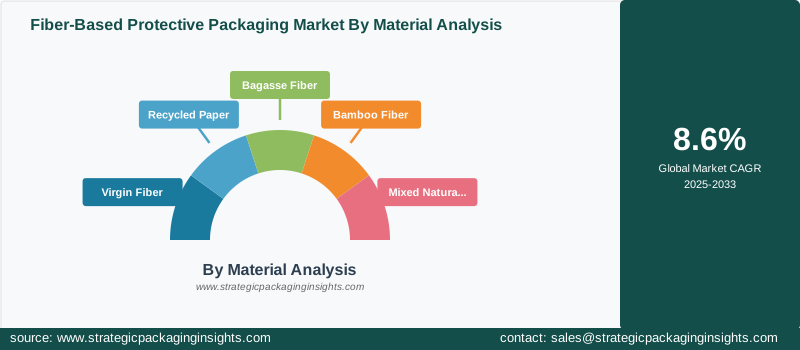
Virgin fiber remains an important material for applications that require high strength and durability. However, the increasing availability of high-quality recycled materials is encouraging manufacturers to explore more sustainable options. Mixed natural fibers, which combine different types of fibers to enhance performance, are becoming more popular as companies seek to optimize their packaging solutions. This trend is expected to continue as manufacturers invest in research and development to create innovative materials that meet the evolving needs of the market.
By Application Analysis
The application segment of the Fiber-Based Protective Packaging market includes consumer electronics, home appliances, food & beverage, healthcare, furniture, and e-commerce. The consumer electronics sector is a major driver of demand for fiber-based protective packaging, as manufacturers seek to protect delicate components and enhance product presentation. Similarly, the e-commerce industry is experiencing rapid growth, driving demand for efficient and sustainable packaging solutions that can withstand the rigors of transportation.
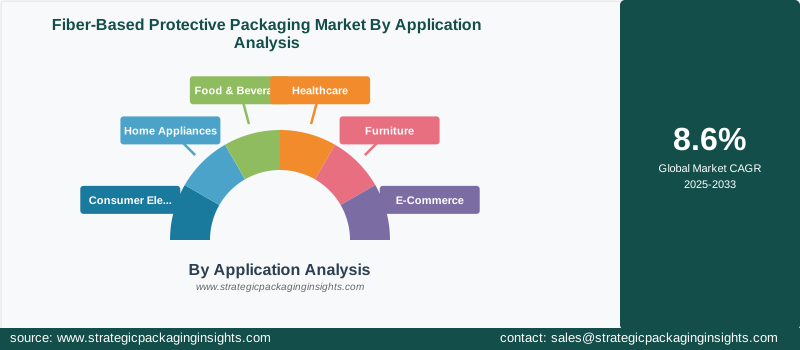
The food & beverage and healthcare sectors are also significant contributors to market growth, as companies prioritize hygiene and safety in their packaging solutions. Fiber-based packaging offers several advantages in these industries, including biodegradability and the ability to maintain product integrity. As consumer preferences continue to shift towards sustainable products, the demand for fiber-based protective packaging in these applications is expected to increase.
By End User Analysis
The end-user segment of the Fiber-Based Protective Packaging market includes electronics manufacturers, e-commerce companies, packaging manufacturers, consumer goods companies, and retailers. Electronics manufacturers are a key end-user group, as they require protective packaging solutions to safeguard their products during transportation and storage. E-commerce companies are also significant consumers of fiber-based protective packaging, as they seek to enhance customer satisfaction and reduce environmental impact.
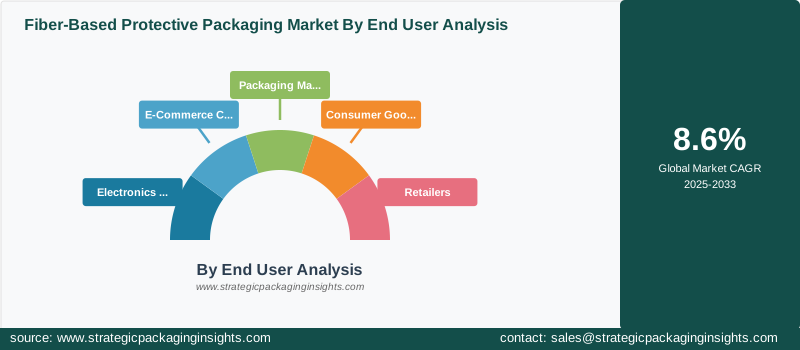
Packaging manufacturers play a crucial role in the market, as they develop and produce innovative solutions that meet the needs of various industries. Consumer goods companies and retailers are increasingly adopting fiber-based protective packaging to align with consumer preferences and regulatory requirements. As the market continues to evolve, these end-user groups are expected to drive demand for sustainable and efficient packaging solutions.
Fiber-Based Protective Packaging Market Segments
The Fiber-Based Protective Packaging market has been segmented on the basis ofBy Product Type
- Molded Fiber Inserts
- Protective End Caps
- Corner Protectors
- Cushioning Trays
- Protective Pads
- Custom Protective Packaging
By Material
- Virgin Fiber
- Recycled Paper
- Bagasse Fiber
- Bamboo Fiber
- Mixed Natural Fibers
By Application
- Consumer Electronics
- Home Appliances
- Food & Beverage
- Healthcare
- Furniture
- E-Commerce
By End User
- Electronics Manufacturers
- E-Commerce Companies
- Packaging Manufacturers
- Consumer Goods Companies
- Retailers
Region
- Asia Pacific
- North America
- Latin America
- Europe
- Middle East & Africa




