


Fez Caps Market Outlook
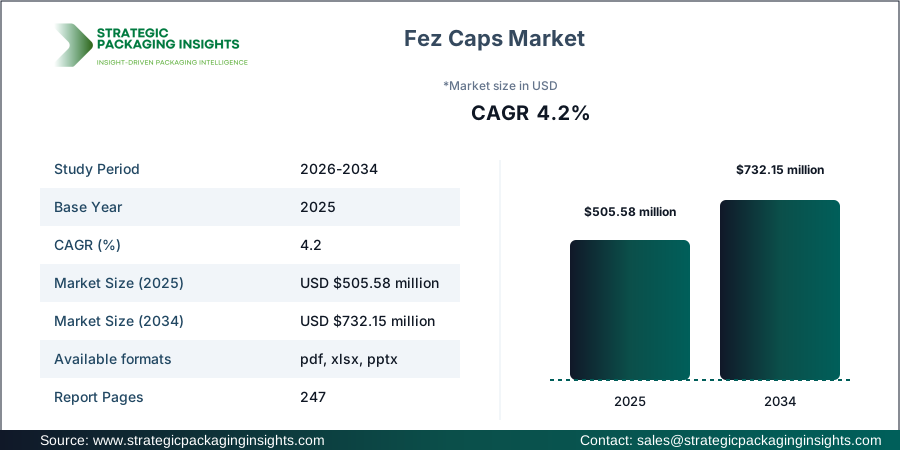
The Fez Caps market was valued at $505.58 million in 2025 and is projected to reach $732.15 million by 2034, growing at a CAGR of 4.2% during the forecast period 2026-2034. This market is witnessing a steady growth trajectory, driven by the increasing popularity of cultural and traditional attire across various regions. The demand for fez caps is particularly strong in regions with a rich cultural heritage, where these caps are not only a fashion statement but also a symbol of cultural identity. The market is also benefiting from the rising trend of themed events and costume parties, where fez caps are often used as part of the attire. Additionally, the growing e-commerce sector is making these caps more accessible to a global audience, further fueling market growth.
Despite the positive growth outlook, the fez caps market faces certain challenges that could hinder its expansion. One of the primary restraints is the limited awareness and understanding of fez caps in regions outside their traditional markets. This lack of awareness can limit the potential customer base and slow down market penetration in new regions. Furthermore, the market is subject to fluctuations in raw material prices, particularly for wool and cotton, which can impact production costs and pricing strategies. However, the market holds significant growth potential, especially with the increasing interest in cultural and ethnic fashion trends. As more consumers seek unique and culturally significant fashion items, the fez caps market is poised to capitalize on this trend.
Report Scope
| Attributes | Details |
| Report Title | Fez Caps Market Size, Future Growth and Forecast 2034 |
| Material Type | Wool Felt, Cotton, Velvet, Polyester |
| Product Type | Traditional Fez Caps, Decorative Fez Caps, Promotional Fez Caps, Costume Fez Caps |
| Application | Cultural Wear, Ceremonial Use, Costumes, Souvenirs |
| Distribution Channel | Online Retail, Specialty Stores, Costume Stores, Traditional Apparel Stores |
| Region | Asia Pacific, North America, Latin America, Europe, Middle East & Africa |
| Base Year | 2025 |
| Historic Period | 2018-2024 |
| Forecast Period | 2026-2034 |
| Number of Pages | 247 |
| Customization Available | Yes* |
Opportunities & Threats
The fez caps market presents numerous opportunities for growth, particularly in the realm of cultural and ethnic fashion. As global consumers become more interested in unique and culturally significant fashion items, fez caps are gaining popularity as a distinctive accessory. This trend is particularly strong among younger demographics who are keen on exploring diverse cultural expressions through fashion. Additionally, the rise of themed events and costume parties provides a lucrative opportunity for fez cap manufacturers to expand their product offerings and cater to a wider audience. The increasing accessibility of online retail platforms also presents an opportunity for market players to reach a global customer base, thereby enhancing their market presence and driving sales growth.
Another significant opportunity lies in the customization and personalization of fez caps. Consumers are increasingly seeking personalized fashion items that reflect their individual style and preferences. By offering customizable fez caps, manufacturers can tap into this growing demand and differentiate themselves in a competitive market. Furthermore, collaborations with fashion designers and influencers can help boost the visibility and appeal of fez caps, attracting new customers and expanding market reach. As the market continues to evolve, companies that can effectively leverage these opportunities are likely to achieve significant growth and success.
However, the fez caps market is not without its threats. One of the primary challenges is the competition from alternative headwear options, such as baseball caps and beanies, which are more widely recognized and accepted in mainstream fashion. This competition can limit the market share of fez caps and pose a threat to their growth. Additionally, the market is susceptible to changes in fashion trends, which can impact consumer preferences and demand for fez caps. To mitigate these threats, market players need to focus on innovation and marketing strategies that highlight the unique cultural and aesthetic appeal of fez caps.
Drivers & Challenges
The growth of the fez caps market is driven by several key factors. One of the primary drivers is the increasing interest in cultural and ethnic fashion, which has led to a resurgence in the popularity of traditional attire, including fez caps. This trend is particularly evident in regions with a rich cultural heritage, where fez caps are worn as a symbol of cultural identity and pride. Additionally, the rise of themed events and costume parties has created a demand for unique and distinctive headwear, further boosting the market for fez caps. The growing influence of social media and fashion influencers has also played a significant role in promoting fez caps as a trendy and fashionable accessory.
Another important driver is the expansion of online retail platforms, which has made fez caps more accessible to a global audience. With the increasing penetration of e-commerce, consumers can easily purchase fez caps from the comfort of their homes, thereby driving sales growth. The availability of a wide range of designs and styles online also allows consumers to explore different options and find fez caps that suit their personal preferences. Furthermore, the growing trend of personalization and customization in fashion has led to an increased demand for bespoke fez caps, providing manufacturers with an opportunity to cater to niche markets and enhance customer satisfaction.
Despite these drivers, the fez caps market faces several challenges that could impact its growth. One of the main challenges is the limited awareness and understanding of fez caps in regions outside their traditional markets. This lack of awareness can hinder market penetration and limit the potential customer base. Additionally, the market is subject to fluctuations in raw material prices, particularly for wool and cotton, which can affect production costs and pricing strategies. To overcome these challenges, market players need to focus on increasing awareness and education about fez caps, as well as exploring alternative materials and cost-effective production methods.
Market Share Analysis
The competitive landscape of the fez caps market is characterized by the presence of several key players who are actively engaged in product innovation and expansion strategies. Companies such as Fez-o-rama, Jacobson Hat Company, and Nilda’s Hats are leading the market with their diverse product offerings and strong brand presence. These companies have established themselves as prominent players in the fez caps market by focusing on quality, design, and customer satisfaction. Their ability to adapt to changing consumer preferences and market trends has enabled them to maintain a competitive edge and capture a significant share of the market.

Dorfman Milano and Tenth Street Hats are also notable players in the fez caps market, known for their innovative designs and commitment to craftsmanship. These companies have leveraged their expertise in hat manufacturing to create unique and stylish fez caps that appeal to a wide range of consumers. By investing in research and development, they have been able to introduce new materials and designs that enhance the functionality and aesthetic appeal of their products. This focus on innovation has allowed them to differentiate themselves in a competitive market and attract a loyal customer base.
In addition to these established players, the fez caps market also includes a number of smaller companies and independent sellers, such as Alibaba Suppliers, Etsy Sellers, and Elope. These players contribute to the diversity of the market by offering a wide range of fez caps at various price points. Their presence in online retail platforms has enabled them to reach a global audience and compete with larger companies. By offering unique and customizable products, these smaller players have carved out a niche in the market and continue to grow their customer base.
Kangol and Sterkowski are other key players in the fez caps market, known for their high-quality products and strong brand reputation. These companies have a long history in the hat industry and have successfully expanded their product lines to include fez caps. Their focus on quality and craftsmanship has earned them a loyal following among consumers who value traditional and well-made products. By maintaining a strong presence in both online and offline retail channels, these companies have been able to sustain their market share and continue to grow their business.
Key Highlights
- The fez caps market is projected to grow from $505.58 million in 2025 to $732.15 million by 2034, at a CAGR of 4.2%.
- Increasing interest in cultural and ethnic fashion is driving the demand for fez caps.
- Online retail platforms are making fez caps more accessible to a global audience.
- Customization and personalization of fez caps are emerging as key trends in the market.
- Competition from alternative headwear options poses a threat to the growth of fez caps.
- Fluctuations in raw material prices can impact production costs and pricing strategies.
- Key players in the market include Fez-o-rama, Jacobson Hat Company, and Nilda’s Hats.
- The market is characterized by a diverse range of products and price points.
- Social media and fashion influencers are playing a significant role in promoting fez caps.
- The market holds significant growth potential in regions with a rich cultural heritage.
Top Countries Insights
In the fez caps market, Turkey stands out as a leading country with a market size of approximately $150 million and a CAGR of 5%. The country's rich cultural heritage and traditional use of fez caps in various ceremonies and events drive the demand. Government support for cultural preservation and tourism also contributes to market growth. However, challenges such as competition from modern headwear and changing fashion trends need to be addressed.
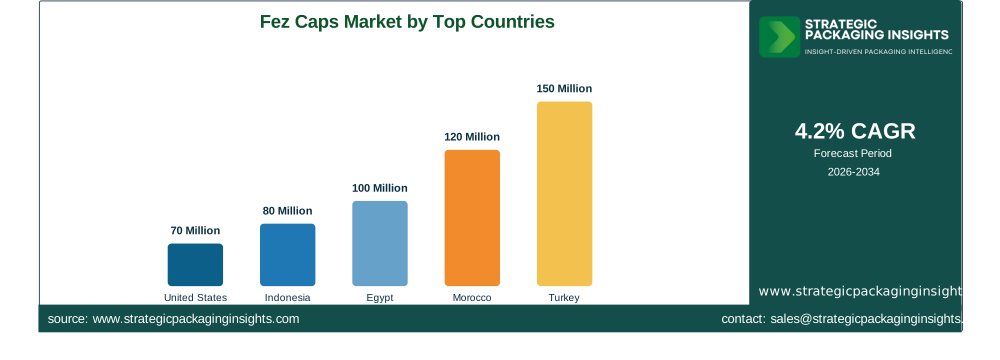
Morocco is another key player in the fez caps market, with a market size of $120 million and a CAGR of 4%. The country's strong cultural identity and the use of fez caps in traditional attire fuel demand. The government's efforts to promote cultural tourism and local craftsmanship further support market growth. However, the market faces challenges from the influx of cheaper imported alternatives and the need for modernization in production techniques.
In Egypt, the fez caps market is valued at $100 million, with a CAGR of 3%. The country's historical significance and cultural heritage drive the demand for fez caps, particularly among tourists. Government initiatives to promote cultural tourism and support local artisans contribute to market growth. However, the market faces challenges from economic instability and competition from alternative headwear options.
Indonesia, with a market size of $80 million and a CAGR of 6%, is experiencing significant growth in the fez caps market. The country's diverse cultural landscape and the popularity of traditional attire among younger demographics drive demand. Government support for cultural preservation and the promotion of local crafts further boost market growth. However, challenges such as limited awareness and competition from modern fashion trends need to be addressed.
In the United States, the fez caps market is valued at $70 million, with a CAGR of 4%. The growing interest in cultural and ethnic fashion, along with the popularity of themed events and costume parties, drives demand. The presence of a diverse population and the influence of social media and fashion influencers further support market growth. However, the market faces challenges from competition with mainstream headwear options and the need for increased awareness and education about fez caps.
Fez Caps Market Segments Insights

Material Type Analysis
The material type segment of the fez caps market is dominated by wool felt, which is favored for its durability and traditional appeal. Wool felt fez caps are particularly popular in regions with a strong cultural heritage, where they are worn as a symbol of identity and pride. The demand for wool felt fez caps is driven by their aesthetic appeal and the comfort they provide, making them a preferred choice for cultural and ceremonial occasions. However, the market for wool felt fez caps faces challenges from fluctuations in wool prices, which can impact production costs and pricing strategies.

Cotton fez caps are also gaining popularity, particularly among younger consumers who prefer lightweight and breathable materials. The demand for cotton fez caps is driven by their versatility and the increasing trend of casual and everyday wear. Cotton fez caps are often used in promotional and costume applications, where comfort and affordability are key considerations. The market for cotton fez caps is supported by the availability of a wide range of designs and colors, allowing consumers to express their personal style and preferences.
Product Type Analysis
The product type segment of the fez caps market is led by traditional fez caps, which are widely recognized for their cultural significance and historical value. Traditional fez caps are often used in ceremonial and cultural events, where they serve as a symbol of heritage and identity. The demand for traditional fez caps is driven by their timeless appeal and the growing interest in cultural and ethnic fashion. However, the market for traditional fez caps faces competition from decorative and promotional fez caps, which offer a modern twist on the classic design.

Decorative fez caps are gaining traction among consumers who seek unique and stylish headwear options. These caps often feature intricate designs and embellishments, making them a popular choice for themed events and costume parties. The demand for decorative fez caps is driven by their aesthetic appeal and the desire for personalized fashion items. Promotional fez caps, on the other hand, are used by businesses and organizations as a marketing tool to promote their brand and engage with customers. The market for promotional fez caps is supported by the increasing trend of experiential marketing and brand engagement.
Application Analysis
The application segment of the fez caps market is dominated by cultural wear, which accounts for a significant share of the market. Fez caps are widely used in cultural and traditional attire, where they serve as a symbol of identity and pride. The demand for fez caps in cultural wear is driven by the growing interest in ethnic fashion and the desire to preserve cultural heritage. Ceremonial use is another important application segment, where fez caps are worn during religious and cultural ceremonies as a mark of respect and tradition.

Costumes and souvenirs are also key application segments in the fez caps market. Fez caps are often used in costume applications, where they add a unique and distinctive touch to themed outfits. The demand for fez caps in costume applications is driven by the popularity of themed events and costume parties. Souvenirs, on the other hand, are a growing application segment, where fez caps are purchased as a memento of cultural and historical significance. The market for fez caps in souvenirs is supported by the increasing trend of cultural tourism and the desire for unique and meaningful keepsakes.
Distribution Channel Analysis
The distribution channel segment of the fez caps market is led by online retail, which has emerged as a key channel for fez cap sales. The growth of e-commerce platforms has made fez caps more accessible to a global audience, allowing consumers to purchase them from the comfort of their homes. The demand for fez caps through online retail is driven by the convenience and variety offered by online platforms, as well as the increasing trend of online shopping.

Specialty stores and costume stores are also important distribution channels in the fez caps market. These stores offer a curated selection of fez caps, catering to consumers who seek unique and high-quality products. The demand for fez caps through specialty and costume stores is driven by the personalized shopping experience and the availability of expert advice and recommendations. Traditional apparel stores, on the other hand, cater to consumers who prefer to purchase fez caps as part of their cultural and traditional attire. The market for fez caps through traditional apparel stores is supported by the growing interest in ethnic fashion and the desire to preserve cultural heritage.
Fez Caps Market Segments
The Fez Caps market has been segmented on the basis ofMaterial Type
- Wool Felt
- Cotton
- Velvet
- Polyester
Product Type
- Traditional Fez Caps
- Decorative Fez Caps
- Promotional Fez Caps
- Costume Fez Caps
Application
- Cultural Wear
- Ceremonial Use
- Costumes
- Souvenirs
Distribution Channel
- Online Retail
- Specialty Stores
- Costume Stores
- Traditional Apparel Stores
Region
- Asia Pacific
- North America
- Latin America
- Europe
- Middle East & Africa




