


Electronics Packaging Market Outlook
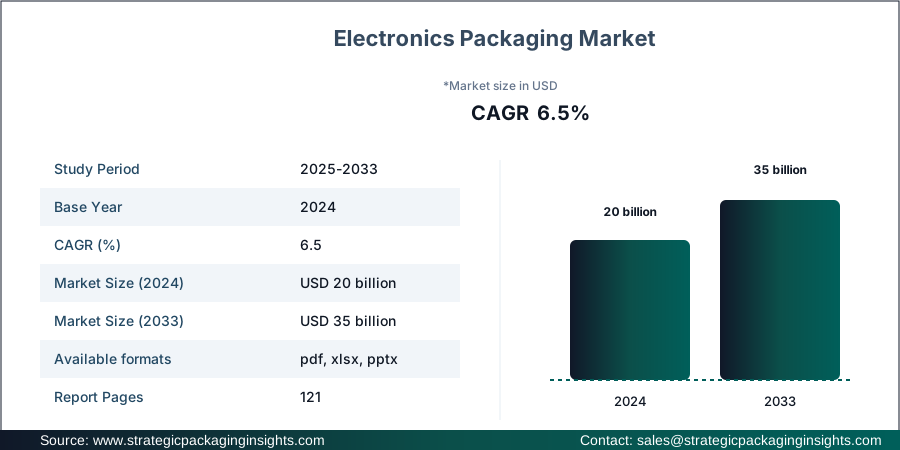
The electronics packaging market was valued at $20 billion in 2024 and is projected to reach $35 billion by 2033, growing at a CAGR of 6.5% during the forecast period 2025-2033. This growth is driven by the increasing demand for consumer electronics, advancements in packaging technologies, and the rising need for protective packaging solutions to ensure the safe transportation and storage of electronic products. The market is also benefiting from the growing trend of miniaturization in electronics, which requires innovative packaging solutions to accommodate smaller and more complex components. Additionally, the rise of e-commerce and the global expansion of the electronics industry are further propelling the demand for efficient and sustainable packaging solutions.
Report Scope
| Attributes | Details |
| Report Title | Electronics Packaging Market Size, Future Growth and Forecast 2033 |
| Material | Plastic, Metal, Glass, Paper & Paperboard |
| Application | Consumer Electronics, Automotive Electronics, Industrial Electronics, Healthcare Electronics |
| Packaging Type | Boxes, Blisters, Bags, Trays |
| Region | Asia Pacific, North America, Europe, Latin America, Middle East & Africa |
| Base Year | 2024 |
| Historic Period | 2017-2023 |
| Forecast Period | 2025-2033 |
| Number of Pages | 121 |
| Customization Available | Yes* |
Opportunities & Threats
One of the significant opportunities in the electronics packaging market is the increasing adoption of eco-friendly and sustainable packaging materials. With growing environmental concerns and stringent regulations on plastic usage, manufacturers are shifting towards biodegradable and recyclable materials. This trend is opening new avenues for innovation in packaging design and materials, allowing companies to differentiate themselves by offering environmentally responsible solutions. Furthermore, the rise of smart packaging technologies, such as RFID tags and QR codes, is enhancing the functionality of packaging, providing additional value to consumers and businesses alike.
Another opportunity lies in the rapid growth of the Internet of Things (IoT) and connected devices. As more electronic devices become interconnected, there is a rising demand for packaging solutions that can protect sensitive components from electromagnetic interference and other environmental factors. This has led to the development of advanced packaging technologies, such as EMI shielding and thermal management solutions, which are crucial for maintaining the performance and reliability of IoT devices. Companies that can offer innovative solutions in this space are well-positioned to capitalize on the growing IoT market.
However, the electronics packaging market faces several challenges, including the high cost of raw materials and the complexity of designing packaging solutions for increasingly sophisticated electronic devices. The need for specialized materials and technologies to meet the specific requirements of different electronic products can drive up production costs, impacting the profitability of packaging manufacturers. Additionally, the rapid pace of technological advancements in the electronics industry requires packaging companies to continuously innovate and adapt their offerings, which can be resource-intensive and challenging to sustain over the long term.
Drivers & Challenges
The primary driver of the electronics packaging market is the growing demand for consumer electronics, such as smartphones, tablets, and wearable devices. As consumers increasingly rely on electronic devices for communication, entertainment, and productivity, the need for efficient and protective packaging solutions has become more critical. This demand is further fueled by the rapid pace of technological advancements, which are leading to the development of new and innovative electronic products that require specialized packaging solutions to ensure their safety and functionality.
Another significant driver is the expansion of the global electronics industry, particularly in emerging markets. As countries in Asia Pacific, Latin America, and Africa continue to industrialize and urbanize, the demand for electronic products is rising, creating new opportunities for packaging manufacturers. Additionally, the increasing focus on sustainability and environmental responsibility is driving the adoption of eco-friendly packaging materials and practices, further boosting the growth of the electronics packaging market.
Despite these drivers, the electronics packaging market faces several challenges, including the need to balance cost and performance. As electronic devices become more complex and sophisticated, the packaging solutions required to protect them must also evolve, often leading to higher production costs. Additionally, the industry must navigate regulatory challenges related to environmental sustainability and waste management, which can impact the availability and cost of raw materials. Companies that can effectively address these challenges while maintaining high-quality and cost-effective packaging solutions will be well-positioned to succeed in this competitive market.
Market Share Analysis
The electronics packaging market is characterized by a highly competitive landscape, with numerous players vying for market share. Key companies in this market include Amcor Limited, DS Smith Plc, Sealed Air Corporation, Sonoco Products Company, and Smurfit Kappa Group. These companies are focusing on strategic initiatives such as mergers and acquisitions, partnerships, and product innovations to strengthen their market position and expand their product offerings. The competitive landscape is further intensified by the presence of several regional and local players, who are leveraging their expertise and market knowledge to cater to specific customer needs.
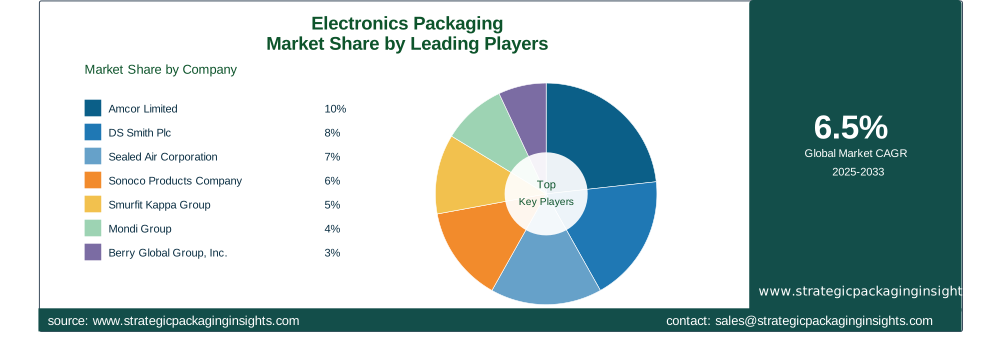
Amcor Limited, a leading player in the electronics packaging market, is known for its innovative packaging solutions and commitment to sustainability. The company offers a wide range of packaging products, including flexible and rigid packaging solutions, designed to meet the diverse needs of the electronics industry. With a strong focus on research and development, Amcor is continuously exploring new materials and technologies to enhance the performance and sustainability of its packaging solutions.
DS Smith Plc is another prominent player in the electronics packaging market, offering a comprehensive portfolio of packaging solutions for various electronic products. The company is recognized for its expertise in sustainable packaging and its ability to deliver customized solutions that meet the specific requirements of its clients. DS Smith's commitment to innovation and sustainability has helped it establish a strong presence in the global electronics packaging market.
Sealed Air Corporation is a key player in the electronics packaging market, known for its protective packaging solutions that ensure the safe transportation and storage of electronic products. The company's product portfolio includes a range of packaging materials and technologies, such as bubble wrap, foam packaging, and air pillows, designed to provide superior protection against impact and environmental factors. Sealed Air's focus on innovation and customer-centric solutions has enabled it to maintain a competitive edge in the market.
Key Highlights
- The electronics packaging market is projected to grow at a CAGR of 6.5% from 2025 to 2033.
- Increasing demand for consumer electronics is a major driver of market growth.
- Eco-friendly and sustainable packaging materials are gaining traction in the market.
- Smart packaging technologies are enhancing the functionality of packaging solutions.
- The rise of IoT and connected devices is driving demand for advanced packaging solutions.
- High raw material costs and regulatory challenges are key restraints in the market.
- Asia Pacific is expected to be the fastest-growing region in the electronics packaging market.
- Key players are focusing on strategic initiatives to strengthen their market position.
- Innovation and sustainability are critical factors for success in the electronics packaging market.
Top Countries Insights
In the electronics packaging market, the United States holds a significant share, driven by the presence of major electronics manufacturers and a strong focus on innovation and sustainability. The market in the U.S. is expected to grow at a CAGR of 5%, supported by advancements in packaging technologies and increasing demand for consumer electronics. Government initiatives promoting sustainable packaging practices are also contributing to market growth.
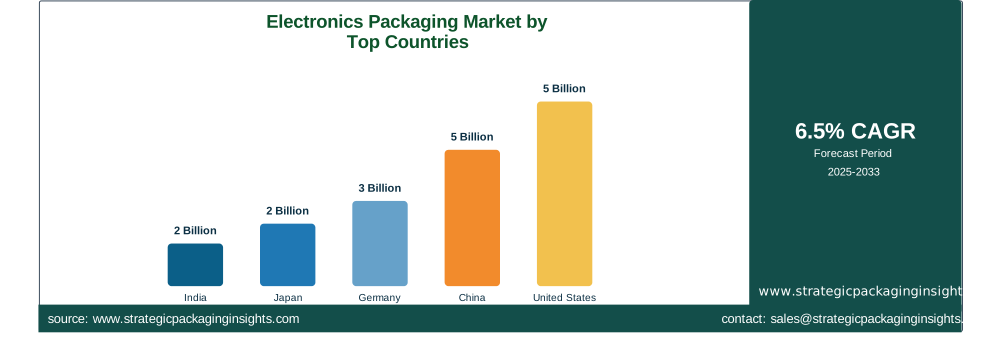
China is another key player in the electronics packaging market, with a market size of approximately $5 billion. The country's rapid industrialization and urbanization are driving demand for electronic products, leading to increased demand for packaging solutions. China's market is projected to grow at a CAGR of 8%, fueled by government policies supporting the electronics industry and investments in advanced packaging technologies.
Germany is a leading market for electronics packaging in Europe, with a strong focus on sustainability and innovation. The market is expected to grow at a CAGR of 6%, driven by the demand for high-quality packaging solutions for automotive and industrial electronics. Germany's commitment to environmental responsibility and its robust manufacturing sector are key growth drivers.
Japan's electronics packaging market is characterized by a high level of technological innovation and a strong emphasis on quality. The market is projected to grow at a CAGR of 4%, supported by the demand for advanced packaging solutions for consumer and healthcare electronics. Japan's focus on research and development and its leadership in electronics manufacturing are significant growth factors.
India is emerging as a promising market for electronics packaging, with a market size of approximately $2 billion. The country's growing electronics industry and increasing consumer demand for electronic products are driving market growth. India's market is expected to grow at a CAGR of 10%, supported by government initiatives promoting manufacturing and investments in packaging infrastructure.
Evolving Market Dynamics (2018-2024) and Strategic Foresight (2025-2033)
| Metric | 2018-2024 | 2025-2033 |
|---|---|---|
| CAGR | 5.2% | 6.5% |
| Market Size Evolution | $15 billion to $20 billion | $20 billion to $35 billion |
| Segment Distribution Shifts | Consumer Electronics Dominance | Increased IoT and Industrial Electronics |
| Regional Contribution Changes | North America and Europe Lead | Asia Pacific Gains Prominence |
| Technological Impact Factors | Basic Protective Solutions | Advanced Smart Packaging |
| Client Demand Transformations | Standard Packaging Needs | Customized and Sustainable Solutions |
Electronics Packaging Market Segments Insights

Material Analysis
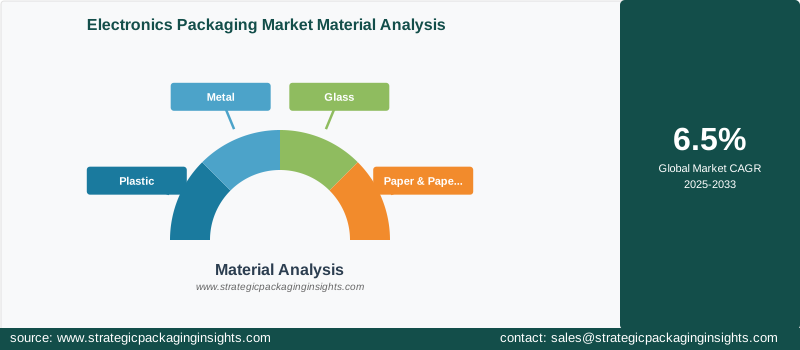
The electronics packaging market is segmented by material into plastic, metal, glass, and paper & paperboard. Plastic remains the dominant material due to its versatility, lightweight nature, and cost-effectiveness. However, the increasing environmental concerns and regulatory pressures are driving the shift towards more sustainable materials such as paper & paperboard and biodegradable plastics. Metal packaging is gaining traction in applications requiring high durability and protection, while glass is preferred for its aesthetic appeal and recyclability. The choice of material is heavily influenced by the specific requirements of the electronic product, including protection, cost, and environmental impact.
Plastic packaging, despite facing criticism for its environmental impact, continues to be widely used due to its excellent protective properties and flexibility in design. Innovations in biodegradable and recyclable plastics are helping to mitigate environmental concerns, making plastic a viable option for sustainable packaging solutions. Metal packaging, on the other hand, offers superior protection against physical damage and is often used for high-value electronics that require robust packaging. The use of glass and paper & paperboard is growing, particularly in applications where sustainability and aesthetics are prioritized.
Application Analysis
The application segment of the electronics packaging market includes consumer electronics, automotive electronics, industrial electronics, and healthcare electronics. Consumer electronics is the largest segment, driven by the high demand for smartphones, tablets, and wearable devices. The need for protective and aesthetically pleasing packaging solutions is paramount in this segment, as manufacturers seek to enhance the consumer experience and brand perception. Automotive electronics is another significant segment, with the growing adoption of advanced driver-assistance systems (ADAS) and infotainment systems driving demand for specialized packaging solutions.
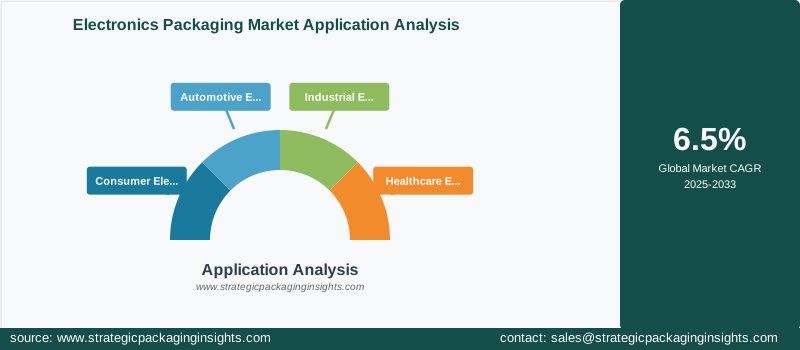
Industrial electronics packaging is gaining importance as industries increasingly rely on electronic components for automation and control systems. The need for durable and protective packaging solutions is critical in this segment to ensure the safe transportation and storage of sensitive components. Healthcare electronics, although a smaller segment, is experiencing rapid growth due to the increasing use of electronic devices in medical applications. The demand for sterile and protective packaging solutions is high in this segment, as manufacturers prioritize the safety and reliability of their products.
Packaging Type Analysis
The electronics packaging market is also segmented by packaging type, including boxes, blisters, bags, and trays. Boxes are the most commonly used packaging type, offering excellent protection and versatility for a wide range of electronic products. The demand for customized and branded boxes is increasing, as manufacturers seek to enhance their brand image and consumer appeal. Blisters and trays are popular for small and delicate electronic components, providing superior protection and organization. Bags are used for bulk packaging and transportation, offering cost-effective solutions for large quantities of electronic products.
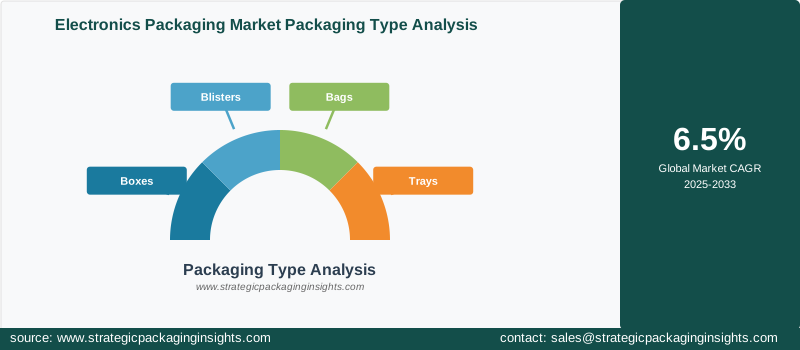
The choice of packaging type is influenced by factors such as product size, weight, and fragility, as well as cost considerations. Boxes are preferred for their ability to accommodate various shapes and sizes, while blisters and trays offer excellent protection for small and sensitive components. Bags are favored for their cost-effectiveness and ease of handling, particularly in bulk packaging applications. The demand for innovative and sustainable packaging types is growing, as manufacturers seek to reduce their environmental impact and enhance the consumer experience.
Regional Analysis
The electronics packaging market is geographically segmented into Asia Pacific, North America, Europe, Latin America, and the Middle East & Africa. Asia Pacific is the fastest-growing region, driven by the rapid industrialization and urbanization in countries such as China and India. The presence of major electronics manufacturers and the increasing demand for consumer electronics are key growth drivers in this region. North America and Europe are mature markets, with a strong focus on innovation and sustainability. The demand for advanced packaging solutions is high in these regions, as manufacturers seek to enhance the performance and sustainability of their products.
Latin America and the Middle East & Africa are emerging markets, with significant growth potential due to the increasing adoption of electronic products and the expansion of the electronics industry. The demand for cost-effective and sustainable packaging solutions is rising in these regions, as manufacturers seek to cater to the growing consumer base. The regional dynamics of the electronics packaging market are influenced by factors such as economic development, technological advancements, and regulatory policies, which shape the demand and supply of packaging solutions.
Electronics Packaging Market Segments
The Electronics Packaging market has been segmented on the basis ofMaterial
- Plastic
- Metal
- Glass
- Paper & Paperboard
Application
- Consumer Electronics
- Automotive Electronics
- Industrial Electronics
- Healthcare Electronics
Packaging Type
- Boxes
- Blisters
- Bags
- Trays
Region
- Asia Pacific
- North America
- Europe
- Latin America
- Middle East & Africa




