


Egg Cartons Market Outlook
The egg cartons market was valued at $2.13 billion in 2025 and is projected to reach $2.97 billion by 2034, growing at a CAGR of 3.7% during the forecast period 2026-2034. This growth is driven by increasing demand for sustainable packaging solutions, as consumers and businesses alike are becoming more environmentally conscious. The shift towards eco-friendly materials, such as molded fiber and recycled fiber, is a significant trend in the market. Additionally, the rise in egg consumption globally, driven by the growing awareness of the nutritional benefits of eggs, is further propelling the demand for egg cartons. The market is also witnessing innovations in design and functionality, with manufacturers focusing on enhancing the protective features of cartons to reduce breakage during transportation.
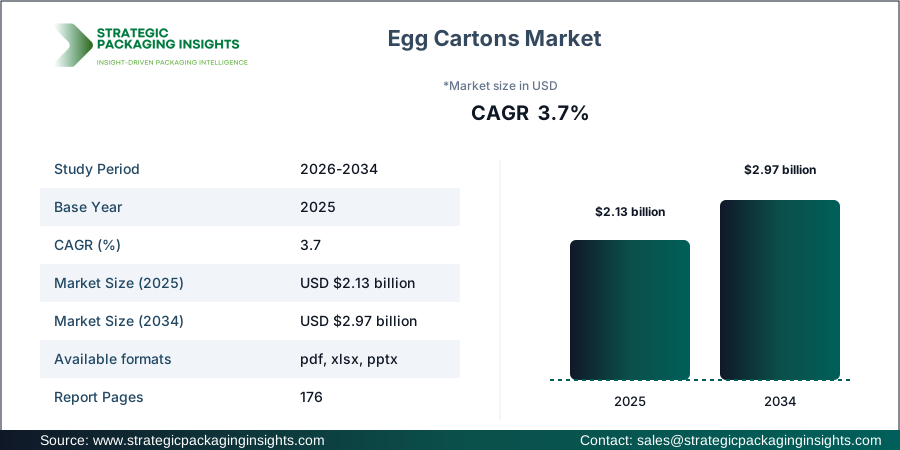
However, the market faces challenges such as fluctuating raw material prices and stringent regulations regarding packaging waste. These factors could potentially hinder market growth. Despite these challenges, the egg cartons market holds significant growth potential, particularly in emerging economies where the demand for eggs is rising rapidly. The increasing penetration of organized retail and the expansion of the foodservice industry in these regions are expected to create lucrative opportunities for market players. Furthermore, advancements in packaging technology and the development of biodegradable and compostable cartons are likely to open new avenues for growth in the coming years.
Report Scope
| Attributes | Details |
| Report Title | Egg Cartons Market Size, Future Growth and Forecast 2034 |
| By Product Type | Molded Fiber Cartons, Plastic Cartons, Foam Cartons |
| By Material Type | Recycled Fiber, Molded Pulp, PET, PS |
| By Capacity | 6-Egg, 12-Egg, 18-Egg |
| By End Use | Egg Producers, Retailers, Foodservice, Distributors |
| Region | Asia Pacific, North America, Latin America, Europe, Middle East & Africa |
| Base Year | 2025 |
| Historic Period | 2018-2024 |
| Forecast Period | 2026-2034 |
| Number of Pages | 176 |
| Customization Available | Yes* |
Opportunities & Threats
The egg cartons market presents numerous opportunities, particularly in the realm of sustainable packaging. As environmental concerns continue to rise, there is a growing demand for eco-friendly packaging solutions. This trend is driving innovation in the development of biodegradable and compostable egg cartons, which are gaining popularity among environmentally conscious consumers. Additionally, the increasing focus on reducing food waste is encouraging the adoption of packaging solutions that enhance the shelf life of eggs. This presents an opportunity for manufacturers to develop cartons with improved protective features and innovative designs that minimize breakage and spoilage.
Another significant opportunity lies in the expansion of the foodservice industry, particularly in emerging economies. As the number of restaurants, cafes, and food delivery services continues to grow, so does the demand for eggs and, consequently, egg cartons. This trend is expected to drive the growth of the egg cartons market in regions such as Asia Pacific and Latin America. Moreover, the rise of e-commerce and online grocery shopping is creating new distribution channels for egg cartons, providing manufacturers with the opportunity to reach a broader customer base.
Despite these opportunities, the egg cartons market faces several threats. One of the primary challenges is the volatility in raw material prices, which can impact the cost of production and, ultimately, the pricing of egg cartons. Additionally, stringent regulations regarding packaging waste and recycling can pose challenges for manufacturers, particularly those operating in regions with strict environmental laws. These regulations may require companies to invest in new technologies and processes to comply with environmental standards, potentially increasing operational costs. Furthermore, the presence of alternative packaging solutions, such as reusable plastic containers, could pose a threat to the growth of the egg cartons market.
Drivers & Challenges
The egg cartons market is driven by several key factors, including the increasing demand for sustainable packaging solutions. As consumers become more environmentally conscious, there is a growing preference for packaging materials that are biodegradable, recyclable, and made from renewable resources. This trend is driving the adoption of molded fiber and recycled fiber cartons, which are perceived as more eco-friendly compared to traditional plastic and foam cartons. Additionally, the rising global consumption of eggs, driven by their nutritional benefits and versatility in cooking, is fueling the demand for egg cartons. The expansion of the foodservice industry and the growth of organized retail are also contributing to the market's growth, as these sectors require efficient and reliable packaging solutions for eggs.
Another significant driver of the egg cartons market is the increasing focus on reducing food waste. Packaging solutions that enhance the shelf life of eggs and minimize breakage during transportation are in high demand. Manufacturers are investing in research and development to create innovative designs and materials that offer superior protection and durability. The rise of e-commerce and online grocery shopping is also driving the demand for egg cartons, as these platforms require efficient packaging solutions to ensure the safe delivery of eggs to consumers.
However, the egg cartons market faces several challenges that could hinder its growth. One of the primary challenges is the fluctuation in raw material prices, which can impact production costs and pricing strategies. Additionally, stringent regulations regarding packaging waste and recycling can pose challenges for manufacturers, particularly those operating in regions with strict environmental laws. These regulations may require companies to invest in new technologies and processes to comply with environmental standards, potentially increasing operational costs. Furthermore, the presence of alternative packaging solutions, such as reusable plastic containers, could pose a threat to the growth of the egg cartons market.
Market Share Analysis
The egg cartons market is characterized by a competitive landscape with several key players vying for market share. Companies such as Hartmann, Huhtamaki, and Pactiv Evergreen are among the leading players in the market, known for their extensive product portfolios and strong distribution networks. These companies have a significant presence in the global market and are continuously investing in research and development to innovate and expand their product offerings. The competitive landscape is further intensified by the presence of regional players such as CKF Inc., Genpak, and UFP Technologies, who are focusing on catering to the specific needs of local markets.
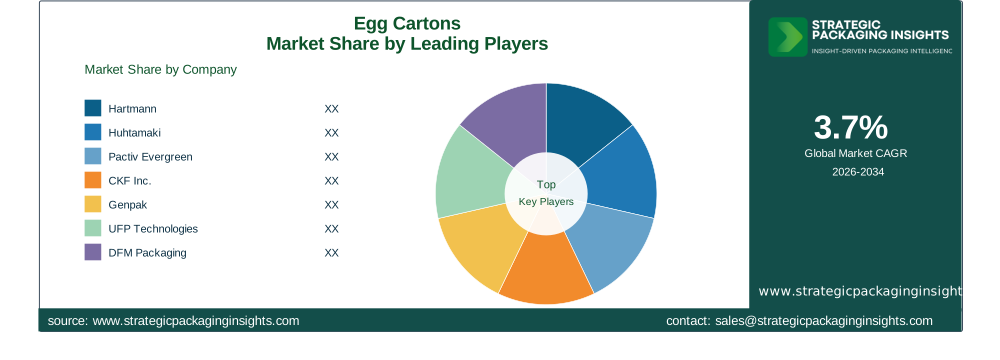
Hartmann is a prominent player in the egg cartons market, known for its sustainable packaging solutions made from recycled materials. The company has a strong focus on environmental sustainability and has been at the forefront of developing eco-friendly packaging solutions. Huhtamaki, another key player, offers a wide range of packaging solutions, including molded fiber and plastic egg cartons. The company's global presence and extensive distribution network have enabled it to capture a significant share of the market. Pactiv Evergreen is also a major player, known for its innovative packaging solutions and commitment to sustainability.
CKF Inc. is a leading manufacturer of molded pulp and foam egg cartons, catering to the needs of both large-scale egg producers and small-scale retailers. The company's focus on quality and customer satisfaction has helped it establish a strong foothold in the market. Genpak, a well-known name in the packaging industry, offers a diverse range of egg cartons made from various materials, including foam and plastic. The company's emphasis on innovation and product development has enabled it to maintain a competitive edge in the market. UFP Technologies is another key player, known for its custom packaging solutions and commitment to sustainability.
Other notable players in the egg cartons market include DFM Packaging, Cellulose de la Loire, CDL Omni-Pac, and Tekni-Plex. These companies are focusing on expanding their product portfolios and enhancing their production capabilities to meet the growing demand for egg cartons. The competitive landscape of the egg cartons market is characterized by continuous innovation, with companies investing in research and development to create new and improved packaging solutions. As the market continues to evolve, companies that can effectively address the growing demand for sustainable and innovative packaging solutions are likely to gain a competitive advantage.
Key Highlights
- The egg cartons market is projected to grow from $2.13 billion in 2025 to $2.97 billion by 2034, at a CAGR of 3.7%.
- Increasing demand for sustainable packaging solutions is driving the adoption of molded fiber and recycled fiber cartons.
- The rise in global egg consumption is fueling the demand for efficient and reliable egg packaging solutions.
- Innovations in design and functionality are enhancing the protective features of egg cartons, reducing breakage during transportation.
- The expansion of the foodservice industry and organized retail is contributing to the growth of the egg cartons market.
- Fluctuating raw material prices and stringent packaging waste regulations pose challenges to market growth.
- Key players in the market include Hartmann, Huhtamaki, Pactiv Evergreen, CKF Inc., and Genpak.
- Emerging economies in Asia Pacific and Latin America present significant growth opportunities for market players.
- The rise of e-commerce and online grocery shopping is creating new distribution channels for egg cartons.
Top Countries Insights
In the egg cartons market, the United States stands out as a key player, with a market size of approximately $1.2 billion and a CAGR of 3%. The country's robust foodservice industry and high egg consumption rates drive demand for efficient packaging solutions. Additionally, the focus on sustainability and eco-friendly packaging is encouraging the adoption of molded fiber and recycled fiber cartons. However, the market faces challenges such as stringent packaging waste regulations and fluctuating raw material prices.
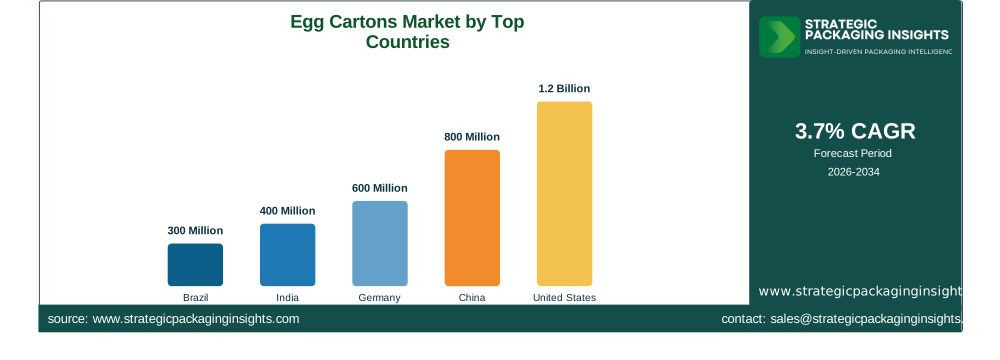
China is another significant market for egg cartons, with a market size of around $800 million and a CAGR of 5%. The country's growing population and increasing egg consumption are key drivers of market growth. The expansion of organized retail and the rise of e-commerce platforms are also contributing to the demand for egg cartons. However, the market faces challenges such as the availability of alternative packaging solutions and the need for compliance with environmental regulations.
In Europe, Germany is a leading market for egg cartons, with a market size of approximately $600 million and a CAGR of 4%. The country's strong focus on sustainability and environmental protection is driving the demand for eco-friendly packaging solutions. The presence of key players such as Hartmann and Huhtamaki further strengthens the market. However, the market faces challenges such as fluctuating raw material prices and the need for compliance with stringent packaging waste regulations.
India is an emerging market for egg cartons, with a market size of around $400 million and a CAGR of 6%. The country's growing population and increasing egg consumption are key drivers of market growth. The expansion of organized retail and the rise of e-commerce platforms are also contributing to the demand for egg cartons. However, the market faces challenges such as the availability of alternative packaging solutions and the need for compliance with environmental regulations.
Brazil is another significant market for egg cartons, with a market size of approximately $300 million and a CAGR of 4%. The country's growing foodservice industry and increasing egg consumption are key drivers of market growth. The focus on sustainability and eco-friendly packaging is encouraging the adoption of molded fiber and recycled fiber cartons. However, the market faces challenges such as fluctuating raw material prices and the need for compliance with packaging waste regulations.
Egg Cartons Market Segments Insights

Product Type Analysis
The egg cartons market is segmented by product type into molded fiber cartons, plastic cartons, and foam cartons. Molded fiber cartons are gaining popularity due to their eco-friendly nature and biodegradability. These cartons are made from recycled paper and are considered a sustainable packaging solution, aligning with the growing consumer preference for environmentally friendly products. The demand for molded fiber cartons is further driven by their ability to provide excellent protection to eggs during transportation, reducing breakage and spoilage. Plastic cartons, on the other hand, offer durability and transparency, allowing consumers to easily inspect the eggs before purchase. However, the environmental concerns associated with plastic waste are driving a shift towards more sustainable alternatives. Foam cartons, while providing good insulation and protection, are facing declining demand due to their environmental impact and the availability of more sustainable options.
Material Type Analysis
The market is also segmented by material type into recycled fiber, molded pulp, PET, and PS. Recycled fiber and molded pulp are gaining traction as they are made from renewable resources and are biodegradable, making them an attractive option for environmentally conscious consumers. These materials offer excellent protection and cushioning for eggs, reducing the risk of breakage during transportation. PET and PS, while offering durability and clarity, are facing challenges due to their environmental impact and the increasing demand for sustainable packaging solutions. Manufacturers are focusing on developing innovative materials that combine the benefits of traditional materials with sustainability, such as biodegradable plastics and compostable materials.
Capacity Analysis
In terms of capacity, the market is segmented into 6-egg, 12-egg, and 18-egg cartons. The 12-egg carton is the most popular choice among consumers, as it offers a convenient size for both households and retailers. The demand for 12-egg cartons is driven by their versatility and the ability to cater to a wide range of consumer needs. The 6-egg carton is gaining popularity among smaller households and single-person households, as it offers a more manageable quantity of eggs. The 18-egg carton, while less common, is favored by larger families and foodservice providers who require larger quantities of eggs. Manufacturers are focusing on optimizing the design and functionality of these cartons to enhance their protective features and reduce breakage during transportation.
End Use Analysis
The egg cartons market is segmented by end use into egg producers, retailers, foodservice, and distributors. Egg producers are the primary consumers of egg cartons, as they require efficient and reliable packaging solutions to transport eggs from farms to retailers and consumers. Retailers, including supermarkets and grocery stores, are also significant consumers of egg cartons, as they need to ensure the safe storage and display of eggs. The foodservice industry, including restaurants, cafes, and catering services, is another key end user, as they require large quantities of eggs for their operations. Distributors, who act as intermediaries between producers and retailers, also play a crucial role in the market, as they require efficient packaging solutions to ensure the safe transportation of eggs.
Egg Cartons Market Segments
The Egg Cartons market has been segmented on the basis ofBy Product Type
- Molded Fiber Cartons
- Plastic Cartons
- Foam Cartons
By Material Type
- Recycled Fiber
- Molded Pulp
- PET
- PS
By Capacity
- 6-Egg
- 12-Egg
- 18-Egg
By End Use
- Egg Producers
- Retailers
- Foodservice
- Distributors
Region
- Asia Pacific
- North America
- Latin America
- Europe
- Middle East & Africa




