


Edible Oil Cans Market Outlook
The edible oil cans market was valued at $1.71 billion in 2025 and is projected to reach $2.63 billion by 2034, growing at a CAGR of 4.9% during the forecast period 2026-2034. This growth is driven by increasing consumer demand for convenient and sustainable packaging solutions. The market is witnessing a shift towards eco-friendly materials, with manufacturers focusing on reducing carbon footprints and enhancing recyclability. The rising health consciousness among consumers is also propelling the demand for high-quality edible oils, which in turn boosts the need for reliable and safe packaging solutions like cans. Additionally, the expansion of the foodservice industry and the growing trend of home cooking are further fueling the market growth.
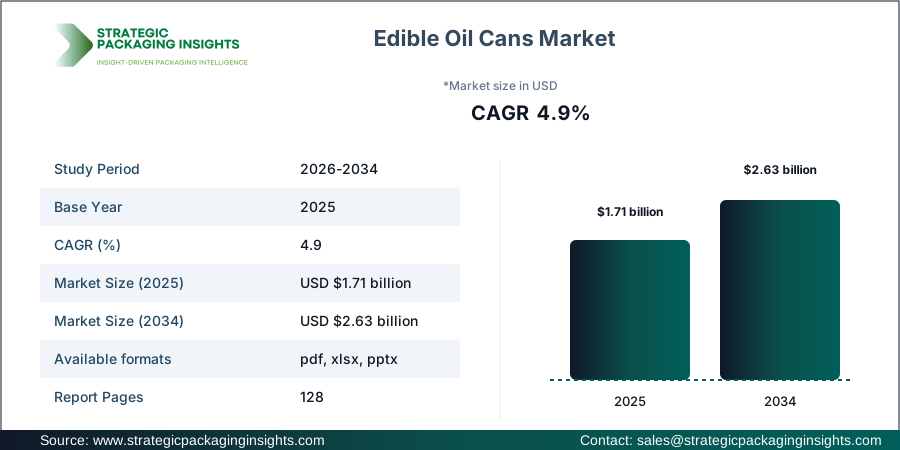
However, the market faces challenges such as fluctuating raw material prices and stringent environmental regulations. The volatility in the prices of metals like aluminum and steel can impact the production costs of cans, thereby affecting the overall market profitability. Moreover, regulatory bodies across various regions are imposing strict guidelines on packaging materials to ensure environmental safety, which can pose compliance challenges for manufacturers. Despite these restraints, the market holds significant growth potential due to technological advancements in can manufacturing and the increasing adoption of smart packaging solutions that enhance product shelf life and consumer engagement.
Report Scope
| Attributes | Details |
| Report Title | Edible Oil Cans Market Size, Future Growth and Forecast 2034 |
| By Product Type | Tinplate Cans, Aluminum Cans, Steel Cans |
| By Capacity | Below 1L, 1–5L, Above 5L |
| By Application | Edible Oil, Ghee, Specialty Oils |
| By End Use | Oil Processors, FMCG Brands, Foodservice, Retailers |
| Region | Asia Pacific, North America, Latin America, Europe, Middle East & Africa |
| Base Year | 2025 |
| Historic Period | 2018-2024 |
| Forecast Period | 2026-2034 |
| Number of Pages | 128 |
| Customization Available | Yes* |
Opportunities & Threats
The edible oil cans market presents numerous opportunities, particularly in emerging economies where the demand for packaged edible oils is on the rise. The increasing urbanization and changing dietary patterns in countries like India and China are driving the consumption of edible oils, thereby boosting the demand for cans. Additionally, the growing awareness about the benefits of using metal cans, such as their ability to preserve the quality and flavor of oils, is encouraging manufacturers to invest in this packaging format. The trend towards premiumization in the edible oil sector also offers lucrative opportunities for can manufacturers to develop aesthetically appealing and functional packaging solutions.
Another significant opportunity lies in the development of sustainable and eco-friendly packaging solutions. With consumers becoming more environmentally conscious, there is a growing demand for recyclable and biodegradable packaging materials. Manufacturers can capitalize on this trend by innovating and offering cans made from sustainable materials, thereby gaining a competitive edge in the market. Furthermore, the integration of smart technologies in packaging, such as QR codes and NFC tags, can enhance consumer engagement and provide valuable product information, creating additional growth avenues for the market.
On the flip side, the edible oil cans market faces threats from alternative packaging solutions such as plastic bottles and pouches. These alternatives are often perceived as more cost-effective and convenient, posing a challenge to the adoption of metal cans. Additionally, the increasing focus on reducing plastic waste has led to the development of innovative plastic packaging solutions that are both lightweight and environmentally friendly, further intensifying the competition. To mitigate these threats, can manufacturers need to emphasize the superior protective qualities and sustainability of metal cans.
Drivers & Challenges
The edible oil cans market is primarily driven by the growing demand for packaged edible oils, which is fueled by the increasing global population and rising disposable incomes. Consumers are increasingly opting for packaged oils due to their convenience, safety, and extended shelf life. This trend is particularly prominent in urban areas where busy lifestyles necessitate easy-to-use and store packaging solutions. Additionally, the health benefits associated with certain edible oils, such as olive and canola oil, are driving their consumption, thereby boosting the demand for cans as a preferred packaging option.
Technological advancements in can manufacturing are also a significant driver for the market. Innovations in can design and production processes have led to the development of lightweight, durable, and aesthetically pleasing cans that cater to the evolving consumer preferences. The use of advanced printing technologies allows manufacturers to create visually appealing packaging that enhances brand visibility and consumer appeal. Moreover, the increasing focus on sustainability has prompted manufacturers to adopt eco-friendly production practices, further driving the market growth.
Despite these drivers, the market faces challenges such as the high cost of raw materials and the need for compliance with stringent environmental regulations. The fluctuating prices of metals like aluminum and steel can significantly impact the production costs, affecting the profitability of can manufacturers. Additionally, the regulatory landscape is becoming increasingly complex, with governments across the globe implementing strict guidelines to ensure the environmental safety of packaging materials. Manufacturers need to navigate these challenges by investing in research and development to create cost-effective and compliant packaging solutions.
Market Share Analysis
The edible oil cans market is characterized by a competitive landscape with several key players vying for market share. Companies like Crown Holdings, Ball Corporation, and Silgan Holdings are at the forefront, leveraging their extensive experience and technological expertise to maintain a strong market presence. These companies are focusing on expanding their product portfolios and enhancing their production capabilities to cater to the growing demand for edible oil cans. Additionally, strategic partnerships and collaborations are common strategies adopted by these players to strengthen their market position.

Crown Holdings, a leading player in the market, is known for its innovative packaging solutions and commitment to sustainability. The company has a significant market share, driven by its extensive product offerings and global reach. Ball Corporation, another major player, is renowned for its advanced can manufacturing technologies and focus on eco-friendly packaging solutions. The company's strong emphasis on research and development has enabled it to introduce cutting-edge products that meet the evolving consumer demands.
Silgan Holdings is a prominent player in the edible oil cans market, known for its diverse product range and customer-centric approach. The company has a robust distribution network and a strong presence in key markets, which has contributed to its substantial market share. Ardagh Group, CPMC Holdings, and Toyo Seikan are other notable players in the market, each with their unique strengths and strategies. These companies are investing in technological advancements and expanding their production capacities to capitalize on the growing demand for edible oil cans.
Envases Group, Nampak, Can-Pack, and Massilly Group are also significant contributors to the market, each with a focus on innovation and sustainability. These companies are actively exploring new markets and enhancing their product offerings to gain a competitive edge. The overall competitive landscape of the edible oil cans market is dynamic, with players continuously striving to innovate and differentiate their products to capture a larger share of the market.
Key Highlights
- The edible oil cans market is projected to grow at a CAGR of 4.9% from 2026 to 2034.
- Increasing consumer demand for sustainable and eco-friendly packaging solutions is a major market driver.
- Technological advancements in can manufacturing are enhancing product quality and consumer appeal.
- Emerging economies present significant growth opportunities due to rising urbanization and changing dietary patterns.
- Fluctuating raw material prices and stringent environmental regulations pose challenges to market growth.
- Key players are focusing on expanding their product portfolios and enhancing production capabilities.
- Alternative packaging solutions like plastic bottles and pouches present a competitive threat.
- Integration of smart technologies in packaging is creating new growth avenues.
- Strategic partnerships and collaborations are common strategies among market players.
- Focus on premiumization in the edible oil sector offers lucrative opportunities for can manufacturers.
Top Countries Insights
In the edible oil cans market, the United States stands out with a market size of approximately $450 million and a CAGR of 3%. The country's robust foodservice industry and high consumption of packaged edible oils drive the demand for cans. Additionally, the focus on sustainability and recycling initiatives supports the growth of metal packaging solutions. However, the market faces challenges from alternative packaging materials and stringent environmental regulations.
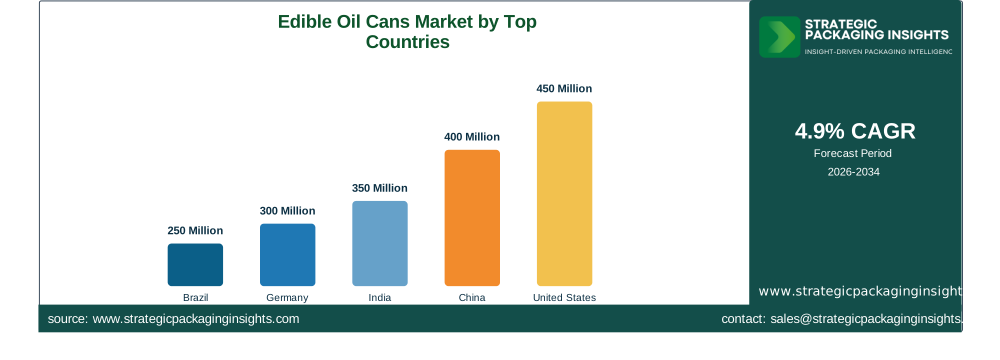
China, with a market size of around $400 million and a CAGR of 5%, is a key player in the edible oil cans market. The country's rapid urbanization and increasing disposable incomes are driving the demand for packaged edible oils. Moreover, the government's initiatives to promote sustainable packaging solutions are encouraging manufacturers to adopt eco-friendly materials. However, the market faces challenges from fluctuating raw material prices and intense competition from local players.
India, with a market size of approximately $350 million and a CAGR of 6%, presents significant growth opportunities for the edible oil cans market. The country's growing population and changing dietary patterns are driving the consumption of edible oils, thereby boosting the demand for cans. Additionally, the increasing awareness about the benefits of metal packaging is encouraging manufacturers to invest in this segment. However, the market faces challenges from alternative packaging solutions and regulatory compliance issues.
Germany, with a market size of around $300 million and a CAGR of 4%, is a prominent player in the edible oil cans market. The country's strong focus on sustainability and recycling initiatives is driving the demand for metal packaging solutions. Additionally, the presence of key market players and technological advancements in can manufacturing are supporting market growth. However, the market faces challenges from stringent environmental regulations and competition from alternative packaging materials.
Brazil, with a market size of approximately $250 million and a CAGR of 4%, is an emerging market for edible oil cans. The country's growing foodservice industry and increasing consumption of packaged edible oils are driving the demand for cans. Additionally, the focus on sustainability and eco-friendly packaging solutions is encouraging manufacturers to adopt metal cans. However, the market faces challenges from fluctuating raw material prices and competition from alternative packaging solutions.
Edible Oil Cans Market Segments Insights

Product Type Analysis
The edible oil cans market is segmented by product type into tinplate cans, aluminum cans, and steel cans. Tinplate cans are favored for their durability and cost-effectiveness, making them a popular choice among manufacturers. The demand for aluminum cans is driven by their lightweight nature and superior recyclability, which aligns with the growing consumer preference for sustainable packaging solutions. Steel cans, known for their strength and protective qualities, are also gaining traction in the market. The competition among these product types is intense, with manufacturers focusing on innovation and product differentiation to capture market share.
Trends in the product type segment indicate a shift towards eco-friendly materials, with manufacturers investing in research and development to create sustainable packaging solutions. The increasing focus on reducing carbon footprints and enhancing recyclability is driving the demand for aluminum and steel cans. Additionally, the growing awareness about the benefits of metal packaging, such as its ability to preserve the quality and flavor of edible oils, is encouraging manufacturers to invest in this segment. The competition in the product type segment is expected to intensify as manufacturers strive to meet the evolving consumer demands.
Capacity Analysis
The capacity segment of the edible oil cans market is divided into below 1L, 1-5L, and above 5L. The below 1L segment is driven by the increasing demand for small-sized packaging solutions, particularly in urban areas where space constraints and convenience are key considerations. The 1-5L segment is the most popular, catering to both household and commercial needs. The above 5L segment is gaining traction in the foodservice industry, where bulk packaging solutions are preferred for cost-effectiveness and efficiency.
Trends in the capacity segment indicate a growing preference for customizable packaging solutions that cater to specific consumer needs. Manufacturers are focusing on developing innovative packaging designs that enhance convenience and usability. The demand for bulk packaging solutions is also on the rise, driven by the expansion of the foodservice industry and the growing trend of home cooking. The competition in the capacity segment is expected to intensify as manufacturers strive to offer a diverse range of packaging solutions to meet the evolving consumer demands.
Application Analysis
The application segment of the edible oil cans market includes edible oil, ghee, and specialty oils. The edible oil segment is the largest, driven by the increasing consumption of packaged oils due to their convenience and extended shelf life. The ghee segment is gaining traction, particularly in regions where ghee is a staple in traditional cuisines. The specialty oils segment is also growing, driven by the rising demand for premium and health-focused oils such as olive and avocado oil.
Trends in the application segment indicate a growing focus on premiumization, with manufacturers investing in high-quality packaging solutions that enhance product appeal and consumer engagement. The demand for specialty oils is also on the rise, driven by the increasing health consciousness among consumers and the growing popularity of gourmet cooking. The competition in the application segment is expected to intensify as manufacturers strive to differentiate their products and capture market share.
End Use Analysis
The end use segment of the edible oil cans market includes oil processors, FMCG brands, foodservice, and retailers. Oil processors are the largest segment, driven by the increasing demand for packaged edible oils and the need for reliable and safe packaging solutions. FMCG brands are also significant contributors to the market, focusing on developing innovative packaging designs that enhance brand visibility and consumer appeal.
The foodservice segment is gaining traction, driven by the expansion of the foodservice industry and the growing trend of home cooking. Retailers are also playing a crucial role in the market, focusing on offering a diverse range of packaging solutions to meet the evolving consumer demands. Trends in the end use segment indicate a growing focus on sustainability and eco-friendly packaging solutions, with manufacturers investing in research and development to create innovative and sustainable packaging solutions. The competition in the end use segment is expected to intensify as manufacturers strive to meet the evolving consumer demands and capture market share.
Edible Oil Cans Market Segments
The Edible Oil Cans market has been segmented on the basis ofBy Product Type
- Tinplate Cans
- Aluminum Cans
- Steel Cans
By Capacity
- Below 1L
- 1–5L
- Above 5L
By Application
- Edible Oil
- Ghee
- Specialty Oils
By End Use
- Oil Processors
- FMCG Brands
- Foodservice
- Retailers
Region
- Asia Pacific
- North America
- Latin America
- Europe
- Middle East & Africa




