


Edible Cups Market Outlook
The Edible Cups market was valued at $789.23 million in 2025 and is projected to reach $2.33 billion by 2034, growing at a CAGR of 12.8% during the forecast period 2026-2034. This market is witnessing significant growth due to increasing consumer awareness about environmental sustainability and the rising demand for eco-friendly packaging solutions. The shift towards reducing plastic waste and the adoption of biodegradable alternatives are key drivers propelling the market forward. The edible cups market is also benefiting from innovations in food technology, which are enhancing the taste and durability of these products, making them more appealing to consumers and businesses alike.
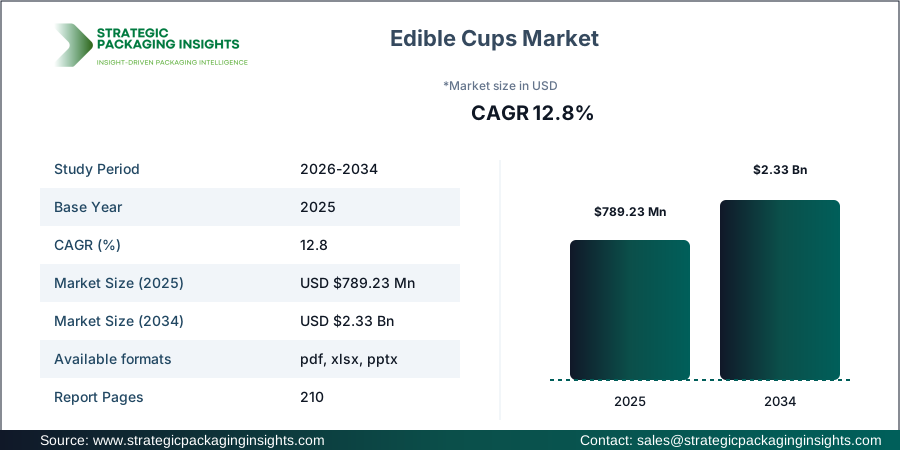
Despite the promising growth trajectory, the edible cups market faces certain challenges. Regulatory hurdles and the need for compliance with food safety standards can pose significant barriers to market entry. Additionally, the high cost of production compared to traditional packaging solutions may limit widespread adoption, particularly in price-sensitive markets. However, the potential for growth remains substantial as technological advancements continue to reduce production costs and improve product quality. The market is also poised to benefit from increasing investments in research and development, which are expected to drive innovation and expand the range of applications for edible cups.
Report Scope
| Attributes | Details |
| Report Title | Edible Cups Market Size, Future Growth and Forecast 2034 |
| Material | Wafers, Rice, Seaweed |
| Flavor | Sweet, Savory |
| Filling | Ice Cream, Beverages |
| Size | Small, Large |
| Region | Asia Pacific, North America, Latin America, Europe, Middle East & Africa |
| Base Year | 2025 |
| Historic Period | 2018-2024 |
| Forecast Period | 2026-2034 |
| Number of Pages | 210 |
| Customization Available | Yes* |
Opportunities & Threats
The edible cups market presents numerous opportunities for growth, particularly in the realm of sustainability. As consumers become more environmentally conscious, there is a growing demand for products that reduce waste and minimize environmental impact. Edible cups, being biodegradable and often made from natural ingredients, align perfectly with this trend. This creates a significant opportunity for manufacturers to tap into a market that values eco-friendly solutions. Additionally, the versatility of edible cups in terms of flavors and fillings allows for customization, catering to diverse consumer preferences and expanding their appeal across different demographics.
Another opportunity lies in the expanding food and beverage industry, which is increasingly looking for innovative ways to enhance customer experience. Edible cups offer a unique selling proposition by providing a novel and interactive way to consume beverages and desserts. This can be particularly appealing in sectors such as hospitality and events, where differentiation and customer engagement are key. Furthermore, partnerships with food and beverage brands can open new avenues for market penetration and brand visibility, driving further growth in the edible cups market.
However, the market is not without its threats. One of the primary challenges is the competition from traditional packaging solutions, which are often cheaper and more readily available. Additionally, consumer skepticism regarding the taste and texture of edible cups can hinder adoption. Overcoming these perceptions requires effective marketing strategies and continuous product innovation to ensure that edible cups meet consumer expectations in terms of both functionality and flavor. Moreover, fluctuations in raw material prices can impact production costs, posing a threat to profitability for manufacturers.
Drivers & Challenges
The primary drivers of the edible cups market include the increasing focus on sustainability and the reduction of plastic waste. Governments and environmental organizations worldwide are advocating for the reduction of single-use plastics, creating a favorable regulatory environment for the adoption of biodegradable alternatives like edible cups. This regulatory support, coupled with growing consumer awareness, is driving demand for sustainable packaging solutions. Additionally, advancements in food technology are enabling the development of edible cups that are not only environmentally friendly but also appealing in terms of taste and texture, further boosting market growth.
Another significant driver is the rising trend of experiential dining and the demand for unique culinary experiences. Edible cups offer a novel way to present food and beverages, enhancing the overall dining experience. This trend is particularly prominent in the hospitality and events sectors, where businesses are constantly seeking innovative ways to engage customers. The ability to customize edible cups with different flavors and fillings also adds to their appeal, allowing businesses to tailor their offerings to specific customer preferences and occasions.
Despite these drivers, the edible cups market faces several challenges. One of the main challenges is the high cost of production compared to traditional packaging solutions. This cost disparity can be a barrier to adoption, particularly in markets where price sensitivity is high. Additionally, ensuring compliance with food safety standards and regulations can be complex and costly, especially for new entrants. The market also faces challenges related to consumer acceptance, as some consumers may be hesitant to try edible cups due to concerns about taste and texture. Overcoming these challenges requires continuous innovation and effective marketing strategies to educate consumers and highlight the benefits of edible cups.
Market Share Analysis
The edible cups market is characterized by a competitive landscape with several key players striving to gain market share. Companies such as Cupffee, Loliware, and WikiFoods are at the forefront of the market, leveraging their innovative product offerings and strong brand presence to capture a significant portion of the market. These companies are focusing on expanding their product portfolios and enhancing their distribution networks to reach a wider audience. Additionally, strategic partnerships and collaborations with food and beverage brands are helping these companies to strengthen their market position and drive growth.
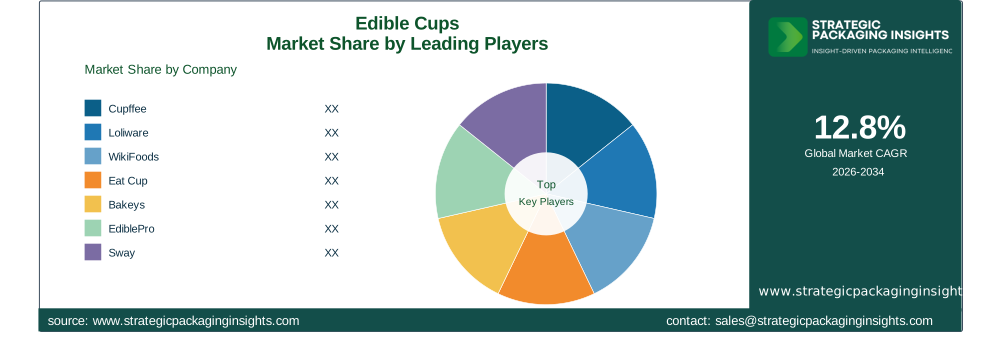
Cupffee, a leading player in the edible cups market, is known for its innovative approach to sustainable packaging. The company offers a range of edible cups made from natural ingredients, catering to the growing demand for eco-friendly solutions. Loliware, another prominent player, has gained recognition for its seaweed-based edible cups, which are not only biodegradable but also nutritious. The company's focus on sustainability and innovation has helped it to establish a strong foothold in the market.
WikiFoods, a pioneer in the edible packaging industry, offers a unique range of edible cups that are designed to enhance the consumer experience. The company's products are made from natural ingredients and are available in a variety of flavors, catering to diverse consumer preferences. Eat Cup and Bakeys are also notable players in the market, known for their innovative product offerings and commitment to sustainability. These companies are continuously investing in research and development to improve their product offerings and expand their market reach.
Other key players in the edible cups market include EdiblePro, Sway, Tôm Crowie, The Water Bulb, and Agaroplast. These companies are focusing on product innovation and strategic partnerships to strengthen their market position and drive growth. The competitive landscape of the edible cups market is dynamic, with companies constantly striving to differentiate themselves through unique product offerings and innovative marketing strategies. As the market continues to grow, competition is expected to intensify, driving further innovation and expansion in the edible cups industry.
Key Highlights
- The edible cups market is projected to grow at a CAGR of 12.8% from 2026 to 2034.
- Increasing consumer awareness about environmental sustainability is driving demand for edible cups.
- Advancements in food technology are enhancing the taste and durability of edible cups.
- Regulatory support for reducing plastic waste is creating a favorable environment for market growth.
- The hospitality and events sectors are key drivers of demand for edible cups.
- Customization options in terms of flavors and fillings are expanding the appeal of edible cups.
- High production costs compared to traditional packaging solutions remain a challenge.
- Strategic partnerships with food and beverage brands are helping companies to expand their market reach.
- Consumer skepticism regarding taste and texture is a barrier to adoption.
- Continuous innovation is essential to overcome challenges and drive market growth.
Top Countries Insights
In the edible cups market, the United States stands out as a leading country, with a market size of approximately $450 million and a CAGR of 10%. The country's strong focus on sustainability and environmental conservation is driving demand for eco-friendly packaging solutions like edible cups. Government initiatives to reduce plastic waste and promote biodegradable alternatives are further supporting market growth. Additionally, the presence of key players and a well-established food and beverage industry are contributing to the market's expansion in the United States.
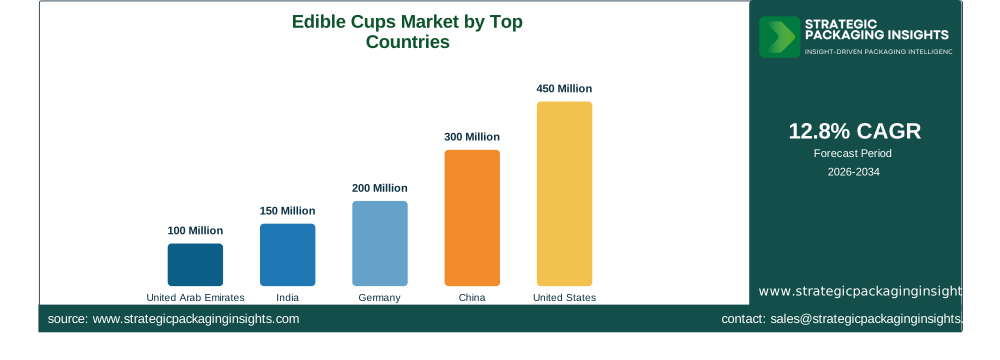
China is another significant player in the edible cups market, with a market size of around $300 million and a CAGR of 15%. The country's large population and growing middle class are driving demand for innovative and sustainable packaging solutions. Government policies aimed at reducing plastic waste and promoting environmental sustainability are also playing a crucial role in the market's growth. Furthermore, the increasing popularity of experiential dining and the demand for unique culinary experiences are boosting the adoption of edible cups in China.
In Europe, Germany is a key market for edible cups, with a market size of approximately $200 million and a CAGR of 9%. The country's strong environmental regulations and focus on sustainability are driving demand for biodegradable packaging solutions. Additionally, the presence of a well-established food and beverage industry and a growing trend towards experiential dining are contributing to the market's growth in Germany. The country's emphasis on innovation and technology is also supporting the development of new and improved edible cup products.
India is emerging as a promising market for edible cups, with a market size of around $150 million and a CAGR of 12%. The country's large population and growing awareness about environmental sustainability are driving demand for eco-friendly packaging solutions. Government initiatives to reduce plastic waste and promote biodegradable alternatives are further supporting market growth. Additionally, the increasing popularity of street food and the demand for unique dining experiences are boosting the adoption of edible cups in India.
In the Middle East, the United Arab Emirates is a notable market for edible cups, with a market size of approximately $100 million and a CAGR of 8%. The country's focus on sustainability and environmental conservation is driving demand for biodegradable packaging solutions. Government initiatives to reduce plastic waste and promote eco-friendly alternatives are further supporting market growth. Additionally, the presence of a thriving hospitality and events industry is contributing to the market's expansion in the United Arab Emirates.
Edible Cups Market Segments Insights

Material Analysis
The material segment of the edible cups market is primarily categorized into wafers, rice, and seaweed. Wafers are a popular choice due to their versatility and ability to complement a wide range of flavors. They are particularly favored in the dessert segment, where they add a crunchy texture to ice creams and other sweet treats. Rice-based edible cups are gaining traction for their gluten-free properties and neutral taste, making them suitable for both sweet and savory applications. Seaweed, on the other hand, is emerging as a sustainable alternative, offering nutritional benefits and a unique flavor profile that appeals to health-conscious consumers.
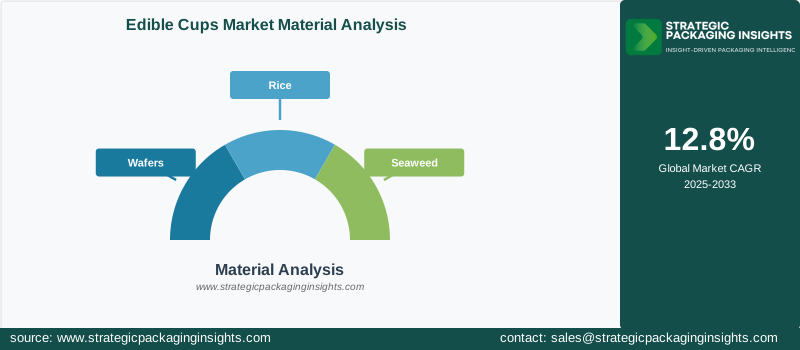
In terms of market dynamics, the demand for wafer-based edible cups is driven by their widespread acceptance and ease of production. However, rice and seaweed are witnessing increasing interest due to their health benefits and environmental sustainability. The competition in this segment is intense, with manufacturers focusing on product innovation and differentiation to capture market share. Consumer demand for natural and organic ingredients is also influencing the development of new products, with companies investing in research and development to enhance the taste and texture of their offerings.
Flavor Analysis
The flavor segment of the edible cups market is divided into sweet and savory options. Sweet flavors dominate the market, driven by their popularity in the dessert and confectionery sectors. These flavors are often paired with ice creams, yogurts, and other sweet treats, enhancing the overall consumer experience. Savory flavors, although less prevalent, are gaining traction in the beverage and snack segments, offering a unique twist to traditional offerings. The ability to customize flavors to suit specific consumer preferences is a key driver of growth in this segment.
Trends in the flavor segment are influenced by consumer demand for unique and exotic tastes. Manufacturers are experimenting with a variety of flavor combinations to cater to diverse consumer preferences and expand their product offerings. The competition in this segment is fierce, with companies striving to differentiate themselves through innovative flavor profiles and high-quality ingredients. The growing trend towards health and wellness is also impacting flavor development, with an increasing focus on natural and organic ingredients that align with consumer preferences for healthier options.
Filling Analysis
The filling segment of the edible cups market is categorized into ice cream and beverages. Ice cream fillings are the most popular, driven by the widespread appeal of ice cream as a dessert option. Edible cups provide a unique and interactive way to enjoy ice cream, enhancing the overall consumer experience. Beverage fillings, although less common, are gaining popularity in the hospitality and events sectors, where they offer a novel way to serve drinks and engage customers. The ability to customize fillings to suit specific occasions and consumer preferences is a key driver of growth in this segment.
Market dynamics in the filling segment are influenced by consumer demand for unique and experiential dining options. Manufacturers are focusing on product innovation and customization to cater to diverse consumer preferences and expand their market reach. The competition in this segment is intense, with companies striving to differentiate themselves through innovative product offerings and high-quality ingredients. The growing trend towards sustainability and environmental conservation is also impacting the development of new fillings, with an increasing focus on natural and biodegradable ingredients.
Size Analysis
The size segment of the edible cups market is divided into small and large options. Small edible cups are popular in the dessert and confectionery sectors, where they offer a convenient and portion-controlled way to enjoy sweet treats. Large edible cups, on the other hand, are gaining traction in the beverage and snack segments, where they provide a unique and interactive way to serve drinks and snacks. The ability to customize sizes to suit specific consumer preferences and occasions is a key driver of growth in this segment.
Trends in the size segment are influenced by consumer demand for convenience and portion control. Manufacturers are focusing on product innovation and customization to cater to diverse consumer preferences and expand their market reach. The competition in this segment is intense, with companies striving to differentiate themselves through innovative product offerings and high-quality ingredients. The growing trend towards sustainability and environmental conservation is also impacting the development of new sizes, with an increasing focus on natural and biodegradable ingredients that align with consumer preferences for eco-friendly options.
Edible Cups Market Segments
The Edible Cups market has been segmented on the basis ofMaterial
- Wafers
- Rice
- Seaweed
Flavor
- Sweet
- Savory
Filling
- Ice Cream
- Beverages
Size
- Small
- Large
Region
- Asia Pacific
- North America
- Latin America
- Europe
- Middle East & Africa




