


Digital Printing for Packaging Market Outlook
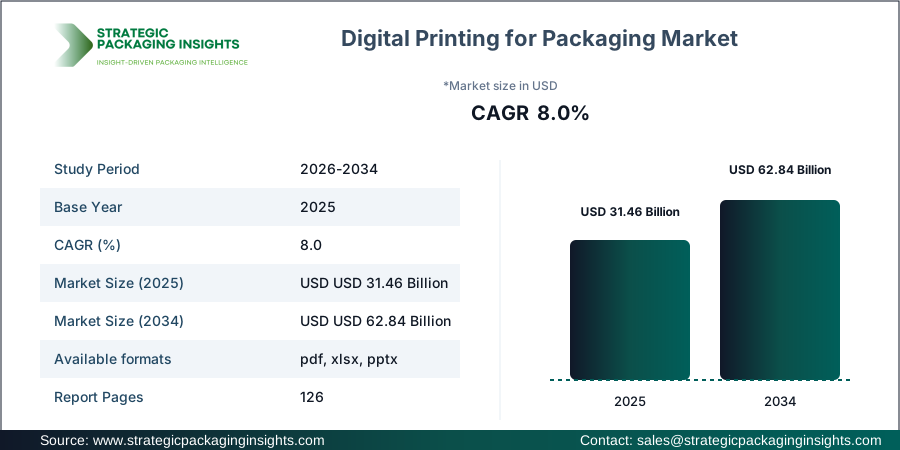
The Digital Printing for Packaging market size was valued at USD 31.46 Billion in 2025 and is anticipated to reach USD 62.84 Billion by 2034, growing at a CAGR of 8.0% during the forecast period according to Strategic Packaging Insights. The market is witnessing robust growth driven by the increasing demand for customized packaging solutions and the rapid adoption of digital printing technologies across various industries. Companies like HP Inc. and Canon Inc. are leading the charge by offering innovative digital printing solutions that cater to the evolving needs of packaging converters and brand owners. The shift towards digital printing is primarily fueled by its ability to provide high-quality, cost-effective, and flexible packaging solutions that meet the dynamic requirements of modern consumers.
One of the most impactful drivers of the Digital Printing for Packaging market is the growing emphasis on sustainability and eco-friendly packaging solutions. Governments and regulatory bodies worldwide are implementing stringent regulations to reduce carbon footprints and promote sustainable practices in the packaging industry. This has led to an increased focus on digital printing technologies that enable the use of recyclable and biodegradable materials. Companies like Xeikon and Durst Group are investing heavily in research and development to create sustainable printing solutions that align with these regulatory requirements. The integration of digital printing with sustainable practices not only enhances the environmental credentials of packaging but also provides a competitive edge to companies in the market.
Report Scope
| Attributes | Details |
| Report Title | Digital Printing for Packaging Market Size, Future Growth and Forecast 2034 |
| By Printing Technology | Inkjet Printing, Electrophotography, UV Inkjet Printing, Hybrid Digital Printing |
| By Packaging Type | Labels, Flexible Packaging, Corrugated Packaging, Cartons, Rigid Packaging |
| By Application | Food & Beverage, Healthcare & Pharmaceuticals, Personal Care & Cosmetics, Consumer Goods, Industrial Packaging |
| By End User | Packaging Converters, Commercial Printers, Brand Owners, Food Manufacturers, Pharmaceutical Companies |
| Region | Asia Pacific, North America, Latin America, Europe, Middle East & Africa |
| Base Year | 2025 |
| Historic Period | 2018-2024 |
| Forecast Period | 2026-2034 |
| Number of Pages | 126 |
| Customization Available | Yes* |
Sustainability & Circular Economy Analysis
Sustainability initiatives and circular economy practices are significantly influencing the Digital Printing for Packaging market. The adoption of recyclable materials and reusable packaging is becoming a norm as companies strive to meet consumer demand for eco-friendly products. Lightweight packaging and eco-friendly material innovations are at the forefront of this transformation, with companies like Epson and Domino Printing Sciences leading the way. These trends are reshaping packaging design and manufacturing processes, encouraging investments in sustainable technologies and materials.
Waste reduction strategies and ESG initiatives are becoming integral to the packaging industry, driving companies to adopt digital printing technologies that minimize waste and reduce carbon footprints. The emphasis on carbon footprint reduction is prompting packaging manufacturers to explore digital printing solutions that offer precision and efficiency. This shift is influencing supply chain strategies, as companies seek to optimize their operations to align with sustainability goals. Regulatory compliance is also a key factor, with extended producer responsibility (EPR) regulations pushing companies to adopt sustainable practices.
Consumer preferences for sustainable packaging are driving investment decisions and long-term market competitiveness. Packaging regulations are evolving to support circular economy practices, encouraging companies to innovate and adopt digital printing technologies that support sustainability. The integration of these trends into packaging design and manufacturing processes is essential for companies to remain competitive in the market. As a result, digital printing for packaging is becoming a critical component of sustainable packaging solutions, offering opportunities for growth and innovation in the industry.
Packaging Value Chain & Supply Chain Analysis
The packaging value chain is a complex ecosystem involving raw material sourcing, packaging converters, manufacturers, and logistics providers. Digital printing technologies are playing a crucial role in enhancing supply chain efficiency by enabling just-in-time production and reducing inventory costs. Companies like SCREEN Graphic Solutions and Koenig & Bauer are leveraging digital printing to streamline production processes and improve supply chain resilience. The availability of raw materials and strategic partnerships with suppliers are critical factors influencing market performance and competitiveness.
Packaging converters and manufacturers are increasingly adopting digital printing technologies to meet the growing demand for customized and flexible packaging solutions. This shift is driving changes in procurement strategies and inventory management, as companies seek to optimize their operations to meet consumer demands. The integration of digital printing with packaging machinery is enhancing production capabilities and enabling companies to offer a wider range of packaging solutions. Logistics and distribution channels are also evolving to support the growing demand for digital printing solutions, with companies investing in advanced technologies to improve efficiency and reduce costs.
Global sourcing and localization are key trends shaping the packaging supply chain, as companies seek to balance cost efficiency with sustainability goals. The integration of recycling networks into the supply chain is becoming increasingly important, as companies strive to meet regulatory requirements and consumer expectations for sustainable packaging. Strategic partnerships with brand owners and retailers are also critical for success in the digital printing for packaging market, as companies seek to leverage their expertise and resources to drive innovation and growth. Overall, the packaging value chain is evolving to support the growing demand for digital printing solutions, offering opportunities for companies to enhance their competitiveness and market position.
Opportunities & Threats
The Digital Printing for Packaging market presents numerous opportunities for growth and innovation. One of the key opportunities lies in the increasing demand for personalized and customized packaging solutions. Consumers are seeking unique and personalized experiences, driving companies to adopt digital printing technologies that offer flexibility and customization. This trend is particularly evident in the food and beverage and personal care industries, where packaging plays a crucial role in brand differentiation and consumer engagement. Companies that can offer innovative and customized packaging solutions are well-positioned to capitalize on this growing demand.
Another significant opportunity in the market is the growing emphasis on sustainability and eco-friendly packaging solutions. As consumers become more environmentally conscious, there is a rising demand for packaging solutions that are recyclable, biodegradable, and made from sustainable materials. Digital printing technologies enable companies to meet these demands by offering sustainable packaging solutions that reduce waste and minimize environmental impact. Companies that can integrate sustainability into their packaging solutions are likely to gain a competitive advantage in the market, as consumers increasingly prioritize eco-friendly products.
Despite the numerous opportunities, the Digital Printing for Packaging market also faces several threats. One of the primary challenges is the high cost of digital printing technologies, which can be a barrier to entry for small and medium-sized enterprises. Additionally, the rapid pace of technological advancements in the industry can make it difficult for companies to keep up with the latest trends and innovations. Regulatory challenges and compliance requirements can also pose a threat to market growth, as companies must navigate complex regulations and standards to ensure their packaging solutions meet industry requirements. Companies that can effectively address these challenges are likely to succeed in the competitive digital printing for packaging market.
Drivers & Challenges
The Digital Printing for Packaging market is driven by several key factors, including the increasing demand for customized and personalized packaging solutions. Consumers are seeking unique and personalized experiences, driving companies to adopt digital printing technologies that offer flexibility and customization. This trend is particularly evident in the food and beverage and personal care industries, where packaging plays a crucial role in brand differentiation and consumer engagement. Companies that can offer innovative and customized packaging solutions are well-positioned to capitalize on this growing demand.
Another significant driver of the market is the growing emphasis on sustainability and eco-friendly packaging solutions. As consumers become more environmentally conscious, there is a rising demand for packaging solutions that are recyclable, biodegradable, and made from sustainable materials. Digital printing technologies enable companies to meet these demands by offering sustainable packaging solutions that reduce waste and minimize environmental impact. Companies that can integrate sustainability into their packaging solutions are likely to gain a competitive advantage in the market, as consumers increasingly prioritize eco-friendly products.
Despite the numerous drivers, the Digital Printing for Packaging market also faces several challenges. One of the primary challenges is the high cost of digital printing technologies, which can be a barrier to entry for small and medium-sized enterprises. Additionally, the rapid pace of technological advancements in the industry can make it difficult for companies to keep up with the latest trends and innovations. Regulatory challenges and compliance requirements can also pose a threat to market growth, as companies must navigate complex regulations and standards to ensure their packaging solutions meet industry requirements. Companies that can effectively address these challenges are likely to succeed in the competitive digital printing for packaging market.
Market Share Analysis
The competitive landscape of the Digital Printing for Packaging market is characterized by the presence of several key players, each vying for market share through innovation and strategic partnerships. Companies like HP Inc. and Canon Inc. are leading the market with their advanced digital printing technologies and solutions. These companies have established themselves as leaders in the industry by offering a wide range of products and services that cater to the diverse needs of packaging converters and brand owners. Their strong market presence and extensive distribution networks have enabled them to capture a significant share of the market.
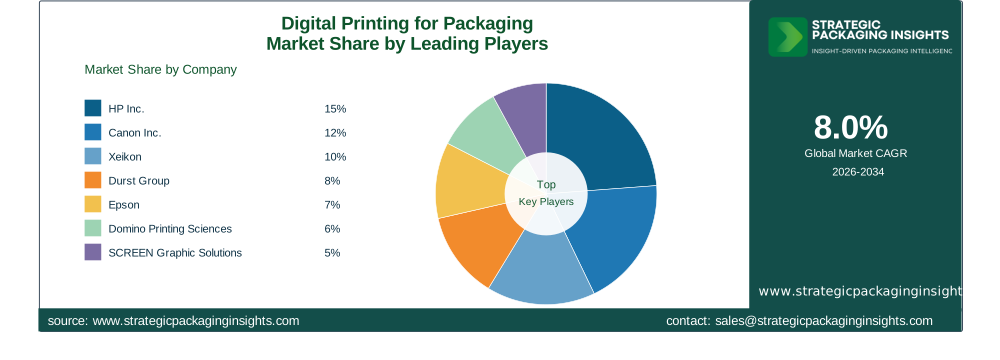
Xeikon and Durst Group are also prominent players in the market, known for their innovative digital printing solutions and commitment to sustainability. These companies have invested heavily in research and development to create cutting-edge technologies that meet the evolving needs of the packaging industry. Their focus on sustainability and eco-friendly solutions has positioned them as leaders in the market, as consumers increasingly prioritize environmentally conscious products. The ability to offer sustainable packaging solutions has become a key differentiator for companies in the digital printing for packaging market.
Epson and Domino Printing Sciences are other notable players in the market, known for their high-quality digital printing solutions and strong customer relationships. These companies have built a reputation for delivering reliable and efficient printing solutions that meet the needs of packaging converters and brand owners. Their focus on customer satisfaction and innovation has enabled them to maintain a strong market position and capture a significant share of the market. The competitive landscape of the digital printing for packaging market is dynamic, with companies constantly striving to innovate and differentiate themselves from their competitors.
SCREEN Graphic Solutions and Koenig & Bauer are also key players in the market, known for their advanced digital printing technologies and solutions. These companies have established themselves as leaders in the industry by offering a wide range of products and services that cater to the diverse needs of packaging converters and brand owners. Their strong market presence and extensive distribution networks have enabled them to capture a significant share of the market. The ability to offer innovative and customized packaging solutions has become a key differentiator for companies in the digital printing for packaging market.
Key Highlights
- Market Size: The Digital Printing for Packaging market was valued at USD 31.46 Billion in 2025 and is projected to reach USD 62.84 Billion by 2034.
- Growth Rate: The market is expected to grow at a CAGR of 8.0% during the forecast period.
- Leading Companies: Key players include HP Inc., Canon Inc., Xeikon, and Durst Group.
- Technology Trends: Inkjet Printing and UV Inkjet Printing are gaining traction.
- Application Growth: Significant demand in Food & Beverage and Healthcare sectors.
- Regional Insights: Asia Pacific is expected to witness the highest growth rate.
- Sustainability Focus: Increasing emphasis on eco-friendly and recyclable packaging solutions.
Digital Printing for Packaging Market Segments Insights

By Printing Technology Analysis
The Digital Printing for Packaging market is segmented by printing technology, with key segments including Inkjet Printing, Electrophotography, UV Inkjet Printing, and Hybrid Digital Printing. Inkjet Printing is gaining significant traction due to its versatility and ability to produce high-quality prints at a lower cost. Companies like HP Inc. and Canon Inc. are leading the market with their advanced inkjet printing solutions that cater to the diverse needs of packaging converters and brand owners. UV Inkjet Printing is also witnessing growth, driven by its ability to print on a wide range of substrates and its eco-friendly nature. The demand for Hybrid Digital Printing is increasing as companies seek to combine the benefits of digital and traditional printing technologies to offer innovative packaging solutions.
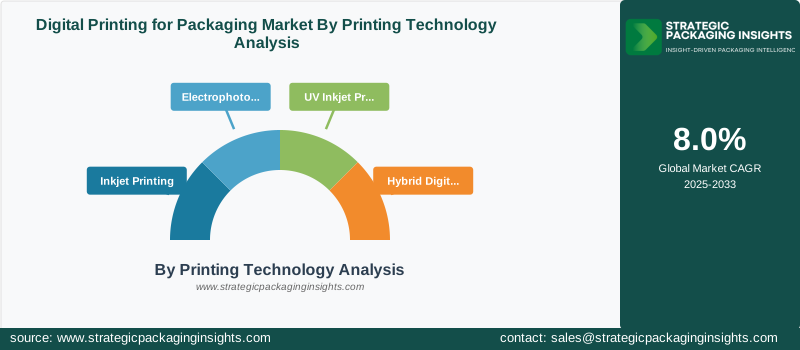
Electrophotography is another key segment in the market, known for its high-quality prints and ability to handle complex designs. Companies like Xeikon and Durst Group are investing in research and development to enhance their electrophotography solutions and meet the evolving needs of the packaging industry. The integration of digital printing technologies with sustainable practices is becoming increasingly important, as companies strive to meet consumer demand for eco-friendly packaging solutions. The ability to offer customized and personalized packaging solutions is a key driver of growth in the digital printing for packaging market, as consumers increasingly seek unique and personalized experiences.
By Packaging Type Analysis
The Digital Printing for Packaging market is segmented by packaging type, with key segments including Labels, Flexible Packaging, Corrugated Packaging, Cartons, and Rigid Packaging. Labels are a significant segment in the market, driven by the increasing demand for customized and personalized packaging solutions. Companies like Epson and Domino Printing Sciences are leading the market with their advanced label printing solutions that cater to the diverse needs of packaging converters and brand owners. Flexible Packaging is also witnessing growth, driven by its versatility and ability to offer innovative packaging solutions that meet the dynamic needs of modern consumers.
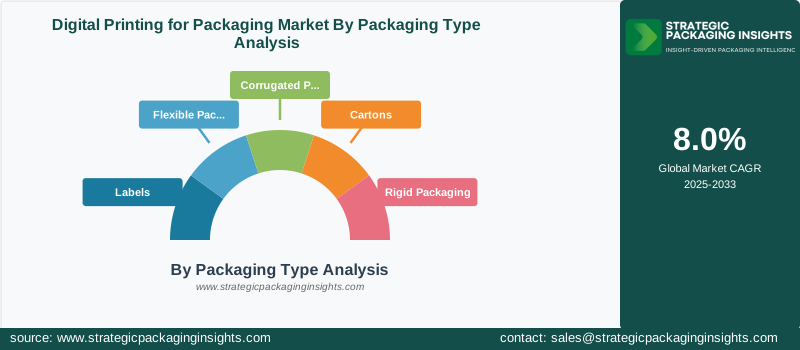
Corrugated Packaging is another key segment in the market, known for its durability and ability to protect products during transportation. Companies like SCREEN Graphic Solutions and Koenig & Bauer are investing in research and development to enhance their corrugated packaging solutions and meet the evolving needs of the packaging industry. The demand for Cartons and Rigid Packaging is increasing as companies seek to offer innovative and customized packaging solutions that enhance brand differentiation and consumer engagement. The integration of digital printing technologies with sustainable practices is becoming increasingly important, as companies strive to meet consumer demand for eco-friendly packaging solutions.
By Application Analysis
The Digital Printing for Packaging market is segmented by application, with key segments including Food & Beverage, Healthcare & Pharmaceuticals, Personal Care & Cosmetics, Consumer Goods, and Industrial Packaging. The Food & Beverage segment is a significant driver of growth in the market, driven by the increasing demand for customized and personalized packaging solutions. Companies like HP Inc. and Canon Inc. are leading the market with their advanced digital printing solutions that cater to the diverse needs of food and beverage manufacturers. The Healthcare & Pharmaceuticals segment is also witnessing growth, driven by the need for secure and tamper-evident packaging solutions that meet regulatory requirements.
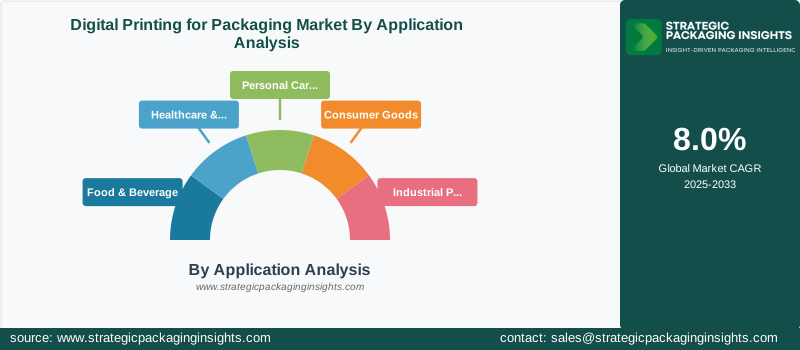
Personal Care & Cosmetics is another key segment in the market, known for its emphasis on brand differentiation and consumer engagement. Companies like Xeikon and Durst Group are investing in research and development to enhance their digital printing solutions and meet the evolving needs of the personal care and cosmetics industry. The demand for Consumer Goods and Industrial Packaging is increasing as companies seek to offer innovative and customized packaging solutions that enhance brand differentiation and consumer engagement. The integration of digital printing technologies with sustainable practices is becoming increasingly important, as companies strive to meet consumer demand for eco-friendly packaging solutions.
By End User Analysis
The Digital Printing for Packaging market is segmented by end user, with key segments including Packaging Converters, Commercial Printers, Brand Owners, Food Manufacturers, and Pharmaceutical Companies. Packaging Converters are a significant segment in the market, driven by the increasing demand for customized and personalized packaging solutions. Companies like Epson and Domino Printing Sciences are leading the market with their advanced digital printing solutions that cater to the diverse needs of packaging converters and brand owners. Commercial Printers are also witnessing growth, driven by the need for high-quality and cost-effective printing solutions that meet the dynamic needs of modern consumers.
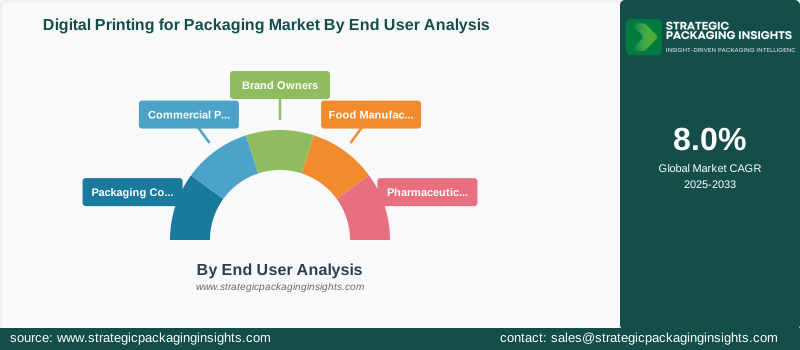
Brand Owners are another key segment in the market, known for their emphasis on brand differentiation and consumer engagement. Companies like SCREEN Graphic Solutions and Koenig & Bauer are investing in research and development to enhance their digital printing solutions and meet the evolving needs of brand owners. The demand for Food Manufacturers and Pharmaceutical Companies is increasing as companies seek to offer innovative and customized packaging solutions that enhance brand differentiation and consumer engagement. The integration of digital printing technologies with sustainable practices is becoming increasingly important, as companies strive to meet consumer demand for eco-friendly packaging solutions.
Digital Printing for Packaging Market Segments
The Digital Printing for Packaging market has been segmented on the basis ofBy Printing Technology
- Inkjet Printing
- Electrophotography
- UV Inkjet Printing
- Hybrid Digital Printing
By Packaging Type
- Labels
- Flexible Packaging
- Corrugated Packaging
- Cartons
- Rigid Packaging
By Application
- Food & Beverage
- Healthcare & Pharmaceuticals
- Personal Care & Cosmetics
- Consumer Goods
- Industrial Packaging
By End User
- Packaging Converters
- Commercial Printers
- Brand Owners
- Food Manufacturers
- Pharmaceutical Companies
Region
- Asia Pacific
- North America
- Latin America
- Europe
- Middle East & Africa




