


Dewatering Liner Market Outlook
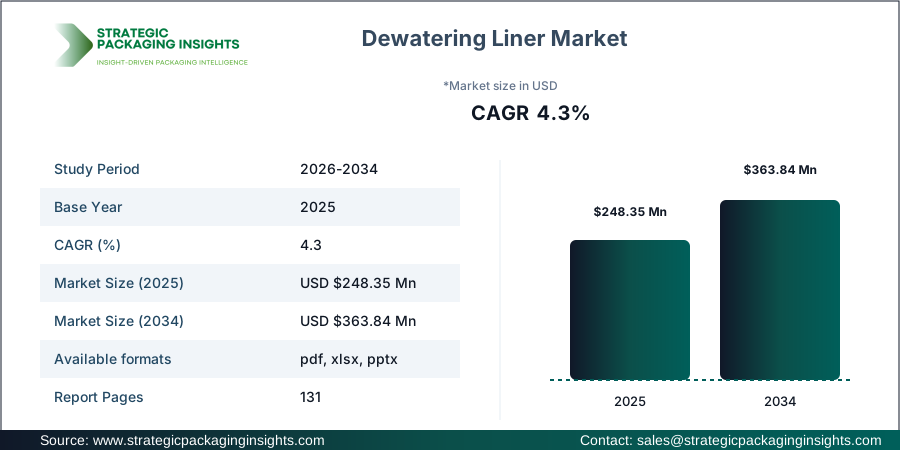
The dewatering liner market was valued at $248.35 million in 2025 and is projected to reach $363.84 million by 2034, growing at a CAGR of 4.3% during the forecast period 2026-2034. This growth is driven by increasing demand for efficient waste management solutions across various industries, including municipal, industrial, and mining sectors. The rising awareness about environmental sustainability and stringent regulations regarding waste disposal are further propelling the market. Additionally, advancements in material technology, such as the development of more durable and cost-effective liners, are expected to enhance market growth. The Asia Pacific region is anticipated to witness significant growth due to rapid industrialization and urbanization, leading to increased waste generation and the need for effective dewatering solutions.
Despite the promising growth prospects, the dewatering liner market faces certain challenges. Regulatory constraints and the high initial cost of installation can act as barriers to market expansion. However, the potential for growth remains substantial, particularly with the increasing focus on sustainable waste management practices. The market is also witnessing a shift towards the use of eco-friendly materials, which is expected to open new avenues for growth. Furthermore, the integration of advanced technologies, such as IoT and AI, in dewatering processes is anticipated to enhance operational efficiency and offer lucrative opportunities for market players.
Report Scope
| Attributes | Details |
| Report Title | Dewatering Liner Market Size, Future Growth and Forecast 2034 |
| By Product Type | Geotextile Liners, Filter Liners, Sludge Liners |
| By Material Type | PP, Polyester, Nonwoven Fabric |
| By Application | Sludge Dewatering, Industrial Waste, Mining, Wastewater |
| By End Use | Municipal, Industrial, Mining, Environmental Services |
| Region | Asia Pacific, North America, Latin America, Europe, Middle East & Africa |
| Base Year | 2025 |
| Historic Period | 2018-2024 |
| Forecast Period | 2026-2034 |
| Number of Pages | 131 |
| Customization Available | Yes* |
Opportunities & Threats
The dewatering liner market presents numerous opportunities, particularly in the realm of technological advancements and innovation. The integration of smart technologies, such as IoT and AI, into dewatering systems can significantly enhance operational efficiency and reduce costs. These technologies enable real-time monitoring and predictive maintenance, which can lead to improved performance and longevity of dewatering liners. Additionally, the growing emphasis on sustainable waste management practices is driving the demand for eco-friendly and biodegradable liners. Companies that invest in the development of such products are likely to gain a competitive edge in the market. Furthermore, the expansion of industrial activities in emerging economies presents a lucrative opportunity for market growth, as these regions are increasingly adopting dewatering solutions to manage waste effectively.
Another significant opportunity lies in the increasing demand for customized dewatering solutions. As industries face unique waste management challenges, there is a growing need for tailored solutions that cater to specific requirements. This trend is encouraging manufacturers to innovate and offer a diverse range of products that address the varying needs of different sectors. Moreover, the rising investments in infrastructure development, particularly in developing countries, are expected to boost the demand for dewatering liners, as they play a crucial role in construction and environmental protection projects.
However, the market also faces certain threats that could hinder its growth. One of the primary challenges is the high initial cost associated with the installation of dewatering liners. This can be a significant deterrent for small and medium-sized enterprises, which may have limited budgets for waste management solutions. Additionally, the market is subject to stringent regulatory frameworks, which can pose compliance challenges for manufacturers. These regulations often require companies to adhere to specific standards and certifications, which can increase operational costs and limit market entry for new players.
Drivers & Challenges
The dewatering liner market is primarily driven by the increasing need for efficient waste management solutions across various industries. As environmental regulations become more stringent, industries are compelled to adopt sustainable practices, including the use of dewatering liners for effective waste disposal. The growing awareness about the environmental impact of improper waste management is also driving the demand for dewatering liners. Additionally, the rapid industrialization and urbanization in emerging economies are contributing to the market's growth, as these regions experience a surge in waste generation and require effective solutions to manage it.
Another key driver of the market is the advancement in material technology. The development of more durable and cost-effective materials, such as geotextile liners and nonwoven fabrics, is enhancing the performance and lifespan of dewatering liners. These innovations are making dewatering solutions more accessible and appealing to a broader range of industries. Furthermore, the increasing focus on research and development activities is leading to the introduction of new products that cater to specific industry needs, thereby driving market growth.
Despite these drivers, the dewatering liner market faces several challenges that could impede its growth. One of the primary challenges is the high cost of installation and maintenance of dewatering systems. This can be a significant barrier for small and medium-sized enterprises, which may have limited budgets for waste management solutions. Additionally, the market is subject to stringent regulatory frameworks, which can pose compliance challenges for manufacturers. These regulations often require companies to adhere to specific standards and certifications, which can increase operational costs and limit market entry for new players. Moreover, the lack of awareness about the benefits of dewatering liners in certain regions can also hinder market growth.
Market Share Analysis
The dewatering liner market is characterized by a competitive landscape with several key players vying for market share. Companies such as TenCate Geosynthetics, Huesker, and Fibertex Nonwovens are prominent players in the market, known for their innovative products and strong market presence. These companies have established themselves as leaders by consistently investing in research and development to introduce advanced dewatering solutions. Their focus on sustainability and eco-friendly products has also contributed to their competitive advantage in the market.
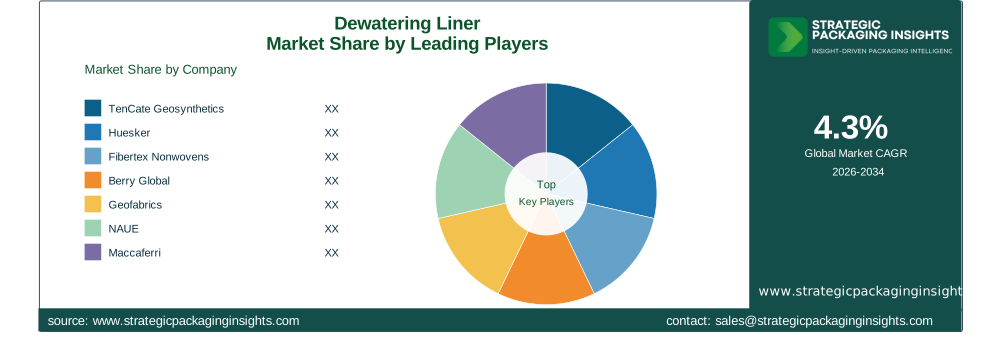
Berry Global and Geofabrics are other significant players in the dewatering liner market. Berry Global is renowned for its extensive product portfolio and global reach, which enables it to cater to a diverse range of industries. Geofabrics, on the other hand, is known for its expertise in geosynthetic solutions and its commitment to providing high-quality products. Both companies have a strong market presence and are actively involved in expanding their product offerings to meet the evolving needs of the market.
NAUE and Maccaferri are also key players in the market, with a focus on providing innovative and sustainable dewatering solutions. NAUE is recognized for its advanced geosynthetic products, while Maccaferri is known for its engineering expertise and comprehensive range of solutions. These companies have a strong foothold in the market and are continuously exploring new opportunities for growth through strategic partnerships and collaborations.
Thrace Group, Freudenberg, and Bonar are other notable companies in the dewatering liner market. Thrace Group is known for its diverse range of technical fabrics and its commitment to sustainability. Freudenberg, with its extensive experience in nonwoven fabrics, offers high-performance dewatering solutions that cater to various industries. Bonar, a leading manufacturer of geosynthetic products, is recognized for its innovative approach and focus on delivering value to its customers. These companies play a crucial role in shaping the competitive landscape of the dewatering liner market.
Key Highlights
- The dewatering liner market is projected to grow at a CAGR of 4.3% from 2026 to 2034.
- Advancements in material technology are driving the development of more durable and cost-effective dewatering liners.
- The Asia Pacific region is expected to witness significant growth due to rapid industrialization and urbanization.
- Increasing demand for eco-friendly and biodegradable liners is creating new opportunities for market players.
- Technological integration, such as IoT and AI, is enhancing the efficiency of dewatering systems.
- Regulatory constraints and high installation costs are key challenges for the market.
- Customization of dewatering solutions is becoming a significant trend in the market.
- Key players are focusing on sustainability and innovation to gain a competitive edge.
- Emerging economies present lucrative opportunities for market expansion.
- Strategic partnerships and collaborations are driving growth and innovation in the market.
Top Countries Insights
In the dewatering liner market, the United States stands out as a key player, with a market size of approximately $XX billion and a CAGR of 5%. The country's stringent environmental regulations and the increasing focus on sustainable waste management practices are significant growth drivers. The demand for advanced dewatering solutions is also fueled by the industrial sector's need for efficient waste disposal methods. However, the market faces challenges such as high installation costs and regulatory compliance requirements.
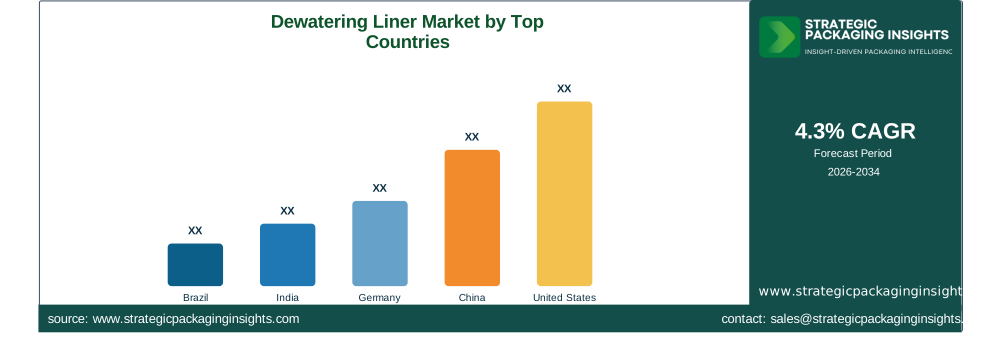
China is another major market for dewatering liners, with a market size of $XX billion and a CAGR of 6%. The rapid industrialization and urbanization in the country have led to increased waste generation, driving the demand for effective dewatering solutions. The government's initiatives to promote environmental sustainability and the adoption of advanced technologies are further boosting market growth. However, the market faces challenges related to the availability of low-cost alternatives and the need for compliance with international standards.
Germany, with a market size of $XX billion and a CAGR of 4%, is a significant player in the European dewatering liner market. The country's strong focus on environmental protection and waste management practices is driving the demand for dewatering liners. The presence of key market players and the emphasis on research and development activities are also contributing to market growth. However, the market faces challenges such as high production costs and regulatory constraints.
India, with a market size of $XX billion and a CAGR of 7%, is emerging as a lucrative market for dewatering liners. The country's growing industrial sector and the increasing awareness about environmental sustainability are driving the demand for dewatering solutions. The government's initiatives to promote waste management practices and the adoption of advanced technologies are further boosting market growth. However, the market faces challenges related to infrastructure development and regulatory compliance.
Brazil, with a market size of $XX billion and a CAGR of 5%, is a key player in the Latin American dewatering liner market. The country's focus on environmental protection and sustainable waste management practices is driving the demand for dewatering liners. The presence of key market players and the emphasis on research and development activities are also contributing to market growth. However, the market faces challenges such as high production costs and regulatory constraints.
Dewatering Liner Market Segments Insights

Product Type Analysis
The dewatering liner market is segmented by product type into geotextile liners, filter liners, and sludge liners. Geotextile liners are gaining popularity due to their durability and cost-effectiveness, making them a preferred choice for various applications. These liners are extensively used in construction and environmental protection projects, where they provide effective filtration and separation solutions. The demand for geotextile liners is driven by their ability to enhance the performance and longevity of dewatering systems, making them an essential component in waste management practices.
Filter liners, on the other hand, are known for their high filtration efficiency and are widely used in industrial and municipal applications. These liners are designed to remove contaminants and impurities from wastewater, making them an integral part of dewatering processes. The increasing focus on environmental sustainability and the need for efficient waste disposal methods are driving the demand for filter liners. Additionally, advancements in material technology are leading to the development of more effective and durable filter liners, further boosting their adoption in the market.
Sludge liners are primarily used in the treatment of sludge and other solid waste materials. These liners are designed to provide effective containment and dewatering solutions, making them an essential component in waste management practices. The demand for sludge liners is driven by the increasing need for efficient waste disposal methods and the growing awareness about environmental sustainability. The market is witnessing a shift towards the use of eco-friendly and biodegradable sludge liners, which are expected to open new avenues for growth in the coming years.
Material Type Analysis
The dewatering liner market is segmented by material type into PP, polyester, and nonwoven fabric. PP (polypropylene) liners are widely used due to their excellent chemical resistance and durability. These liners are ideal for applications that require high-performance dewatering solutions, such as industrial waste management and mining. The demand for PP liners is driven by their cost-effectiveness and ability to withstand harsh environmental conditions, making them a preferred choice for various industries.
Polyester liners are known for their high tensile strength and resistance to UV radiation, making them suitable for outdoor applications. These liners are extensively used in construction and environmental protection projects, where they provide effective containment and dewatering solutions. The demand for polyester liners is driven by their ability to enhance the performance and longevity of dewatering systems, making them an essential component in waste management practices.
Nonwoven fabric liners are gaining popularity due to their versatility and ease of installation. These liners are designed to provide effective filtration and separation solutions, making them an integral part of dewatering processes. The increasing focus on environmental sustainability and the need for efficient waste disposal methods are driving the demand for nonwoven fabric liners. Additionally, advancements in material technology are leading to the development of more effective and durable nonwoven fabric liners, further boosting their adoption in the market.
Application Analysis
The dewatering liner market is segmented by application into sludge dewatering, industrial waste, mining, and wastewater. Sludge dewatering is a critical application of dewatering liners, as it involves the removal of excess water from sludge to reduce its volume and weight. This process is essential for efficient waste management and disposal, making dewatering liners an integral component in sludge treatment facilities. The demand for dewatering liners in sludge dewatering applications is driven by the increasing need for sustainable waste management practices and the growing awareness about environmental sustainability.
Industrial waste management is another significant application of dewatering liners, as industries generate large volumes of waste that require effective disposal methods. Dewatering liners are used to separate solids from liquids, making them an essential component in industrial waste treatment processes. The demand for dewatering liners in industrial waste applications is driven by the increasing focus on environmental sustainability and the need for efficient waste disposal methods.
In the mining industry, dewatering liners are used to manage the large volumes of water generated during mining operations. These liners are designed to provide effective containment and dewatering solutions, making them an essential component in mining waste management practices. The demand for dewatering liners in mining applications is driven by the increasing need for efficient waste disposal methods and the growing awareness about environmental sustainability. Additionally, advancements in material technology are leading to the development of more effective and durable dewatering liners, further boosting their adoption in the market.
End Use Analysis
The dewatering liner market is segmented by end use into municipal, industrial, mining, and environmental services. Municipal applications of dewatering liners involve the treatment of wastewater and sludge generated by urban areas. These liners are used to separate solids from liquids, making them an essential component in municipal waste management practices. The demand for dewatering liners in municipal applications is driven by the increasing need for sustainable waste management practices and the growing awareness about environmental sustainability.
Industrial applications of dewatering liners involve the treatment of waste generated by various industries, such as manufacturing, chemical, and food processing. These liners are used to separate solids from liquids, making them an essential component in industrial waste management practices. The demand for dewatering liners in industrial applications is driven by the increasing focus on environmental sustainability and the need for efficient waste disposal methods.
In the mining industry, dewatering liners are used to manage the large volumes of water generated during mining operations. These liners are designed to provide effective containment and dewatering solutions, making them an essential component in mining waste management practices. The demand for dewatering liners in mining applications is driven by the increasing need for efficient waste disposal methods and the growing awareness about environmental sustainability. Additionally, advancements in material technology are leading to the development of more effective and durable dewatering liners, further boosting their adoption in the market.
Dewatering Liner Market Segments
The Dewatering Liner market has been segmented on the basis ofBy Product Type
- Geotextile Liners
- Filter Liners
- Sludge Liners
By Material Type
- PP
- Polyester
- Nonwoven Fabric
By Application
- Sludge Dewatering
- Industrial Waste
- Mining
- Wastewater
By End Use
- Municipal
- Industrial
- Mining
- Environmental Services
Region
- Asia Pacific
- North America
- Latin America
- Europe
- Middle East & Africa




