


Dairy Product Packaging Market Outlook
The Dairy Product Packaging market was valued at $35.10 billion in 2025 and is projected to reach $45.23 billion by 2034, growing at a CAGR of 2.9% during the forecast period 2026-2034. This market is driven by the increasing demand for dairy products globally, which necessitates efficient and sustainable packaging solutions. The rise in consumer preference for convenient and portable dairy products has further fueled the demand for innovative packaging types such as cartons, cups, and pouches. Additionally, the growing awareness regarding the environmental impact of packaging materials has led to a shift towards eco-friendly options like paperboard and foil laminates, which are gaining traction in the market.
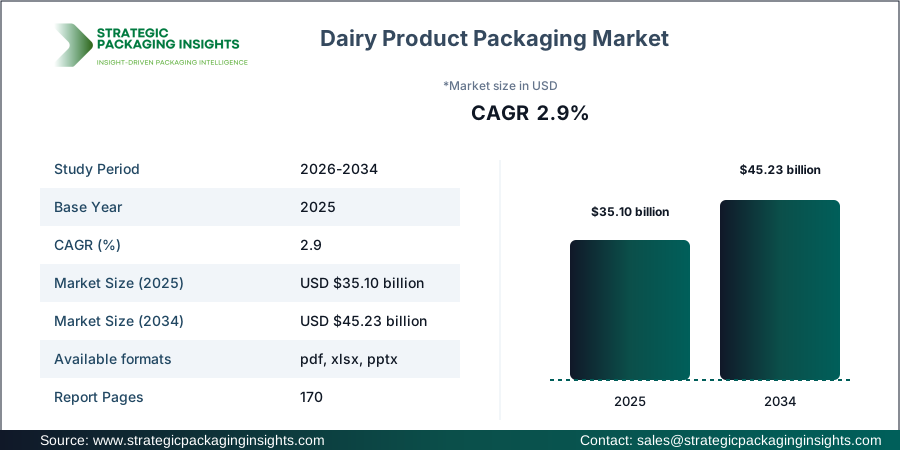
However, the market faces challenges such as stringent regulations regarding food safety and packaging waste management. These regulatory frameworks are aimed at ensuring the safety of dairy products and minimizing environmental impact, which can pose constraints on market growth. Despite these challenges, the market holds significant growth potential due to advancements in packaging technologies and the increasing adoption of smart packaging solutions that enhance product shelf life and consumer engagement. The integration of digital technologies in packaging, such as QR codes and NFC tags, is expected to create new opportunities for market players to differentiate their offerings and enhance consumer experience.
Report Scope
| Attributes | Details |
| Report Title | Dairy Product Packaging Market Size, Future Growth and Forecast 2034 |
| By Packaging Type | Cartons, Cups, Bottles, Pouches |
| By Material Type | Paperboard, Plastic, Glass, Foil Laminates |
| By Application | Milk, Yogurt, Cheese, Butter |
| By End Use | Dairy Companies, Retailers, Foodservice, Processors |
| Region | Asia Pacific, North America, Latin America, Europe, Middle East & Africa |
| Base Year | 2025 |
| Historic Period | 2018-2024 |
| Forecast Period | 2026-2034 |
| Number of Pages | 170 |
| Customization Available | Yes* |
Opportunities & Threats
The Dairy Product Packaging market presents numerous opportunities, particularly in the realm of sustainable packaging solutions. As consumers become more environmentally conscious, there is a growing demand for packaging materials that are biodegradable, recyclable, and made from renewable resources. Companies that invest in developing and offering eco-friendly packaging solutions are likely to gain a competitive edge in the market. Additionally, the increasing popularity of plant-based dairy alternatives is creating new avenues for packaging innovation, as these products often require specialized packaging to maintain freshness and quality.
Another significant opportunity lies in the expansion of dairy product consumption in emerging markets. As disposable incomes rise and urbanization continues, there is an increasing demand for packaged dairy products in regions such as Asia Pacific and Latin America. This trend is expected to drive the demand for diverse packaging solutions that cater to varying consumer preferences and regulatory requirements. Furthermore, the growing trend of online grocery shopping is boosting the demand for packaging that ensures product safety and integrity during transportation, presenting additional growth prospects for market players.
On the other hand, the market faces threats from fluctuating raw material prices, which can impact the cost-effectiveness of packaging solutions. The volatility in prices of materials such as plastic and paperboard can pose challenges for manufacturers in maintaining profitability while offering competitive pricing. Additionally, the increasing regulatory scrutiny on packaging waste and environmental impact can lead to higher compliance costs and operational challenges for companies in the market. These factors necessitate strategic planning and innovation to mitigate risks and capitalize on growth opportunities.
Drivers & Challenges
One of the primary drivers of the Dairy Product Packaging market is the growing consumer demand for convenience and portability in dairy products. As lifestyles become busier, consumers are increasingly seeking products that are easy to consume on-the-go, leading to a surge in demand for single-serve and portion-controlled packaging solutions. This trend is particularly evident in urban areas where time constraints and fast-paced living drive the need for convenient packaging options. Additionally, the rising health consciousness among consumers is driving the demand for packaging that preserves the nutritional value and freshness of dairy products, further propelling market growth.
Technological advancements in packaging materials and processes are also driving the market forward. Innovations such as active and intelligent packaging, which enhance product shelf life and provide real-time information to consumers, are gaining popularity. These technologies not only improve the functionality of packaging but also enhance consumer engagement and brand loyalty. Moreover, the increasing focus on reducing food waste is encouraging the adoption of packaging solutions that extend the shelf life of dairy products, thereby supporting market expansion.
Despite these drivers, the market faces challenges such as the high cost of advanced packaging technologies and the need for significant capital investment. Small and medium-sized enterprises may find it difficult to adopt these technologies due to budget constraints, limiting their ability to compete with larger players. Additionally, the complexity of managing a diverse range of packaging materials and formats to meet varying consumer preferences and regulatory requirements can pose operational challenges for companies. These factors highlight the need for strategic planning and investment in research and development to overcome challenges and sustain growth in the market.
Market Share Analysis
The Dairy Product Packaging market is characterized by a competitive landscape with several key players vying for market share. Tetra Pak, a leading company in the market, holds a significant share due to its extensive product portfolio and strong global presence. The company's focus on sustainability and innovation has enabled it to maintain a competitive edge in the market. Similarly, SIG Group and Elopak are prominent players known for their innovative packaging solutions and commitment to environmental sustainability. These companies have established themselves as leaders in the market by continuously investing in research and development to enhance their product offerings.
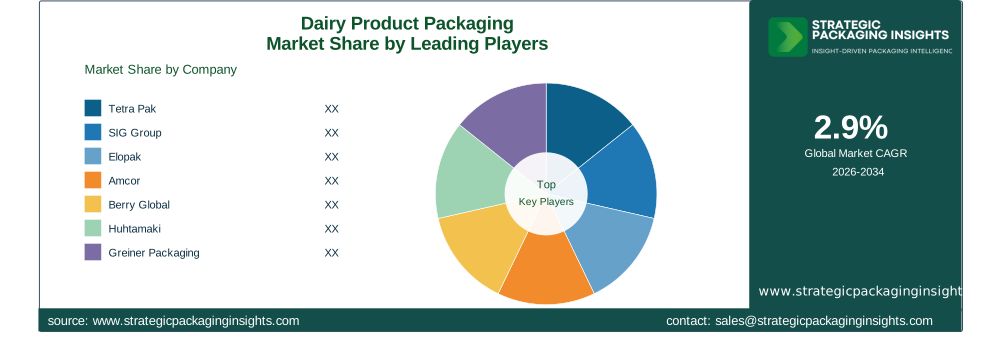
Amcor and Berry Global are also key players in the Dairy Product Packaging market, known for their diverse range of packaging solutions and strong customer relationships. Amcor's focus on sustainability and its extensive global network have contributed to its strong market position. Berry Global, on the other hand, is recognized for its innovative packaging designs and commitment to customer satisfaction. Both companies have leveraged their strengths to capture a significant share of the market and expand their presence in emerging regions.
Huhtamaki and Greiner Packaging are notable players in the market, known for their focus on sustainable packaging solutions and innovative product designs. Huhtamaki's emphasis on eco-friendly materials and its strong presence in the foodservice sector have bolstered its market position. Greiner Packaging, with its focus on innovation and customer-centric approach, has established itself as a key player in the market. These companies continue to invest in research and development to enhance their product offerings and meet the evolving needs of consumers.
Pactiv Evergreen, ALPLA, and Mondi are also significant players in the Dairy Product Packaging market, known for their diverse product portfolios and strong market presence. Pactiv Evergreen's focus on sustainability and its extensive distribution network have contributed to its strong market position. ALPLA, with its emphasis on innovation and customer satisfaction, has established itself as a leader in the market. Mondi, known for its commitment to sustainability and innovation, continues to expand its product offerings and strengthen its market presence. These companies play a crucial role in shaping the competitive landscape of the Dairy Product Packaging market.
Key Highlights
- The Dairy Product Packaging market is projected to grow from $35.10 billion in 2025 to $45.23 billion by 2034, at a CAGR of 2.9%.
- Increasing consumer demand for convenient and portable dairy products is driving the market growth.
- Eco-friendly packaging solutions are gaining traction due to rising environmental awareness.
- Technological advancements in packaging materials and processes are enhancing product shelf life and consumer engagement.
- Emerging markets in Asia Pacific and Latin America present significant growth opportunities for market players.
- Fluctuating raw material prices pose a challenge to cost-effectiveness and profitability.
- Regulatory scrutiny on packaging waste and environmental impact is increasing compliance costs for companies.
- Key players in the market include Tetra Pak, SIG Group, Elopak, Amcor, and Berry Global.
- Smart packaging solutions integrating digital technologies are creating new opportunities for market differentiation.
- The market is characterized by a competitive landscape with several key players vying for market share.
Top Countries Insights
In the Dairy Product Packaging market, the United States stands out with a market size of approximately $10 billion and a CAGR of 3%. The country's strong dairy industry and consumer preference for convenient packaging solutions drive market growth. Additionally, the focus on sustainability and innovation in packaging materials is a key growth driver. However, regulatory challenges related to packaging waste management pose a constraint to market expansion.
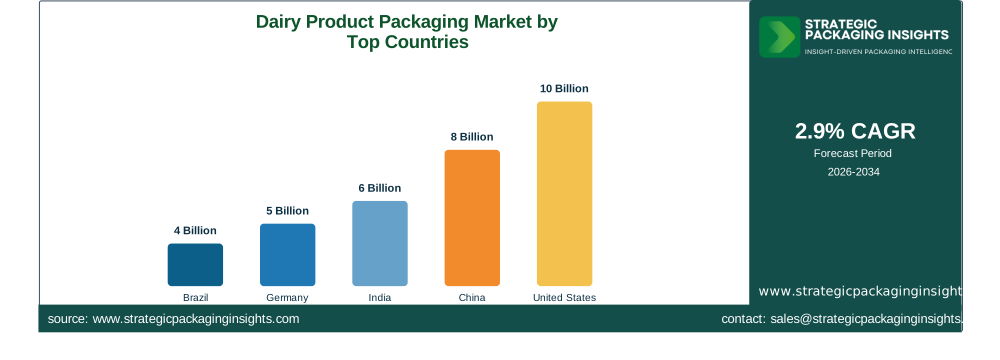
China, with a market size of around $8 billion and a CAGR of 5%, is another significant player in the Dairy Product Packaging market. The country's growing middle class and increasing consumption of dairy products are driving demand for diverse packaging solutions. Government initiatives promoting sustainable packaging practices further support market growth. However, the market faces challenges from fluctuating raw material prices and regulatory compliance costs.
India, with a market size of approximately $6 billion and a CAGR of 6%, presents significant growth opportunities for the Dairy Product Packaging market. The country's expanding dairy industry and rising consumer demand for packaged dairy products are key growth drivers. Additionally, the government's focus on promoting sustainable packaging solutions is expected to boost market growth. However, the market faces challenges from infrastructure constraints and regulatory hurdles.
Germany, with a market size of around $5 billion and a CAGR of 2%, is a key player in the European Dairy Product Packaging market. The country's strong dairy industry and focus on sustainability drive demand for innovative packaging solutions. However, the market faces challenges from stringent regulatory frameworks and high compliance costs. The emphasis on reducing packaging waste and promoting eco-friendly materials is expected to support market growth.
Brazil, with a market size of approximately $4 billion and a CAGR of 4%, is a significant player in the Latin American Dairy Product Packaging market. The country's growing dairy industry and increasing consumer demand for packaged dairy products drive market growth. However, the market faces challenges from economic volatility and regulatory constraints. The focus on sustainability and innovation in packaging materials is expected to support market expansion.
Dairy Product Packaging Market Segments Insights

Packaging Type Analysis
The Dairy Product Packaging market is segmented by packaging type into cartons, cups, bottles, and pouches. Cartons are a popular choice due to their convenience and ability to preserve the freshness of dairy products. They are widely used for packaging milk and other liquid dairy products. The demand for cups is driven by the increasing consumption of yogurt and other single-serve dairy products. Bottles are preferred for packaging liquid dairy products like milk and cream, offering durability and ease of use. Pouches are gaining popularity due to their lightweight and flexible nature, making them ideal for packaging a variety of dairy products.
Trends in packaging type are influenced by consumer preferences for convenience and sustainability. The shift towards eco-friendly packaging solutions is driving the demand for cartons and pouches made from renewable materials. Additionally, the increasing focus on reducing food waste is encouraging the adoption of packaging solutions that extend the shelf life of dairy products. Competition in this segment is intense, with companies investing in research and development to offer innovative and sustainable packaging solutions that meet consumer needs.
Material Type Analysis
The Dairy Product Packaging market is segmented by material type into paperboard, plastic, glass, and foil laminates. Paperboard is a preferred material due to its recyclability and eco-friendly nature, making it a popular choice for packaging milk and other dairy products. Plastic is widely used for its durability and versatility, offering a range of packaging solutions for different dairy products. Glass is preferred for packaging premium dairy products, offering a high level of protection and preserving product quality. Foil laminates are used for their barrier properties, protecting dairy products from moisture and oxygen.
Trends in material type are driven by the increasing focus on sustainability and environmental impact. The demand for recyclable and biodegradable materials is growing, with companies investing in the development of eco-friendly packaging solutions. The shift towards lightweight and flexible packaging materials is also influencing market dynamics, with foil laminates gaining popularity for their protective properties. Competition in this segment is driven by the need to offer innovative and sustainable packaging solutions that meet consumer and regulatory requirements.
Application Analysis
The Dairy Product Packaging market is segmented by application into milk, yogurt, cheese, and butter. Milk is the largest segment, driven by the high consumption of packaged milk products globally. The demand for yogurt packaging is increasing due to the growing popularity of single-serve and portion-controlled products. Cheese packaging is driven by the need for solutions that preserve product quality and extend shelf life. Butter packaging is influenced by consumer preferences for convenience and sustainability, with a focus on eco-friendly materials.
Trends in application are influenced by consumer preferences for convenience and health. The demand for packaging solutions that preserve the nutritional value and freshness of dairy products is growing, with companies investing in research and development to offer innovative solutions. The increasing focus on reducing food waste is also driving the demand for packaging solutions that extend product shelf life. Competition in this segment is driven by the need to offer innovative and sustainable packaging solutions that meet consumer needs and regulatory requirements.
End Use Analysis
The Dairy Product Packaging market is segmented by end use into dairy companies, retailers, foodservice, and processors. Dairy companies are the largest segment, driven by the need for efficient and sustainable packaging solutions that preserve product quality and extend shelf life. Retailers are focused on offering convenient and attractive packaging solutions that enhance consumer experience and drive sales. The foodservice segment is driven by the demand for packaging solutions that ensure product safety and integrity during transportation. Processors are focused on offering packaging solutions that meet regulatory requirements and enhance product shelf life.
Trends in end use are influenced by the increasing focus on sustainability and consumer preferences for convenience. The demand for eco-friendly packaging solutions is growing, with companies investing in the development of innovative and sustainable packaging solutions. The shift towards online grocery shopping is also influencing market dynamics, with retailers and foodservice providers seeking packaging solutions that ensure product safety and integrity during transportation. Competition in this segment is driven by the need to offer innovative and sustainable packaging solutions that meet consumer and regulatory requirements.
Dairy Product Packaging Market Segments
The Dairy Product Packaging market has been segmented on the basis ofBy Packaging Type
- Cartons
- Cups
- Bottles
- Pouches
By Material Type
- Paperboard
- Plastic
- Glass
- Foil Laminates
By Application
- Milk
- Yogurt
- Cheese
- Butter
By End Use
- Dairy Companies
- Retailers
- Foodservice
- Processors
Region
- Asia Pacific
- North America
- Latin America
- Europe
- Middle East & Africa




