

Colour Changing Packaging Market Outlook
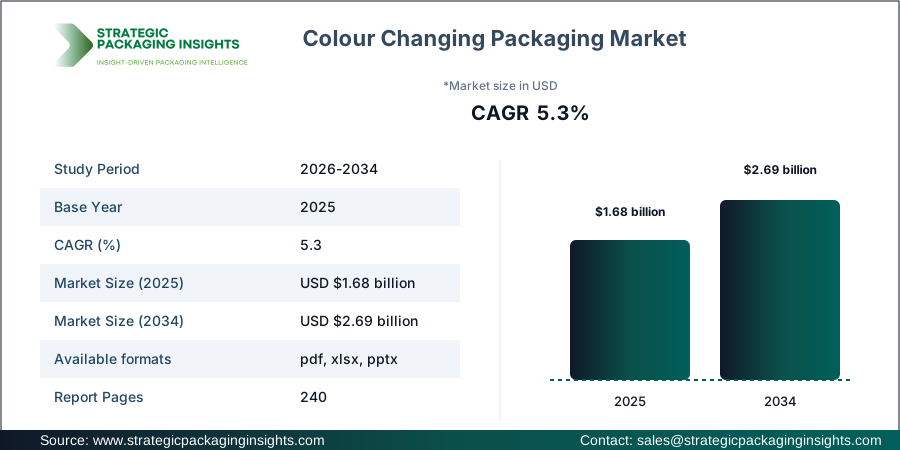
The Colour Changing Packaging market size was valued at USD $1.5 Billion in 2025 and is anticipated to reach USD $2.3 Billion by 2035, growing at a CAGR of 4.2% during the forecast period according to Strategic Packaging Insights.
The increasing demand for smart packaging solutions that enhance consumer engagement and provide real-time product information is a significant driver for the Colour Changing Packaging market. The integration of advanced technologies such as photochromic and thermochromic materials in packaging is gaining traction, driven by the need for innovative and interactive packaging solutions in the food and beverage industry.
Report Scope
| Attributes | Details |
| Report Title | Colour Changing Packaging Market Projected to Scale to 2.3 Billion by 2035, Assesses Strategic Packaging Insights |
| By Material | Plastic, Paper, Metal, Glass, Biodegradable Materials |
| By Technology | Thermal Sensitive, Humidity Sensitive, Chemical Sensitive, UV Sensitive, Photochromic, Electrochromic |
| By Product Type | Labels, Films, Bottles, Cans, Cartons, Caps and Closures, Pouches, Other Packaging Products |
| By Indicator Type | Temperature Indicators, Freshness Indicators, Time-Temperature Indicators, Tamper Indicators, Moisture Indicators, pH Indicators |
| By Application | Food, Beverages, Pharmaceuticals, Cosmetics, Personal Care, Healthcare, Agriculture, Industrial Chemicals |
| By End User | Food and Beverage Manufacturers, Pharmaceutical Companies, Cosmetics and Personal Care Companies, Consumer Goods Manufacturers, Retail Brands, Contract Packagers, Logistics Providers |
| By Region | North America, Latin America, Europe, East Asia, South Asia and Pacific, Middle East and Africa |
| Region | Asia Pacific, North America, Latin America, Europe, Middle East & Africa |
| Base Year | 2025 |
| Historic Period | 2018-2024 |
| Forecast Period | 2026-2035 |
| Number of Pages | 246 |
| Customization Available | Yes* |
Market Trends Analysis
Colour Changing Packaging is witnessing a surge in demand due to its ability to enhance consumer interaction and provide real-time product information. The trend towards smart packaging is driven by the need for differentiation in a competitive market, with brands seeking to engage consumers through innovative packaging solutions. The adoption of technologies such as photochromic and thermochromic materials is increasing, allowing packaging to change color based on environmental conditions, thereby enhancing the consumer experience.
Sustainability is another key trend influencing the Colour Changing Packaging market. With increasing regulatory pressure and consumer demand for eco-friendly solutions, companies are exploring biodegradable materials and recyclable substrates for colour changing applications. This shift towards sustainable packaging is expected to drive innovation and investment in new materials and technologies, impacting the competitive landscape and procurement strategies of packaging manufacturers.
Industry Transformation Analysis
The Colour Changing Packaging industry is undergoing significant transformation, driven by advancements in material science and technology integration. The shift towards smart packaging solutions is reshaping the value chain, with increased collaboration between material suppliers, technology providers, and packaging converters. This transformation is enhancing operational efficiency and enabling the development of more sophisticated packaging solutions that meet evolving consumer demands.
Localization of production and supply chain optimization are becoming critical as companies seek to reduce costs and improve responsiveness to market changes. The integration of automation and digital technologies in manufacturing processes is enhancing production capabilities and enabling the customization of packaging solutions. These changes are expected to drive long-term growth and competitiveness in the Colour Changing Packaging market.
Trends & Disruptions Impacting Customers' Customers
Downstream customers, such as food and beverage manufacturers, are increasingly seeking packaging solutions that enhance product appeal and provide additional value to consumers. The demand for interactive and informative packaging is driving the adoption of Colour Changing Packaging, as it offers a unique way to engage consumers and differentiate products on the shelf. This trend is particularly pronounced in the food and beverage industry, where packaging plays a crucial role in influencing purchasing decisions.
The shift towards sustainability is also impacting downstream customers, as they face increasing pressure to reduce their environmental footprint. Colour Changing Packaging solutions that incorporate biodegradable materials and recyclable substrates are gaining traction, as they align with the sustainability goals of major brands. This shift is expected to drive innovation and create new market opportunities for packaging manufacturers, as they develop solutions that meet the evolving needs of their customers.
Colour Changing Packaging Market Ecosystem
The Colour Changing Packaging market ecosystem involves a complex interplay of raw material suppliers, substrate manufacturers, converters, and end users. The supply chain is characterized by strong interdependencies, with each stage adding value through material transformation and technology integration. The availability of specialized substrates and resins is critical for enabling colour changing functionalities, while converters play a key role in processing these materials into finished packaging products.
Printing and coating technologies are essential for applying colour changing effects, with advancements in ink formulations and application techniques driving innovation in the market. Distribution and logistics are crucial for ensuring timely delivery of packaging products to end users, with supply chain optimization becoming increasingly important as companies seek to reduce costs and improve service levels. The ecosystem is evolving rapidly, with new technologies and materials reshaping the competitive landscape and creating opportunities for growth.
Analyst Perspective
Analyst Perspective: The Colour Changing Packaging market is poised for significant growth, driven by the increasing demand for smart packaging solutions that enhance consumer engagement and provide real-time product information.
The integration of advanced technologies such as photochromic and thermochromic materials is transforming the industry, enabling the development of innovative packaging solutions that meet evolving consumer demands. Companies are investing in new materials and technologies to differentiate their products and gain a competitive edge in the market.
Market participants should focus on sustainability and innovation, as these factors are expected to drive long-term growth and competitiveness. The shift towards eco-friendly packaging solutions presents opportunities for companies to align with consumer preferences and regulatory requirements, creating new avenues for growth and differentiation.
Opportunities & Threats
The Colour Changing Packaging market presents significant opportunities for growth, driven by the increasing demand for smart packaging solutions that enhance consumer engagement and provide real-time product information. The integration of advanced technologies such as photochromic and thermochromic materials is gaining traction, enabling the development of innovative packaging solutions that meet evolving consumer demands.
Sustainability is another key opportunity, as companies explore biodegradable materials and recyclable substrates for colour changing applications. This shift towards sustainable packaging is expected to drive innovation and investment in new materials and technologies, impacting the competitive landscape and procurement strategies of packaging manufacturers.
However, the market also faces challenges, including raw material volatility and regulatory uncertainty. The availability of specialized substrates and resins is critical for enabling colour changing functionalities, and any disruptions in the supply chain could impact production and pricing.
Additionally, the high capital requirements for developing and implementing new technologies may pose a barrier to entry for smaller companies. Competition from traditional packaging solutions and the need for continuous innovation to meet evolving consumer demands are also potential threats to market growth.
Drivers & Challenges
The Colour Changing Packaging market is driven by the increasing demand for smart packaging solutions that enhance consumer engagement and provide real-time product information. The integration of advanced technologies such as photochromic and thermochromic materials is gaining traction, driven by the need for innovative and interactive packaging solutions in the food and beverage industry. The shift towards sustainability is also a key driver, as companies explore biodegradable materials and recyclable substrates for colour changing applications.
Regulatory mandates and brand circularity targets are influencing the market, with companies seeking to align their packaging solutions with consumer preferences and environmental requirements. The demand for eco-friendly packaging solutions is expected to drive innovation and investment in new materials and technologies, impacting the competitive landscape and procurement strategies of packaging manufacturers.
However, the market faces challenges, including raw material volatility and regulatory uncertainty. The availability of specialized substrates and resins is critical for enabling colour changing functionalities, and any disruptions in the supply chain could impact production and pricing. Additionally, the high capital requirements for developing and implementing new technologies may pose a barrier to entry for smaller companies.
Packaging Market Economics
The economics of Colour Changing Packaging are influenced by several factors, including raw material costs, resin or substrate pricing, and conversion costs. The integration of advanced technologies such as photochromic and thermochromic materials adds complexity to the production process, impacting conversion costs and pricing strategies. Energy costs, printing, and lamination also play a significant role in determining the overall cost structure of colour changing packaging solutions.
Procurement strategies are critical for managing costs and ensuring the availability of specialized substrates and resins. Companies are exploring supplier diversification and price indexing to mitigate the impact of raw material volatility and ensure a stable supply of critical materials. Capacity utilization and logistics are also important considerations, as companies seek to optimize production and distribution to meet growing demand.
Packaging Value Chain & Cost Analysis
The Colour Changing Packaging value chain involves several tiers, including resin synthesis, film extrusion, converting, and downstream distribution. Resin synthesis and substrate production are critical for enabling colour changing functionalities, with specialized materials required for advanced packaging solutions. Film extrusion and converting processes transform raw materials into finished packaging products, with printing and lamination adding value through the application of colour changing effects.
Downstream distribution and logistics are essential for delivering packaging products to end users, with supply chain optimization becoming increasingly important as companies seek to reduce costs and improve service levels. Capacity utilization and procurement strategies are critical for managing costs and ensuring the availability of specialized substrates and resins. The value chain is evolving rapidly, with new technologies and materials reshaping the competitive landscape and creating opportunities for growth.
Unit Economics & Substrate Cost Analysis
The unit economics of Colour Changing Packaging are influenced by several factors, including raw material costs, resin/feedstock pricing, and energy costs. The integration of advanced technologies such as photochromic and thermochromic materials adds complexity to the production process, impacting conversion costs and pricing strategies. Printing, lamination, and tooling also play a significant role in determining the overall cost structure of colour changing packaging solutions.
Scrap and logistics are important considerations, as companies seek to optimize production and distribution to meet growing demand. Labor costs and capacity utilization are also critical factors, with companies exploring automation and digital technologies to enhance operational efficiency and reduce costs. The unit economics of colour changing packaging are expected to evolve as new materials and technologies are developed, creating opportunities for cost reduction and innovation.
Packaging Regulatory & Sustainability Analysis
The Colour Changing Packaging market is influenced by several regulatory and sustainability factors, including packaging regulations, EPR, and recycling targets. The European Commission and U.S. EPA are key regulatory bodies, with mandates for recyclability and sustainability driving innovation and investment in new materials and technologies. Single-use restrictions and food-contact requirements are also important considerations, with companies seeking to align their packaging solutions with consumer preferences and environmental requirements.
Recyclability and PCR requirements are critical for enabling sustainable packaging solutions, with companies exploring biodegradable materials and recyclable substrates for colour changing applications. Labeling requirements and packaging taxes are also important considerations, with companies seeking to optimize their packaging solutions to meet regulatory requirements and consumer preferences. The regulatory landscape is evolving rapidly, with new mandates and targets expected to drive innovation and investment in the Colour Changing Packaging market.
Strategic Mergers, Acquisitions & Capacity Expansions
Recent strategic developments in the Colour Changing Packaging market include mergers, acquisitions, and capacity expansions by key players such as Avery Dennison Corporation, Toray Industries, and Sappi Limited. These companies are investing in new technologies and materials to enhance their product offerings and gain a competitive edge in the market. Capacity expansions and new plant developments are also underway, with companies seeking to increase production capabilities and meet growing demand for colour changing packaging solutions.
Partnerships and collaborations are becoming increasingly important as companies seek to leverage complementary capabilities and technologies. The strategic rationale for these developments includes enhancing operational efficiency, expanding geographic presence, and gaining access to new markets and customer segments. The competitive landscape is evolving rapidly, with new entrants and established players vying for market share and differentiation through innovation and strategic investments.
Strategic Action Directives
Brand Packaging Engineers & Sustainability Directors: Focus on material selection, mono-material qualification, and recyclability to align with consumer preferences and regulatory requirements. Explore PCR integration and barrier performance to enhance sustainability and product differentiation.
Converter Operations & Extrusion Leads: Optimize line speed, tooling, and changeover processes to enhance operational efficiency and reduce costs. Manage PCR variability and capacity utilization to meet growing demand for colour changing packaging solutions.
Procurement & Material Sourcing Managers: Diversify suppliers and explore resin contracts and price indexing to mitigate raw material volatility and ensure a stable supply of critical materials. Manage EPR exposure and align procurement strategies with sustainability goals.
Investors: Focus on capacity, margin structure, and M&A opportunities to gain a competitive edge in the Colour Changing Packaging market. Monitor technology developments and market concentration to identify growth opportunities and strategic investments.
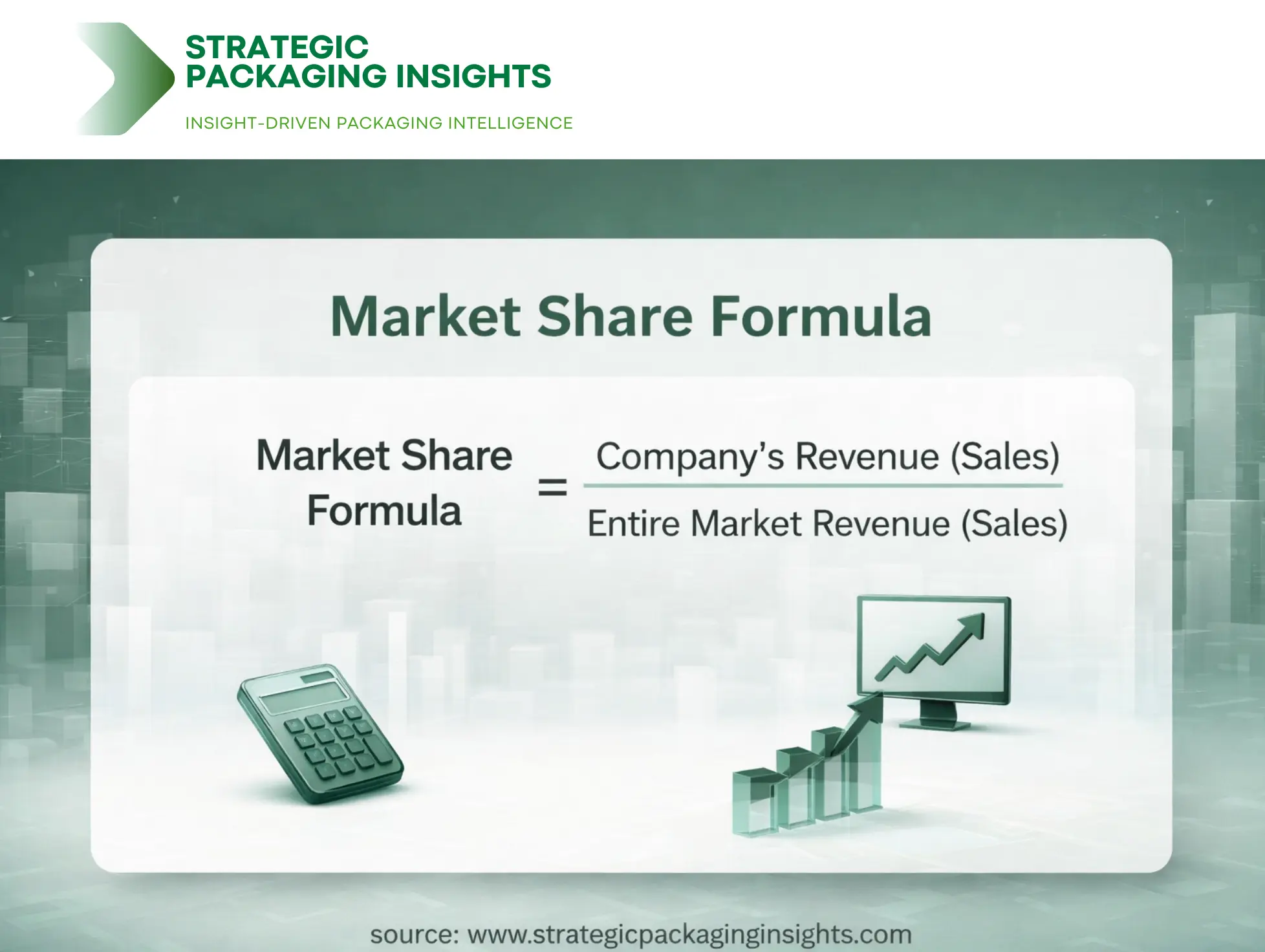
Market Share Analysis
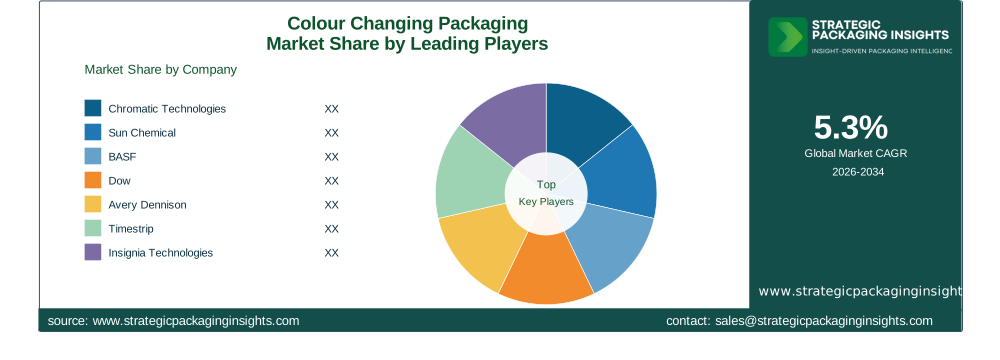
The Colour Changing Packaging market is characterized by a diverse competitive landscape, with key players such as Avery Dennison Corporation, Toray Industries, and Sappi Limited leading the market. These companies are investing in new technologies and materials to enhance their product offerings and gain a competitive edge. The market is also witnessing the entry of new players, driven by the increasing demand for smart packaging solutions and the shift towards sustainability.
Companies are focusing on innovation and differentiation to capture market share, with strategic investments in R&D and capacity expansions. The competitive landscape is evolving rapidly, with new entrants and established players vying for market share through partnerships, collaborations, and strategic acquisitions. The integration of advanced technologies such as photochromic and thermochromic materials is transforming the industry, enabling the development of innovative packaging solutions that meet evolving consumer demands.
Geographic presence is a key factor in the competitive landscape, with companies seeking to expand their operations in high-growth regions such as Asia Pacific and North America. The shift towards localization and supply chain optimization is also influencing competitive dynamics, with companies seeking to reduce costs and improve responsiveness to market changes. The competitive landscape is expected to continue evolving, with new technologies and materials reshaping the market and creating opportunities for growth and differentiation.
Key companies in the Colour Changing Packaging market include Avery Dennison Corporation, Toray Industries, Sappi Limited, Stora Enso, Mondi Group, Graphic Packaging Holding Company, Ball Corporation, Crown Holdings, Toyo Seikan Group Holdings, O-I Glass, Saint-Gobain Containers, Verallia, Amcor plc, CCL Industries, Chromatic Technologies Inc., Insignia Technologies, OliKrom, Timestrip, Sirane, and Sonoco Products Company. These companies are investing in new technologies and materials to enhance their product offerings and gain a competitive edge in the market.
Key Highlights
- Largest Region: North America
- Fastest-Growing Region: Asia Pacific
- Largest Segment: Food
- Fastest-Growing Segment: Biodegradable Materials
- Base-year market size: $1.5 Billion
- Forecast-year market size: $2.3 Billion
- CAGR: 4.2%
- Important application: Smart Packaging
- Major end-use industry: Food and Beverage
- Major market driver: Demand for interactive packaging solutions
Regional Insights
The Colour Changing Packaging market is witnessing significant growth across major regions, with North America being the largest market and Asia Pacific emerging as the fastest-growing region. The demand for smart packaging solutions and the shift towards sustainability are driving growth in these regions, with companies investing in new technologies and materials to meet evolving consumer demands.
North America
North America is the largest market for Colour Changing Packaging, driven by the demand for innovative packaging solutions in the food and beverage industry. The region is characterized by a strong focus on sustainability, with companies exploring biodegradable materials and recyclable substrates for colour changing applications. The integration of advanced technologies such as photochromic and thermochromic materials is gaining traction, enabling the development of interactive packaging solutions that enhance consumer engagement.
The regulatory landscape in North America is also influencing market dynamics, with mandates for recyclability and sustainability driving innovation and investment in new materials and technologies. The region is expected to continue leading the market, with companies focusing on innovation and differentiation to capture market share and meet evolving consumer demands.
Europe
Europe is a key market for Colour Changing Packaging, driven by the demand for sustainable packaging solutions and the integration of advanced technologies. The region is characterized by a strong focus on recyclability and sustainability, with companies exploring biodegradable materials and recyclable substrates for colour changing applications. The regulatory landscape in Europe is also influencing market dynamics, with mandates for recyclability and sustainability driving innovation and investment in new materials and technologies.
The demand for interactive packaging solutions is also driving growth in Europe, with companies focusing on innovation and differentiation to capture market share and meet evolving consumer demands. The region is expected to continue leading the market, with companies investing in new technologies and materials to enhance their product offerings and gain a competitive edge.
Asia Pacific
Asia Pacific is the fastest-growing region for Colour Changing Packaging, driven by the increasing demand for smart packaging solutions and the shift towards sustainability. The region is characterized by a strong focus on innovation and differentiation, with companies investing in new technologies and materials to meet evolving consumer demands. The demand for interactive packaging solutions is also driving growth in Asia Pacific, with companies focusing on innovation and differentiation to capture market share and meet evolving consumer demands.
The regulatory landscape in Asia Pacific is also influencing market dynamics, with mandates for recyclability and sustainability driving innovation and investment in new materials and technologies. The region is expected to continue leading the market, with companies focusing on innovation and differentiation to capture market share and meet evolving consumer demands.
Latin America
Latin America is a key market for Colour Changing Packaging, driven by the demand for innovative packaging solutions in the food and beverage industry. The region is characterized by a strong focus on sustainability, with companies exploring biodegradable materials and recyclable substrates for colour changing applications. The integration of advanced technologies such as photochromic and thermochromic materials is gaining traction, enabling the development of interactive packaging solutions that enhance consumer engagement.
The regulatory landscape in Latin America is also influencing market dynamics, with mandates for recyclability and sustainability driving innovation and investment in new materials and technologies. The region is expected to continue leading the market, with companies focusing on innovation and differentiation to capture market share and meet evolving consumer demands.
Middle East & Africa
The Middle East & Africa region is witnessing significant growth in the Colour Changing Packaging market, driven by the demand for smart packaging solutions and the shift towards sustainability. The region is characterized by a strong focus on innovation and differentiation, with companies investing in new technologies and materials to meet evolving consumer demands. The demand for interactive packaging solutions is also driving growth in the Middle East & Africa, with companies focusing on innovation and differentiation to capture market share and meet evolving consumer demands.
The regulatory landscape in the Middle East & Africa is also influencing market dynamics, with mandates for recyclability and sustainability driving innovation and investment in new materials and technologies. The region is expected to continue leading the market, with companies focusing on innovation and differentiation to capture market share and meet evolving consumer demands.
Colour Changing Packaging Market Segments Insights

By Material Analysis
The Colour Changing Packaging market is segmented by material, with plastic being the most widely used material due to its versatility and cost-effectiveness. The demand for biodegradable materials is also increasing, driven by the shift towards sustainability and the need for eco-friendly packaging solutions. Paper, metal, and glass are also important materials, with each offering unique properties and applications in the market.

The integration of advanced technologies such as photochromic and thermochromic materials is driving innovation in material selection, with companies exploring new substrates and resins to enhance the functionality and performance of colour changing packaging solutions. The demand for sustainable materials is expected to drive growth in the market, with companies investing in new technologies and materials to meet evolving consumer demands.
By Technology Analysis
The Colour Changing Packaging market is segmented by technology, with thermal sensitive and photochromic technologies being the most widely used. The demand for humidity sensitive and chemical sensitive technologies is also increasing, driven by the need for innovative and interactive packaging solutions. UV sensitive and electrochromic technologies are also important, with each offering unique properties and applications in the market.

The integration of advanced technologies is driving innovation in the market, with companies exploring new materials and processes to enhance the functionality and performance of colour changing packaging solutions. The demand for smart packaging solutions is expected to drive growth in the market, with companies investing in new technologies and materials to meet evolving consumer demands.
By Product Type Analysis
The Colour Changing Packaging market is segmented by product type, with labels and films being the most widely used products. The demand for bottles, cans, and cartons is also increasing, driven by the need for innovative and interactive packaging solutions. Caps and closures, pouches, and other packaging products are also important, with each offering unique properties and applications in the market.

The integration of advanced technologies is driving innovation in product development, with companies exploring new materials and processes to enhance the functionality and performance of colour changing packaging solutions. The demand for smart packaging solutions is expected to drive growth in the market, with companies investing in new technologies and materials to meet evolving consumer demands.
By Indicator Type Analysis
The Colour Changing Packaging market is segmented by indicator type, with temperature indicators being the most widely used. The demand for freshness indicators and time-temperature indicators is also increasing, driven by the need for innovative and interactive packaging solutions. Tamper indicators, moisture indicators, and pH indicators are also important, with each offering unique properties and applications in the market.

The integration of advanced technologies is driving innovation in indicator development, with companies exploring new materials and processes to enhance the functionality and performance of colour changing packaging solutions. The demand for smart packaging solutions is expected to drive growth in the market, with companies investing in new technologies and materials to meet evolving consumer demands.
By Application Analysis
The Colour Changing Packaging market is segmented by application, with food being the largest application segment. The demand for beverages, pharmaceuticals, and cosmetics is also increasing, driven by the need for innovative and interactive packaging solutions. Personal care, healthcare, agriculture, and industrial chemicals are also important applications, with each offering unique properties and applications in the market.

The integration of advanced technologies is driving innovation in application development, with companies exploring new materials and processes to enhance the functionality and performance of colour changing packaging solutions. The demand for smart packaging solutions is expected to drive growth in the market, with companies investing in new technologies and materials to meet evolving consumer demands.
By End User Analysis
The Colour Changing Packaging market is segmented by end user, with food and beverage manufacturers being the largest end user segment. The demand for pharmaceutical companies, cosmetics and personal care companies, and consumer goods manufacturers is also increasing, driven by the need for innovative and interactive packaging solutions. Retail brands, contract packagers, and logistics providers are also important end users, with each offering unique properties and applications in the market.

The integration of advanced technologies is driving innovation in end user development, with companies exploring new materials and processes to enhance the functionality and performance of colour changing packaging solutions. The demand for smart packaging solutions is expected to drive growth in the market, with companies investing in new technologies and materials to meet evolving consumer demands.
Top 10 Companies in the Colour Changing Packaging Market
Avery Dennison Corporation (USA)
Avery Dennison Corporation is a leader in the Colour Changing Packaging market, offering a range of smart packaging solutions that enhance consumer engagement and provide real-time product information. The company is investing in new technologies and materials to enhance its product offerings and gain a competitive edge in the market.
Toray Industries (Japan)
Toray Industries is a key player in the Colour Changing Packaging market, offering a range of advanced materials and technologies for smart packaging solutions. The company is investing in new technologies and materials to enhance its product offerings and gain a competitive edge in the market.
Sappi Limited (South Africa)
Sappi Limited is a leader in the Colour Changing Packaging market, offering a range of sustainable packaging solutions that enhance consumer engagement and provide real-time product information. The company is investing in new technologies and materials to enhance its product offerings and gain a competitive edge in the market.
Stora Enso (Finland)
Stora Enso is a key player in the Colour Changing Packaging market, offering a range of sustainable packaging solutions that enhance consumer engagement and provide real-time product information. The company is investing in new technologies and materials to enhance its product offerings and gain a competitive edge in the market.
Mondi Group (UK)
Mondi Group is a leader in the Colour Changing Packaging market, offering a range of sustainable packaging solutions that enhance consumer engagement and provide real-time product information. The company is investing in new technologies and materials to enhance its product offerings and gain a competitive edge in the market.
Graphic Packaging Holding Company (USA)
Graphic Packaging Holding Company is a key player in the Colour Changing Packaging market, offering a range of sustainable packaging solutions that enhance consumer engagement and provide real-time product information. The company is investing in new technologies and materials to enhance its product offerings and gain a competitive edge in the market.
Ball Corporation (USA)
Ball Corporation is a leader in the Colour Changing Packaging market, offering a range of sustainable packaging solutions that enhance consumer engagement and provide real-time product information. The company is investing in new technologies and materials to enhance its product offerings and gain a competitive edge in the market.
Crown Holdings (USA)
Crown Holdings is a key player in the Colour Changing Packaging market, offering a range of sustainable packaging solutions that enhance consumer engagement and provide real-time product information. The company is investing in new technologies and materials to enhance its product offerings and gain a competitive edge in the market.
Toyo Seikan Group Holdings (Japan)
Toyo Seikan Group Holdings is a leader in the Colour Changing Packaging market, offering a range of sustainable packaging solutions that enhance consumer engagement and provide real-time product information. The company is investing in new technologies and materials to enhance its product offerings and gain a competitive edge in the market.
O-I Glass (USA)
O-I Glass is a key player in the Colour Changing Packaging market, offering a range of sustainable packaging solutions that enhance consumer engagement and provide real-time product information. The company is investing in new technologies and materials to enhance its product offerings and gain a competitive edge in the market.
Colour Changing Packaging Market Segments
The Colour Changing Packaging market has been segmented on the basis ofBy Material
- Plastic
- Paper
- Metal
- Glass
- Biodegradable Materials
By Technology
- Thermal Sensitive
- Humidity Sensitive
- Chemical Sensitive
- UV Sensitive
- Photochromic
- Electrochromic
By Product Type
- Labels
- Films
- Bottles
- Cans
- Cartons
- Caps and Closures
- Pouches
- Other Packaging Products
By Indicator Type
- Temperature Indicators
- Freshness Indicators
- Time-Temperature Indicators
- Tamper Indicators
- Moisture Indicators
- pH Indicators
By Application
- Food
- Beverages
- Pharmaceuticals
- Cosmetics
- Personal Care
- Healthcare
- Agriculture
- Industrial Chemicals
By End User
- Food and Beverage Manufacturers
- Pharmaceutical Companies
- Cosmetics and Personal Care Companies
- Consumer Goods Manufacturers
- Retail Brands
- Contract Packagers
- Logistics Providers
By Region
- North America
- Latin America
- Europe
- East Asia
- South Asia and Pacific
- Middle East and Africa
Region
- Asia Pacific
- North America
- Latin America
- Europe
- Middle East & Africa