


Child-Resistant Flexible Packaging Market Outlook
The Child-Resistant Flexible Packaging market was valued at $1.2 billion in 2024 and is projected to reach $2.5 billion by 2033, growing at a CAGR of 8.5% during the forecast period 2025-2033. This market is driven by the increasing demand for safety in packaging, particularly in the pharmaceutical and household sectors. The rise in accidental poisoning incidents among children has heightened the need for packaging solutions that prevent easy access to harmful substances. Additionally, regulatory mandates across various regions are pushing manufacturers to adopt child-resistant features in their packaging designs. The market is also benefiting from advancements in material technology, which allow for the creation of flexible packaging that is both child-resistant and user-friendly for adults.
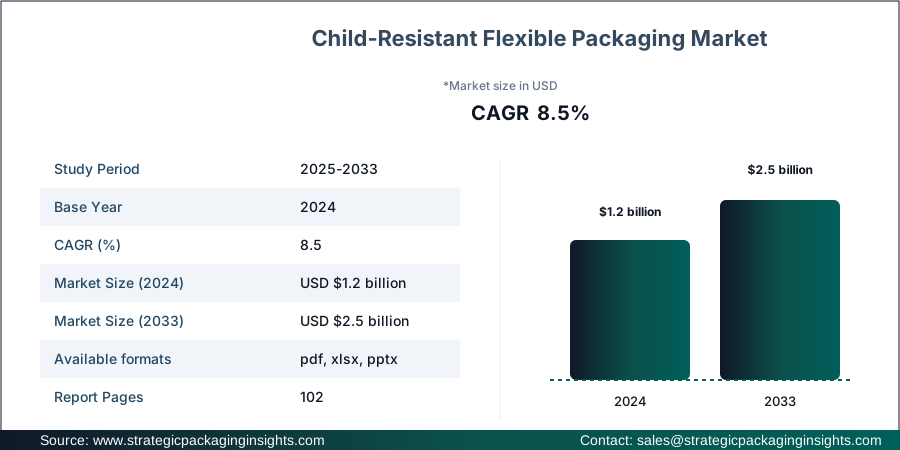
Despite the promising growth, the market faces several challenges. The primary restraint is the high cost associated with developing and producing child-resistant packaging solutions, which can deter smaller companies from entering the market. Moreover, stringent regulatory requirements can pose significant hurdles for manufacturers, necessitating continuous innovation and compliance efforts. However, the growth potential remains substantial, particularly with the increasing awareness and demand for safer packaging solutions globally. The market is also poised to benefit from the growing trend of sustainable packaging, as manufacturers explore eco-friendly materials that do not compromise on safety features.
Report Scope
| Attributes | Details |
| Report Title | Child-Resistant Flexible Packaging Market Size, Future Growth and Forecast 2033 |
| Material | Plastic, Paper, Aluminum |
| Application | Pharmaceuticals, Food & Beverages |
| Type | Bags, Pouches |
| End-User | Healthcare, Food & Beverage |
| Base Year | 2024 |
| Historic Period | 2017-2023 |
| Forecast Period | 2025-2033 |
| Number of Pages | 102 |
| Customization Available | Yes* |
Opportunities & Threats
The Child-Resistant Flexible Packaging market presents numerous opportunities, particularly in the realm of technological advancements. Innovations in material science are paving the way for more effective and efficient child-resistant solutions. For instance, the development of new polymers and laminates that offer enhanced barrier properties while maintaining flexibility is a significant opportunity for market players. Additionally, the integration of smart packaging technologies, such as QR codes and NFC tags, can provide added layers of safety and information, appealing to tech-savvy consumers and regulatory bodies alike. The growing e-commerce sector also offers a lucrative opportunity, as the demand for secure and tamper-evident packaging solutions increases with the rise in online shopping.
Another opportunity lies in the expansion into emerging markets. As awareness of child safety increases in regions such as Asia Pacific and Latin America, the demand for child-resistant packaging is expected to rise. Companies that can establish a strong presence in these regions stand to gain significantly. Furthermore, partnerships and collaborations with pharmaceutical and consumer goods companies can open new avenues for growth, as these industries are major consumers of child-resistant packaging solutions. The trend towards customization and personalization in packaging also offers opportunities for differentiation and value addition.
However, the market is not without its threats. One of the primary challenges is the potential for regulatory changes that could impact production processes and costs. As governments around the world continue to tighten safety standards, companies must remain agile and adaptable to comply with new regulations. Additionally, the high cost of raw materials and the complexity of manufacturing child-resistant features can pose significant barriers to entry for new players. The competitive landscape is also intensifying, with established players investing heavily in research and development to maintain their market positions. This could lead to price wars and margin pressures, particularly for smaller companies.
Market Share Analysis
The competitive landscape of the Child-Resistant Flexible Packaging market is characterized by the presence of several key players who dominate the market share. These companies are primarily focused on innovation, product development, and strategic partnerships to maintain their competitive edge. The market is highly fragmented, with a mix of large multinational corporations and small to medium-sized enterprises. The top players in the market include Amcor Limited, Berry Global Inc., Mondi Group, Sonoco Products Company, and WestRock Company, among others. These companies collectively hold a significant share of the market, leveraging their extensive distribution networks and strong brand recognition.
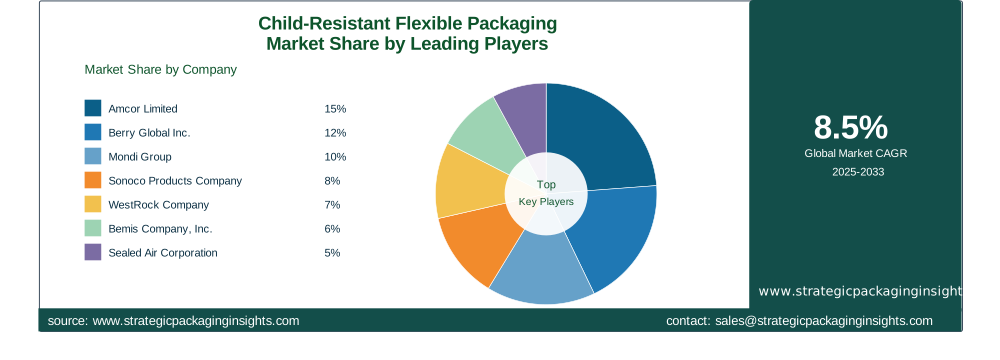
Amcor Limited, for instance, is a leading player in the market, known for its innovative packaging solutions and commitment to sustainability. The company has a strong presence in both developed and emerging markets, offering a wide range of child-resistant packaging products. Berry Global Inc. is another major player, with a focus on providing customized packaging solutions to meet the specific needs of its clients. The company's extensive product portfolio and global reach make it a formidable competitor in the market.
Mondi Group is renowned for its advanced material technologies and sustainable packaging solutions. The company has made significant investments in research and development to enhance its product offerings and expand its market presence. Sonoco Products Company is also a key player, known for its comprehensive range of packaging solutions and strong customer relationships. The company's focus on innovation and quality has helped it maintain a competitive position in the market.
WestRock Company is another major player, with a strong emphasis on sustainability and innovation. The company has a diverse product portfolio and a robust distribution network, enabling it to serve a wide range of industries. Other notable players in the market include Bemis Company, Inc., Sealed Air Corporation, and Huhtamaki Oyj, each of which has carved out a niche in the market through strategic initiatives and product innovations.
Key Highlights
- The market is projected to grow at a CAGR of 8.5% from 2025 to 2033.
- Increasing demand for safety in packaging, particularly in pharmaceuticals and household sectors, is driving market growth.
- Technological advancements in material science are creating new opportunities for market players.
- The rise of e-commerce is boosting demand for secure and tamper-evident packaging solutions.
- Emerging markets in Asia Pacific and Latin America offer significant growth potential.
- Regulatory mandates are pushing manufacturers to adopt child-resistant features in packaging designs.
- Sustainability trends are influencing the development of eco-friendly child-resistant packaging solutions.
Top Countries Insights
In the Child-Resistant Flexible Packaging market, the United States holds a significant share, with a market size of $500 million and a CAGR of 7%. The country's stringent regulatory environment and high awareness of child safety drive demand for advanced packaging solutions. The presence of major pharmaceutical companies further boosts the market, as these firms require compliant packaging for their products.
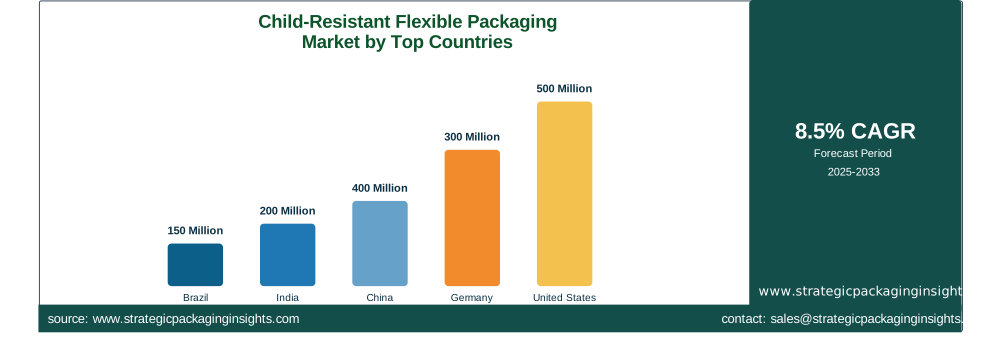
Germany is another key player, with a market size of $300 million and a CAGR of 6%. The country's strong manufacturing base and focus on innovation make it a leader in the European market. German companies are known for their high-quality packaging solutions, which are in demand across various industries, including pharmaceuticals and personal care.
China, with a market size of $400 million and a CAGR of 10%, is experiencing rapid growth in the child-resistant packaging sector. The country's expanding middle class and increasing awareness of child safety are driving demand. Additionally, government initiatives to improve packaging standards are expected to further boost the market.
India, with a market size of $200 million and a CAGR of 12%, is emerging as a significant market for child-resistant packaging. The country's growing pharmaceutical industry and rising consumer awareness are key growth drivers. Indian manufacturers are increasingly adopting advanced packaging technologies to meet international standards.
Brazil, with a market size of $150 million and a CAGR of 8%, is also witnessing growth in this sector. The country's large population and increasing focus on child safety are driving demand for child-resistant packaging solutions. Brazilian companies are investing in new technologies to enhance their product offerings and expand their market presence.
Evolving Market Dynamics (2018-2024) and Strategic Foresight (2025-2033)
| Metric | 2018-2024 | 2025-2033 |
|---|---|---|
| CAGR | 6.5% | 8.5% |
| Market Size Evolution | $800 million to $1.2 billion | $1.2 billion to $2.5 billion |
| Segment Distribution Shifts | Pharmaceuticals dominated | Increased share for food & beverages |
| Regional Contribution Changes | North America led | Asia Pacific gaining ground |
| Technological Impact Factors | Basic child-resistant features | Advanced smart packaging |
| Client Demand Transformations | Focus on safety | Emphasis on sustainability |
Child-Resistant Flexible Packaging Market Segments Insights

Material Analysis
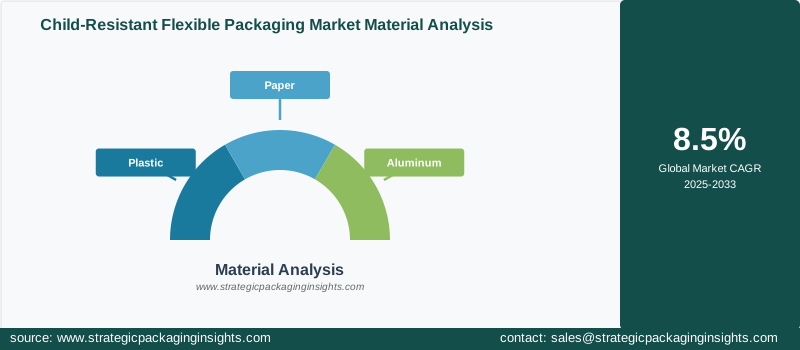
The material segment of the Child-Resistant Flexible Packaging market is primarily dominated by plastics, which offer versatility and cost-effectiveness. However, the increasing environmental concerns and regulatory pressures are driving the shift towards more sustainable materials such as paper and aluminum. Plastic remains a popular choice due to its durability and flexibility, which are essential for creating effective child-resistant features. Innovations in biodegradable and recyclable plastics are gaining traction, offering a balance between functionality and environmental responsibility. Paper-based packaging is also witnessing growth, particularly in regions with stringent environmental regulations. The use of aluminum, known for its excellent barrier properties, is expanding in applications where product integrity is critical.
Within the material segment, the competition is intense as companies strive to develop innovative solutions that meet both safety and sustainability criteria. The demand for eco-friendly materials is pushing manufacturers to invest in research and development to create new composites and laminates that offer enhanced performance. The trend towards lightweight packaging is also influencing material choices, as companies seek to reduce transportation costs and carbon footprints. As consumer awareness of environmental issues grows, the demand for sustainable materials is expected to rise, presenting opportunities for companies that can offer innovative and compliant solutions.
Application Analysis
The application segment of the Child-Resistant Flexible Packaging market is diverse, with pharmaceuticals being the largest consumer. The need for secure packaging to prevent accidental ingestion of medications by children is a major driver in this segment. The food and beverage industry is also a significant consumer, as companies seek to protect their products from tampering and contamination. Personal care and household products are other key applications, where child-resistant features are essential to prevent access to potentially harmful substances. The demand for customized packaging solutions is growing, as companies look to differentiate their products and enhance brand appeal.
In the application segment, the competition is fierce, with companies focusing on innovation and customization to meet the specific needs of different industries. The trend towards personalization is driving demand for packaging solutions that can be tailored to individual brand requirements. The integration of smart packaging technologies, such as tamper-evident seals and interactive labels, is gaining popularity, offering added value to consumers and manufacturers alike. As the market evolves, the demand for versatile and multifunctional packaging solutions is expected to increase, presenting opportunities for companies that can offer innovative and adaptable products.
Type Analysis
The type segment of the Child-Resistant Flexible Packaging market includes bags, pouches, blisters, and tubes, each offering unique advantages and applications. Bags and pouches are popular choices due to their flexibility and ease of use, making them ideal for a wide range of products. Blisters are commonly used in the pharmaceutical industry, providing a secure and tamper-evident solution for medications. Tubes are favored for personal care and household products, offering convenience and protection. The demand for resealable and reusable packaging solutions is growing, as consumers seek convenience and sustainability.
Within the type segment, the competition is driven by the need for innovation and differentiation. Companies are investing in new technologies to enhance the functionality and appeal of their packaging solutions. The trend towards convenience is influencing the design of packaging types, with features such as easy-open and resealable closures gaining popularity. As consumer preferences evolve, the demand for versatile and user-friendly packaging solutions is expected to rise, presenting opportunities for companies that can offer innovative and practical products.
End-User Analysis
The end-user segment of the Child-Resistant Flexible Packaging market is dominated by the healthcare industry, which requires secure and compliant packaging solutions to protect medications and medical devices. The food and beverage industry is another major consumer, as companies seek to ensure the safety and integrity of their products. Personal care and household products are also significant end-users, where child-resistant features are essential to prevent access to potentially harmful substances. The demand for sustainable and eco-friendly packaging solutions is growing, as end-users seek to reduce their environmental impact.
In the end-user segment, the competition is driven by the need for compliance and innovation. Companies are focusing on developing packaging solutions that meet the specific requirements of different industries, while also addressing environmental concerns. The trend towards sustainability is influencing the design and material choices of packaging solutions, with companies seeking to offer products that are both effective and environmentally responsible. As the market evolves, the demand for innovative and compliant packaging solutions is expected to increase, presenting opportunities for companies that can offer value-added products.
Child-Resistant Flexible Packaging Market Segments
The Child-Resistant Flexible Packaging market has been segmented on the basis ofMaterial
- Plastic
- Paper
- Aluminum
Application
- Pharmaceuticals
- Food & Beverages
Type
- Bags
- Pouches
End-User
- Healthcare
- Food & Beverage




