


Cement Sacks Market Outlook
The Cement Sacks market size was valued at USD 10.5 billion in 2025 and is anticipated to reach USD 14.5 billion by 2034, growing at a CAGR of 3.60% during the forecast period according to Strategic Packaging Insights. The market is driven by the increasing demand for sustainable and durable packaging solutions in the construction industry. Cement sacks, particularly those made from Kraft Paper and Woven Polypropylene, are gaining traction due to their strength and environmental benefits. Companies like Mondi Group and Smurfit Westrock are leading the charge in innovation, focusing on enhancing the durability and eco-friendliness of their products to meet the evolving needs of the market.
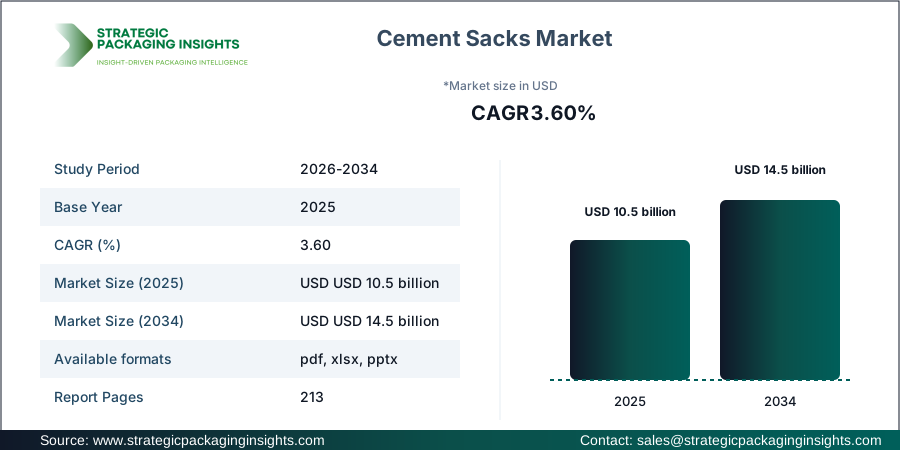
One of the most impactful drivers of the Cement Sacks market is the global push towards sustainable construction practices. Governments worldwide are implementing stricter regulations on packaging waste, encouraging the use of recyclable and biodegradable materials. This shift is supported by consumer preferences for eco-friendly products, which is compelling manufacturers to innovate and adopt greener practices. The increasing urbanization and infrastructure development in emerging economies are also contributing to the market's growth, as they drive the demand for cement and related packaging solutions. Companies like Klabin and Segezha Group are investing in research and development to create more sustainable packaging options, aligning with global sustainability goals.
Report Scope
| Attributes | Details |
| Report Title | Cement Sacks Market Size, Future Growth and Forecast 2034 |
| By Material | Kraft Paper (1-3 Ply), Woven Polypropylene (PP), Laminated Woven PP, HDPE |
| By Bag Type | Valve / Pasted Valve Sacks, Open Mouth Sacks, Sewn Bags, Block Bottom Bags |
| By Capacity | 25 kg, 40 kg, 50 kg, Jumbo / FIBC (above 500 kg) |
| By End Use | Cement, Dry Mortar & Plaster, Wall Putty, Lime & Gypsum, Concrete Admixtures |
| By Region | North America (U.S., Canada, Mexico), Europe (Germany, UK, France, Italy, Spain, Rest of Europe), Asia Pacific (China, India, Japan, South Korea, Australia, Rest of Asia Pacific), Latin America (Brazil, Argentina, Rest of Latin America), Middle East & Africa (GCC Countries, South Africa, Rest of MEA) |
| Base Year | 2025 |
| Historic Period | 2018-2024 |
| Forecast Period | 2026-2034 |
| Number of Pages | 213 |
| Customization Available | Yes* |
Sustainability & Circular Economy Analysis
Sustainability initiatives are significantly shaping the Cement Sacks market, with a strong focus on reducing environmental impact through the use of recyclable materials and eco-friendly innovations. Companies are increasingly adopting lightweight packaging solutions to minimize material usage and transportation emissions. The integration of recyclable materials, such as Kraft Paper and Woven Polypropylene, is becoming a standard practice, driven by consumer demand for sustainable products and stringent packaging regulations. These trends are influencing packaging design and manufacturing processes, encouraging companies to invest in eco-friendly material innovation and waste reduction strategies.
The circular economy is playing a pivotal role in the Cement Sacks market by promoting the reuse and recycling of packaging materials. Extended Producer Responsibility (EPR) policies are pushing manufacturers to take accountability for the entire lifecycle of their products, leading to the development of more sustainable packaging solutions. This shift is not only enhancing regulatory compliance but also boosting long-term market competitiveness. Companies are focusing on reducing their carbon footprint through efficient supply chain strategies and ESG initiatives, which are becoming critical factors in investment decisions and brand reputation.
Consumer preferences for sustainability are driving significant changes in the Cement Sacks market, with a growing emphasis on eco-friendly packaging solutions. This trend is encouraging manufacturers to explore innovative materials and designs that align with environmental goals. The adoption of lightweight and reusable packaging is becoming increasingly popular, as it offers cost savings and environmental benefits. As a result, companies are prioritizing sustainability in their product development and marketing strategies, recognizing its importance in maintaining a competitive edge in the market.
Packaging Value Chain & Supply Chain Analysis
The packaging value chain for Cement Sacks involves a complex ecosystem of raw material sourcing, manufacturing, and distribution. Raw materials such as Kraft Paper and Woven Polypropylene are sourced from suppliers who prioritize sustainability and quality. Packaging converters and manufacturers play a crucial role in transforming these materials into durable and eco-friendly sacks, utilizing advanced machinery and production techniques. Strategic partnerships with logistics providers and distribution channels ensure efficient transportation and delivery of products to end-users, such as construction companies and retailers.
Supply chain efficiency is a critical factor in the Cement Sacks market, influencing overall market performance and business competitiveness. The availability of raw materials and production capabilities are key determinants of supply chain resilience, impacting the ability of manufacturers to meet demand and maintain cost-effectiveness. Companies are increasingly focusing on localization and global sourcing strategies to mitigate risks associated with supply chain disruptions and ensure a steady supply of materials. Inventory management and procurement strategies are also essential components of the supply chain, enabling companies to optimize their operations and reduce costs.
Recycling networks are becoming an integral part of the packaging value chain, as companies strive to enhance their sustainability efforts and comply with regulatory requirements. The integration of recycling processes into the supply chain is helping manufacturers reduce waste and improve resource efficiency. Brand owners and retailers are also playing a significant role in promoting sustainable packaging solutions, as they seek to align with consumer preferences and enhance their brand image. By investing in sustainable supply chain practices, companies can improve their market competitiveness and contribute to a more sustainable future.
Opportunities & Threats
The Cement Sacks market presents numerous opportunities for growth, driven by the increasing demand for sustainable packaging solutions in the construction industry. The shift towards eco-friendly materials and designs is creating new avenues for innovation and product development. Companies that invest in research and development to create more sustainable and durable packaging options are likely to gain a competitive edge in the market. The growing urbanization and infrastructure development in emerging economies are also providing significant growth opportunities, as they drive the demand for cement and related packaging solutions.
Another opportunity lies in the expansion of recycling networks and the adoption of circular economy practices. By integrating recycling processes into their operations, companies can reduce waste and improve resource efficiency, enhancing their sustainability efforts and regulatory compliance. The increasing consumer preference for eco-friendly products is also encouraging manufacturers to explore new materials and designs that align with environmental goals. By prioritizing sustainability in their product development and marketing strategies, companies can tap into new market segments and enhance their brand reputation.
However, the Cement Sacks market also faces several threats, including the volatility of raw material prices and the increasing competition from alternative packaging solutions. The reliance on specific raw materials, such as Kraft Paper and Woven Polypropylene, makes manufacturers vulnerable to fluctuations in supply and pricing. Additionally, the growing popularity of alternative packaging solutions, such as bulk containers and reusable packaging, poses a threat to the traditional cement sacks market. Companies must continuously innovate and adapt to changing market dynamics to maintain their competitiveness and market share.
Drivers & Challenges
The Cement Sacks market is driven by several key factors, including the increasing demand for sustainable packaging solutions and the growth of the construction industry. The global push towards eco-friendly materials and designs is encouraging manufacturers to innovate and adopt greener practices. The rising urbanization and infrastructure development in emerging economies are also contributing to the market's growth, as they drive the demand for cement and related packaging solutions. Companies that invest in research and development to create more sustainable and durable packaging options are likely to gain a competitive edge in the market.
Another significant driver is the implementation of stricter regulations on packaging waste, which is encouraging the use of recyclable and biodegradable materials. Governments worldwide are promoting sustainable construction practices, which is boosting the demand for eco-friendly packaging solutions. The increasing consumer preference for sustainable products is also driving significant changes in the market, as manufacturers seek to align with environmental goals and enhance their brand reputation. By prioritizing sustainability in their product development and marketing strategies, companies can tap into new market segments and enhance their competitiveness.
Despite these drivers, the Cement Sacks market faces several challenges, including the volatility of raw material prices and the increasing competition from alternative packaging solutions. The reliance on specific raw materials, such as Kraft Paper and Woven Polypropylene, makes manufacturers vulnerable to fluctuations in supply and pricing. Additionally, the growing popularity of alternative packaging solutions, such as bulk containers and reusable packaging, poses a threat to the traditional cement sacks market. Companies must continuously innovate and adapt to changing market dynamics to maintain their competitiveness and market share.
Market Share Analysis
The competitive landscape of the Cement Sacks market is characterized by the presence of several key players, including Mondi Group, Smurfit Westrock, Klabin, Segezha Group, and Gascogne. These companies are leading the market with their innovative and sustainable packaging solutions, focusing on enhancing the durability and eco-friendliness of their products. The market is also witnessing the entry of new players, who are leveraging advanced technologies and materials to gain a competitive edge. The increasing demand for sustainable packaging solutions is encouraging companies to invest in research and development, driving innovation and growth in the market.
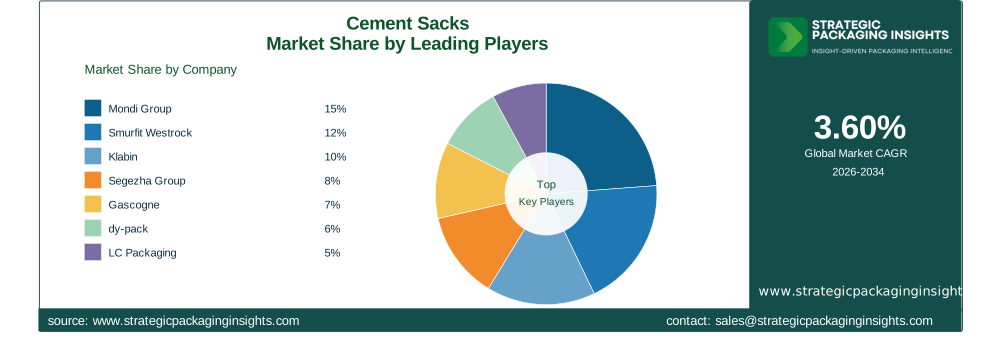
Mondi Group is a prominent player in the Cement Sacks market, known for its commitment to sustainability and innovation. The company offers a wide range of packaging solutions, including Kraft Paper and Woven Polypropylene sacks, designed to meet the evolving needs of the construction industry. Smurfit Westrock is another key player, focusing on enhancing the durability and eco-friendliness of its products through advanced manufacturing processes and materials. Klabin and Segezha Group are also making significant contributions to the market, investing in research and development to create more sustainable packaging options.
Gascogne is a leading provider of sustainable packaging solutions, offering a range of products designed to reduce environmental impact and enhance resource efficiency. The company is known for its innovative approach to packaging design and manufacturing, leveraging advanced technologies and materials to create durable and eco-friendly solutions. Dy-pack and LC Packaging are also key players in the market, focusing on enhancing the sustainability and performance of their products through continuous innovation and investment in research and development.
Uflex and Knack Packaging are making significant strides in the Cement Sacks market, offering a range of innovative and sustainable packaging solutions. These companies are leveraging advanced technologies and materials to create durable and eco-friendly products, aligning with global sustainability goals. Muscat Polymers and El Dorado Packaging are also contributing to the market's growth, focusing on enhancing the durability and performance of their products through continuous innovation and investment in research and development. The competitive landscape of the Cement Sacks market is dynamic and evolving, with companies striving to maintain their competitiveness and market share through innovation and sustainability.
Key Highlights
- The Cement Sacks market is projected to reach USD 14.5 billion by 2034, growing at a CAGR of 3.60%.
- Asia Pacific is expected to witness the highest growth rate, driven by urbanization and infrastructure development.
- Kraft Paper and Woven Polypropylene are the most popular materials, favored for their strength and eco-friendliness.
- Valve / Pasted Valve Sacks are the leading bag type, offering superior durability and ease of use.
- The 50 kg capacity segment is the most popular, catering to the needs of the construction industry.
- Companies like Mondi Group and Smurfit Westrock are leading the market with their innovative and sustainable packaging solutions.
- The increasing demand for sustainable packaging solutions is driving significant changes in the market, encouraging innovation and investment in research and development.
Cement Sacks Market Segments Insights

By Material Analysis
The Cement Sacks market is segmented by material into Kraft Paper (1-3 Ply), Woven Polypropylene (PP), Laminated Woven PP, and HDPE. Kraft Paper is favored for its eco-friendly properties and strength, making it a popular choice among manufacturers. Woven Polypropylene is also widely used due to its durability and cost-effectiveness. Companies are investing in research and development to enhance the performance and sustainability of these materials, aligning with global sustainability goals. The increasing demand for eco-friendly packaging solutions is driving significant changes in the market, encouraging innovation and investment in new materials and technologies.
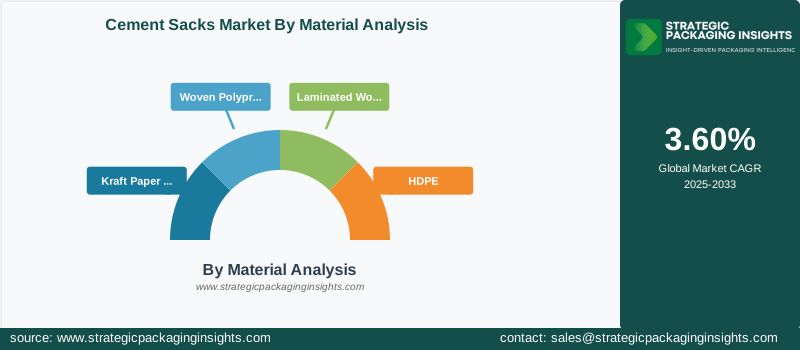
Laminated Woven PP and HDPE are gaining traction in the market, offering superior durability and resistance to moisture and chemicals. These materials are particularly popular in regions with harsh environmental conditions, where durability and performance are critical factors. The growing popularity of these materials is encouraging manufacturers to explore new designs and technologies that enhance their performance and sustainability. By prioritizing sustainability in their product development and marketing strategies, companies can tap into new market segments and enhance their competitiveness.
By Bag Type Analysis
The Cement Sacks market is segmented by bag type into Valve / Pasted Valve Sacks, Open Mouth Sacks, Sewn Bags, and Block Bottom Bags. Valve / Pasted Valve Sacks are the leading bag type, offering superior durability and ease of use. These sacks are designed to withstand the rigors of transportation and handling, making them a popular choice among manufacturers and end-users. Open Mouth Sacks and Sewn Bags are also widely used, offering versatility and cost-effectiveness. Companies are investing in research and development to enhance the performance and sustainability of these bag types, aligning with global sustainability goals.
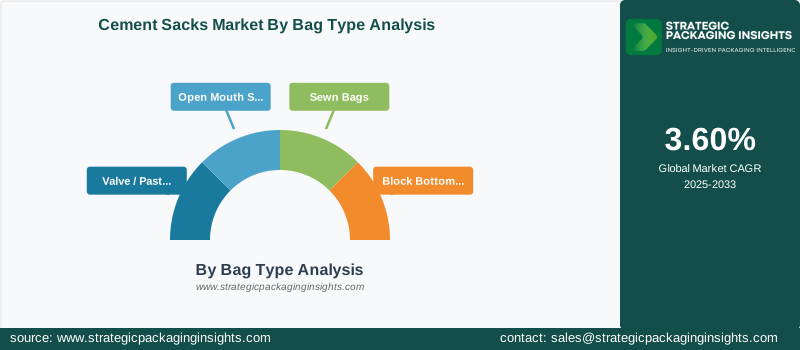
Block Bottom Bags are gaining popularity in the market, offering superior stability and stackability. These bags are particularly popular in regions with high transportation and storage costs, where efficiency and cost-effectiveness are critical factors. The growing popularity of these bags is encouraging manufacturers to explore new designs and technologies that enhance their performance and sustainability. By prioritizing sustainability in their product development and marketing strategies, companies can tap into new market segments and enhance their competitiveness.
By Capacity Analysis
The Cement Sacks market is segmented by capacity into 25 kg, 40 kg, 50 kg, and Jumbo / FIBC (above 500 kg). The 50 kg capacity segment is the most popular, catering to the needs of the construction industry. These sacks are designed to withstand the rigors of transportation and handling, making them a popular choice among manufacturers and end-users. The increasing demand for sustainable packaging solutions is driving significant changes in the market, encouraging innovation and investment in new materials and technologies.
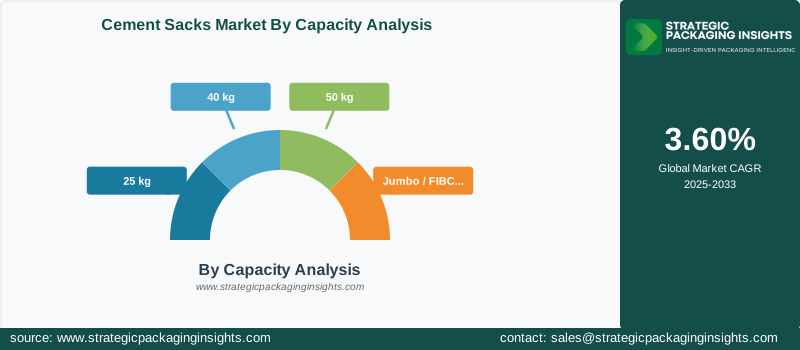
Jumbo / FIBC (above 500 kg) sacks are gaining traction in the market, offering superior durability and cost-effectiveness. These sacks are particularly popular in regions with high transportation and storage costs, where efficiency and cost-effectiveness are critical factors. The growing popularity of these sacks is encouraging manufacturers to explore new designs and technologies that enhance their performance and sustainability. By prioritizing sustainability in their product development and marketing strategies, companies can tap into new market segments and enhance their competitiveness.
By End Use Analysis
The Cement Sacks market is segmented by end use into Cement, Dry Mortar & Plaster, Wall Putty, Lime & Gypsum, and Concrete Admixtures. The Cement segment is the largest, driven by the increasing demand for construction materials in emerging economies. The growing urbanization and infrastructure development in these regions are contributing to the market's growth, as they drive the demand for cement and related packaging solutions. Companies are investing in research and development to enhance the performance and sustainability of their products, aligning with global sustainability goals.
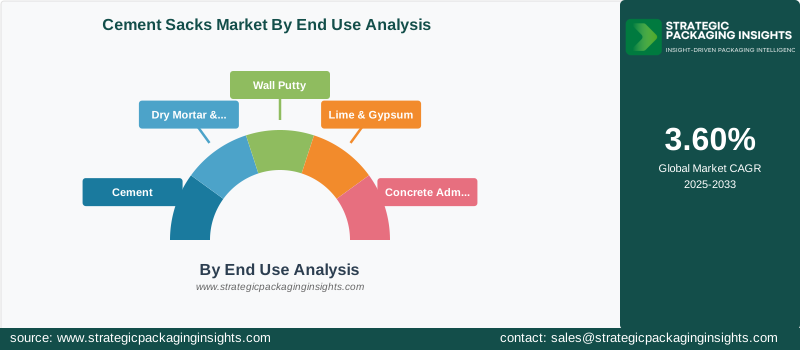
Dry Mortar & Plaster and Wall Putty are also significant segments, offering opportunities for growth and innovation. The increasing demand for sustainable packaging solutions is driving significant changes in the market, encouraging innovation and investment in new materials and technologies. By prioritizing sustainability in their product development and marketing strategies, companies can tap into new market segments and enhance their competitiveness. The Lime & Gypsum and Concrete Admixtures segments are also gaining traction, offering opportunities for growth and innovation in the market.
Cement Sacks Market Segments
The Cement Sacks market has been segmented on the basis ofBy Material
- Kraft Paper (1-3 Ply)
- Woven Polypropylene (PP)
- Laminated Woven PP
- HDPE
By Bag Type
- Valve / Pasted Valve Sacks
- Open Mouth Sacks
- Sewn Bags
- Block Bottom Bags
By Capacity
- 25 kg
- 40 kg
- 50 kg
- Jumbo / FIBC (above 500 kg)
By End Use
- Cement
- Dry Mortar & Plaster
- Wall Putty
- Lime & Gypsum
- Concrete Admixtures
By Region
- North America (U.S., Canada, Mexico)
- Europe (Germany, UK, France, Italy, Spain, Rest of Europe)
- Asia Pacific (China, India, Japan, South Korea, Australia, Rest of Asia Pacific)
- Latin America (Brazil, Argentina, Rest of Latin America)
- Middle East & Africa (GCC Countries, South Africa, Rest of MEA)




