


Cellulose Nanofibre Barrier Coating Market Outlook
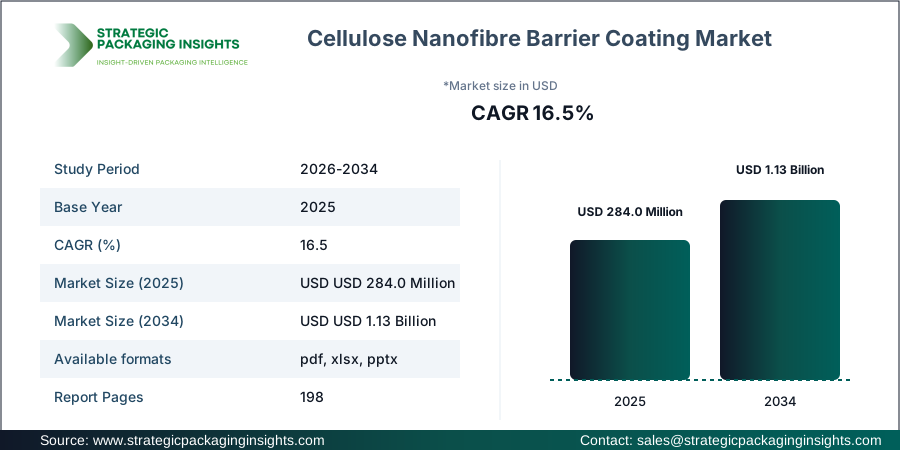
The Cellulose Nanofibre Barrier Coating market size was valued at USD 284.0 Million in 2025 and is anticipated to reach USD 1.13 Billion by 2034, growing at a CAGR of 16.5% during the forecast period according to Strategic Packaging Insights. This market is witnessing significant growth due to the increasing demand for sustainable and eco-friendly packaging solutions. Companies like Stora Enso and UPM Specialty Papers are at the forefront of this innovation, leveraging cellulose nanofibres to create barrier coatings that are not only biodegradable but also offer superior performance in terms of moisture and oxygen resistance. The shift towards sustainable packaging is driven by both consumer preferences and stringent environmental regulations, making cellulose nanofibre barrier coatings a pivotal component in the future of packaging.
One of the most impactful drivers of the Cellulose Nanofibre Barrier Coating market is the growing emphasis on reducing plastic waste and carbon footprints. Governments worldwide are implementing policies to curb plastic usage, which is propelling the demand for biodegradable alternatives. According to a report by the United Nations, plastic pollution is a critical environmental issue, and the adoption of cellulose-based materials is seen as a viable solution. Companies like Borregaard ASA and Sappi Limited are investing heavily in research and development to enhance the properties of cellulose nanofibres, making them more competitive against traditional plastic coatings. This trend is expected to continue, driving the market's growth and encouraging further innovation in sustainable packaging solutions.
Report Scope
| Attributes | Details |
| Report Title | Cellulose Nanofibre Barrier Coating Market Size, Future Growth and Forecast 2034 |
| By Product Type | Cellulose Nanofibrils (CNF), Cellulose Nanocrystals (CNC), Hybrid Nanocellulose Coatings |
| By Coating Type | Water-Based Barrier Coatings, Oxygen Barrier Coatings, Grease Barrier Coatings, Moisture Barrier Coatings |
| By Substrate | Paper & Paperboard, Flexible Packaging, Corrugated Packaging, Molded Fibre Packaging |
| By End User | Food & Beverage, Personal Care & Cosmetics, Healthcare, Consumer Goods, Industrial Packaging |
| Region | Asia Pacific, North America, Latin America, Europe, Middle East & Africa |
| Base Year | 2025 |
| Historic Period | 2018-2024 |
| Forecast Period | 2026-2034 |
| Number of Pages | 198 |
| Customization Available | Yes* |
Sustainability & Circular Economy Analysis
Sustainability initiatives and circular economy practices are significantly influencing the packaging market, particularly in the realm of cellulose nanofibre barrier coatings. The push towards recyclable materials and reusable packaging is reshaping how companies approach packaging design and manufacturing. For instance, the use of lightweight packaging not only reduces material costs but also minimizes the carbon footprint associated with transportation. Companies are increasingly adopting eco-friendly material innovations, such as cellulose nanofibres, to meet consumer demand for sustainable products. These materials offer the dual benefits of being biodegradable and providing effective barrier properties, making them an attractive option for environmentally conscious brands.
Moreover, waste reduction strategies and ESG (Environmental, Social, and Governance) initiatives are becoming integral to corporate strategies, influencing investment decisions and supply chain strategies. Packaging regulations are tightening globally, with extended producer responsibility (EPR) frameworks being implemented to ensure that companies take accountability for the lifecycle of their products. This regulatory landscape is pushing manufacturers to innovate and adopt sustainable practices, thereby enhancing their long-term market competitiveness. The integration of sustainability trends into packaging solutions is not just a compliance measure but a strategic move to align with consumer preferences and regulatory expectations.
As a result, companies are focusing on reducing their carbon footprint and enhancing their sustainability credentials. This shift is evident in the increased investment in research and development to create advanced cellulose nanofibre barrier coatings that meet both performance and environmental standards. The emphasis on sustainability is also driving collaborations across the value chain, from raw material suppliers to brand owners, to develop solutions that are both economically viable and environmentally friendly. This collaborative approach is essential for achieving the goals of a circular economy and ensuring the long-term success of the packaging industry.
Packaging Value Chain & Supply Chain Analysis
The packaging value chain for cellulose nanofibre barrier coatings is complex, involving multiple stakeholders from raw material sourcing to end-user delivery. Raw material availability is a critical factor, as the production of cellulose nanofibres requires sustainable sourcing of wood pulp and other cellulose-rich materials. Companies like Nippon Paper Industries and Suzano S.A. are key players in this space, ensuring a steady supply of high-quality raw materials. Packaging converters and manufacturers play a pivotal role in transforming these materials into functional barrier coatings, utilizing advanced machinery and technology to enhance production capabilities and efficiency.
Logistics and distribution channels are equally important in the supply chain, as they determine the speed and efficiency with which products reach the market. Strategic partnerships between manufacturers, logistics providers, and retailers are essential for optimizing inventory management and ensuring supply chain resilience. The localization of production facilities is becoming increasingly important to reduce transportation costs and carbon emissions, aligning with sustainability goals. Companies are also exploring global sourcing strategies to diversify their supply chains and mitigate risks associated with geopolitical uncertainties and raw material shortages.
Recycling networks are an integral part of the packaging value chain, particularly for cellulose nanofibre barrier coatings, which are designed to be biodegradable and recyclable. The integration of recycling processes into the supply chain not only supports sustainability initiatives but also enhances the overall market performance by reducing waste and promoting resource efficiency. Procurement strategies are evolving to prioritize sustainable materials and practices, reflecting the growing importance of environmental considerations in business competitiveness. This holistic approach to the packaging value chain is essential for meeting the demands of modern consumers and ensuring the long-term success of the industry.
Opportunities & Threats
The Cellulose Nanofibre Barrier Coating market presents numerous opportunities for growth, driven by the increasing demand for sustainable packaging solutions. One significant opportunity lies in the expansion of applications across various industries, such as food and beverage, personal care, and healthcare. As consumers become more environmentally conscious, there is a growing preference for products that use eco-friendly packaging. This trend is encouraging companies to innovate and develop new applications for cellulose nanofibre barrier coatings, which offer superior barrier properties and biodegradability. Additionally, advancements in nanotechnology are opening up new possibilities for enhancing the performance of these coatings, making them more competitive against traditional materials.
Another opportunity is the potential for market expansion in emerging economies, where the demand for sustainable packaging is on the rise. Countries in the Asia Pacific and Latin America regions are experiencing rapid industrialization and urbanization, leading to increased consumption of packaged goods. This presents a lucrative market for cellulose nanofibre barrier coatings, as companies seek to capitalize on the growing demand for sustainable solutions. Furthermore, government initiatives promoting environmental sustainability and reducing plastic waste are creating a favorable regulatory environment for the adoption of cellulose-based materials, providing additional impetus for market growth.
However, the market also faces certain threats that could hinder its growth. One of the primary challenges is the high cost of production associated with cellulose nanofibre barrier coatings. The manufacturing process requires specialized equipment and technology, which can be expensive and may limit the scalability of production. Additionally, competition from alternative materials, such as bioplastics and other biodegradable coatings, poses a threat to market growth. Companies must continuously innovate and improve the cost-effectiveness of their products to remain competitive. Regulatory challenges, such as compliance with varying international standards, can also pose obstacles to market expansion, requiring companies to navigate complex legal frameworks and adapt their products accordingly.
Drivers & Challenges
One of the key drivers of the Cellulose Nanofibre Barrier Coating market is the increasing consumer demand for sustainable and eco-friendly packaging solutions. As awareness of environmental issues grows, consumers are seeking products that align with their values, driving companies to adopt sustainable practices. This shift in consumer preferences is encouraging the development of innovative packaging solutions that utilize cellulose nanofibres, which offer both biodegradability and superior barrier properties. Companies like Melodea Ltd. and CelluForce Inc. are leading the way in this space, investing in research and development to enhance the performance and sustainability of their products.
Another significant driver is the regulatory push towards reducing plastic waste and promoting sustainable materials. Governments worldwide are implementing policies to curb plastic usage and encourage the adoption of biodegradable alternatives. This regulatory environment is creating a favorable market for cellulose nanofibre barrier coatings, as companies seek to comply with environmental standards and reduce their carbon footprint. The emphasis on sustainability is also driving collaborations across the value chain, from raw material suppliers to brand owners, to develop solutions that meet both performance and environmental criteria.
Despite these drivers, the market faces several challenges that could impact its growth. One of the primary challenges is the high cost of production associated with cellulose nanofibre barrier coatings. The manufacturing process requires specialized equipment and technology, which can be expensive and may limit the scalability of production. Additionally, competition from alternative materials, such as bioplastics and other biodegradable coatings, poses a threat to market growth. Companies must continuously innovate and improve the cost-effectiveness of their products to remain competitive. Regulatory challenges, such as compliance with varying international standards, can also pose obstacles to market expansion, requiring companies to navigate complex legal frameworks and adapt their products accordingly.
Market Share Analysis
The competitive landscape of the Cellulose Nanofibre Barrier Coating market is characterized by the presence of several key players who are driving innovation and growth. Companies like Stora Enso, UPM Specialty Papers, and Borregaard ASA are leading the market with their advanced cellulose nanofibre technologies and sustainable packaging solutions. These companies are investing heavily in research and development to enhance the performance and cost-effectiveness of their products, ensuring they remain competitive in a rapidly evolving market. The focus on sustainability and eco-friendly materials is a common theme among these market leaders, as they seek to meet the growing demand for environmentally conscious packaging solutions.
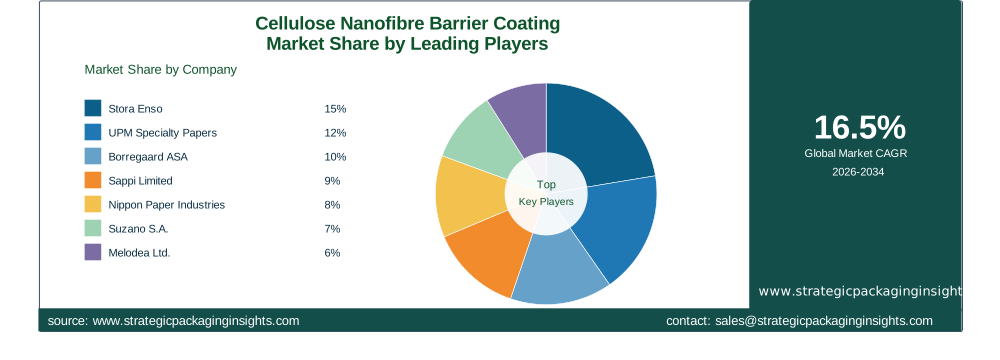
Sappi Limited and Nippon Paper Industries are also significant players in the market, leveraging their expertise in paper and pulp production to develop innovative cellulose nanofibre barrier coatings. These companies are focusing on expanding their product portfolios and strengthening their market presence through strategic partnerships and collaborations. The emphasis on sustainability and reducing carbon footprints is driving these companies to explore new applications and markets for their products, ensuring they remain at the forefront of the industry.
Other notable companies in the market include Suzano S.A., Melodea Ltd., and CelluForce Inc., who are making significant strides in the development of cellulose nanofibre technologies. These companies are focusing on enhancing the properties of their products to meet the diverse needs of various industries, from food and beverage to healthcare and personal care. The competitive landscape is further enriched by the presence of companies like American Process Inc., Holmen AB, and BASF SE, who are contributing to the market's growth through their innovative solutions and commitment to sustainability.
Kemira Oyj, Valmet Oyj, Andritz AG, and FiberLean Technologies are also key players in the market, offering a range of products and services that support the development and application of cellulose nanofibre barrier coatings. These companies are focusing on improving the efficiency and scalability of their production processes, ensuring they can meet the growing demand for sustainable packaging solutions. The competitive landscape is dynamic, with companies continuously innovating and adapting to changing market conditions to maintain their competitive edge.
Key Highlights
- Market Size: USD 284.0 Million in 2025, projected to reach USD 1.13 Billion by 2034.
- Growth Rate: Forecasted CAGR of 16.5% from 2025 to 2034.
- Leading Companies: Stora Enso, UPM Specialty Papers, Borregaard ASA, and Sappi Limited.
- Key Segments: Cellulose Nanofibrils (CNF), Water-Based Barrier Coatings, Paper & Paperboard, Food & Beverage.
- Regional Insights: Asia Pacific and North America are key growth regions.
- Innovation Focus: Advancements in nanotechnology and eco-friendly materials.
- Regulatory Environment: Favorable policies promoting sustainable packaging solutions.
Cellulose Nanofibre Barrier Coating Market Segments Insights

By Product Type Analysis
The Cellulose Nanofibre Barrier Coating market is segmented by product type into Cellulose Nanofibrils (CNF), Cellulose Nanocrystals (CNC), and Hybrid Nanocellulose Coatings. Cellulose Nanofibrils (CNF) are gaining traction due to their superior mechanical properties and biodegradability, making them ideal for sustainable packaging solutions. Companies are investing in research and development to enhance the performance of CNF, focusing on improving its barrier properties and cost-effectiveness. The demand for CNF is driven by the increasing emphasis on reducing plastic waste and the need for eco-friendly alternatives in the packaging industry.
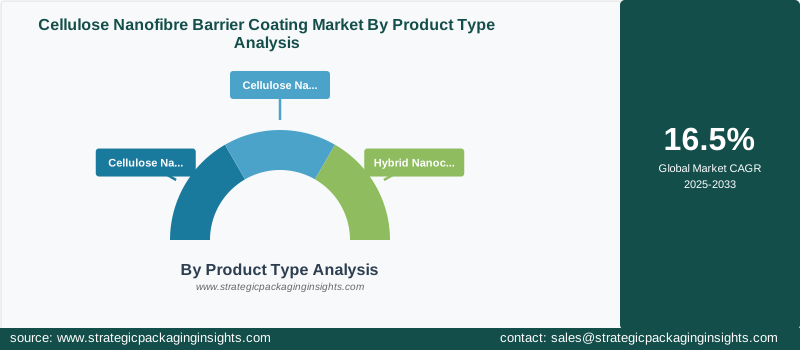
Cellulose Nanocrystals (CNC) are also witnessing significant growth, owing to their high strength and stiffness, which make them suitable for a wide range of applications. The market for CNC is expanding as companies explore new applications in industries such as food and beverage, personal care, and healthcare. Hybrid Nanocellulose Coatings, which combine the properties of CNF and CNC, are emerging as a promising solution for applications that require enhanced barrier properties and durability. The development of hybrid coatings is driven by the need for innovative solutions that meet the diverse requirements of various industries.
By Coating Type Analysis
The market is further segmented by coating type into Water-Based Barrier Coatings, Oxygen Barrier Coatings, Grease Barrier Coatings, and Moisture Barrier Coatings. Water-Based Barrier Coatings are gaining popularity due to their environmental benefits and ease of application. These coatings are designed to provide effective barrier properties while minimizing the environmental impact, making them an attractive option for companies seeking sustainable packaging solutions. The demand for water-based coatings is driven by the increasing regulatory pressure to reduce volatile organic compounds (VOCs) and the growing consumer preference for eco-friendly products.
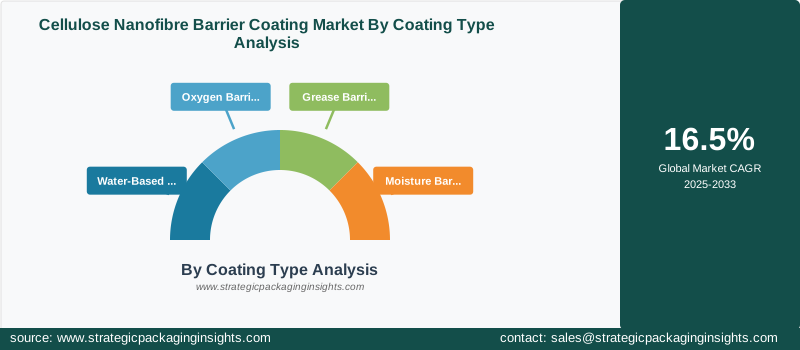
Oxygen Barrier Coatings are essential for applications that require protection against oxygen permeation, such as food and beverage packaging. These coatings help extend the shelf life of products by preventing oxidation and spoilage. Grease Barrier Coatings are used in applications where resistance to oils and fats is critical, such as food packaging. The demand for grease barrier coatings is driven by the growing consumption of packaged foods and the need for effective solutions that prevent grease penetration. Moisture Barrier Coatings are crucial for applications that require protection against moisture ingress, ensuring the integrity and quality of packaged products.
By Substrate Analysis
The Cellulose Nanofibre Barrier Coating market is also segmented by substrate into Paper & Paperboard, Flexible Packaging, Corrugated Packaging, and Molded Fibre Packaging. Paper & Paperboard substrates are widely used due to their recyclability and biodegradability, making them a preferred choice for sustainable packaging solutions. The demand for paper-based substrates is driven by the increasing emphasis on reducing plastic waste and the need for eco-friendly alternatives in the packaging industry. Companies are focusing on enhancing the barrier properties of paper-based substrates to meet the diverse requirements of various applications.
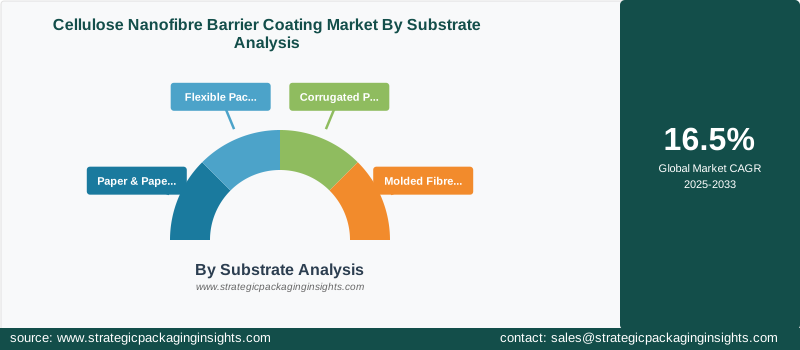
Flexible Packaging is gaining popularity due to its versatility and convenience, making it suitable for a wide range of applications. The demand for flexible packaging is driven by the growing consumer preference for lightweight and portable packaging solutions. Corrugated Packaging is widely used for its strength and durability, making it ideal for applications that require protection during transportation and storage. The demand for corrugated packaging is driven by the increasing e-commerce activities and the need for effective solutions that ensure the safe delivery of products. Molded Fibre Packaging is gaining traction due to its sustainability and biodegradability, making it an attractive option for companies seeking eco-friendly packaging solutions.
By End User Analysis
The market is segmented by end user into Food & Beverage, Personal Care & Cosmetics, Healthcare, Consumer Goods, and Industrial Packaging. The Food & Beverage industry is a major end user of cellulose nanofibre barrier coatings, driven by the need for effective solutions that extend the shelf life of products and ensure food safety. The demand for sustainable packaging solutions in the food and beverage industry is driven by the increasing consumer awareness of environmental issues and the need for eco-friendly alternatives.
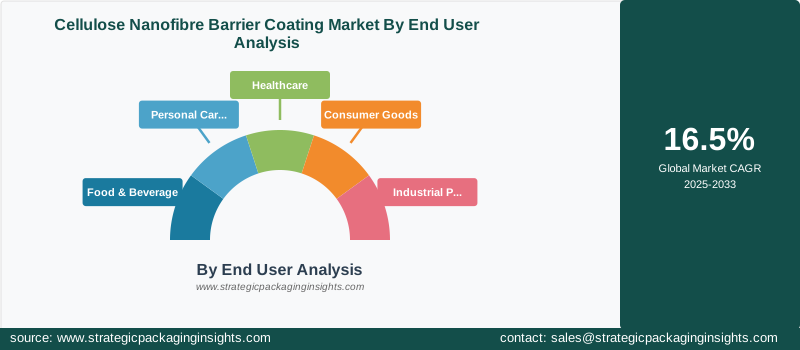
The Personal Care & Cosmetics industry is also a significant end user, driven by the growing demand for sustainable packaging solutions that align with consumer preferences for eco-friendly products. The Healthcare industry is adopting cellulose nanofibre barrier coatings for applications that require high barrier properties and biodegradability, ensuring the safety and integrity of medical products. The Consumer Goods industry is focusing on sustainable packaging solutions to meet the growing consumer demand for environmentally conscious products. The Industrial Packaging sector is adopting cellulose nanofibre barrier coatings for applications that require durability and protection against environmental factors.
Cellulose Nanofibre Barrier Coating Market Segments
The Cellulose Nanofibre Barrier Coating market has been segmented on the basis ofBy Product Type
- Cellulose Nanofibrils (CNF)
- Cellulose Nanocrystals (CNC)
- Hybrid Nanocellulose Coatings
By Coating Type
- Water-Based Barrier Coatings
- Oxygen Barrier Coatings
- Grease Barrier Coatings
- Moisture Barrier Coatings
By Substrate
- Paper & Paperboard
- Flexible Packaging
- Corrugated Packaging
- Molded Fibre Packaging
By End User
- Food & Beverage
- Personal Care & Cosmetics
- Healthcare
- Consumer Goods
- Industrial Packaging
Region
- Asia Pacific
- North America
- Latin America
- Europe
- Middle East & Africa




