


Cellophane Tape Market Outlook
The cellophane tape market was valued at $2.57 billion in 2025 and is projected to reach $3.68 billion by 2034, growing at a CAGR of 4.1% during the forecast period 2026-2034. This growth is driven by the increasing demand for packaging solutions across various industries, including e-commerce, retail, and industrial sectors. The versatility and ease of use of cellophane tape make it a preferred choice for packaging applications, contributing to its widespread adoption. Additionally, the rise in online shopping and the need for secure packaging solutions are further propelling the market growth. The market is also witnessing innovations in adhesive technologies, enhancing the performance and application range of cellophane tapes.
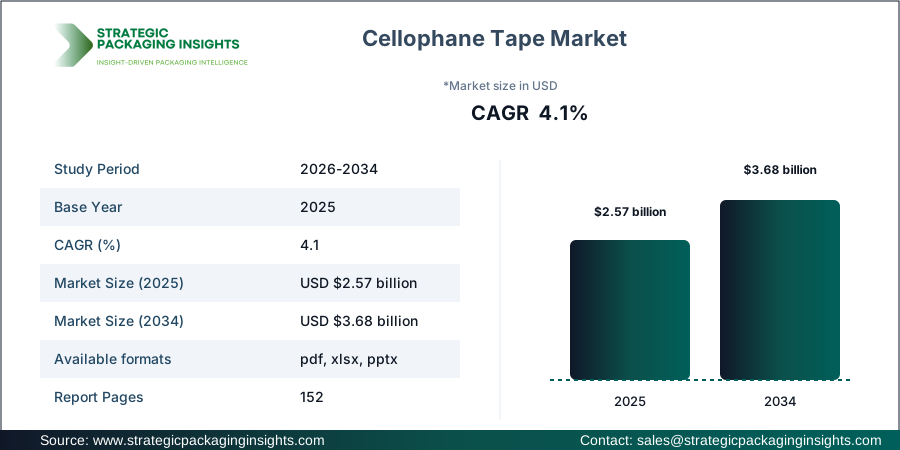
Despite the promising growth prospects, the cellophane tape market faces certain challenges. Environmental concerns related to plastic waste and stringent regulations on packaging materials are significant restraints. However, the market holds potential for growth through the development of eco-friendly and biodegradable tape solutions. Companies are investing in research and development to create sustainable alternatives that align with environmental standards. The increasing focus on reducing carbon footprints and promoting sustainable packaging practices is expected to drive the demand for green cellophane tapes in the coming years.
Report Scope
| Attributes | Details |
| Report Title | Cellophane Tape Market Size, Future Growth and Forecast 2034 |
| Product Type | Transparent Tape, Printed Tape, Double-Sided Tape, Specialty Tape |
| Adhesive Type | Acrylic, Rubber, Hot Melt |
| Application | Carton Sealing, Stationery, Retail Packaging, Light-Duty Packaging |
| End Use | Offices, Households, E-commerce, Industrial Packaging |
| Region | Asia Pacific, North America, Latin America, Europe, Middle East & Africa |
| Base Year | 2025 |
| Historic Period | 2018-2024 |
| Forecast Period | 2026-2034 |
| Number of Pages | 152 |
| Customization Available | Yes* |
Opportunities & Threats
The cellophane tape market presents numerous opportunities, particularly in the realm of sustainable packaging solutions. As environmental awareness grows, there is a significant push towards developing biodegradable and eco-friendly tapes. This shift is driven by both consumer demand and regulatory pressures to reduce plastic waste. Companies that can innovate and offer sustainable alternatives are likely to gain a competitive edge. Additionally, the expansion of e-commerce and the need for efficient packaging solutions provide a fertile ground for market growth. The increasing trend of online shopping necessitates secure and reliable packaging, creating a steady demand for cellophane tapes.
Another opportunity lies in the customization and personalization of cellophane tapes. With businesses seeking to enhance brand visibility and customer engagement, there is a growing demand for printed and specialty tapes. These tapes not only serve functional purposes but also act as marketing tools, allowing companies to reinforce their brand identity. The ability to offer customized solutions tailored to specific customer needs can open new revenue streams for manufacturers. Furthermore, advancements in adhesive technologies are enabling the development of high-performance tapes suitable for diverse applications, further expanding the market potential.
However, the market is not without its threats. The increasing competition from alternative packaging solutions, such as biodegradable films and wraps, poses a challenge to the growth of cellophane tapes. These alternatives are gaining traction due to their environmental benefits and versatility. Additionally, fluctuations in raw material prices can impact production costs and profit margins for manufacturers. Companies need to navigate these challenges by focusing on innovation, cost optimization, and strategic partnerships to maintain their market position.
Drivers & Challenges
The cellophane tape market is primarily driven by the booming e-commerce industry, which demands efficient and reliable packaging solutions. The rise in online shopping has led to an increased need for secure packaging to ensure the safe delivery of products. Cellophane tapes, with their strong adhesive properties and versatility, are ideal for sealing packages, making them indispensable in the e-commerce sector. Additionally, the growing retail industry, particularly in emerging economies, is contributing to the demand for cellophane tapes. Retailers require effective packaging solutions to protect goods and enhance their shelf appeal, further driving market growth.
Another significant driver is the increasing focus on sustainability and eco-friendly packaging solutions. Consumers and businesses alike are becoming more environmentally conscious, leading to a demand for sustainable packaging materials. This trend is encouraging manufacturers to develop biodegradable and recyclable cellophane tapes. The shift towards green packaging solutions is not only driven by consumer preferences but also by regulatory mandates aimed at reducing plastic waste. Companies that can offer sustainable alternatives are likely to benefit from this growing trend, positioning themselves as leaders in the market.
Despite these drivers, the cellophane tape market faces challenges such as stringent environmental regulations and competition from alternative packaging solutions. Regulatory bodies are imposing strict guidelines on packaging materials to curb plastic pollution, which can impact the production and use of traditional cellophane tapes. Manufacturers need to adapt to these regulations by investing in sustainable product development. Additionally, the market is witnessing competition from alternative solutions like biodegradable films and wraps, which offer similar benefits with added environmental advantages. Companies must innovate and differentiate their products to stay competitive in this evolving landscape.
Market Share Analysis
The cellophane tape market is characterized by a competitive landscape with several key players vying for market share. Companies such as 3M, Tesa, Nitto Denko, Intertape Polymer Group, and Shurtape Technologies are prominent players in this market. These companies have established themselves through extensive product portfolios, strong distribution networks, and a focus on innovation. The competitive landscape is marked by strategic collaborations, mergers, and acquisitions aimed at expanding market presence and enhancing product offerings. Additionally, companies are investing in research and development to introduce advanced adhesive technologies and sustainable solutions.
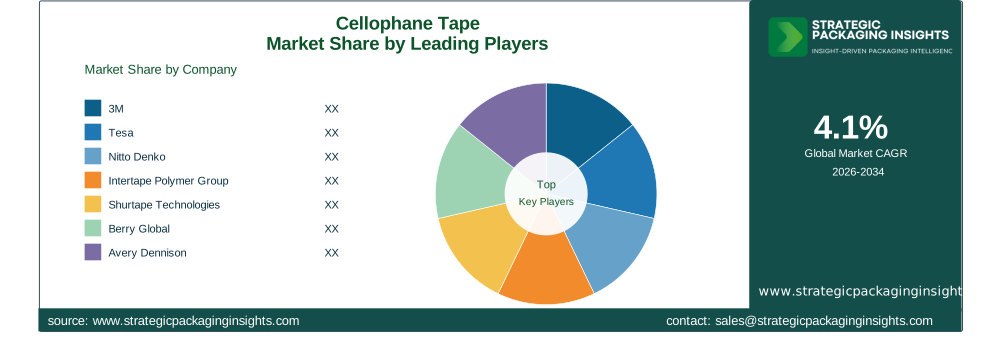
3M is a leading player in the cellophane tape market, known for its innovative products and strong brand reputation. The company's focus on research and development has enabled it to introduce high-performance tapes that cater to diverse applications. Tesa, another major player, is recognized for its extensive range of adhesive solutions and commitment to sustainability. The company has been actively developing eco-friendly tapes to meet the growing demand for sustainable packaging solutions. Nitto Denko, with its advanced adhesive technologies, is a key player in the market, offering a wide range of tapes for industrial and consumer applications.
Intertape Polymer Group is a significant player in the cellophane tape market, known for its comprehensive product portfolio and focus on innovation. The company has been expanding its market presence through strategic acquisitions and partnerships. Shurtape Technologies, with its strong distribution network and emphasis on quality, is another prominent player in the market. The company offers a wide range of tapes for various applications, catering to the needs of both industrial and consumer segments. Berry Global, Avery Dennison, Scapa, Lohmann, and Nichiban are also key players contributing to the competitive dynamics of the market.
Key Highlights
- The cellophane tape market is projected to grow at a CAGR of 4.1% from 2026 to 2034.
- Increasing demand for sustainable and eco-friendly packaging solutions is driving market growth.
- The rise of e-commerce is significantly boosting the demand for cellophane tapes.
- Customization and personalization of tapes are emerging trends in the market.
- Advancements in adhesive technologies are enhancing tape performance and application range.
- Stringent environmental regulations are pushing manufacturers towards sustainable product development.
- Key players are focusing on strategic collaborations and acquisitions to expand market presence.
- Asia Pacific is expected to witness significant growth due to the booming retail and e-commerce sectors.
- Competition from alternative packaging solutions poses a challenge to market growth.
- Companies are investing in research and development to introduce innovative and high-performance tapes.
Top Countries Insights
In the cellophane tape market, the United States stands out as a key player with a market size of approximately $800 million and a CAGR of 3%. The country's robust e-commerce sector and the demand for efficient packaging solutions drive market growth. Additionally, the focus on sustainable packaging practices is encouraging the adoption of eco-friendly tapes. The presence of major players like 3M further strengthens the market position in the United States.
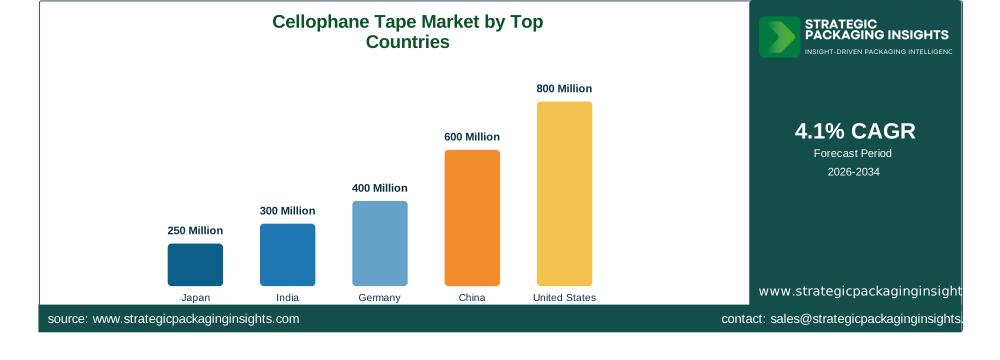
China is another significant market for cellophane tapes, with a market size of around $600 million and a CAGR of 5%. The country's booming e-commerce industry and rapid industrialization are key growth drivers. The demand for secure and reliable packaging solutions is high, and the government's initiatives to promote sustainable packaging are further boosting the market. China's large manufacturing base and export activities also contribute to the demand for cellophane tapes.
Germany, with a market size of approximately $400 million and a CAGR of 4%, is a prominent player in the European cellophane tape market. The country's strong industrial sector and emphasis on quality packaging solutions drive market growth. Additionally, Germany's commitment to sustainability and environmental regulations is pushing manufacturers to develop eco-friendly tapes. The presence of key players like Tesa enhances the market's competitive landscape.
India is emerging as a lucrative market for cellophane tapes, with a market size of about $300 million and a CAGR of 6%. The country's growing retail and e-commerce sectors are major growth drivers. The increasing demand for packaging solutions in the food and beverage industry also contributes to market expansion. India's focus on sustainable development and government initiatives to promote eco-friendly packaging are expected to drive the demand for biodegradable tapes.
Japan, with a market size of approximately $250 million and a CAGR of 3%, is a key player in the Asia Pacific region. The country's advanced manufacturing sector and emphasis on high-quality packaging solutions drive market growth. Japan's focus on innovation and technological advancements in adhesive solutions further enhances the market potential. The presence of major players like Nitto Denko strengthens the market's competitive position.
Cellophane Tape Market Segments Insights

Product Type Analysis
The cellophane tape market is segmented by product type into transparent tape, printed tape, double-sided tape, and specialty tape. Transparent tape holds a significant share due to its widespread use in various applications, including packaging and stationery. Its versatility and ease of use make it a preferred choice for both consumers and businesses. Printed tape is gaining traction as companies seek to enhance brand visibility and customer engagement through customized packaging solutions. The demand for double-sided tape is driven by its strong adhesive properties and suitability for industrial applications. Specialty tapes, designed for specific purposes, are witnessing growth due to their unique features and applications.
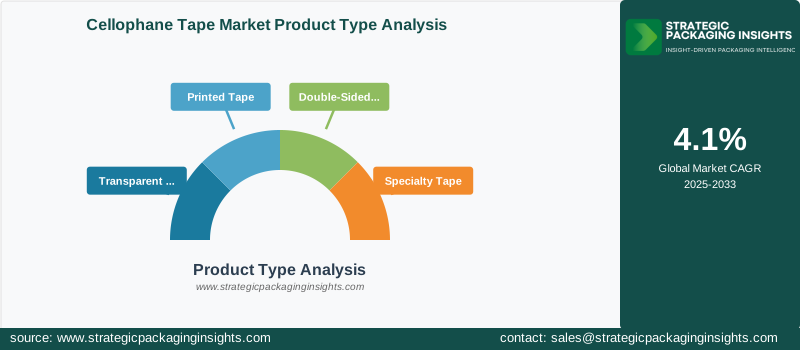
Transparent tape remains the most popular product type, widely used in offices, households, and industrial settings. Its clear appearance and strong adhesive properties make it ideal for sealing packages and securing documents. Printed tape is increasingly used in retail packaging to enhance brand recognition and provide a personalized touch to products. Double-sided tape is favored in construction and automotive industries for its ability to bond surfaces without visible fasteners. Specialty tapes, such as heat-resistant or waterproof variants, cater to niche markets with specific requirements, offering manufacturers opportunities to diversify their product offerings.
Adhesive Type Analysis
The adhesive type segment includes acrylic, rubber, and hot melt adhesives. Acrylic adhesives are widely used due to their excellent bonding properties and resistance to environmental factors. They are preferred for applications requiring long-term durability and clarity. Rubber adhesives offer strong initial tack and are suitable for applications requiring quick bonding. Hot melt adhesives are favored for their fast-setting properties and versatility in various applications. The choice of adhesive type depends on the specific requirements of the application, such as temperature resistance, bonding strength, and environmental conditions.

Acrylic adhesives dominate the market due to their superior performance and versatility. They are commonly used in transparent and printed tapes for packaging and stationery applications. Rubber adhesives are popular in industrial settings where quick bonding and strong adhesion are required. Hot melt adhesives are gaining popularity in e-commerce and retail packaging due to their fast-setting properties and ability to bond a wide range of materials. Manufacturers are focusing on developing advanced adhesive technologies to enhance the performance and application range of cellophane tapes.
Application Analysis
The application segment of the cellophane tape market includes carton sealing, stationery, retail packaging, and light-duty packaging. Carton sealing is the largest application segment, driven by the demand for secure and reliable packaging solutions in e-commerce and retail sectors. Stationery applications are also significant, with cellophane tapes being widely used in offices and educational institutions. Retail packaging is witnessing growth as businesses seek to enhance product presentation and brand visibility. Light-duty packaging applications are driven by the need for cost-effective and efficient packaging solutions for everyday use.

Carton sealing remains the dominant application, with cellophane tapes being essential for securing packages in the logistics and transportation sectors. The rise of e-commerce has further boosted the demand for carton sealing tapes, as businesses require reliable solutions to ensure the safe delivery of products. Stationery applications continue to be significant, with tapes being used for various purposes, including document binding and labeling. Retail packaging is evolving with the trend of customization and personalization, driving the demand for printed and specialty tapes. Light-duty packaging applications cater to household and small business needs, offering cost-effective solutions for everyday packaging tasks.
End Use Analysis
The end-use segment includes offices, households, e-commerce, and industrial packaging. Offices and households are significant end-users of cellophane tapes, with applications ranging from stationery to light-duty packaging. The e-commerce sector is a major growth driver, with the demand for secure and efficient packaging solutions increasing as online shopping becomes more prevalent. Industrial packaging applications are also significant, with cellophane tapes being used for sealing and securing products in various industries, including manufacturing and logistics.
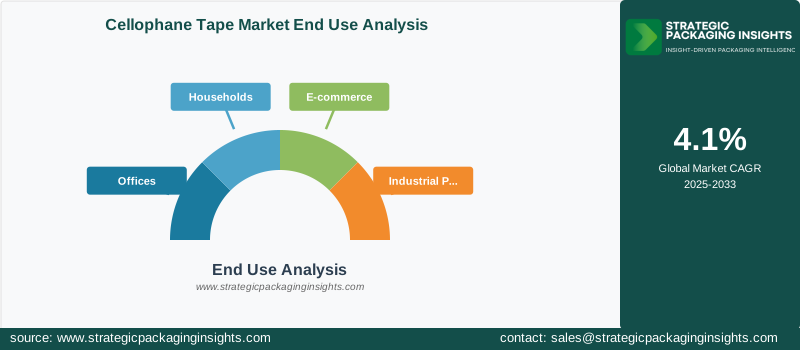
Offices and households continue to be major consumers of cellophane tapes, with applications in stationery, document binding, and light-duty packaging. The e-commerce sector is experiencing rapid growth, driving the demand for carton sealing tapes to ensure the safe delivery of products. Industrial packaging applications are significant, with tapes being used for securing products during transportation and storage. The demand for high-performance tapes in industrial settings is driving manufacturers to develop advanced adhesive technologies and specialty tapes to meet specific requirements. The focus on sustainability and eco-friendly packaging solutions is also influencing the end-use segment, with businesses seeking to reduce their environmental impact through the use of biodegradable tapes.
Cellophane Tape Market Segments
The Cellophane Tape market has been segmented on the basis ofProduct Type
- Transparent Tape
- Printed Tape
- Double-Sided Tape
- Specialty Tape
Adhesive Type
- Acrylic
- Rubber
- Hot Melt
Application
- Carton Sealing
- Stationery
- Retail Packaging
- Light-Duty Packaging
End Use
- Offices
- Households
- E-commerce
- Industrial Packaging
Region
- Asia Pacific
- North America
- Latin America
- Europe
- Middle East & Africa




