


Carrageenan Film Market Outlook
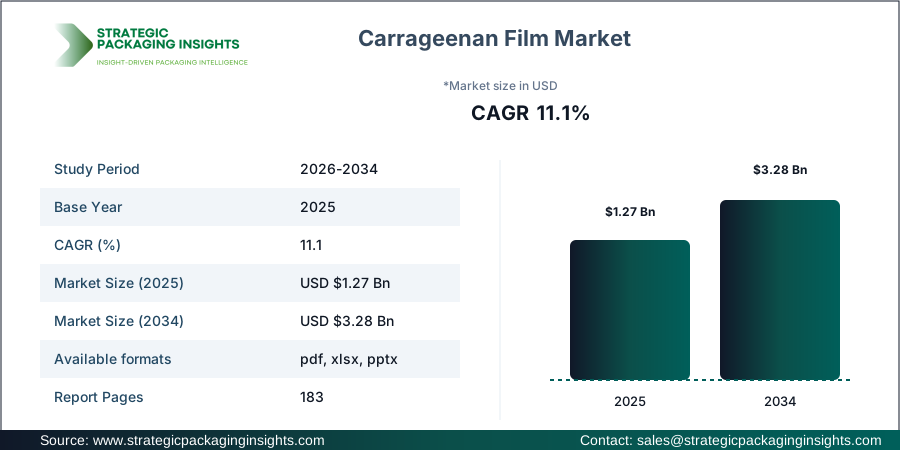
The Carrageenan Film market size was valued at USD 1.27 billion in 2025 and is anticipated to reach USD 3.28 billion by 2034, growing at a CAGR of 11.1% during the forecast period according to Strategic Packaging Insights. The market is witnessing significant growth due to the increasing demand for sustainable and biodegradable packaging solutions. Companies like CP Kelco and Cargill are at the forefront, driving innovation in carrageenan film applications, particularly in food packaging and personal care sectors. The rising consumer awareness regarding eco-friendly packaging and the shift towards reducing plastic waste are key factors propelling the market forward.
One of the most impactful drivers of the Carrageenan Film market is the growing regulatory support for sustainable packaging solutions. Governments worldwide are implementing stringent regulations to reduce plastic waste, which is encouraging the adoption of biodegradable films like carrageenan. For instance, the European Union's directive on single-use plastics is pushing manufacturers to explore alternative materials, thereby boosting the demand for carrageenan films. Companies such as DuPont and Gelymar are leveraging these regulatory changes to expand their product offerings and capture a larger market share. This regulatory backing, coupled with increasing consumer preference for sustainable products, is expected to drive substantial growth in the carrageenan film market.
Report Scope
| Attributes | Details |
| Report Title | Carrageenan Film Market Size, Future Growth and Forecast 2034 |
| Product Type | Edible Carrageenan Film, Biodegradable Carrageenan Film, Composite Carrageenan Film |
| Application | Food Packaging, Edible Coatings, Pharmaceutical Films, Personal Care Packaging |
| End Use | Food & Beverage, Healthcare, Cosmetics, Sustainable Packaging Brands |
| Formulation Type | Pure Carrageenan, Blended Biopolymer, Reinforced Film |
| Region | Asia Pacific, North America, Latin America, Europe, Middle East & Africa |
| Base Year | 2025 |
| Historic Period | 2018-2024 |
| Forecast Period | 2026-2034 |
| Number of Pages | 183 |
| Customization Available | Yes* |
Sustainability & Circular Economy Analysis
Sustainability initiatives are significantly shaping the packaging market, with a strong emphasis on recyclable materials and eco-friendly innovations. Carrageenan films, being biodegradable, align perfectly with these trends, offering a sustainable alternative to traditional plastic films. Companies like Shemberg and W Hydrocolloids are investing in research and development to enhance the properties of carrageenan films, making them more durable and versatile for various applications. The focus on reducing carbon footprints and adhering to ESG initiatives is driving manufacturers to adopt carrageenan films, which are derived from natural sources and have minimal environmental impact.
The circular economy model is gaining traction, influencing packaging design and manufacturing processes. Carrageenan films are at the forefront of this shift, as they can be integrated into closed-loop systems, reducing waste and promoting resource efficiency. This trend is encouraging companies to invest in technologies that enhance the recyclability and reusability of packaging materials. As a result, brand owners and converters are increasingly opting for carrageenan films to meet consumer sustainability preferences and comply with packaging regulations. The emphasis on extended producer responsibility (EPR) is further driving the adoption of carrageenan films, as companies seek to minimize their environmental impact and enhance their market competitiveness.
Investment decisions in the packaging industry are increasingly influenced by sustainability trends, with a growing focus on lightweight packaging and waste reduction strategies. Carrageenan films offer a viable solution, as they are lightweight and can be easily integrated into existing supply chains. This has led to increased interest from investors and policymakers, who recognize the potential of carrageenan films to transform the packaging landscape. The long-term competitiveness of the market is closely tied to the ability of manufacturers to innovate and adapt to changing consumer demands, making sustainability a key driver of growth in the carrageenan film market.
Packaging Value Chain & Supply Chain Analysis
The packaging value chain for carrageenan films involves multiple stakeholders, from raw material sourcing to distribution and recycling. Raw materials, primarily seaweed, are sourced from regions with abundant marine resources, ensuring a steady supply for manufacturers like KIMICA Corporation and FMC Corporation. These companies play a crucial role in converting raw materials into high-quality carrageenan films, which are then supplied to packaging converters and brand owners. The efficiency of this supply chain is critical to maintaining competitive pricing and meeting the growing demand for sustainable packaging solutions.
Logistics and distribution channels are vital components of the carrageenan film supply chain, ensuring timely delivery to retailers and end-users. Companies are increasingly focusing on optimizing their transportation and inventory management strategies to enhance supply chain resilience. Strategic partnerships with logistics providers and investment in advanced packaging machinery are helping manufacturers streamline their operations and reduce costs. This focus on supply chain efficiency is essential for maintaining market competitiveness and meeting the evolving needs of consumers and businesses alike.
Recycling networks and procurement strategies are integral to the carrageenan film value chain, supporting the industry's shift towards a circular economy. Manufacturers are collaborating with recycling companies to develop systems for collecting and processing used films, ensuring that they can be reintegrated into the production cycle. This approach not only reduces waste but also enhances the sustainability credentials of carrageenan films. As global sourcing becomes more prevalent, companies are also exploring localization strategies to mitigate risks associated with supply chain disruptions and ensure a consistent supply of raw materials.
Opportunities & Threats
The Carrageenan Film market presents numerous opportunities for growth, driven by the increasing demand for sustainable packaging solutions. The food and beverage industry, in particular, offers significant potential for carrageenan films, as companies seek to replace traditional plastic packaging with biodegradable alternatives. The growing popularity of edible coatings and pharmaceutical films is also creating new avenues for market expansion. Companies like Ingredion and Marcel Trading Corporation are well-positioned to capitalize on these opportunities by developing innovative products that meet the evolving needs of consumers and businesses.
Another promising opportunity lies in the personal care packaging sector, where carrageenan films are gaining traction as a sustainable alternative to conventional materials. The cosmetics industry is increasingly adopting eco-friendly packaging solutions to align with consumer preferences and regulatory requirements. This trend is expected to drive demand for carrageenan films, as they offer a unique combination of biodegradability and functionality. Companies that can effectively leverage these opportunities by investing in research and development and expanding their product portfolios are likely to gain a competitive edge in the market.
Despite the numerous opportunities, the Carrageenan Film market faces several threats that could hinder its growth. One of the primary challenges is the high cost of production, which can limit the adoption of carrageenan films, particularly in price-sensitive markets. Additionally, the availability of raw materials, such as seaweed, can be affected by environmental factors and geopolitical issues, posing a risk to the supply chain. Companies must navigate these challenges by optimizing their production processes and exploring alternative sourcing strategies to ensure a consistent supply of raw materials and maintain competitive pricing.
Drivers & Challenges
The Carrageenan Film market is driven by several key factors, including the increasing demand for sustainable packaging solutions and the growing regulatory support for biodegradable materials. The shift towards reducing plastic waste and promoting eco-friendly alternatives is encouraging manufacturers to invest in carrageenan films, which offer a viable solution to these challenges. Companies like CP Kelco and Cargill are leading the way by developing innovative products that meet the evolving needs of consumers and businesses. The emphasis on reducing carbon footprints and adhering to ESG initiatives is further driving the adoption of carrageenan films, as they are derived from natural sources and have minimal environmental impact.
Another significant driver of the Carrageenan Film market is the growing consumer awareness regarding the environmental impact of packaging materials. As consumers become more conscious of their purchasing decisions, they are increasingly opting for products that align with their sustainability values. This trend is encouraging companies to adopt carrageenan films, which are biodegradable and offer a sustainable alternative to traditional plastic films. The focus on reducing waste and promoting resource efficiency is also driving demand for carrageenan films, as they can be integrated into closed-loop systems and support the circular economy model.
Despite the positive drivers, the Carrageenan Film market faces several challenges that could impact its growth. One of the primary challenges is the high cost of production, which can limit the adoption of carrageenan films, particularly in price-sensitive markets. Additionally, the availability of raw materials, such as seaweed, can be affected by environmental factors and geopolitical issues, posing a risk to the supply chain. Companies must navigate these challenges by optimizing their production processes and exploring alternative sourcing strategies to ensure a consistent supply of raw materials and maintain competitive pricing.
Market Share Analysis
The competitive landscape of the Carrageenan Film market is characterized by the presence of several key players, each striving to capture a significant share of the market. Companies like CP Kelco, Cargill, and DuPont are leading the market with their extensive product portfolios and strong focus on innovation. These companies are investing heavily in research and development to enhance the properties of carrageenan films and expand their applications across various industries. The emphasis on sustainability and eco-friendly packaging solutions is driving these companies to develop new products that meet the evolving needs of consumers and businesses.
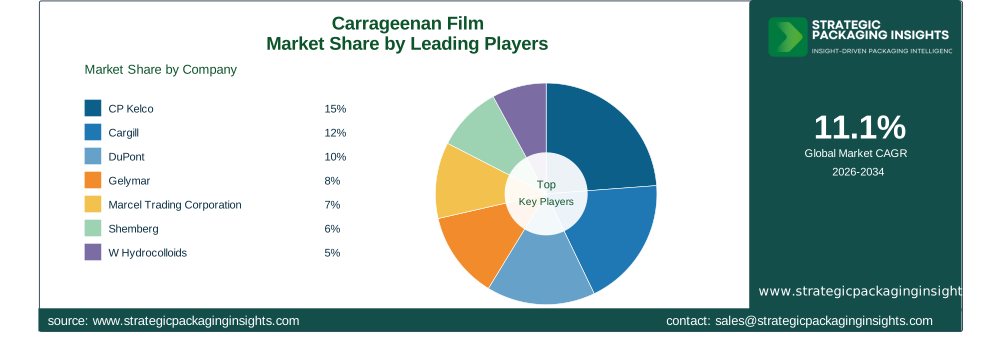
Gelymar and Marcel Trading Corporation are also prominent players in the Carrageenan Film market, leveraging their expertise in seaweed processing and film production to capture a significant share of the market. These companies are focusing on expanding their production capacities and strengthening their distribution networks to meet the growing demand for carrageenan films. The strategic partnerships and collaborations with other industry players are helping these companies enhance their market presence and gain a competitive edge.
Shemberg and W Hydrocolloids are key players in the Carrageenan Film market, known for their high-quality products and strong focus on sustainability. These companies are investing in advanced technologies and production processes to enhance the properties of carrageenan films and expand their applications across various industries. The emphasis on reducing carbon footprints and adhering to ESG initiatives is driving these companies to develop innovative products that meet the evolving needs of consumers and businesses.
KIMICA Corporation and FMC Corporation are also significant players in the Carrageenan Film market, known for their extensive product portfolios and strong focus on innovation. These companies are investing heavily in research and development to enhance the properties of carrageenan films and expand their applications across various industries. The emphasis on sustainability and eco-friendly packaging solutions is driving these companies to develop new products that meet the evolving needs of consumers and businesses.
Key Highlights
- The Carrageenan Film market size was valued at USD 1.27 billion in 2025.
- It is anticipated to reach USD 3.28 billion by 2034, growing at a CAGR of 11.1%.
- Key players include CP Kelco, Cargill, DuPont, and Gelymar.
- Significant growth in the food packaging and personal care sectors.
- Increasing demand for biodegradable and sustainable packaging solutions.
- Asia Pacific is expected to be the fastest-growing region.
- Regulatory support for eco-friendly packaging is driving market growth.
Carrageenan Film Market Segments Insights

Product Type Analysis
The Carrageenan Film market is segmented by product type into Edible Carrageenan Film, Biodegradable Carrageenan Film, and Composite Carrageenan Film. Edible carrageenan films are gaining popularity in the food industry due to their ability to enhance food safety and extend shelf life. These films are used as edible coatings for fruits, vegetables, and other perishable items, providing a protective barrier against moisture and microbial contamination. Biodegradable carrageenan films are increasingly being adopted in the packaging industry as a sustainable alternative to traditional plastic films. These films are derived from natural sources and decompose easily, reducing environmental impact and aligning with consumer preferences for eco-friendly packaging solutions.
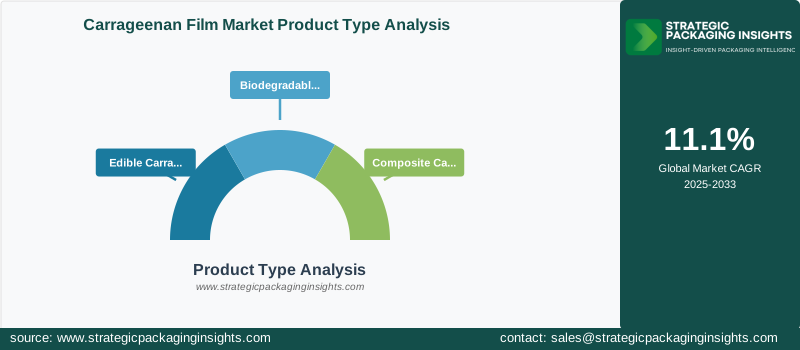
Composite carrageenan films, which combine carrageenan with other biopolymers, offer enhanced mechanical properties and are used in a variety of applications, including food packaging and personal care products. The demand for composite films is driven by their versatility and ability to meet the specific requirements of different industries. Companies like CP Kelco and Cargill are investing in research and development to enhance the properties of composite carrageenan films and expand their applications across various sectors. The focus on sustainability and innovation is driving the growth of the carrageenan film market, with manufacturers exploring new formulations and production techniques to meet the evolving needs of consumers and businesses.
Application Analysis
The Carrageenan Film market is segmented by application into Food Packaging, Edible Coatings, Pharmaceutical Films, and Personal Care Packaging. Food packaging is the largest application segment, driven by the increasing demand for sustainable and biodegradable packaging solutions. Carrageenan films are used as a protective barrier for food products, enhancing their shelf life and reducing spoilage. The growing popularity of edible coatings is also contributing to the growth of this segment, as consumers seek natural and safe alternatives to synthetic coatings.
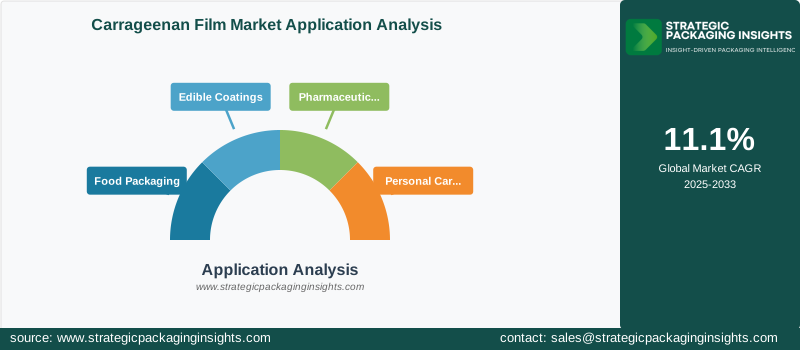
Pharmaceutical films are another significant application of carrageenan films, offering a sustainable alternative to traditional pharmaceutical packaging materials. These films are used in the production of capsules, tablets, and other dosage forms, providing a protective barrier against moisture and oxygen. The personal care packaging segment is also experiencing growth, driven by the increasing demand for eco-friendly packaging solutions in the cosmetics industry. Carrageenan films offer a unique combination of biodegradability and functionality, making them an attractive option for personal care brands seeking to align with consumer preferences and regulatory requirements.
End Use Analysis
The Carrageenan Film market is segmented by end use into Food & Beverage, Healthcare, Cosmetics, and Sustainable Packaging Brands. The food and beverage industry is the largest end-use segment, driven by the increasing demand for sustainable packaging solutions. Carrageenan films are used as a protective barrier for food products, enhancing their shelf life and reducing spoilage. The healthcare industry is also a significant end-use segment, with carrageenan films being used in the production of pharmaceutical films and medical devices.
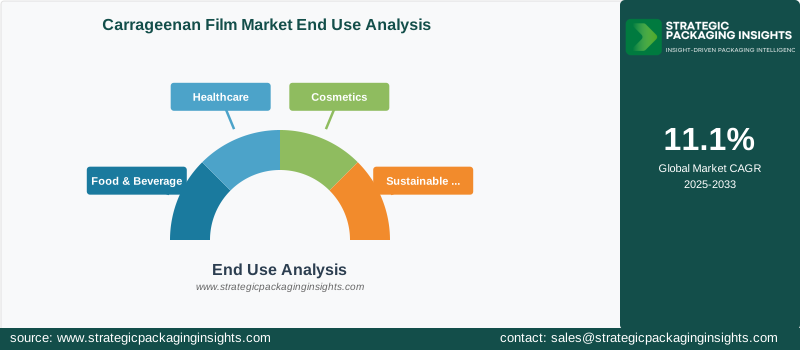
The cosmetics industry is experiencing growth, driven by the increasing demand for eco-friendly packaging solutions. Carrageenan films offer a unique combination of biodegradability and functionality, making them an attractive option for personal care brands seeking to align with consumer preferences and regulatory requirements. Sustainable packaging brands are also adopting carrageenan films as part of their commitment to reducing environmental impact and promoting resource efficiency. The emphasis on sustainability and innovation is driving the growth of the carrageenan film market, with manufacturers exploring new formulations and production techniques to meet the evolving needs of consumers and businesses.
Formulation Type Analysis
The Carrageenan Film market is segmented by formulation type into Pure Carrageenan, Blended Biopolymer, and Reinforced Film. Pure carrageenan films are derived from natural sources and offer excellent biodegradability, making them an attractive option for sustainable packaging solutions. These films are used in a variety of applications, including food packaging, edible coatings, and pharmaceutical films. The demand for pure carrageenan films is driven by their ability to meet the specific requirements of different industries and align with consumer preferences for eco-friendly packaging solutions.
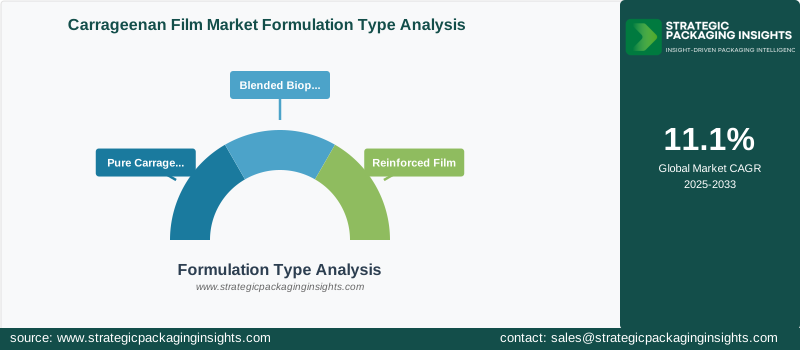
Blended biopolymer films, which combine carrageenan with other biopolymers, offer enhanced mechanical properties and are used in a variety of applications, including food packaging and personal care products. The demand for blended biopolymer films is driven by their versatility and ability to meet the specific requirements of different industries. Reinforced films, which incorporate additional materials to enhance their strength and durability, are used in applications where high-performance packaging solutions are required. The focus on sustainability and innovation is driving the growth of the carrageenan film market, with manufacturers exploring new formulations and production techniques to meet the evolving needs of consumers and businesses.
Carrageenan Film Market Segments
The Carrageenan Film market has been segmented on the basis ofProduct Type
- Edible Carrageenan Film
- Biodegradable Carrageenan Film
- Composite Carrageenan Film
Application
- Food Packaging
- Edible Coatings
- Pharmaceutical Films
- Personal Care Packaging
End Use
- Food & Beverage
- Healthcare
- Cosmetics
- Sustainable Packaging Brands
Formulation Type
- Pure Carrageenan
- Blended Biopolymer
- Reinforced Film
Region
- Asia Pacific
- North America
- Latin America
- Europe
- Middle East & Africa




