


Burger Boxes Market Outlook
The Burger Boxes market was valued at $4.39 billion in 2025 and is projected to reach $7.47 billion by 2034, growing at a CAGR of 6.1% during the forecast period 2026-2034. This growth is driven by the increasing demand for sustainable and eco-friendly packaging solutions, as consumers and businesses alike become more environmentally conscious. The rise in quick-service restaurants (QSRs) and the fast-food industry globally has also significantly contributed to the demand for burger boxes. As urbanization continues to rise, the convenience of take-out and delivery services further fuels the market's expansion. Additionally, innovations in packaging materials and designs are enhancing the functionality and appeal of burger boxes, making them more attractive to both consumers and foodservice providers.
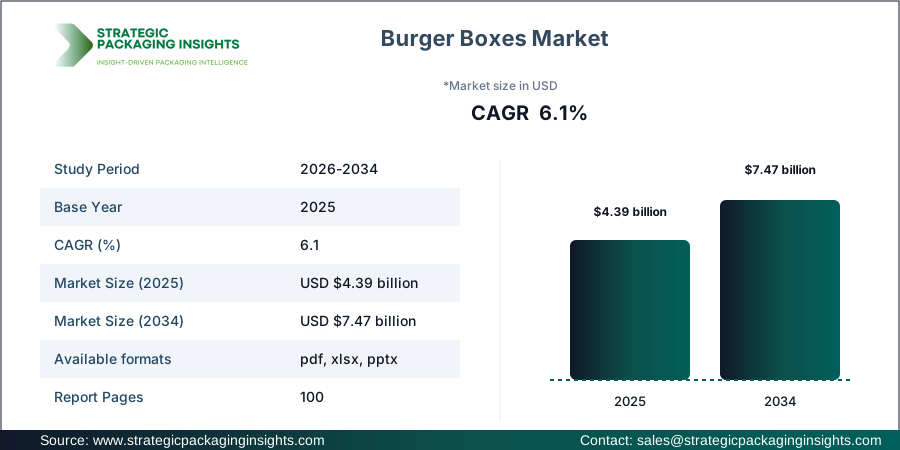
However, the market faces challenges such as stringent regulations regarding packaging waste and recycling. Governments worldwide are implementing policies to reduce plastic waste, which impacts the production and use of plastic burger boxes. Despite these challenges, the market holds significant growth potential due to the increasing adoption of biodegradable and compostable materials. Companies are investing in research and development to create innovative packaging solutions that meet regulatory standards while satisfying consumer preferences for sustainability. The shift towards digitalization and e-commerce in the foodservice industry also presents opportunities for market players to expand their reach and enhance customer engagement through personalized and branded packaging solutions.
Report Scope
| Attributes | Details |
| Report Title | Burger Boxes Market Size, Future Growth and Forecast 2034 |
| Material Type | Paperboard, Kraft Paper, Bagasse, Plastic |
| Product Type | Clamshell Boxes, Window Boxes, Compartment Boxes |
| Application | Burgers, Sandwiches, Fast Food Meals |
| End Use | QSRs, Restaurants, Foodservice, Retail |
| Region | Asia Pacific, North America, Latin America, Europe, Middle East & Africa |
| Base Year | 2025 |
| Historic Period | 2018-2024 |
| Forecast Period | 2026-2034 |
| Number of Pages | 100 |
| Customization Available | Yes* |
Opportunities & Threats
The Burger Boxes market presents numerous opportunities, particularly in the realm of sustainable packaging. As environmental concerns continue to rise, there is a growing demand for eco-friendly packaging solutions. This trend is driving innovation in the development of biodegradable and compostable materials, which are increasingly being used in the production of burger boxes. Companies that can offer sustainable packaging solutions are likely to gain a competitive edge in the market. Additionally, the rise of online food delivery services and the increasing popularity of take-out meals present significant opportunities for growth, as these services rely heavily on packaging solutions like burger boxes.
Another opportunity lies in the customization and branding of burger boxes. As competition in the foodservice industry intensifies, businesses are looking for ways to differentiate themselves and enhance their brand image. Customized packaging solutions that reflect a brand's identity and values can help businesses stand out and attract more customers. This trend is particularly prevalent among fast-food chains and QSRs, which are increasingly investing in branded packaging to enhance customer experience and loyalty. Furthermore, advancements in digital printing technology are making it easier and more cost-effective for companies to offer customized packaging solutions.
Despite these opportunities, the Burger Boxes market also faces several threats. One of the primary challenges is the increasing regulatory pressure to reduce packaging waste and promote recycling. Governments around the world are implementing stricter regulations on packaging materials, particularly plastics, which could impact the production and use of plastic burger boxes. Additionally, fluctuations in raw material prices can affect the cost of production and, consequently, the pricing of burger boxes. Companies need to navigate these challenges by investing in sustainable materials and technologies that comply with regulatory standards while maintaining cost-effectiveness.
Drivers & Challenges
The Burger Boxes market is driven by several key factors, including the growing demand for convenient and sustainable packaging solutions. The rise of the fast-food industry and the increasing popularity of take-out and delivery services have significantly contributed to the demand for burger boxes. As consumers continue to seek convenience and quick service, the need for efficient and reliable packaging solutions is expected to grow. Additionally, the increasing awareness of environmental issues and the demand for sustainable packaging solutions are driving innovation in the market. Companies are investing in the development of biodegradable and compostable materials to meet consumer preferences and regulatory requirements.
Another significant driver of the Burger Boxes market is the rise of digitalization and e-commerce in the foodservice industry. As more consumers turn to online platforms for food delivery, the demand for packaging solutions like burger boxes is expected to increase. This trend is particularly prevalent in urban areas, where the convenience of online food delivery services is highly valued. Furthermore, advancements in packaging technology are enhancing the functionality and appeal of burger boxes, making them more attractive to both consumers and foodservice providers. Companies that can offer innovative and sustainable packaging solutions are likely to gain a competitive edge in the market.
Despite these drivers, the Burger Boxes market faces several challenges. One of the primary challenges is the increasing regulatory pressure to reduce packaging waste and promote recycling. Governments around the world are implementing stricter regulations on packaging materials, particularly plastics, which could impact the production and use of plastic burger boxes. Additionally, fluctuations in raw material prices can affect the cost of production and, consequently, the pricing of burger boxes. Companies need to navigate these challenges by investing in sustainable materials and technologies that comply with regulatory standards while maintaining cost-effectiveness.
Market Share Analysis
The competitive landscape of the Burger Boxes market is characterized by the presence of several key players who are actively engaged in product innovation and strategic partnerships to enhance their market position. Companies such as Huhtamaki, Graphic Packaging, and Pactiv Evergreen are leading the market with their extensive product portfolios and strong distribution networks. These companies are focusing on developing sustainable packaging solutions to meet the growing demand for eco-friendly products. Additionally, they are investing in research and development to create innovative packaging designs that enhance the functionality and appeal of burger boxes.
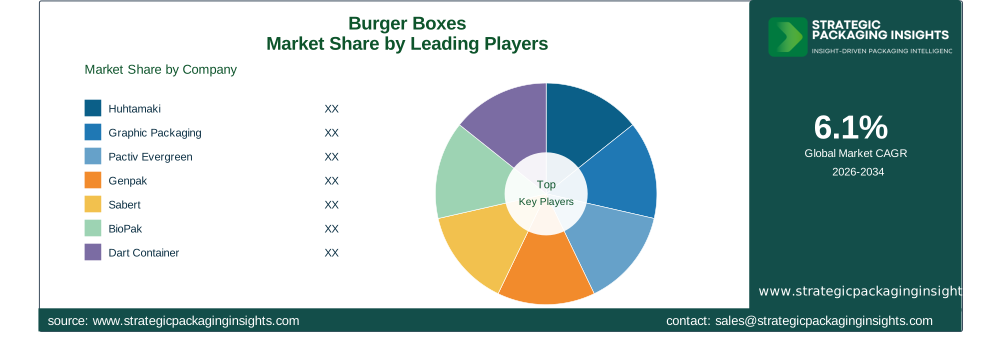
Huhtamaki, a leading player in the market, is known for its commitment to sustainability and innovation. The company offers a wide range of packaging solutions, including biodegradable and compostable burger boxes, which are gaining popularity among environmentally conscious consumers. Graphic Packaging is another major player in the market, offering a diverse range of packaging solutions for the foodservice industry. The company is focused on expanding its product portfolio and strengthening its market presence through strategic acquisitions and partnerships.
Pactiv Evergreen, a prominent player in the Burger Boxes market, is known for its innovative packaging solutions and strong focus on sustainability. The company offers a wide range of eco-friendly packaging products, including burger boxes made from renewable and recyclable materials. Genpak and Sabert are also key players in the market, offering a variety of packaging solutions for the foodservice industry. These companies are investing in research and development to create innovative packaging designs that meet consumer preferences and regulatory requirements.
Other notable players in the market include BioPak, Dart Container, Detpak, Eco-Products, and WestRock. These companies are actively engaged in product innovation and strategic partnerships to enhance their market position. BioPak, for example, is known for its commitment to sustainability and offers a wide range of eco-friendly packaging solutions. Dart Container and Detpak are also focusing on developing sustainable packaging solutions to meet the growing demand for eco-friendly products. Eco-Products and WestRock are investing in research and development to create innovative packaging designs that enhance the functionality and appeal of burger boxes.
Key Highlights
- The Burger Boxes market is projected to grow from $4.39 billion in 2025 to $7.47 billion by 2034, at a CAGR of 6.1%.
- Increasing demand for sustainable and eco-friendly packaging solutions is driving market growth.
- Quick-service restaurants (QSRs) and the fast-food industry are major contributors to the demand for burger boxes.
- Innovations in packaging materials and designs are enhancing the functionality and appeal of burger boxes.
- Stringent regulations regarding packaging waste and recycling pose challenges to market growth.
- Customization and branding of burger boxes offer significant opportunities for market players.
- Advancements in digital printing technology are facilitating cost-effective customized packaging solutions.
- Fluctuations in raw material prices can impact the cost of production and pricing of burger boxes.
- Companies are investing in research and development to create innovative and sustainable packaging solutions.
Top Countries Insights
In the Burger Boxes market, the United States holds a significant share, with a market size of approximately $1.2 billion and a CAGR of 5%. The growth in this region is driven by the high demand for fast food and take-out services, coupled with the increasing focus on sustainable packaging solutions. The presence of major fast-food chains and QSRs further boosts the demand for burger boxes in the country. Additionally, regulatory policies promoting the use of eco-friendly packaging materials are encouraging companies to invest in sustainable solutions.
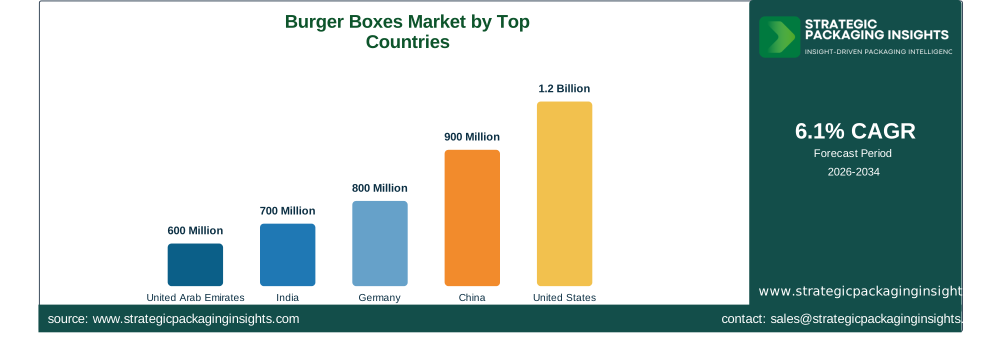
China is another key market for burger boxes, with a market size of around $900 million and a CAGR of 7%. The rapid urbanization and growing middle-class population in China are driving the demand for convenient and quick-service food options, leading to an increased need for packaging solutions like burger boxes. The government's initiatives to reduce plastic waste and promote sustainable packaging are also contributing to market growth. Companies in China are focusing on developing innovative and eco-friendly packaging solutions to meet consumer preferences and regulatory requirements.
In Europe, Germany is a leading market for burger boxes, with a market size of approximately $800 million and a CAGR of 6%. The demand for sustainable packaging solutions is high in Germany, driven by stringent environmental regulations and consumer preferences for eco-friendly products. The presence of major foodservice providers and fast-food chains further supports the demand for burger boxes in the country. Companies in Germany are investing in research and development to create innovative packaging designs that meet regulatory standards and consumer preferences.
India is emerging as a significant market for burger boxes, with a market size of around $700 million and a CAGR of 8%. The growing urban population and increasing disposable income are driving the demand for fast food and take-out services, leading to an increased need for packaging solutions like burger boxes. The government's initiatives to promote sustainable packaging and reduce plastic waste are also contributing to market growth. Companies in India are focusing on developing cost-effective and eco-friendly packaging solutions to meet consumer preferences and regulatory requirements.
In the Middle East & Africa, the United Arab Emirates is a key market for burger boxes, with a market size of approximately $600 million and a CAGR of 5%. The growing tourism industry and increasing number of fast-food chains and QSRs are driving the demand for burger boxes in the region. The government's focus on sustainability and environmental conservation is encouraging companies to invest in eco-friendly packaging solutions. Companies in the UAE are focusing on developing innovative and sustainable packaging designs to meet consumer preferences and regulatory requirements.
Burger Boxes Market Segments Insights

Material Type Analysis
The material type segment in the Burger Boxes market is crucial as it determines the sustainability and functionality of the packaging. Paperboard and kraft paper are the most popular materials due to their eco-friendly nature and recyclability. These materials are gaining traction as consumers and businesses shift towards sustainable packaging solutions. The demand for paperboard burger boxes is particularly high in regions with stringent environmental regulations, as they offer a biodegradable alternative to plastic. Kraft paper, known for its durability and strength, is also favored for its natural and rustic appearance, appealing to environmentally conscious consumers.
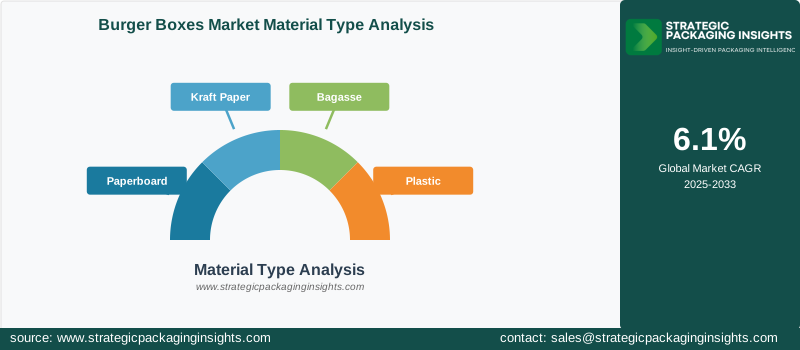
Bagasse, a byproduct of sugarcane processing, is emerging as a popular material for burger boxes due to its compostable properties. It offers a sustainable alternative to traditional materials and is gaining popularity in regions with strong environmental policies. The use of bagasse in burger boxes is expected to grow as companies seek to reduce their carbon footprint and meet consumer demand for eco-friendly packaging. Plastic, although still used in some regions, is facing declining demand due to increasing regulatory pressure and consumer preference for sustainable materials. Companies are investing in research and development to create innovative materials that offer the functionality of plastic while being environmentally friendly.
Product Type Analysis
The product type segment in the Burger Boxes market includes clamshell boxes, window boxes, and compartment boxes. Clamshell boxes are the most widely used due to their convenience and ability to securely hold burgers and other fast-food items. They are favored by QSRs and fast-food chains for their ease of use and ability to keep food fresh during transport. The demand for clamshell boxes is expected to remain strong as the fast-food industry continues to grow globally. Window boxes, which feature a transparent window to showcase the contents, are gaining popularity among premium foodservice providers and restaurants. They offer an attractive presentation and are often used for gourmet burgers and specialty items.
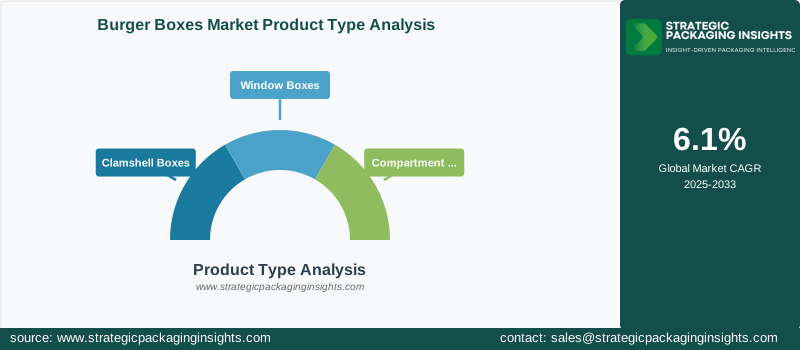
Compartment boxes, which feature separate sections for different food items, are becoming increasingly popular in the fast-food industry. They offer convenience and versatility, allowing consumers to enjoy a complete meal in one package. The demand for compartment boxes is expected to grow as consumers seek convenient and efficient packaging solutions for take-out and delivery services. Companies are focusing on developing innovative designs and materials for compartment boxes to enhance their functionality and appeal. The product type segment is expected to see continued innovation as companies seek to meet consumer preferences and differentiate themselves in a competitive market.
Application Analysis
The application segment in the Burger Boxes market includes burgers, sandwiches, and fast-food meals. Burgers are the primary application for burger boxes, driven by the global popularity of fast-food chains and QSRs. The demand for burger boxes is expected to grow as the fast-food industry continues to expand, particularly in emerging markets. Sandwiches, which are also a popular fast-food item, are another key application for burger boxes. The demand for sandwich boxes is driven by the increasing popularity of take-out and delivery services, as consumers seek convenient and efficient packaging solutions.
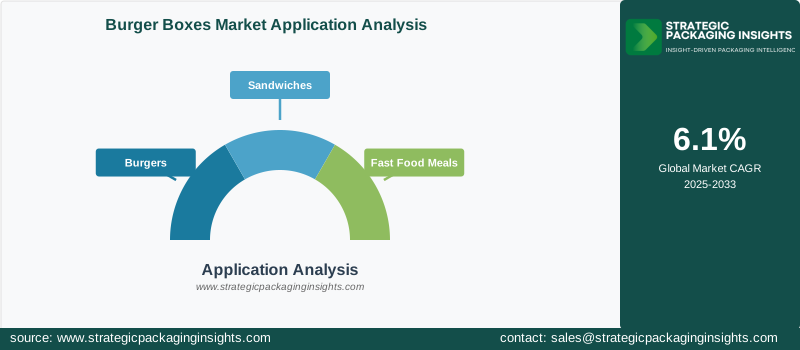
Fast-food meals, which include a variety of items such as fries, nuggets, and drinks, are also a significant application for burger boxes. The demand for packaging solutions that can accommodate a complete meal is growing as consumers seek convenience and efficiency in their dining experiences. Companies are focusing on developing innovative packaging designs that can hold multiple items securely and keep them fresh during transport. The application segment is expected to see continued growth as the fast-food industry expands and consumer preferences for convenient and efficient packaging solutions evolve.
End Use Analysis
The end-use segment in the Burger Boxes market includes QSRs, restaurants, foodservice, and retail. QSRs are the largest end-use segment, driven by the global popularity of fast-food chains and the increasing demand for take-out and delivery services. The demand for burger boxes in QSRs is expected to grow as the fast-food industry continues to expand, particularly in emerging markets. Restaurants, which offer a variety of dining experiences, are another key end-use segment for burger boxes. The demand for packaging solutions in restaurants is driven by the increasing popularity of take-out and delivery services, as consumers seek convenient and efficient dining options.
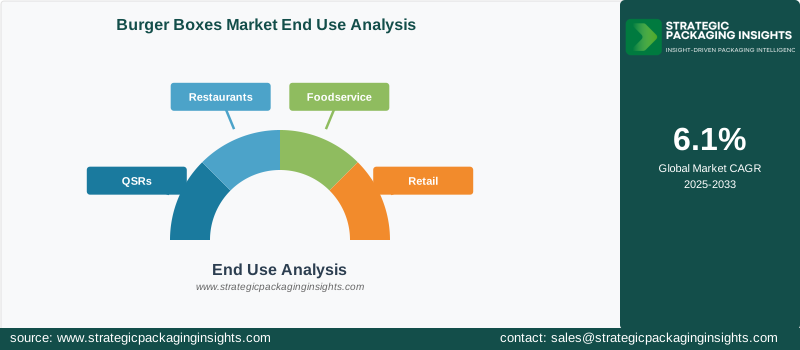
Foodservice providers, which include catering companies and institutional foodservice operators, are also a significant end-use segment for burger boxes. The demand for packaging solutions in the foodservice industry is driven by the need for convenient and efficient packaging solutions that can accommodate a variety of food items. Retail, which includes supermarkets and convenience stores, is another key end-use segment for burger boxes. The demand for packaging solutions in the retail industry is driven by the increasing popularity of ready-to-eat meals and the need for convenient and efficient packaging solutions. The end-use segment is expected to see continued growth as the foodservice industry expands and consumer preferences for convenient and efficient packaging solutions evolve.
Burger Boxes Market Segments
The Burger Boxes market has been segmented on the basis ofMaterial Type
- Paperboard
- Kraft Paper
- Bagasse
- Plastic
Product Type
- Clamshell Boxes
- Window Boxes
- Compartment Boxes
Application
- Burgers
- Sandwiches
- Fast Food Meals
End Use
- QSRs
- Restaurants
- Foodservice
- Retail
Region
- Asia Pacific
- North America
- Latin America
- Europe
- Middle East & Africa




