


Bulk Bag Market Outlook
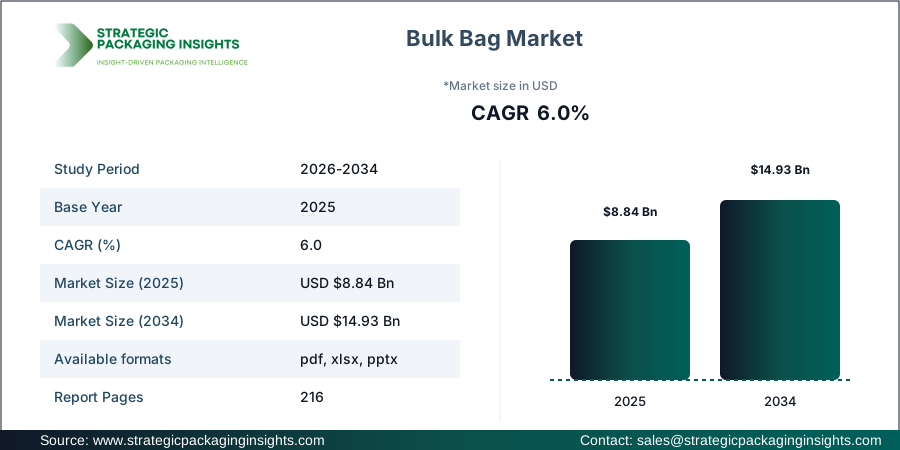
The Bulk Bag market was valued at $8.84 billion in 2025 and is projected to reach $14.93 billion by 2034, growing at a CAGR of 6.0% during the forecast period 2026-2034. This market is experiencing significant growth due to the increasing demand for efficient and cost-effective packaging solutions across various industries. The versatility of bulk bags, also known as Flexible Intermediate Bulk Containers (FIBCs), in handling, storing, and transporting dry bulk materials is a key driver. Industries such as chemicals, agriculture, and construction are increasingly adopting bulk bags for their operational efficiency and environmental benefits. The market is also witnessing innovations in material types, such as antistatic and conductive fabrics, which enhance safety and functionality, further propelling market growth.
Despite the promising growth trajectory, the Bulk Bag market faces certain challenges. Regulatory constraints related to environmental sustainability and waste management are significant restrainers. The industry is under pressure to develop eco-friendly and recyclable packaging solutions to comply with stringent regulations. Additionally, fluctuations in raw material prices, particularly polypropylene, pose a challenge to market players. However, the market holds substantial growth potential, driven by the rising demand for bulk bags in emerging economies and the increasing focus on sustainable packaging solutions. The development of advanced manufacturing technologies and the integration of smart features in bulk bags are expected to create new opportunities for market expansion.
Report Scope
| Attributes | Details |
| Report Title | Bulk Bag Market Size, Future Growth and Forecast 2034 |
| By Product Type | Standard FIBC, Baffle Bags, Conductive Bags, Food-Grade Bags |
| By Material Type | PP Woven, Coated PP, Antistatic Fabric |
| By Application | Chemicals, Agriculture, Construction, Food Ingredients |
| By End Use | Industrial, Food, Logistics, Mining |
| Region | Asia Pacific, North America, Latin America, Europe, Middle East & Africa |
| Base Year | 2025 |
| Historic Period | 2018-2024 |
| Forecast Period | 2026-2034 |
| Number of Pages | 216 |
| Customization Available | Yes* |
Opportunities & Threats
The Bulk Bag market presents numerous opportunities, particularly in the realm of sustainable packaging solutions. As environmental concerns continue to rise, there is a growing demand for eco-friendly packaging options. Bulk bags, being reusable and recyclable, align well with this trend. Companies are investing in research and development to create biodegradable and compostable bulk bags, which not only meet regulatory requirements but also appeal to environmentally conscious consumers. Additionally, the increasing adoption of bulk bags in emerging markets, driven by rapid industrialization and urbanization, offers significant growth prospects. These regions are witnessing a surge in demand for efficient and cost-effective packaging solutions, providing ample opportunities for market players to expand their footprint.
Another opportunity lies in the technological advancements in bulk bag manufacturing. The integration of smart features, such as RFID tags and IoT-enabled sensors, is transforming the bulk bag industry. These innovations enhance traceability, improve inventory management, and ensure product safety, thereby increasing the appeal of bulk bags across various industries. Furthermore, the development of specialized bulk bags for specific applications, such as food-grade bags for the food industry and conductive bags for the chemical industry, is opening new avenues for growth. Companies that can offer customized solutions to meet the unique needs of different industries are likely to gain a competitive edge in the market.
However, the Bulk Bag market is not without its threats. One of the major challenges is the volatility in raw material prices, particularly polypropylene, which is a key component in bulk bag manufacturing. Fluctuations in crude oil prices directly impact the cost of polypropylene, affecting the overall production cost of bulk bags. This price volatility can lead to uncertainty in profit margins for manufacturers. Additionally, the market faces competition from alternative packaging solutions, such as rigid containers and paper sacks, which offer different benefits and may be preferred by certain industries. To mitigate these threats, companies need to focus on cost optimization strategies and diversify their product offerings to cater to a broader range of applications.
Drivers & Challenges
The Bulk Bag market is driven by several key factors, one of which is the increasing demand for efficient and cost-effective packaging solutions across various industries. Bulk bags offer numerous advantages, including ease of handling, storage efficiency, and reduced transportation costs, making them an attractive choice for industries such as chemicals, agriculture, and construction. The growing emphasis on operational efficiency and cost reduction in these industries is a significant driver for the adoption of bulk bags. Additionally, the versatility of bulk bags in handling a wide range of dry bulk materials, from powders to granules, further boosts their demand.
Another major driver is the rising focus on sustainability and environmental responsibility. As industries strive to reduce their carbon footprint and comply with stringent environmental regulations, the demand for eco-friendly packaging solutions is on the rise. Bulk bags, being reusable and recyclable, align well with this trend. Companies are increasingly investing in the development of sustainable bulk bags made from biodegradable and compostable materials, which not only meet regulatory requirements but also appeal to environmentally conscious consumers. This shift towards sustainable packaging is expected to drive significant growth in the Bulk Bag market.
Despite the positive drivers, the Bulk Bag market faces several challenges. One of the primary challenges is the regulatory constraints related to environmental sustainability and waste management. The industry is under pressure to develop eco-friendly and recyclable packaging solutions to comply with stringent regulations. Additionally, fluctuations in raw material prices, particularly polypropylene, pose a challenge to market players. The volatility in crude oil prices directly impacts the cost of polypropylene, affecting the overall production cost of bulk bags. This price volatility can lead to uncertainty in profit margins for manufacturers. To overcome these challenges, companies need to focus on cost optimization strategies and invest in research and development to create innovative and sustainable packaging solutions.
Market Share Analysis
The Bulk Bag market is characterized by a competitive landscape with several key players vying for market share. Companies such as LC Packaging, Greif, Berry Global, BAG Corp, Mondi, Emmbi Industries, Flexituff Ventures, Rishi FIBC, Conitex Sonoco, and Global-Pak are prominent players in this market. These companies are focusing on strategic initiatives such as mergers and acquisitions, partnerships, and product innovations to strengthen their market position. The competitive landscape is further intensified by the presence of numerous regional players who offer customized solutions to meet the specific needs of local markets.
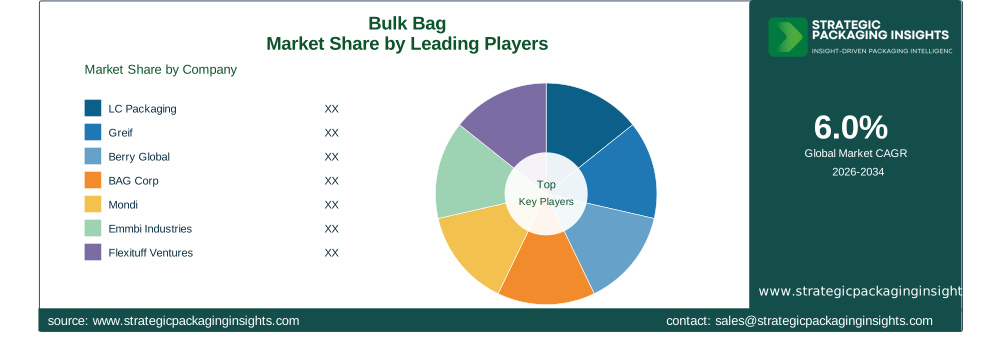
LC Packaging is a leading player in the Bulk Bag market, known for its extensive product portfolio and strong distribution network. The company focuses on sustainability and innovation, offering a range of eco-friendly bulk bags made from recycled materials. Greif, another major player, is recognized for its comprehensive packaging solutions and global presence. The company emphasizes operational excellence and customer-centricity, providing tailored solutions to meet the diverse needs of its clients. Berry Global, with its focus on innovation and sustainability, offers a wide range of bulk bags designed to enhance operational efficiency and reduce environmental impact.
BAG Corp is a key player in the North American market, known for its high-quality bulk bags and customer-centric approach. The company offers a range of standard and customized bulk bags to cater to various industries, including chemicals, agriculture, and food. Mondi, a global leader in packaging and paper, is recognized for its innovative solutions and commitment to sustainability. The company offers a range of bulk bags designed to meet the highest safety and quality standards, ensuring product integrity and customer satisfaction.
Emmbi Industries and Flexituff Ventures are prominent players in the Indian market, known for their extensive product offerings and focus on innovation. These companies are investing in research and development to create advanced bulk bags with enhanced safety features and improved functionality. Rishi FIBC, Conitex Sonoco, and Global-Pak are also key players in the market, offering a range of bulk bags designed to meet the specific needs of different industries. These companies are focusing on expanding their product portfolio and strengthening their distribution network to capture a larger share of the market.
Key Highlights
- The Bulk Bag market is projected to grow from $8.84 billion in 2025 to $14.93 billion by 2034, at a CAGR of 6.0%.
- Increasing demand for efficient and cost-effective packaging solutions is driving market growth.
- Technological advancements, such as RFID tags and IoT-enabled sensors, are transforming the bulk bag industry.
- Regulatory constraints related to environmental sustainability pose a challenge to market players.
- Companies are investing in the development of eco-friendly and recyclable bulk bags.
- The market is witnessing significant growth in emerging economies due to rapid industrialization and urbanization.
- Key players are focusing on strategic initiatives such as mergers and acquisitions to strengthen their market position.
- Fluctuations in raw material prices, particularly polypropylene, impact the overall production cost of bulk bags.
- The development of specialized bulk bags for specific applications is opening new avenues for growth.
- Competition from alternative packaging solutions, such as rigid containers and paper sacks, poses a threat to the market.
Top Countries Insights
In the Bulk Bag market, the United States stands out as a key player, with a market size of approximately $2.5 billion and a CAGR of 5%. The country's robust industrial base and strong demand for efficient packaging solutions drive market growth. The presence of major players such as BAG Corp and Berry Global further strengthens the market. However, regulatory constraints related to environmental sustainability and waste management pose challenges for market players.
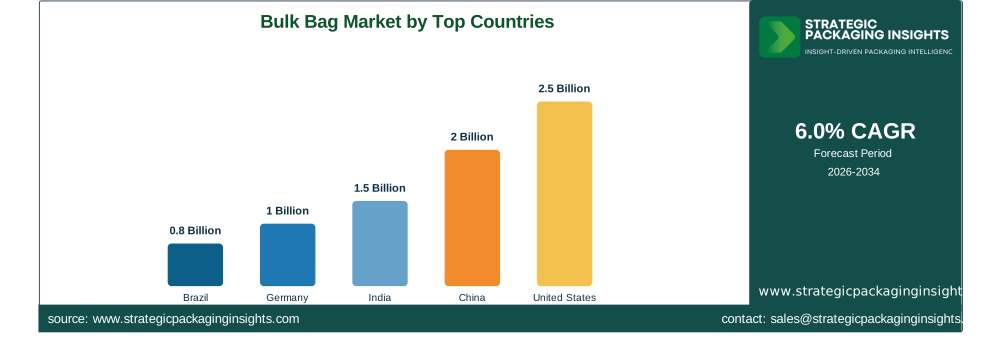
China is another significant market, with a market size of around $2 billion and a CAGR of 7%. The country's rapid industrialization and urbanization are driving demand for bulk bags, particularly in the chemicals and agriculture sectors. The government's focus on sustainable development and environmental protection is encouraging the adoption of eco-friendly packaging solutions, providing growth opportunities for market players.
India, with a market size of approximately $1.5 billion and a CAGR of 8%, is witnessing significant growth in the Bulk Bag market. The country's booming agriculture and construction sectors are driving demand for bulk bags. The presence of key players such as Emmbi Industries and Flexituff Ventures further boosts the market. However, fluctuations in raw material prices and regulatory constraints pose challenges for market players.
Germany, with a market size of around $1 billion and a CAGR of 4%, is a key market in Europe. The country's strong industrial base and focus on sustainability drive demand for bulk bags. The presence of major players such as Mondi and Greif further strengthens the market. However, competition from alternative packaging solutions poses a threat to market growth.
Brazil, with a market size of approximately $0.8 billion and a CAGR of 6%, is a growing market in Latin America. The country's expanding agriculture and mining sectors are driving demand for bulk bags. The government's focus on sustainable development and environmental protection is encouraging the adoption of eco-friendly packaging solutions, providing growth opportunities for market players.
Bulk Bag Market Segments Insights

Product Type Analysis
The Bulk Bag market is segmented by product type into standard FIBC, baffle bags, conductive bags, and food-grade bags. Standard FIBCs are the most widely used type, offering versatility and cost-effectiveness for various applications. They are particularly popular in the chemicals and agriculture sectors, where they are used for storing and transporting dry bulk materials. Baffle bags, with their unique design, provide enhanced stability and space efficiency, making them ideal for applications where space optimization is crucial. Conductive bags are gaining traction in the chemical industry due to their ability to safely handle flammable materials, while food-grade bags are increasingly used in the food industry to ensure product safety and hygiene.
The demand for specialized bulk bags is driven by the need for customized solutions to meet the unique requirements of different industries. Companies are investing in research and development to create advanced bulk bags with enhanced safety features and improved functionality. The integration of smart features, such as RFID tags and IoT-enabled sensors, is transforming the bulk bag industry, enhancing traceability and inventory management. As industries continue to focus on operational efficiency and cost reduction, the demand for innovative and customized bulk bags is expected to grow, driving significant growth in the product type segment.
Material Type Analysis
The Bulk Bag market is segmented by material type into PP woven, coated PP, and antistatic fabric. PP woven bags are the most commonly used type, offering durability and cost-effectiveness for various applications. They are particularly popular in the agriculture and construction sectors, where they are used for storing and transporting dry bulk materials. Coated PP bags provide enhanced protection against moisture and contamination, making them ideal for applications where product integrity is crucial. Antistatic fabric bags are gaining traction in the chemical industry due to their ability to safely handle flammable materials.
The demand for advanced material types is driven by the need for enhanced safety and functionality in bulk bags. Companies are investing in research and development to create innovative materials that offer improved performance and sustainability. The development of biodegradable and compostable materials is a key focus area, as industries strive to reduce their environmental impact and comply with stringent regulations. As the demand for eco-friendly packaging solutions continues to rise, the material type segment is expected to witness significant growth, driven by innovations in material technology and the increasing focus on sustainability.
Application Analysis
The Bulk Bag market is segmented by application into chemicals, agriculture, construction, and food ingredients. The chemicals sector is a major driver of demand for bulk bags, as they are used for storing and transporting a wide range of dry bulk materials, from powders to granules. The agriculture sector is another key application area, where bulk bags are used for storing and transporting seeds, grains, and fertilizers. The construction sector is also a significant market for bulk bags, as they are used for storing and transporting construction materials such as sand, gravel, and cement.
The demand for bulk bags in the food ingredients sector is driven by the need for safe and hygienic packaging solutions. Food-grade bulk bags are increasingly used in the food industry to ensure product safety and hygiene. The integration of smart features, such as RFID tags and IoT-enabled sensors, is transforming the bulk bag industry, enhancing traceability and inventory management. As industries continue to focus on operational efficiency and cost reduction, the demand for innovative and customized bulk bags is expected to grow, driving significant growth in the application segment.
End Use Analysis
The Bulk Bag market is segmented by end use into industrial, food, logistics, and mining. The industrial sector is a major driver of demand for bulk bags, as they are used for storing and transporting a wide range of dry bulk materials, from powders to granules. The food sector is another key application area, where bulk bags are used for storing and transporting food ingredients and products. The logistics sector is also a significant market for bulk bags, as they are used for storing and transporting goods in a cost-effective and efficient manner.
The demand for bulk bags in the mining sector is driven by the need for durable and reliable packaging solutions. Bulk bags are used for storing and transporting mining materials such as ores, minerals, and coal. The integration of smart features, such as RFID tags and IoT-enabled sensors, is transforming the bulk bag industry, enhancing traceability and inventory management. As industries continue to focus on operational efficiency and cost reduction, the demand for innovative and customized bulk bags is expected to grow, driving significant growth in the end use segment.
Bulk Bag Market Segments
The Bulk Bag market has been segmented on the basis ofBy Product Type
- Standard FIBC
- Baffle Bags
- Conductive Bags
- Food-Grade Bags
By Material Type
- PP Woven
- Coated PP
- Antistatic Fabric
By Application
- Chemicals
- Agriculture
- Construction
- Food Ingredients
By End Use
- Industrial
- Food
- Logistics
- Mining
Region
- Asia Pacific
- North America
- Latin America
- Europe
- Middle East & Africa




